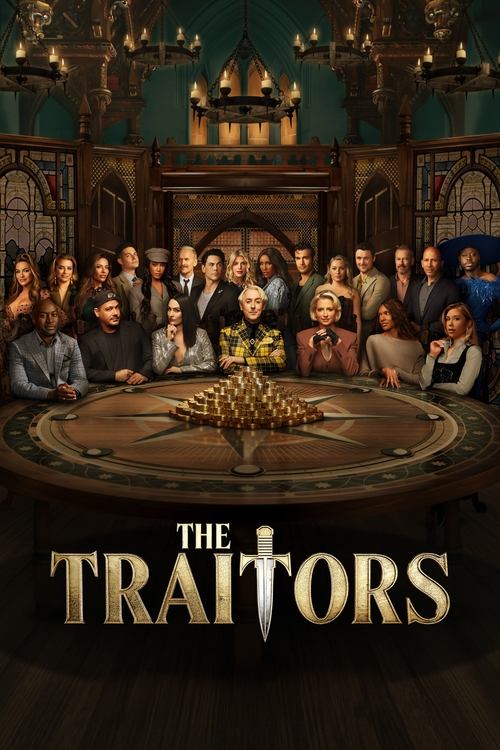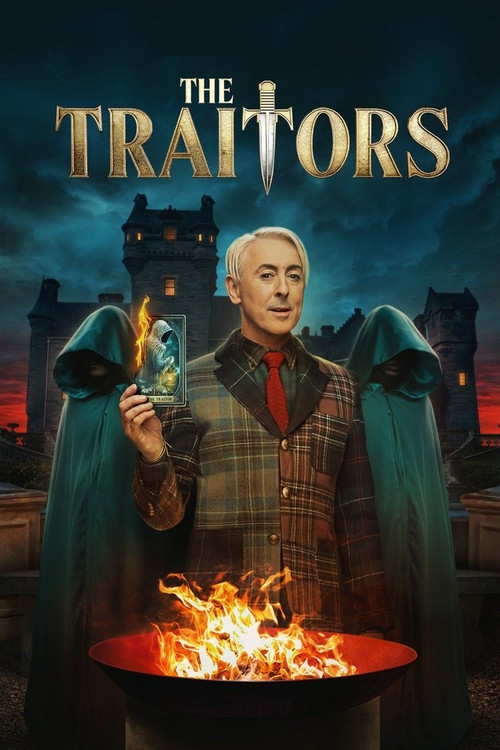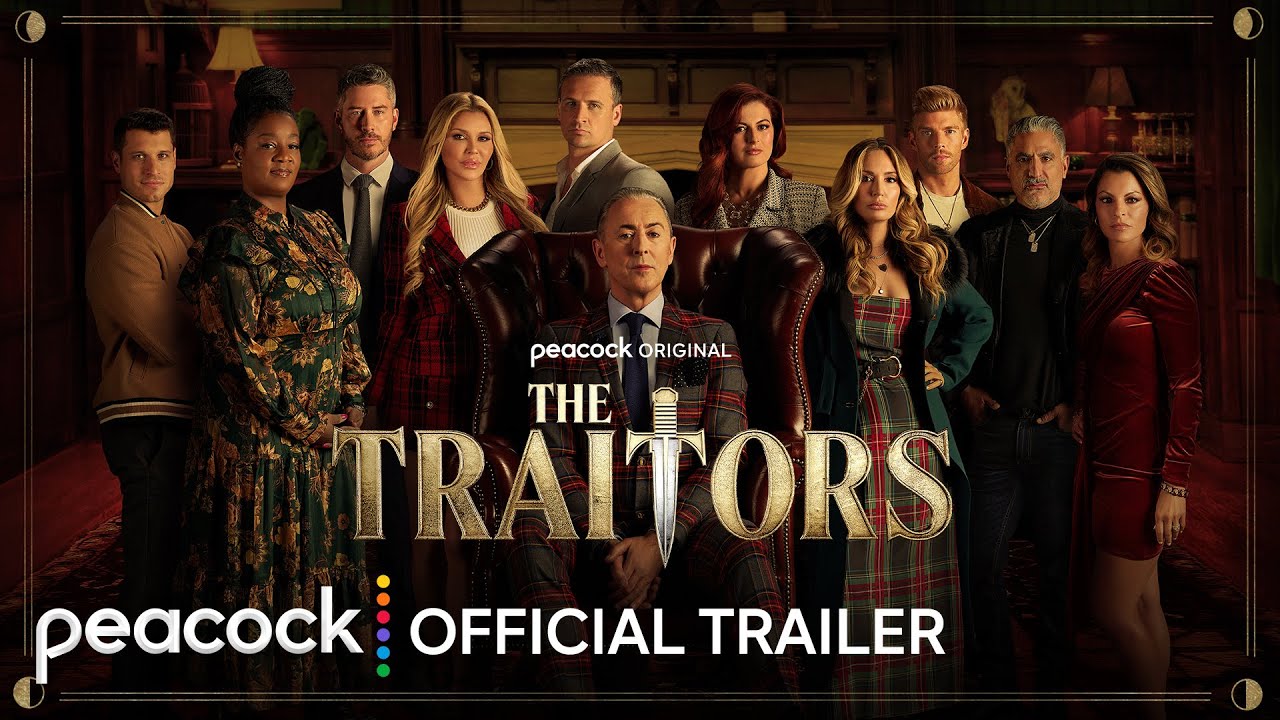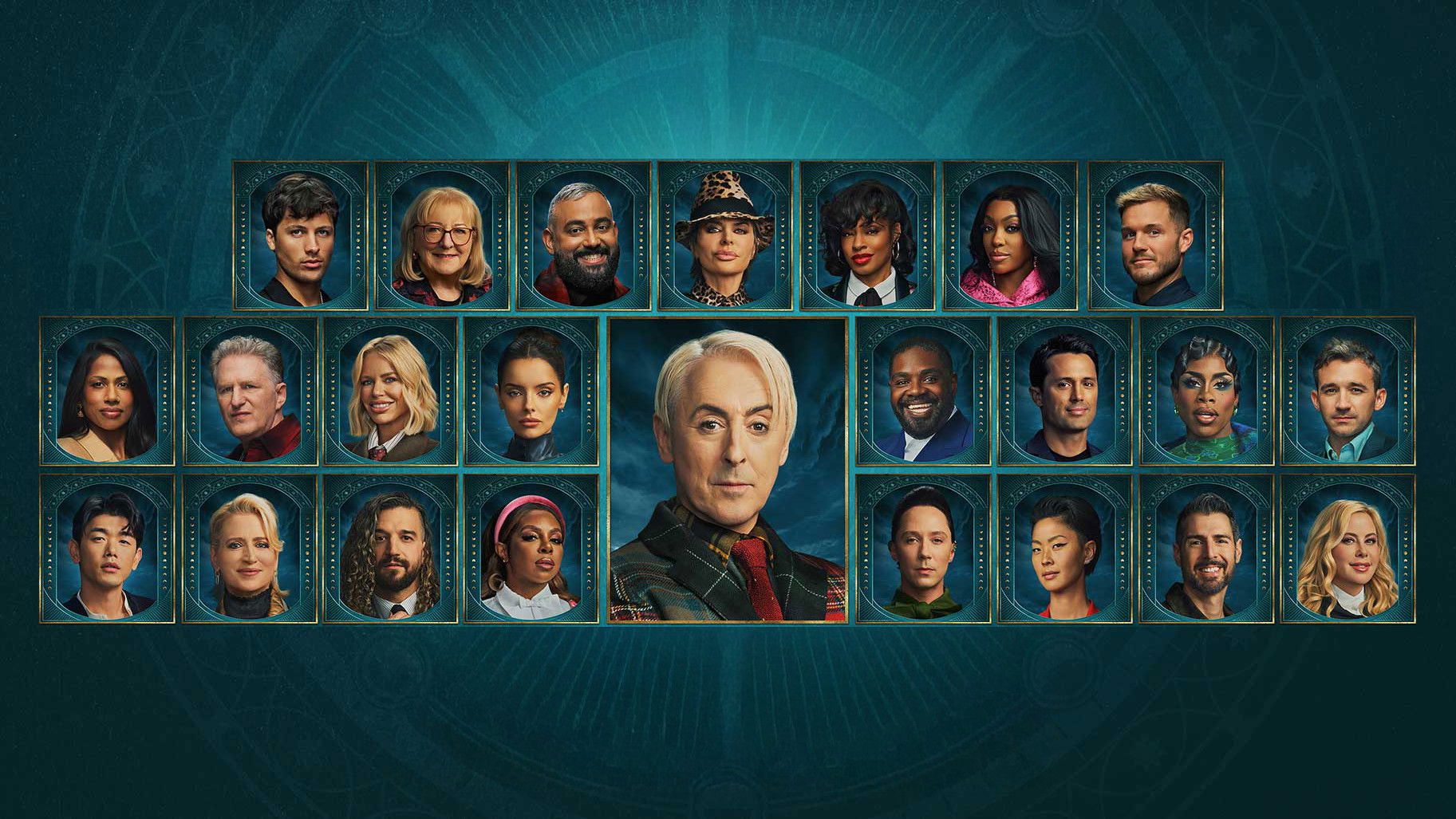
When The Traitors debuted on Peacock back in January 2023, it arrived during a particularly interesting moment for reality television—a time when the genre was hungry for fresh strategic concepts and psychological intrigue. What made this show stand out immediately was its brilliant simplification of a deceptively complex premise: a group of contestants competing for a cash prize while hidden among them are “Traitors” whose job is to eliminate players without getting caught. It sounds straightforward, but the execution revealed something deeper about human nature, trust, and how quickly alliances crumble under pressure.
The show tapped into something audiences genuinely craved after years of straightforward competition formats. Rather than pure physical challenges or talent demonstrations, The Traitors placed everything on social dynamics and psychology. You weren’t just watching people compete—you were watching them interrogate their own judgment, second-guess allies they’d trusted moments before, and navigate the paranoia that comes with knowing betrayal is literally sitting at the same table.
> The genius of the format lies in its elegant simplicity combined with genuine unpredictability—something that kept audiences engaged across its four-season run spanning 47 episodes.
Across its journey since that January 2023 premiere, the show built a devoted fanbase despite a 6.3/10 rating that arguably undersells what it accomplished. Those metrics tell an interesting story: this wasn’t a show with universal appeal that everybody loved equally. Instead, it carved out an intense, passionate audience that engaged deeply with every decision, every vote, every dramatic elimination. That kind of polarizing reception often means a show is doing something genuinely different, pushing buttons that broader audiences might find uncomfortable.
The format’s strength became more apparent as seasons progressed. What The Traitors managed to do was create genuine dramatic moments that couldn’t be faked or manufactured in post-production. When a player’s face crumpled after being voted out, when someone realized they’d misread another competitor’s intentions, those were authentic emotional beats. The show didn’t rely on manufactured drama or heavy editing to create tension—the tension was built into the DNA of the competition itself.
The cultural conversations it sparked were remarkably substantive:
- Viewers became invested in dissecting strategy and predicting eliminations with the intensity typically reserved for competitive sports
- The show inspired countless think-pieces about trust, morality, and how quickly we judge others based on incomplete information
- Online communities engaged in real-time analysis, with viewers developing sophisticated theories about player psychology and manipulation tactics
- It introduced audiences to a format that had thrived internationally but found fresh resonance with American audiences through Peacock’s platform
What’s particularly notable is how the show maintained its central tension throughout its run without becoming repetitive. Each season brought different player dynamics, different strategic approaches, and different emotional payoffs. The Unknown runtime structure actually served the show well—it allowed episodes to breathe naturally, extending moments that needed weight and moving quickly through segments that didn’t demand it. There’s something refreshing about a reality show willing to let a tense silence hang for as long as it takes rather than cutting away to commercial breaks on predetermined schedules.
By maintaining Returning Series status into subsequent seasons, The Traitors proved there was genuine appetite for its particular brand of psychological gameplay. Four seasons and 47 episodes represented a substantial commitment from Peacock, suggesting the streamer recognized what the show was accomplishing beyond raw viewership numbers. The show was building the kind of dedicated audience that keeps returning year after year, rewatching episodes, and staying engaged with the community.
The creative achievement here shouldn’t be understated. Whoever designed this format understood something fundamental about human psychology and competition. The Traitors themselves became characters as complex and compelling as any scripted television antagonist—except they were real people making real decisions with real consequences. When you think about iconic moments in reality television, The Traitors generated several that became genuinely iconic within fan communities: crucial votes, shocking eliminations, and the rare moments when players managed to outsmart everyone.
The show’s approach to reality television challenged conventional wisdom about what audiences wanted from the genre. It proved that viewers didn’t necessarily need celebrities, physical stunts, or manufactured interpersonal drama—they wanted intelligent, psychologically complex competition with genuine stakes. This had ripple effects across the streaming landscape, influencing how networks reconsidered what reality content could accomplish.
What keeps The Traitors compelling on repeat viewing is that genuine unpredictability. Unlike scripted television where you can predict story beats once you understand the formula, this show truly doesn’t know how it will end until the final moments. Players make decisions that surprise even the producers. Alliances crumble in unexpected ways. The paranoia becomes contagious, spreading to viewers as we second-guess alongside the competitors.
Looking at where the show stands now as a returning series, there’s something genuinely encouraging about its persistence. Despite middling rating numbers, Peacock invested in multiple seasons because the show was doing something right—something that resonated with audiences seeking intelligent, psychologically engaging reality television. The Traitors proved that not every successful show needs universal acclaim to deserve continuation; sometimes the most interesting television speaks to a specific audience with unusual depth, and that’s enough.