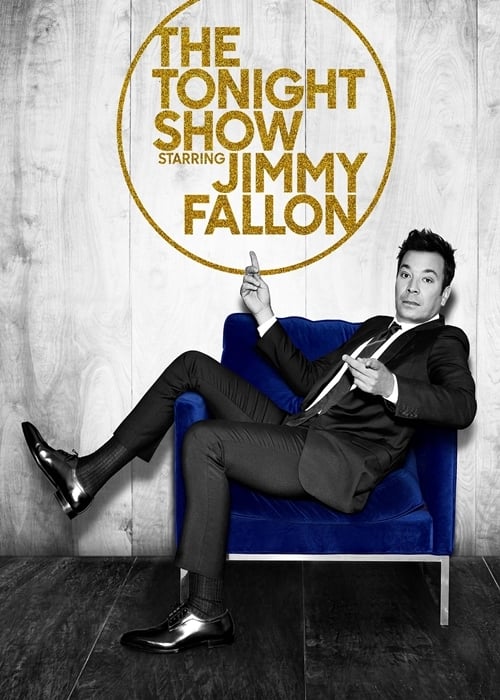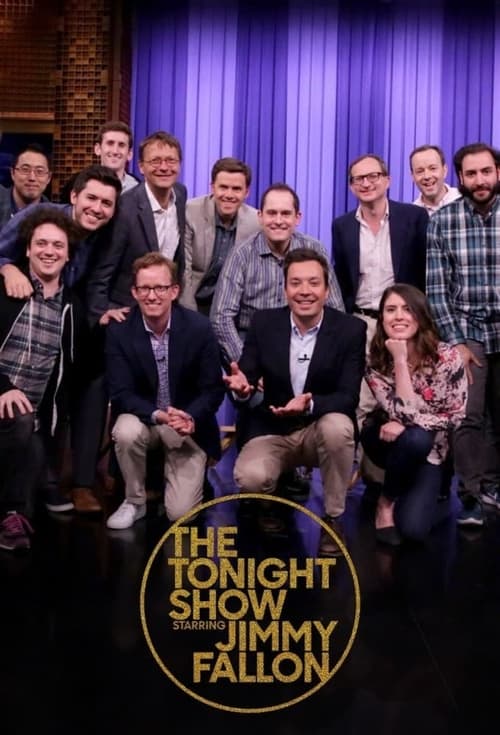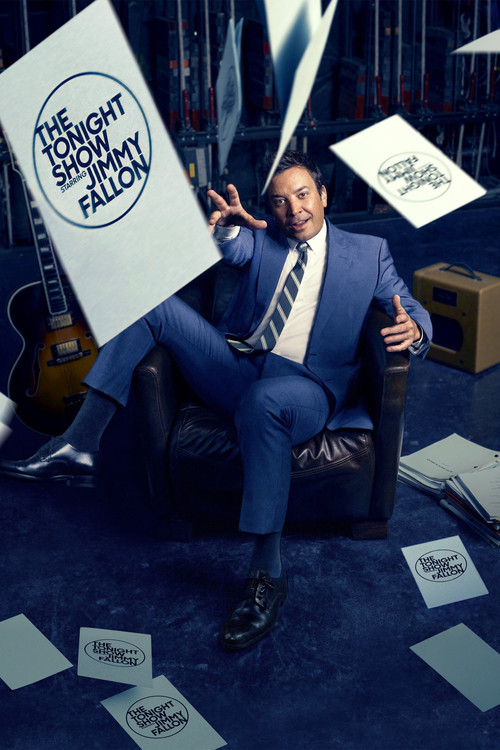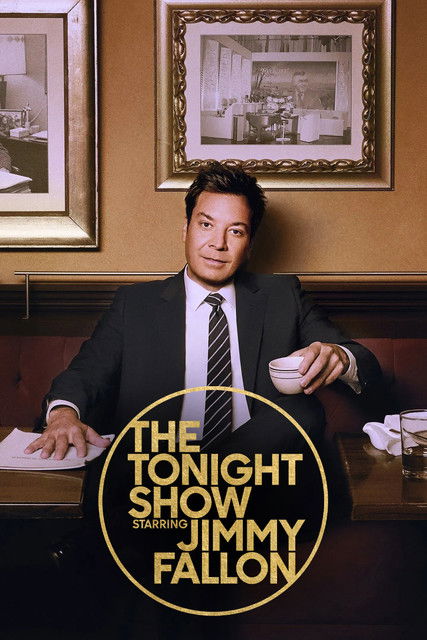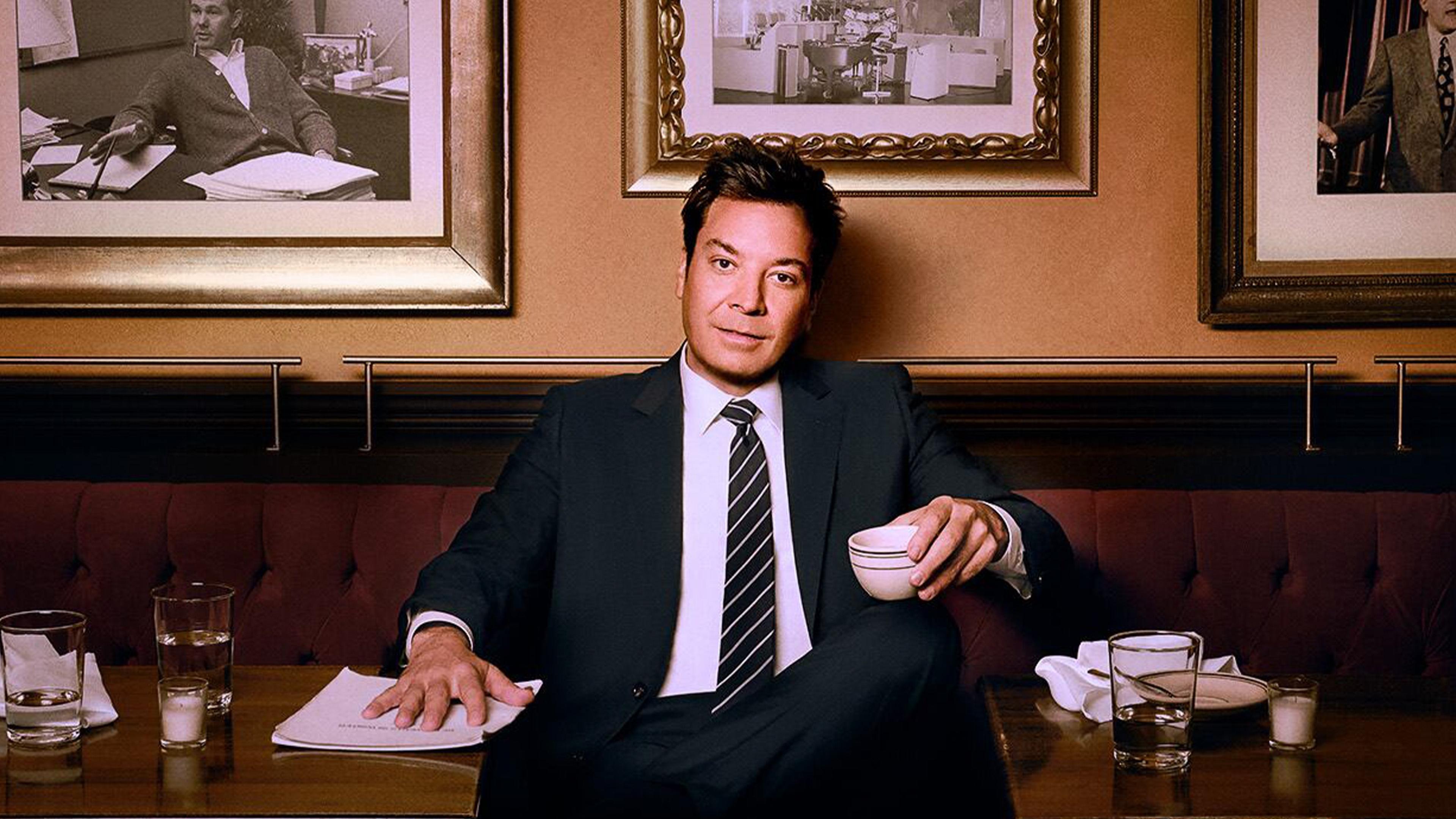
When The Tonight Show Starring Jimmy Fallon debuted on February 17, 2014, it arrived at a pivotal moment in late-night television. The landscape had shifted dramatically from the era when Johnny Carson ruled the airwaves—audiences were fragmented, streaming was emerging, and the traditional model of appointment television felt increasingly endangered. Yet this show managed something remarkable: it not only survived but thrived, capturing lightning in a bottle for over a decade by understanding what audiences actually wanted from their late-night entertainment in the social media age.
What makes The Tonight Show genuinely significant is how it reimagined the talk show format without abandoning its core DNA. The show inherited one of television’s most storied franchises, which came with considerable pressure and impossibly high expectations. Jimmy Fallon’s approach—blending celebrity interviews with elaborate games, recurring comedy bits, and high-energy musical performances—created an alchemy that felt fresh while honoring tradition. This wasn’t revolutionary in any single element, but the execution and the understanding of how content spreads in modern media proved transformative.
The viral video phenomenon deserves particular attention here. Before The Tonight Show, late-night bits occasionally broke through to broader audiences, but Fallon seemed to understand intuitively how to craft moments designed for social sharing without making them feel artificially constructed. Whether it was elaborate game segments with A-list guests or musical parodies featuring celebrities, the show generated content that people actively wanted to pass along to friends. This wasn’t accidental—it reflected a creative vision that acknowledged the show was competing not just with other late-night programs but with everything on the internet.
> The show’s evolution across 14 seasons and 1,654 episodes reveals something crucial about sustainable television: consistency in voice matters more than constant reinvention.
Looking at the numbers honestly, the show’s 5.9/10 rating tells an interesting story. It’s respectable without being extraordinary, and that’s actually quite telling about modern television consumption. When the show premiered, early seasons hovered in the 6.4-6.8 range, suggesting it built and maintained a loyal viewership rather than chasing trending audiences. In an era where shows are evaluated through multiple metrics—traditional ratings, streaming views, social media reach, and cultural relevance—a single numerical score hardly captures the full picture of what The Tonight Show accomplished.
The creative achievement here centers on understanding medium specificity. Fallon didn’t try to force the talk show format into rigid molds or chase trends obsessively. Instead, he recognized that the Tonight Show could exist across multiple platforms simultaneously: the broadcast version for traditional viewers, the YouTube clips for viral audiences, the Peacock streaming for on-demand viewers. This multi-platform thinking wasn’t standard practice when the show launched, but it became increasingly central to how media companies operate.
The guest experience on the show evolved significantly over its run. Early seasons leaned heavily into the celebrity interview as primary content, but the show increasingly became a place where famous people participated in genuinely playful activities. Game segments like “Egg Roulette,” “Tonight Show Superlatives,” and “The Golden Gong” transformed the dynamic from interrogator-and-guest to collaborators having fun together. This shift made appearances on the show desirable because they offered celebrities a chance to show personality rather than simply promote their latest project.
- Musical performances became increasingly ambitious and unpredictable—The Roots providing live instrumentation created spontaneity that prerecorded segments couldn’t match
- Celebrity games that played on famous people’s competitive natures or willingness to be slightly embarrassed
- Comedy bits that evolved throughout the season, creating continuity for regular viewers
- Topical monologues that stayed sharp without becoming aggressively political
The Peacock streaming integration represents another layer of the show’s modern significance. As traditional broadcast viewership declined industry-wide, the show leveraged NBC’s streaming platform not as a replacement but as an expansion. Premium subscribers could access full episodes, extended segments, and exclusive content, creating multiple revenue and engagement pathways. This approach acknowledged a fundamental truth: audiences in 2014 and beyond didn’t experience television the way previous generations did.
What ultimately resonates about The Tonight Show Starring Jimmy Fallon is that it succeeded by staying true to a specific vision while remaining flexible about how that vision reached audiences. The show didn’t try to be everything to everyone; it was specifically a place where entertainment was warm, playful, and shareable. In a media landscape that constantly demands disruption and novelty, the show demonstrated that there’s genuine power in competent, joyful execution of a familiar format.
The 1,654 episodes represent more than just longevity—they represent a massive creative undertaking, the equivalent of roughly 346 hours of content across 14 years. That kind of consistency, week after week, with diminishing returns always a possibility, speaks to the fundamental quality of the underlying concept. The show found an audience that valued consistency, humor, and genuine entertainment without requiring constant reinvention to maintain relevance.
As the show continues as a Returning Series, its legacy is already secured. It didn’t revolutionize television or push narrative boundaries in experimental ways. Instead, it did something perhaps more valuable: it proved that the talk show format remained viable and vibrant in the streaming era, that audiences still craved connection and personality, and that entertainment created with care and intelligence could still cut through the noise of an infinitely expanding content ecosystem.