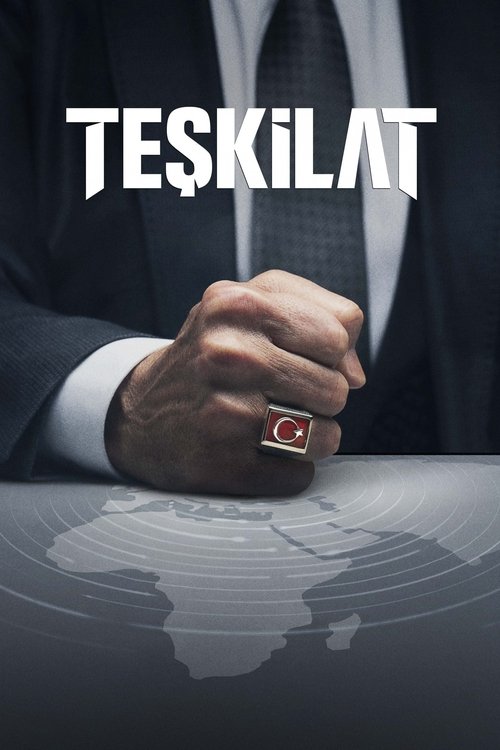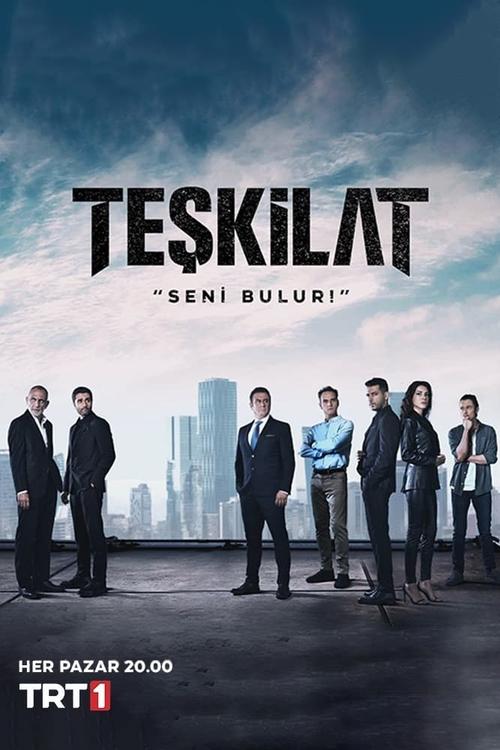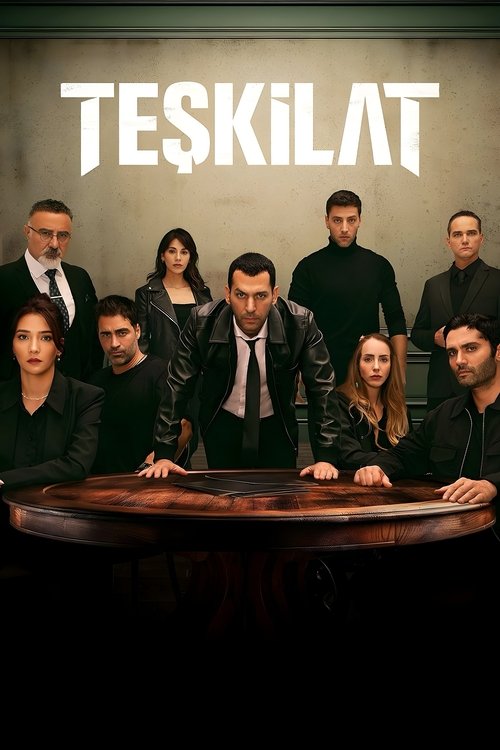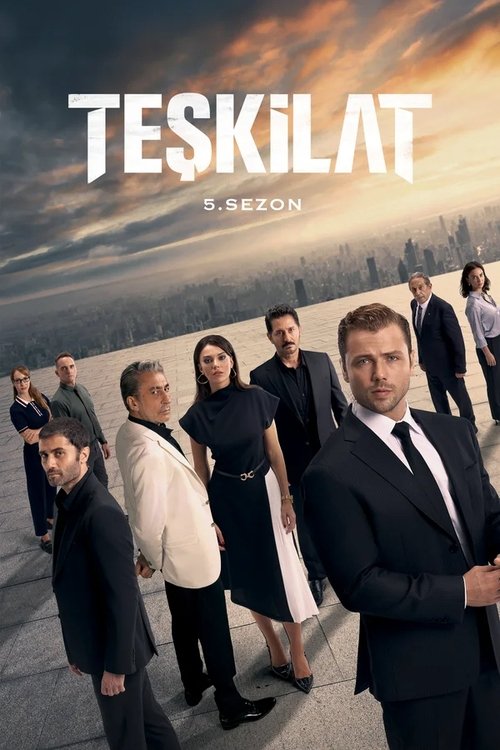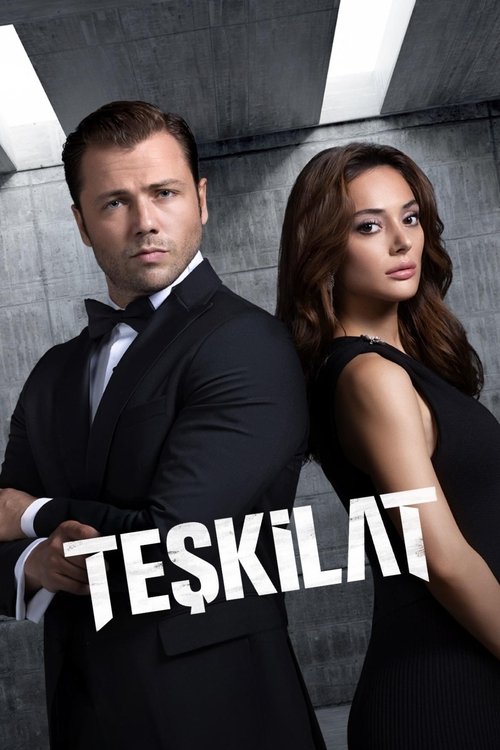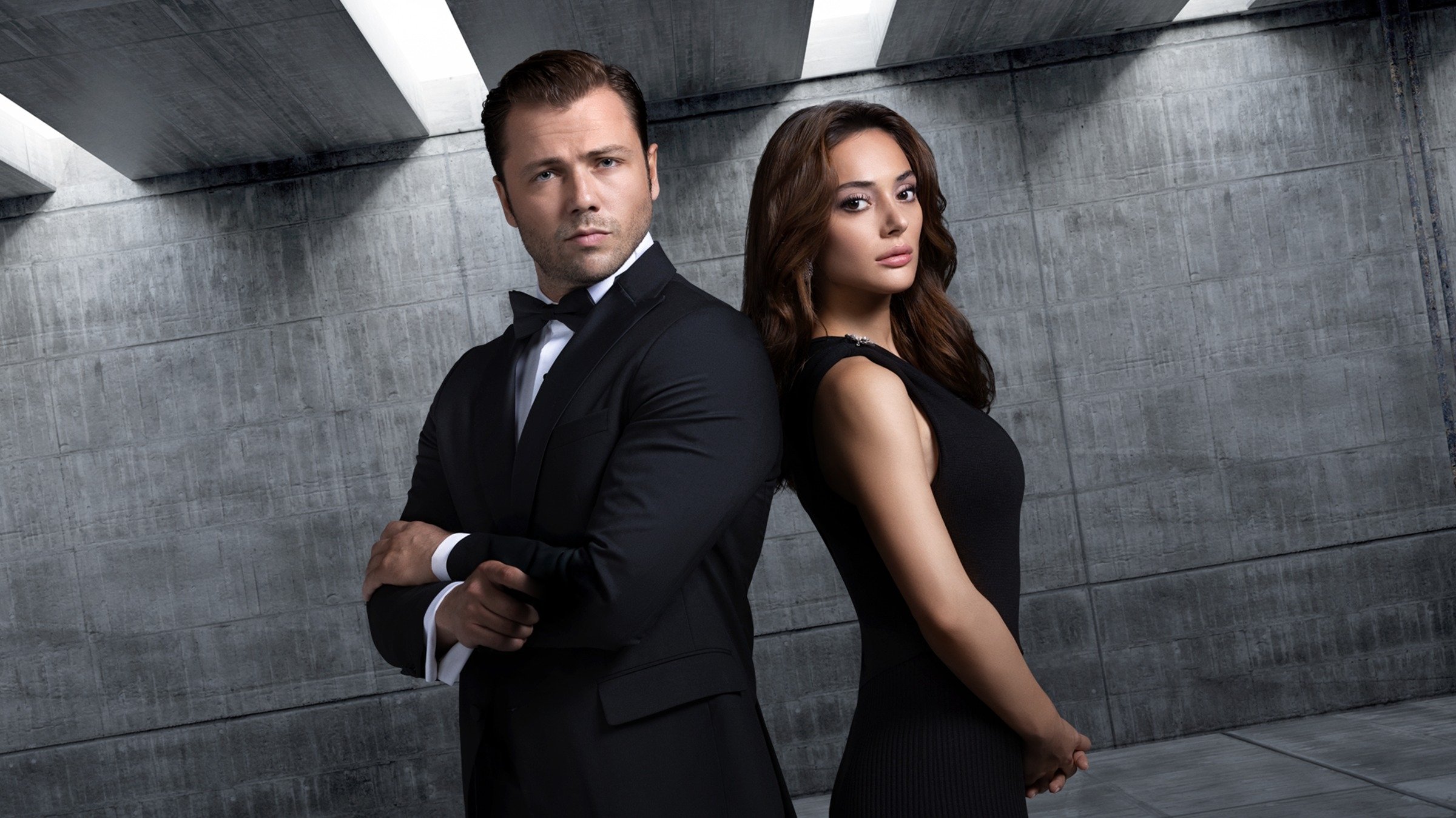
When The Shadow Team debuted on TRT 1 back in March 2021, it arrived at a moment when Turkish television was hungry for intelligent political thrillers that could match the complexity of international espionage dramas. Creator Ethem Özışık understood something crucial: audiences didn’t just want action sequences and plot twists—they wanted to feel the weight of geopolitical stakes, the moral ambiguity of covert operations, and the human cost of protecting national interests. What unfolded over six seasons and 160 episodes became a masterclass in how serialized drama could sustain tension across an entire narrative arc while wrestling with questions about power, loyalty, and the invisible war fought by intelligence agencies.
The show’s foundation rests on a genuinely compelling premise. At its heart lies a shadowy operation targeting what appears to be a coordinated threat against Turkey’s advanced UAV and SIHA programs—the kind of high-stakes technological and military story that could easily become tedious if handled poorly. Instead, Özışık crafted something that elevated the material through character-driven storytelling and moral complexity. The unnamed heroes of the National Intelligence Organization became vehicles for exploring larger questions about institutional power and individual conscience, making every decision feel consequential rather than simply dramatic.
What’s particularly striking about The Shadow Team’s journey is how its 7.2/10 average rating actually tells a more interesting story than a higher score might. The show didn’t coast on early success—it evolved, stumbled, recalibrated, and pushed forward. Consider the trajectory:
- Season 1 (7.1) — A solid foundation that established the universe and hooked viewers with compelling operational sequences
- Season 2 (7.8) — The creative peak, where the writers fully grasped what made the show work and delivered their strongest material
- Season 3 (6.1) — An ambitious but uneven season that attempted escalation, occasionally sacrificing coherence for spectacle
- Season 4 (5.4) — The creative low point, a season many fans view as struggling with direction
- Season 5 (7.2) — A notable recovery demonstrating the showrunners’ ability to listen and course-correct
- Season 6 (5.9) — Ongoing, with the series still finding its footing in a Returning Series status
This isn’t the trajectory of a show coasting on initial popularity—it’s the story of creators wrestling with their material and, more often than not, succeeding in the struggle.
The 120-minute runtime deserves particular attention here. That’s not standard television pacing; that’s a commitment to giving scenes room to breathe, to letting tension build organically rather than relying on quick cuts and artificial momentum. In an era of streamlined episode structures, The Shadow Team operated almost like extended cinema, trusting viewers to stay invested through political discussions, character development, and the slow-burn revelation of operational details. This format choice was risky but ultimately became one of the show’s defining characteristics.
> The show’s willingness to embrace ambiguity about who deserves our allegiance—whether it’s the intelligence apparatus, the government officials deploying them, or the individuals caught in the crossfire—created a viewing experience that lingered long after each season concluded.
The cultural conversation surrounding The Shadow Team extended beyond casual viewership into genuine debates about national security, institutional accountability, and the ethics of covert operations. Viewers weren’t just consuming entertainment; they were grappling with real-world implications about surveillance, technological warfare, and the balance between safety and freedom. That’s the kind of cultural footprint that separates good television from television that actually matters.
Certainly, the show had its critics—and they weren’t entirely wrong about certain narrative stumbles. Season 3’s attempts to escalate operations sometimes strained credibility, and some viewers felt the plotting occasionally confused complexity with coherence. But here’s what’s fascinating: rather than abandoning the show’s core identity, the creators spent seasons four and five rebuilding audience trust by tightening storytelling and refocusing on character arcs that had been partially abandoned in the rush for bigger set pieces.
The decision to return for Season 6 signals something important about The Shadow Team’s place in the television landscape. This isn’t a show that peaked early and then limped toward cancellation. It’s a series that understood its value lay in longevity, in building a mythology that could sustain viewer interest across multiple operational cycles and political scenarios. The National Intelligence Organization’s unnamed heroes continue to evolve, continue to face dilemmas that feel increasingly relevant to contemporary geopolitical tensions.
What makes The Shadow Team endure, ultimately, is Ethem Özışık’s refusal to simplify his own narrative. The show never settled into being simply “the good guys versus the bad guys.” Instead, it persistently asked uncomfortable questions about whether institutions can be trusted, whether individual operators can maintain moral integrity within immoral systems, and whether protecting a nation sometimes requires sacrificing its principles. Those aren’t easy questions, and they don’t have tidy answers—which is precisely why viewers kept returning.
For anyone interested in intelligent political drama that takes both its geopolitical backdrop and its character work seriously, The Shadow Team represents television operating at an ambitious level. With 160 episodes already delivered and more potentially on the horizon, it’s a show that rewards deep engagement and repays viewer loyalty with genuine dramatic stakes.