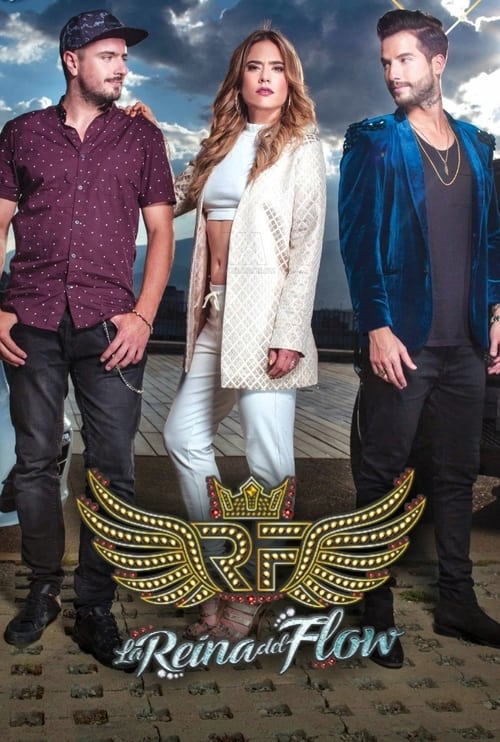
If you haven’t experienced The Queen of Flow yet, you’re missing one of the most compelling dramatic journeys television has offered in recent years. When this series premiered back in June 2018 on Caracol TV, it didn’t just debut another telenovela—it introduced a story so grounded in contemporary struggle and musical passion that audiences worldwide couldn’t look away. What started as a Colombian production has since become a global phenomenon, and honestly, it’s because Andrés Salgado crafted something genuinely special.
The core premise alone is devastating: a talented reggaeton composer from Medellín gets wrongly imprisoned in New York City, her music stolen, her family murdered. But here’s what separates The Queen of Flow from typical revenge narratives—it’s not just about retribution. It’s about artistic identity, survival, and the cost of ambition in a world designed to crush people like Yeimy. The show takes the musical telenovela format and weaponizes it with real emotional stakes and narrative complexity that keeps audiences engaged across 191 episodes and three full seasons.
Why This Show Connected: It taps into something universal—the story of someone with undeniable talent systematically destroyed—while remaining distinctly Colombian and rooted in reggaeton culture in ways mainstream television rarely explored.
The pacing and structure deserve serious credit here. Those 53-minute episodes aren’t filler; they’re meticulously constructed to balance intimate character moments with explosive dramatic turns. Salgado understood that you need time to build real connections with these characters, to let their pain settle into your bones. You’re not watching plot points check off a list—you’re watching lives unfold with genuine consequence. That decision to commit to substantial episode length fundamentally shaped how the story could breathe and develop.
What’s particularly impressive is how the show maintained momentum across its three-season run. Rather than overstaying its welcome or collapsing under narrative weight, The Queen of Flow managed to keep audiences invested with an 8.0/10 rating that reflects genuine appreciation rather than nostalgia. That’s the mark of a production that understood its own story and knew when to escalate, when to introspect, and when to let silence speak louder than dialogue.
- Speaking of cultural footprint—this show genuinely sparked conversations beyond typical television criticism. Consider what it accomplished:
- Centerpiece for reggaeton in mainstream drama – Made the genre and its artists visible in ways Hollywood typically ignores
- Representation of Colombian women – Created a protagonist whose intelligence, artistic skill, and resilience became the focal point
- Prison narratives reimagined – Moved beyond typical prison dramas to explore systemic injustice and artistic theft
- Musical storytelling as narrative device – Used reggaeton compositions as actual plot drivers, not just soundtrack accompaniment
The show became iconic for specific moments that transcended typical television—scenes where Yeimy’s defiance within crushing circumstances felt almost like watching someone’s will crystallize on screen. These moments became part of the broader conversation about how television could handle trauma and resilience with nuance.
When a show maintains audience investment across 191 episodes and returns for new seasons rather than ending definitively, that’s not just longevity—that’s proof the creative vision resonated deeply enough to sustain multiple narrative cycles.
Carolina Ramírez’s performance anchors everything. But what makes the ensemble work so effectively is how Salgado constructed supporting characters with their own moral complexity and narrative weight. Nobody exists just to serve the protagonist’s journey—everyone here is caught in their own versions of the same systemic failures. Yeimy isn’t the only victim in this story; she’s just the one who refuses to stay victimized.
The show’s approach to drama itself deserves analysis. Rather than melodrama for its own sake, The Queen of Flow uses emotional intensity to explore legitimate questions: How do you rebuild identity after someone steals it? What does justice actually mean when systems are corrupt? Can talent and authenticity survive exploitation? These aren’t rhetorical—the show genuinely investigates them across its narrative arc.
- Season One – Establishes the catastrophe and sets up the core conspiracy
- Season Two – Deepens the investigation and complicates alliances, forcing characters into increasingly difficult choices
- Season Three – Expands the scope while tightening the personal stakes
The fact that Netflix picked it up for global distribution speaks volumes. Streaming platforms excel at recognizing when a show transcends its original context, when it’s not just entertaining but culturally significant. The Queen of Flow proved that reggaeton, Spanish-language drama, and a woman-centered revenge narrative could captivate audiences everywhere.
This show’s genius lies in making you believe that justice might actually be possible, then spending 191 episodes exploring how complicated that possibility actually is.
Looking at its Returning Series status, you sense this isn’t finished business. The story continues because Salgado apparently has more to explore, more characters to complicate, more moral questions to wrestle with. That’s either ambition or faith in the material—probably both. For viewers, it means The Queen of Flow remains essential television, a reminder that drama with cultural specificity, authentic musical integration, and character-driven storytelling can reach global audiences without diluting what makes it distinctive.
- If you’ve been sleeping on this one, now’s genuinely the time. There’s a complete arc waiting for you, plus the promise of new chapters yet to come.