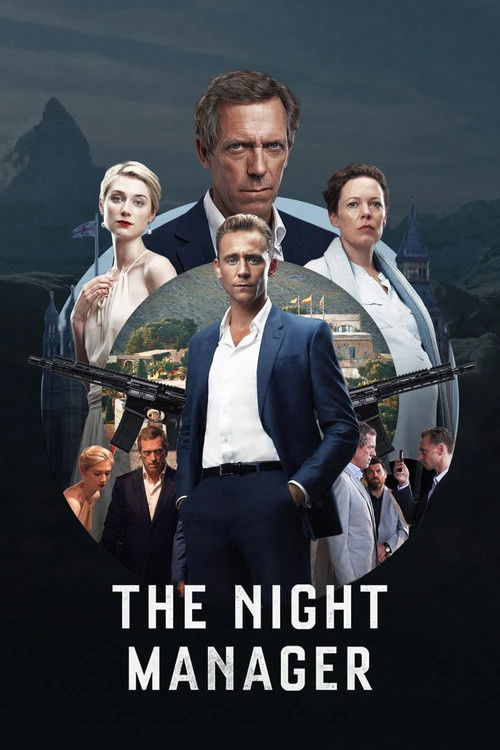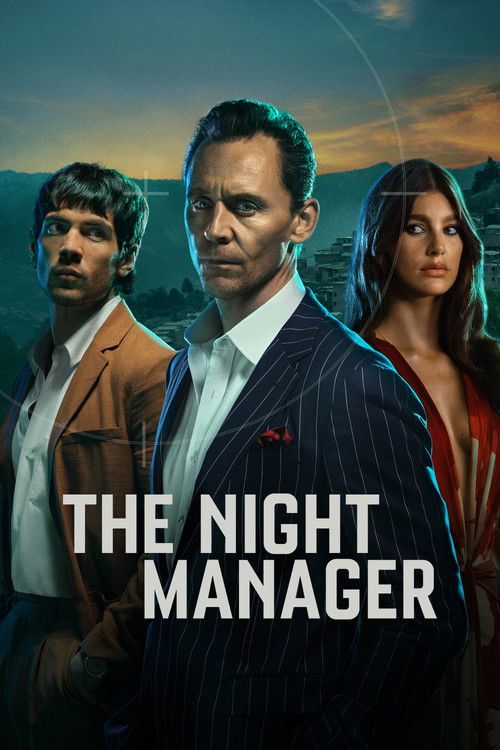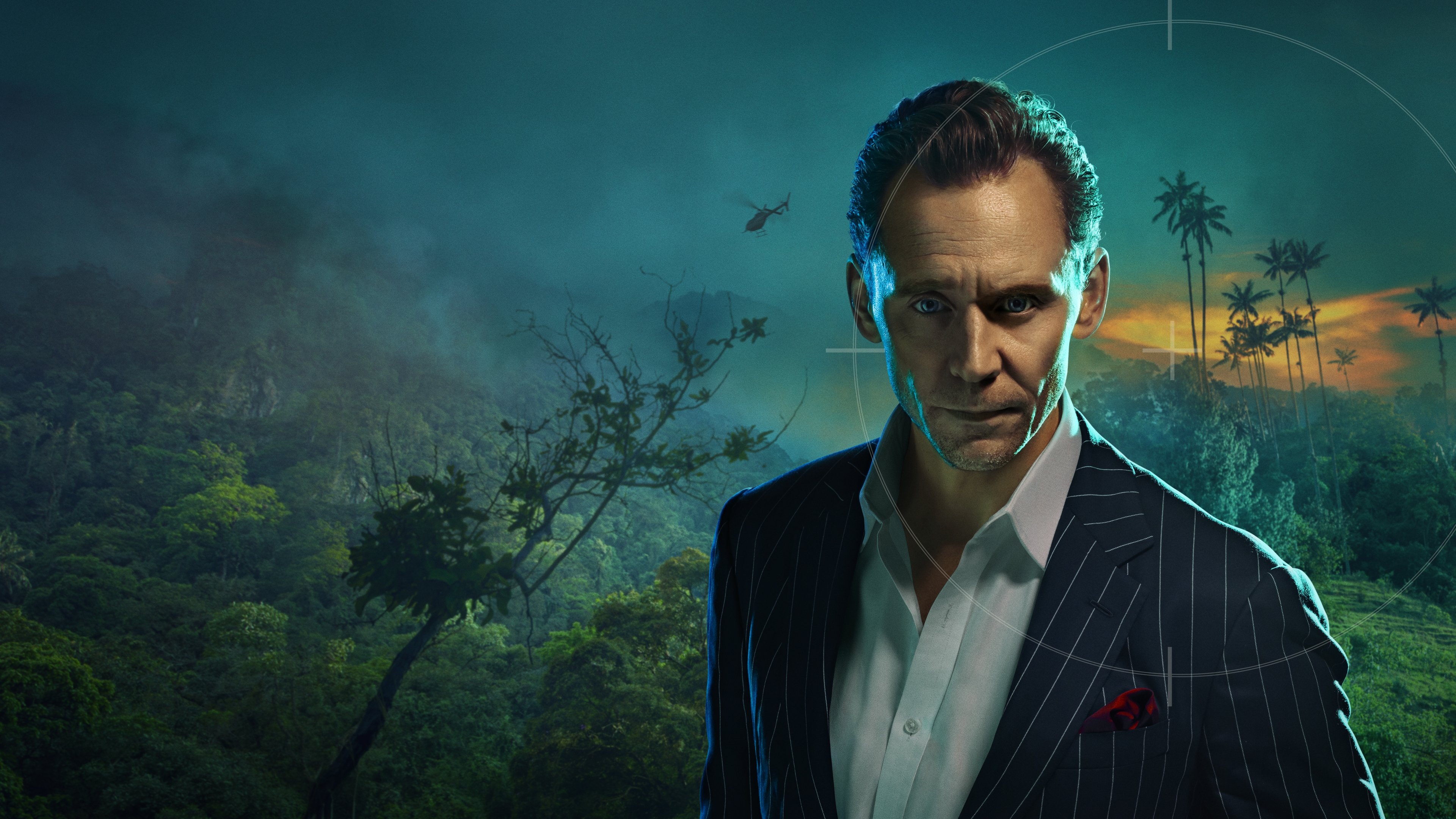
If you haven’t experienced The Night Manager yet, you’re missing out on one of the most sophisticated espionage dramas television has produced. When this adaptation premiered back in February 2016, it arrived with considerable expectations—adapting John le Carré’s beloved novel is no small task—but what David Farr delivered was something that transcended the source material entirely. It became a masterclass in how to translate literary intrigue into visual storytelling, and the ripples of that achievement are still felt in prestige television today.
What makes The Night Manager so compelling is its refusal to play by conventional thriller rules. Rather than rushing through plot mechanics, Farr’s approach prioritizes character development and moral ambiguity in ways that feel remarkably fresh, even by contemporary standards. The show didn’t just present a spy versus criminal narrative; it interrogated the nature of loyalty, corruption, and the costs of operating in shadowy spaces where right and wrong blur beyond recognition. That’s the kind of thematic depth that separates memorable television from forgettable spectacle.
The series unfolded across two seasons containing 12 episodes total, and while that might seem lean compared to other dramas, it speaks to the show’s confidence in its storytelling. Every episode earned its runtime—whether that was a tense 45-minute installment or something that bent the format entirely—because Farr understood that quality outweighs quantity. The 7.8/10 rating it maintains reflects something interesting: not a show that chased universal acclaim, but one that earned deep appreciation from viewers who connected with its specific vision.
> “The Night Manager” delivers on every front—this isn’t merely adaptation, it’s transformation.
The Cultural Impact That Quietly Persisted
When the first season aired, The Night Manager generated exactly the kind of conversation you want around prestige drama. Critics praised its visual sophistication and narrative tension, but audiences found something equally valuable: a show that respected their intelligence. The premiere and subsequent episodes built a mystery that unfolded deliberately, asking viewers to sit with complexity rather than spoon-feeding resolutions. This became a defining characteristic that influenced how subsequent espionage dramas approached pacing and revelation.
The show’s journey through its two-season run revealed something about audience appetite as well. While Season 1 captured immediate attention with its intricate plotting and moral complexity, the series maintained enough narrative momentum to justify its return. The fact that it earned a “Returning Series” status speaks to a dedicated fanbase that clearly valued what Farr was constructing across the arc of the story.
What’s particularly interesting is how The Night Manager infiltrated contemporary discourse about streaming and legacy media. Available on Amazon Prime Video alongside its BBC One origins, it became a bridge between traditional television craftsmanship and the algorithmic accessibility of streaming platforms. That dual presence meant the show could reach viewers across different consumption patterns—traditional broadcast audiences and cord-cutters alike discovered this gem through different pathways.
The Narrative Architecture That Holds
The central mystery gripping viewers across these 12 episodes deserves specific attention. At its core sits the investigation into illegal arms dealing and the shadowy figures orchestrating coups from the shadows. But Farr never allowed this framework to become mere plot scaffolding. Instead, the conspiracy functioned as a vehicle for exploring deeper questions about institutional corruption and individual complicity. Characters occupying seemingly opposite sides of conflicts—heroes and villains alike—found themselves compromised by the systems they operated within.
Key thematic threads woven throughout include:
- The price of betrayal: Nearly every significant character faces the dilemma of choosing personal loyalty versus institutional duty
- The illusion of control: Those who believe they’re orchestrating events discover they’re merely players in larger games
- Moral erosion: Good people gradually compromise their principles, making them unrecognizable by the final act
- The cost of exposure: Revealing truth carries consequences that extend far beyond individual characters
The show’s approach to these themes felt particularly prescient given subsequent years of political and corporate scandals. The Night Manager wasn’t making abstract arguments about corruption; it was showing the machinery of it, the individual decisions that comprise systemic rot, and the impossibility of clean exits once you’re enmeshed in these networks.
Creative Vision Meeting Technical Execution
David Farr’s direction—both in how he structured the narrative and selected his visual language—created an aesthetic that became instantly recognizable. The show operated at a particular tonal frequency: not quite noir, not quite procedural, but something that blended atmospheric tension with character-driven moments of vulnerability. The mysterious runtime structure allowed for episodes to breathe in ways that rigid formats prevent, letting scenes extend until they found their natural conclusion rather than conforming to predetermined commercial breaks.
This flexibility in form supported the show’s thematic ambitions. A conversation in a hotel room could occupy real time, building psychological pressure without artificial cutting. An action sequence could unfold with genuine spatial coherence rather than fragmented chaos. The result felt more cinematic than typical television without sacrificing the intimate character work that makes dramatic television distinct from film.
The performances delivered across both seasons matched this creative ambition, with actors fully inhabiting the moral complexities their characters navigated. The ensemble understood they were participating in something that demanded subtlety—underplaying moments that other productions would over-emphasize, finding authenticity in the spaces between dialogue.
As The Night Manager continues its presence across streaming platforms, its legacy seems secure not as a show that revolutionized television wholesale, but as a demonstration of what becomes possible when ambitious creators treat their medium with respect. It proved that espionage narratives could be intellectually rigorous, that serialized drama could prioritize character over momentum, and that audiences would follow thoughtful storytelling wherever it led. That’s a lesson the industry is still learning.