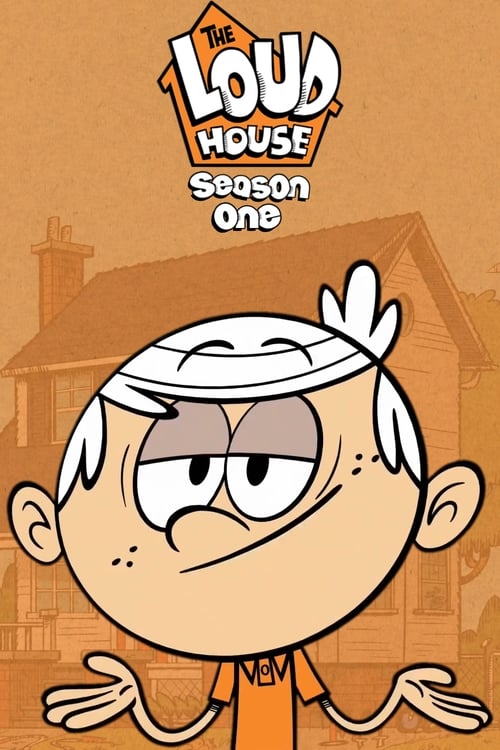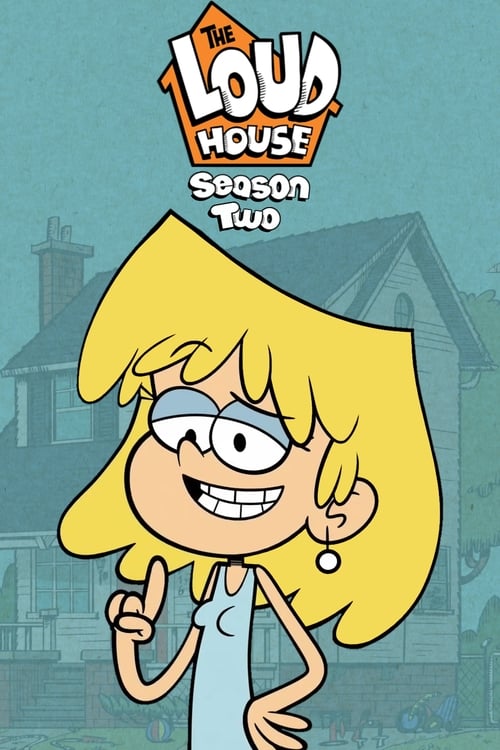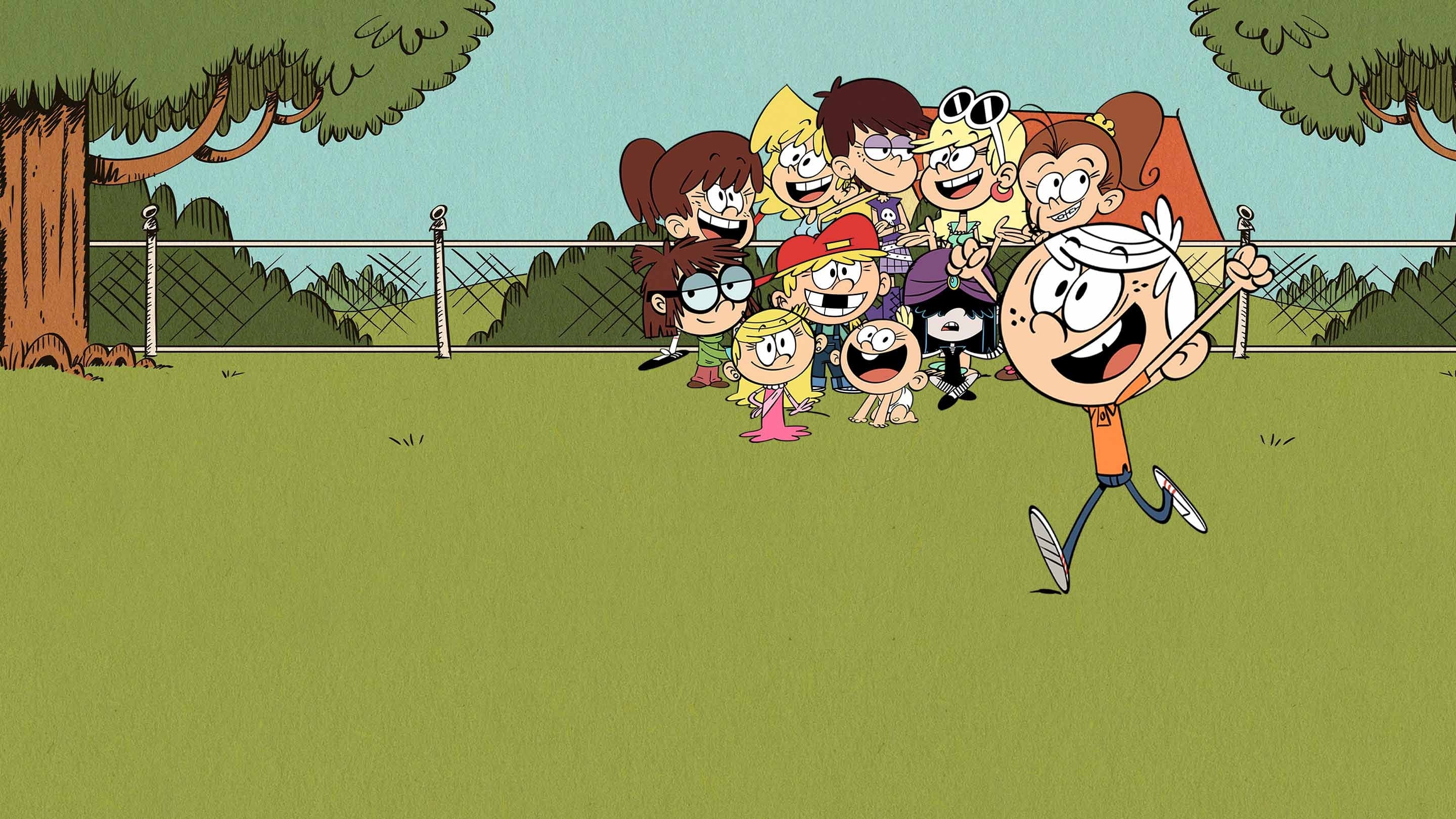
When The Loud House premiered back on May 2, 2016, Nickelodeon was taking a calculated gamble. The network was betting that audiences would connect with a show centered on an 11-year-old boy trying to navigate life in a household absolutely packed with chaos—10 sisters, to be exact. What nobody quite anticipated was that this premise would launch one of the most enduring animated comedies of the 2010s and beyond, eventually spanning 10 full seasons and nearly 400 episodes. The show’s staying power speaks volumes, especially when you consider how quickly the entertainment landscape shifts.
What makes The Loud House remarkable is its commitment to treating its family-comedy setup as genuinely fertile storytelling ground. Creator Chris Savino understood something fundamental: a large family isn’t just a gimmick for sight gags. It’s a microcosm of human relationships, complete with competition, loyalty, compromise, and the kind of messy love that only happens when you’re literally sharing bathroom space with ten other people. The show’s 7.8/10 rating across its run reflects this balance—it’s not universally beloved by critics seeking avant-garde animation, but it’s solidly appreciated by the millions who’ve tuned in because it speaks to something true about sibling dynamics and family life.
The genius of Savino’s vision becomes apparent when you look at how the show handles its 11-minute runtime. This is crucial. In an era where many kids’ shows either stretch premises thin across 22 minutes or compress them into insufferable 7-minute shorts, the 11-minute format became The Loud House’s secret weapon. It’s just enough time to establish a compelling problem, let characters react authentically to it, and reach a resolution that actually means something. You’re not drowning in filler, but you’re also not gasping for breath. This pacing discipline shaped everything—the writing, the character beats, the emotional payoffs.
Consider what the show achieved in terms of representation and cultural conversation:
- It centered a biracial family in a mainstream animated series at a time when that was still relatively uncommon in kids’ programming
- The family composition was genuinely large and diverse—each sister had distinct personality traits rather than being interchangeable
- It tackled real issues: anxiety, body image, identity, disability, and grief, all while maintaining the show’s comedic core
- Lincoln’s character was refreshingly vulnerable—he wasn’t a typical heroic protagonist, but rather a regular kid trying to problem-solve his way through absurd situations
- The show included LGBTQ+ representation, with characters like Clyde’s dads normalized and integrated naturally into the narrative
Over its 10-season journey, The Loud House became something of a cultural touchstone for millennials raising Gen-Z kids. Parents who grew up watching Nickelodeon found themselves sitting through episodes and discovering that the show actually respected their intelligence. The early seasons, particularly Seasons 1 and 2 (which earned 8.0 ratings), established the foundational magic—that sense that every character mattered and every episode could explore genuine emotional territory.
> “Lincoln tries to make Lily act just like him” and “Lincoln’s sisters all want to use his new kiddie pool” might sound like throwaway premises, but they encapsulate what the show does best: taking domestic situations we recognize and letting the comedy flow naturally from character conflict rather than forcing it through non-sequiturs or meta-humor.
The show’s evolution across its run wasn’t without its valleys. If you look at the seasonal ratings arc, you can see the dips—Season 5 dropped to 5.7, Season 4 sat at 6.9—suggesting some narrative fatigue or tonal shifts that didn’t quite land. But here’s where longevity matters: the show didn’t abandon what made it work. Season 7 bounced back to 7.8, demonstrating the creative team’s ability to reassess and recalibrate. That kind of self-awareness and willingness to evolve is rare in animated series.
The technical animation achievement deserves recognition too. Working within the constraints of a kids’ animation budget, the show maintained visual consistency across nearly 400 episodes while still experimenting with different animation styles for specific episodes. The character designs are economical yet expressive—you can read emotion on these characters’ faces because Savino’s team understood that great animation serves the story, not the other way around.
What’s particularly striking is how The Loud House managed to build a franchise without losing its core identity. Spin-offs like Loud House movies and The Casagrandes emerged, but the original series remained the gravitational center. It aired across multiple platforms—Nickelodeon, Netflix, fuboTV, Paramount+—which speaks to its value as a property, but more importantly, it demonstrates genuine audience demand. People actively sought this show out across different viewing ecosystems.
The show’s current status as a Returning Series is telling. It hasn’t been abandoned or concluded; it persists because there’s still something worth exploring in Lincoln’s world. After nearly a decade on the air, that’s no small feat. Most animated comedies either get canceled abruptly or limp toward conclusion. The Loud House has maintained enough creative momentum and audience interest to keep going, which suggests that Savino and his team still have stories to tell.
If you’re a television enthusiast who values character-driven comedy, authentic family representation, and the kind of storytelling that works for both kids discovering it fresh and adults recognizing their own lives in it, The Loud House absolutely deserves your attention. It’s not groundbreaking in the way experimental animation can be, but it’s something perhaps more valuable: it’s consistently, reliably good television that understands its audience and respects their intelligence. In a landscape crowded with content fighting for attention, that kind of steady excellence has become its own form of rebellion.