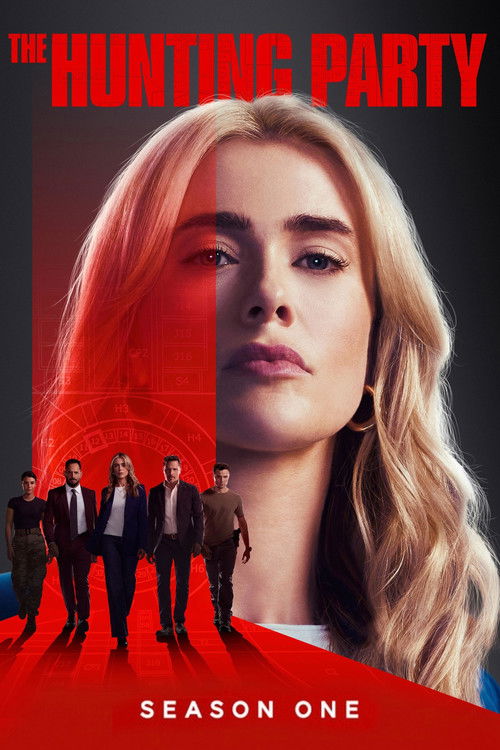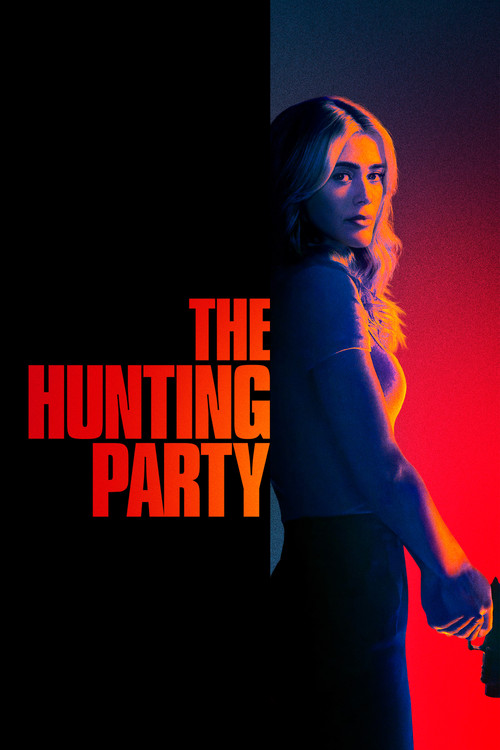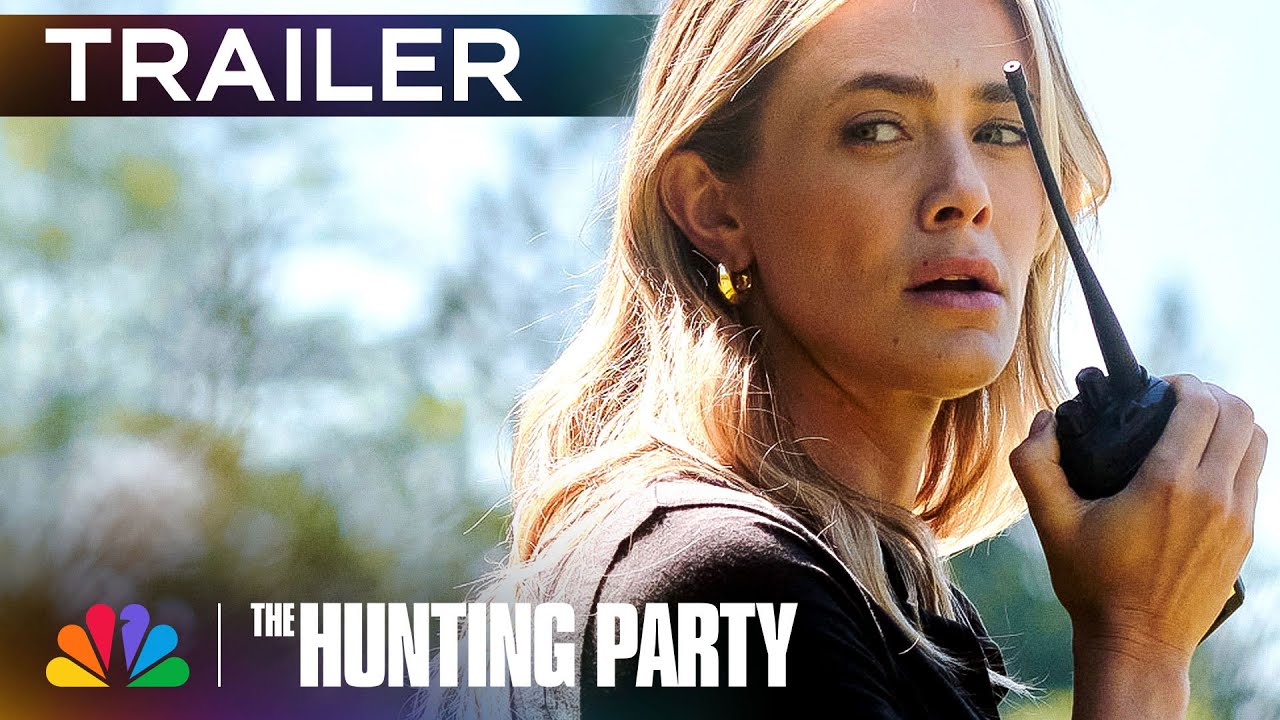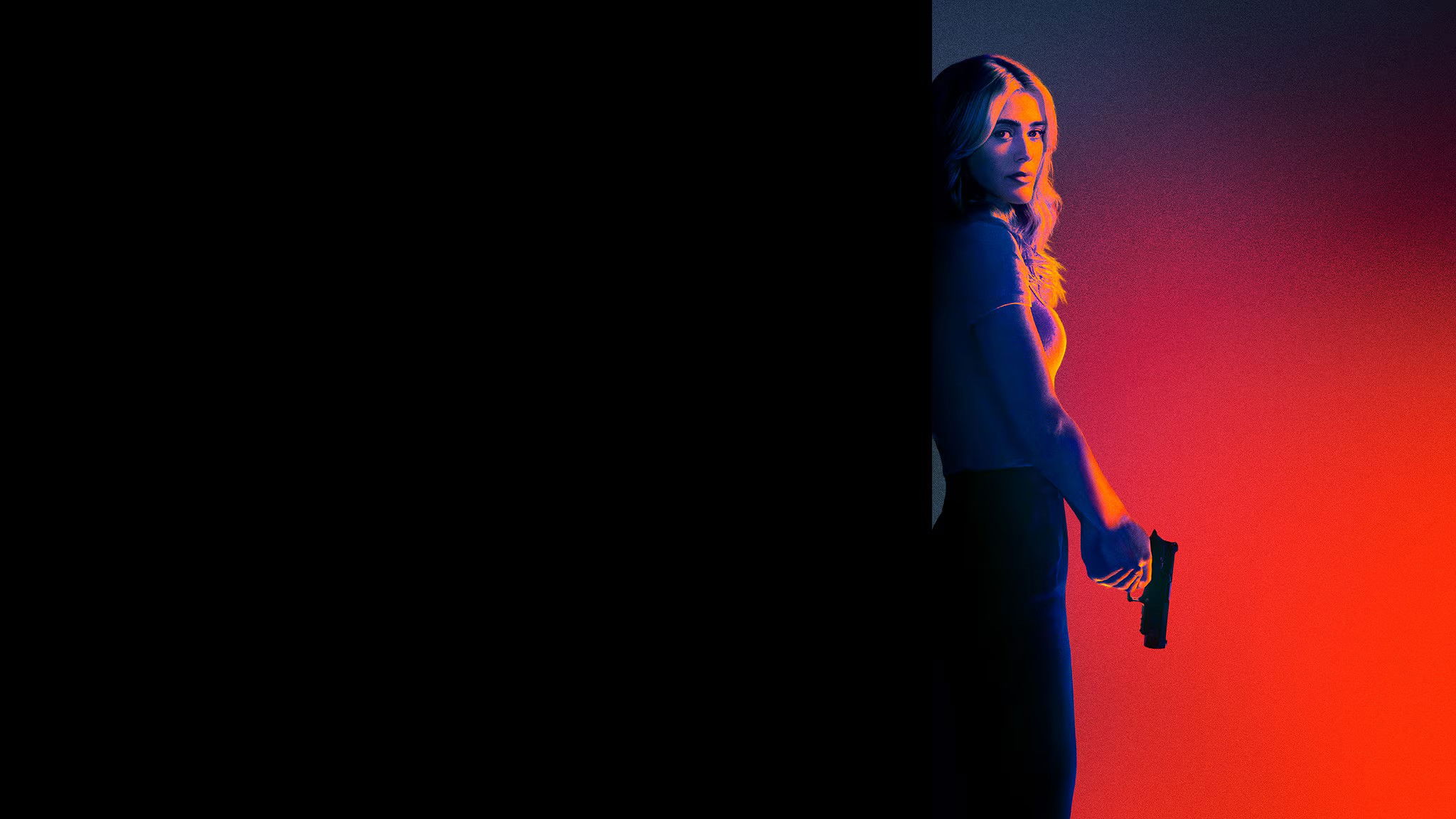
When The Hunting Party premiered on January 19th, 2025, it arrived with an intriguing premise that immediately captured the imagination of crime drama enthusiasts: a specialized team dedicated to tracking and apprehending serial killers. Creator JJ Bailey crafted something that felt both timely and timeless, tapping into the audience’s fascination with psychological crime narratives while attempting to bring fresh perspective to a well-worn genre.
The show’s 43-minute runtime proved instrumental in Bailey’s vision, allowing enough breathing room to develop characters beyond simple archetypes while maintaining the propulsive tension that keeps viewers glued through each episode.
What’s particularly interesting about The Hunting Party is how it navigated the critical landscape despite receiving mixed reviews. The show debuted to the kind of metrics that would typically spell doom for a new series—modest ratings and divided critical reception—yet it found its audience in a meaningful way.
That 6.9/10 rating, while hardly stellar, tells a more nuanced story than initial headlines suggested. There’s something refreshingly honest about a show that doesn’t pretend to be perfect but still manages to capture genuine viewer loyalty.
> The real magic of The Hunting Party lay in its refusal to play it safe, even when traditional metrics suggested it should.
The most fascinating chapter in this show’s journey unfolded in the gap between critical dismissal and audience embrace. While reviewers critiqued execution and pointed to familiar crime drama tropes, audiences rallied behind the series with unexpected enthusiasm. One cast member notably addressed the disconnect between critical reception and viewer support, highlighting an 83% audience rating on Rotten Tomatoes—a striking contrast that revealed something important about how traditional criticism doesn’t always capture what resonates with actual viewers. This dynamic became central to understanding The Hunting Party‘s cultural footprint.
Consider what made the show genuinely compelling despite its flaws:
- Character-driven storytelling: The team dynamics evolved in unexpected ways across the 16 episodes that comprise the show’s first two seasons
- Moral complexity: Rather than straightforward good-versus-evil narratives, the series grappled with the psychological toll of its central premise
- Commitment to consequence: Actions in early episodes meaningfully impacted later storylines in ways that felt earned rather than forced
- Tonal balance: The 43-minute format allowed for moments of genuine quiet alongside intense investigation sequences
The renewal for a second season represented something increasingly rare in contemporary television: a vote of confidence not from ratings metrics alone, but from a network willing to nurture something with potential over proven popularity. This decision proved significant because it acknowledged that television’s value extends beyond the immediate demo numbers that often determine renewal conversations.
The Hunting Party‘s journey from that January 2025 premiere to its current status as a returning series mirrors broader conversations happening in television about how we measure success. When the show averaged a 0.21 rating in demographic terms—sometimes dipping to 0.13—traditional broadcasting logic would have suggested cancellation. Yet NBC recognized something worth protecting. That decision ultimately validated the show’s core audience, numbering over 1.2 million viewers who understood what Bailey was attempting.
The creative achievement here deserves examination beyond standard metrics. Bailey structured each episode to maximize dramatic tension within the constraints of network television, using that 43-minute window to develop investigative procedural elements while never losing sight of character work. The show understood that hunting serial killers is ultimately about the hunters themselves—their obsessions, their breaking points, their moral compromises. This thematic focus gave the series depth that transcended its “unique premise with inconsistent execution” criticism.
What The Hunting Party ultimately accomplished was something subtler than critical acclaim: it built a community. Audiences discovered in the show’s second season that the lessons learned in the first had genuinely shaped the characters and their approach to their impossible work. The series wasn’t concerned with resetting week after week; instead, it committed to actual narrative progression across 16 episodes split across two seasons. That’s a television approach that respects viewer investment in ways increasingly uncommon.
The show’s cultural conversation centered on a specific question: What are we willing to sacrifice in pursuit of justice? This wasn’t merely surface-level thriller rhetoric; it genuinely informed character decisions and plot developments. Moments that seemed like occasional wins came with real costs, and victories often complicated rather than resolved underlying tensions. That thematic consistency, maintained across seasons and 16 episodes, gave audiences something meaty to discuss and analyze beyond plot recaps.
As The Hunting Party continues with its renewal status confirmed, it stands as a case study in how contemporary television success rarely aligns perfectly with traditional measures. The show premiered to skepticism, built loyal viewership through genuine storytelling, and earned its second season through audience advocacy rather than ratings dominance. That’s a remarkable achievement in today’s landscape, and it suggests that JJ Bailey’s vision—imperfect though critics found it—touched something real in its viewers. Sometimes that’s worth more than perfect reviews, and The Hunting Party proved audiences understand that just fine.