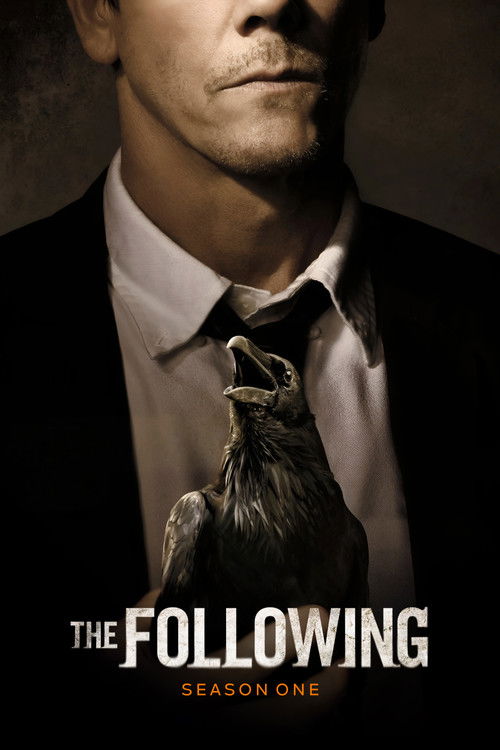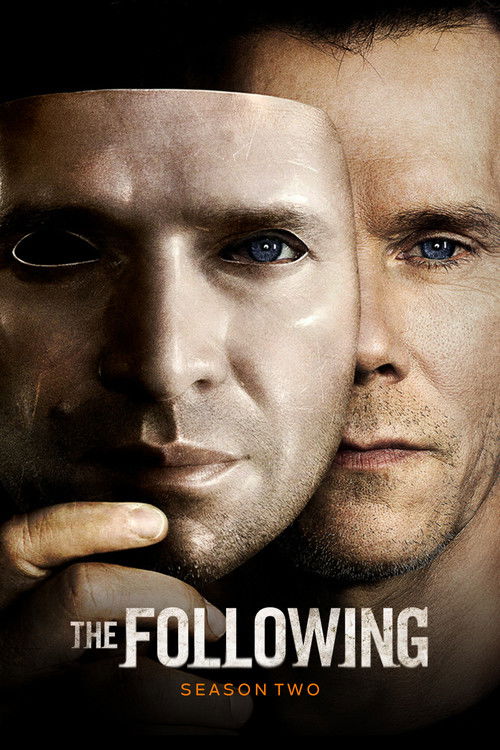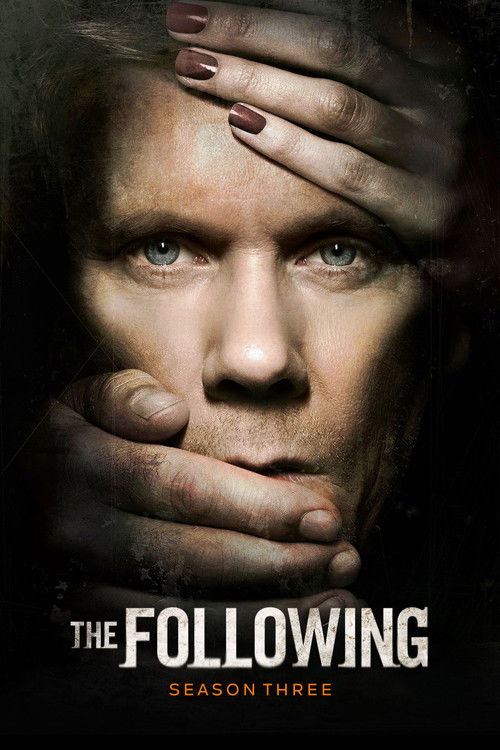
When The Following premiered on January 21, 2013, Kevin Williamson delivered something television audiences weren’t quite expecting: a serialized crime thriller that treated its central conflict like a psychological chess match rather than a procedural puzzle to be solved in forty-three minutes. The show dropped viewers directly into the obsession between FBI Agent Ryan Hardy and the brilliant, manipulative serial killer Joe Carroll—and that relationship became the beating heart of everything that followed. This wasn’t about solving crimes so much as it was about two men locked in an intimate battle of wills, and that distinction fundamentally shaped how television approached the crime-drama genre.
What made The Following so compelling during its three-season run was Williamson’s willingness to embrace serialized storytelling at a time when network television was still learning how to do it effectively. Rather than resetting each week, the show built momentum across its 45 episodes, allowing consequences to accumulate and character relationships to deepen in ways that felt genuinely earned. The 43-minute runtime became a tool for tension rather than a constraint—Williamson used that space to linger in scenes, to let paranoia breathe, to make viewers sit with the uncomfortable intimacy of Hardy and Carroll’s dynamic.
> The show’s greatest achievement was understanding that the most dangerous relationship isn’t between a hero and a villain—it’s between two people who understand each other too well.
The cultural moment The Following created was significant and worth revisiting. When the series debuted, it generated enormous conversation around the nature of obsession, cult mentality, and how charismatic individuals manipulate followers. The premise itself—a serial killer whose disciples operate throughout the country—felt disturbingly prescient. Audiences were genuinely frightened by Joe Carroll, not just as a villain but as an embodiment of the kind of charismatic predator we should all recognize and fear. The show sparked important discussions about how intelligence and attractiveness can mask monstrosity, and how the line between devotion and delusion can disappear entirely.
The ensemble that formed around the central conflict deserves recognition:
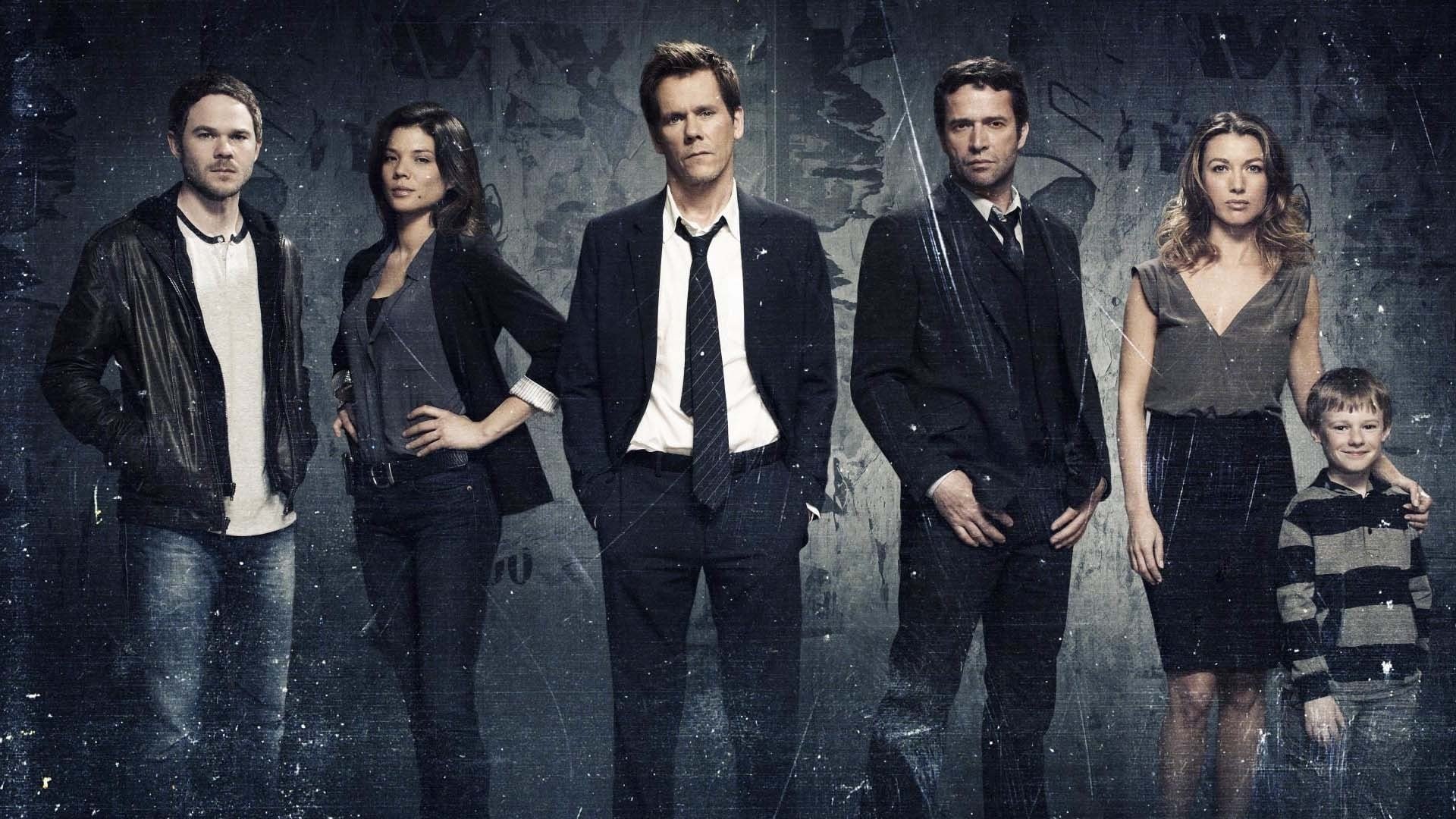
- James Purefoy as Joe Carroll created one of television’s most magnetic monsters—a man who was dangerous precisely because he was articulate, sophisticated, and genuinely loving (in his utterly twisted way)
- Kevin Bacon as Ryan Hardy brought a weathered desperation to the role, playing a man simultaneously hunter and hunted
- Shawn Ryan, Natalie Zea, and the rotating cast of followers and FBI agents provided texture and stakes
- Supporting characters like Roderick and Claire added layers of moral complexity that elevated the storytelling beyond simple cat-and-mouse dynamics
The show did stumble as it progressed. By the time it wrapped after three seasons, viewership had shifted—the initial ratings of 17.1 million viewers across all platforms gave way to declining numbers, and ultimately a 6.9/10 average rating reflects a show that some audiences found occasionally uneven in its execution. Not every plot twist landed perfectly, and some character decisions felt designed purely for shock value rather than organic development. But here’s the thing: those criticisms don’t diminish what The Following accomplished in its boldest moments.
What television learned from The Following extends beyond just the show itself. It demonstrated that audiences were hungry for interconnected storytelling on network television, that they’d commit to serialized narratives if the character work justified it. The show proved that crime dramas didn’t need to focus solely on puzzle-solving—that the psychological dimensions of obsession and pursuit could anchor an entire series. Shows that came after, from Hannibal to Mindhunter, were working in territory The Following had already begun to map out.
The streaming availability on Netflix has actually given the show a second life, allowing new audiences to discover it without the week-to-week anticipation that made earlier seasons occasionally frustrating. Binge-watching The Following creates a different experience than it did on FOX in 2013—the accumulated dread feels more concentrated, the patterns of manipulation clearer, the relationship between Hardy and Carroll even more claustrophobic and intense.
What endures about The Following, despite its cancellation and mixed critical reception, is the fundamental brilliance of its central concept. A serial killer who doesn’t want to evade justice but rather to be understood—that’s a powerful, complicated idea. It challenges the usual crime-drama formula where the criminal is merely evil and the detective merely good. Williamson understood that the most compelling narratives happen when the lines blur, when heroes and villains share more common ground than viewers want to admit.
The show burned bright and intense across those 45 episodes, reaching creative peaks that matched anything on television at the time. Its legacy isn’t about perfect execution or sustained popularity—it’s about a creator taking a genuine creative risk with network television, about performances that commanded attention, and about a premise that fundamentally understood something true about human psychology and connection. For anyone interested in how television evolved in the 2010s, The Following remains essential viewing.