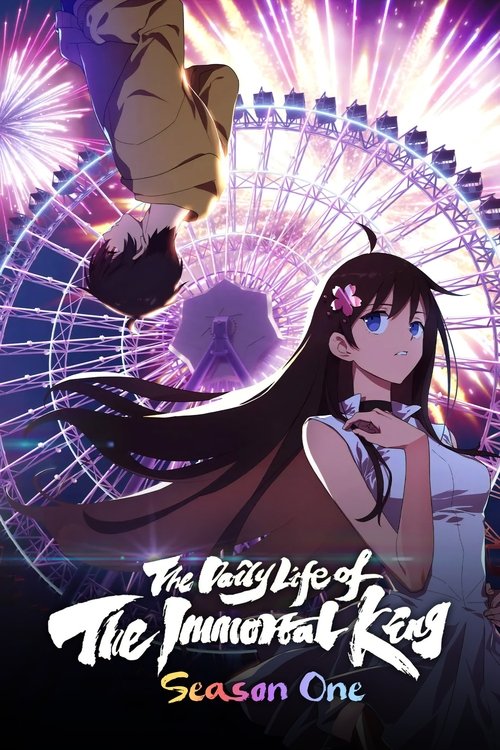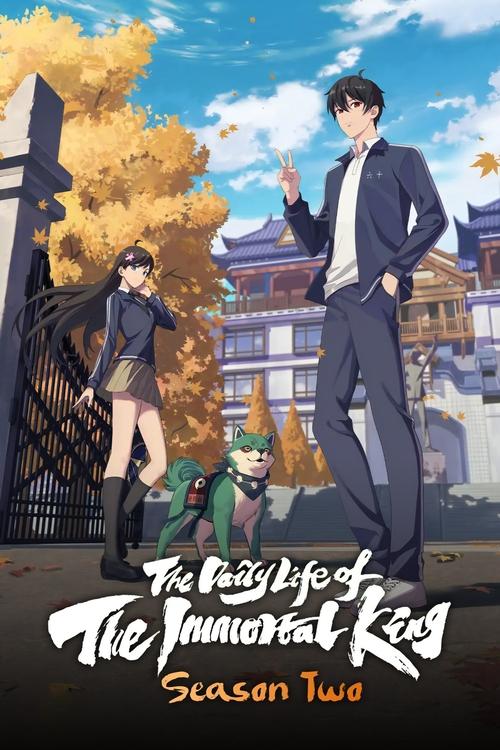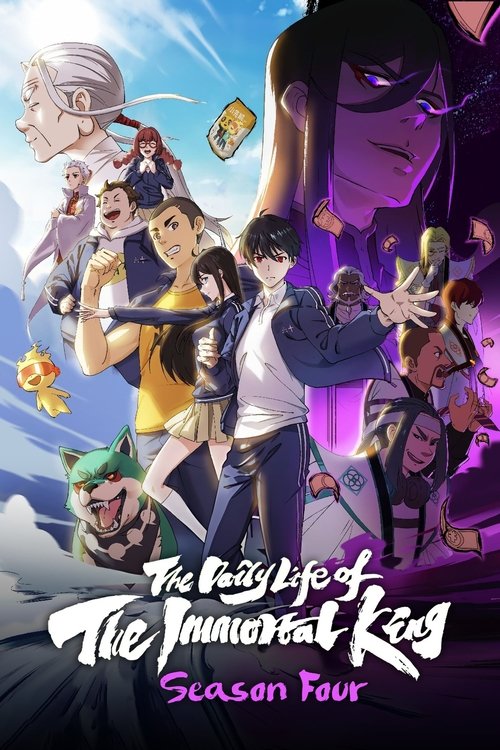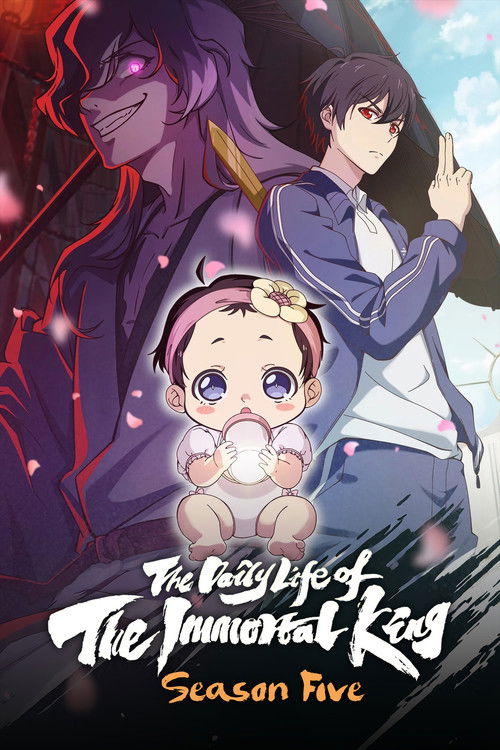
If you want to understand why The Daily Life of the Immortal King has become such a beloved fixture in the anime landscape, you really need to appreciate the sheer audacity of its central conceit. Here’s a show that takes one of the most well-worn premises in fantasy storytelling—the overwhelmingly powerful protagonist—and asks a genuinely fresh question: what if that person just wanted to be normal? When it debuted on January 18, 2020, creator Xuan Ku didn’t just deliver another isekai-adjacent adventure. Instead, they crafted something that felt like a breath of fresh air in a saturated market, and audiences responded enthusiastically, propelling the series across five seasons and 63 episodes of pure comedic brilliance.
What makes this show exceptional is how it weaponizes that premise. Wang Ling, our protagonist, isn’t just powerful—he’s basically invincible. He vanquished a demon at age six. He can reshape reality with a thought. And yet, as a sixteen-year-old trying to navigate senior high school, he’s hilariously vulnerable in ways that matter: social awkwardness, romantic confusion, and the desperate desire to fit in. This inversion of traditional power fantasy storytelling became the show’s greatest strength, and it’s why viewers kept coming back for more.
> The show’s brilliance lies in understanding that comedy emerges from context, not just absurdity. A god-like being struggling with algebra isn’t funny because gods can’t do math—it’s funny because we recognize that universal anxiety in ourselves.
The 18-minute runtime was absolutely crucial to this show’s identity. By necessity, episodes needed to punch above their weight in terms of pacing and comedic timing. Xuan Ku’s team couldn’t afford dead air or bloated arcs. Every moment had to count, which meant the humor came rapid-fire, the action sequences were kinetic and snappy, and the emotional beats landed with precision. That constraint became a creative superpower. Rather than diluting jokes or stretching out storylines, the writers learned to maximize impact within those tight parameters.
The show’s trajectory over five seasons tells a fascinating story about audience trust and creative evolution:
- Season 1 (7.9/10) – Established the premise and proved the concept worked, introducing audiences to Wang Ling’s ridiculous dilemma
- Seasons 2-3 (both 8.4/10) – Found its footing, expanded the supporting cast, and deepened character relationships beyond the initial gag
- Season 4 (8.5/10) – Pushed the stakes higher while maintaining the comedic heart that made people care
- Season 5 (9.4/10) – A stunning crescendo that reminded everyone why they fell in love with this series in the first place
That final season rating is particularly telling. After five years, this show didn’t coast on nostalgia or familiarity—it improved. That’s remarkably rare in television, especially in animation where production demands can lead to quality fluctuations.
There’s something culturally significant about how The Daily Life of the Immortal King became a lightning rod for discussions about what audiences actually want from their heroes. The broader shift toward “overpowered protagonist” stories was already happening when this show aired, but most took it as an excuse for power-fantasy fulfillment. This show took it as a problem to explore. What if being all-powerful was exhausting? What if you actually wanted challenge, genuine friendship, or someone who didn’t know what you were capable of? These questions sparked genuine conversations in fan communities about agency, identity, and whether strength really correlates to happiness.
The show’s animation style—playful, expressive, willing to shift tone and visual language dramatically within a single episode—became iconic in its own right. Comedy anime can be hit-or-miss depending on whether the visual language supports the jokes, and The Daily Life of the Immortal King nailed this integration completely. Character designs are distinctive without being off-putting, action sequences have genuine weight when they matter, and comedic visual gags were timed perfectly. That balance didn’t happen by accident; it reflects Xuan Ku’s vision of blending multiple genres (Comedy, Action & Adventure, Sci-Fi & Fantasy) into something cohesive rather than scattered.
What became genuinely iconic about the show:
- Wang Ling’s ongoing quest to be treated as an ordinary person while casually reshaping reality
- The chemistry between Wang Ling and his friends, who gradually learned to appreciate his weirdness
- The running gag of him trying to hide his powers while literally everything goes wrong in the most hilarious ways
- Moments where the show would shift into genuinely touching character development without losing its comedic edge
The fact that the series is tagged as “Returning Series” and continues to find homes on both Crunchyroll and Amazon’s platform speaks volumes about its sustained appeal. This isn’t a show that burned bright and fast—it’s maintained an 8.3/10 rating across its entire run while actually improving creatively. In an era where streaming has fragmented audiences and attention spans are contested, that’s not just success. That’s testament to storytelling that genuinely connected with people.
What really deserves recognition is how The Daily Life of the Immortal King proved you don’t need massive budgets, dramatic serialization, or conventional narrative arcs to create something that endures. You need a killer premise, creators who understand what makes that premise special, and the restraint to serve the story rather than bloat it. Xuan Ku understood that, and five seasons later, audiences are still discovering why this ridiculous, heartfelt, absurdly clever show deserves a permanent place in your watchlist.