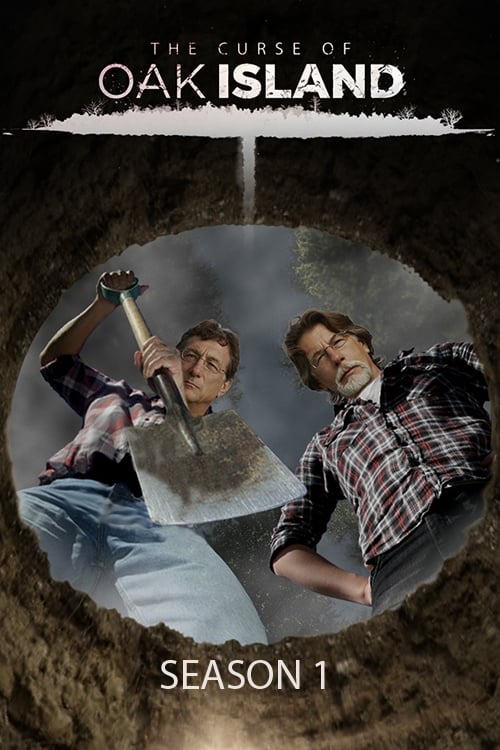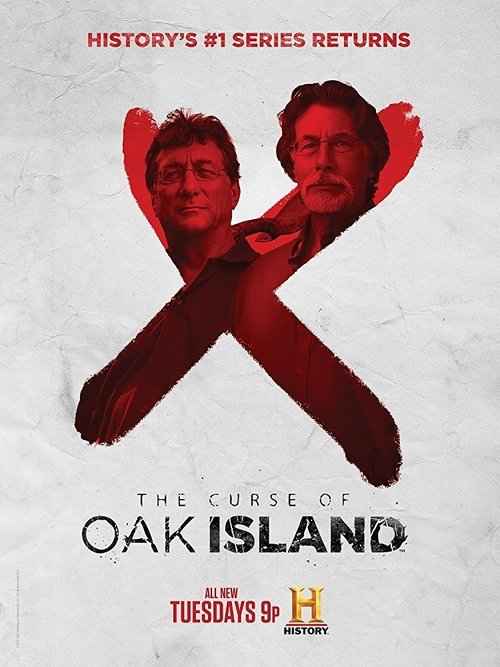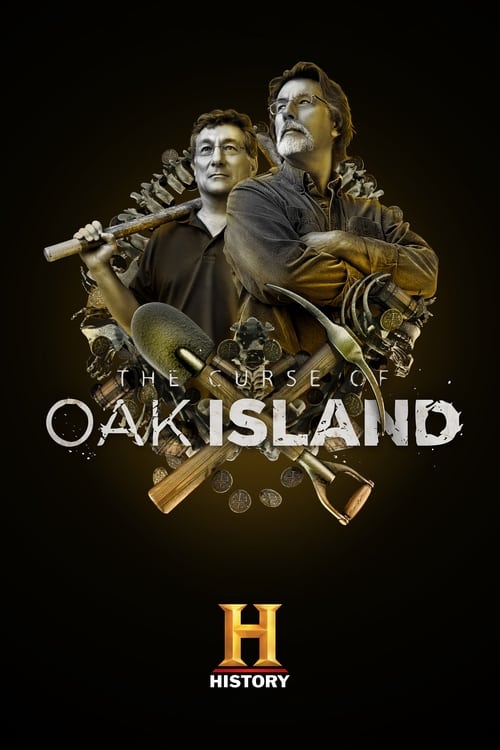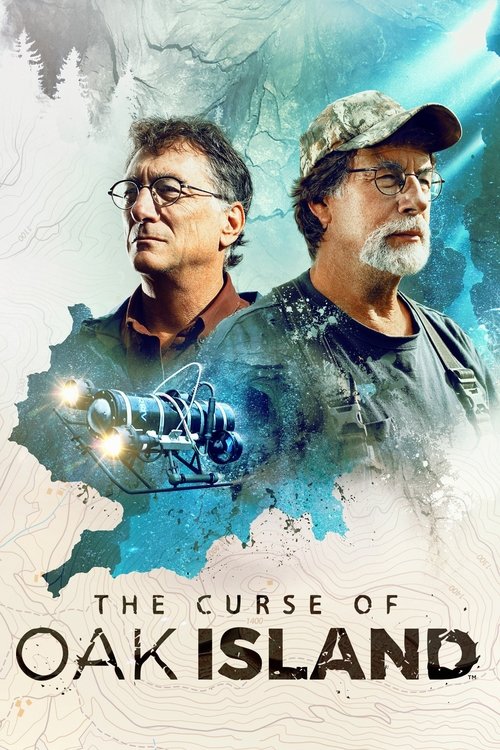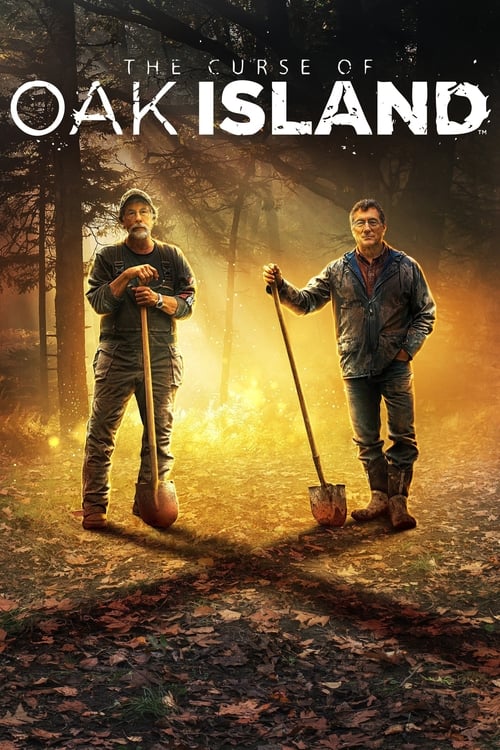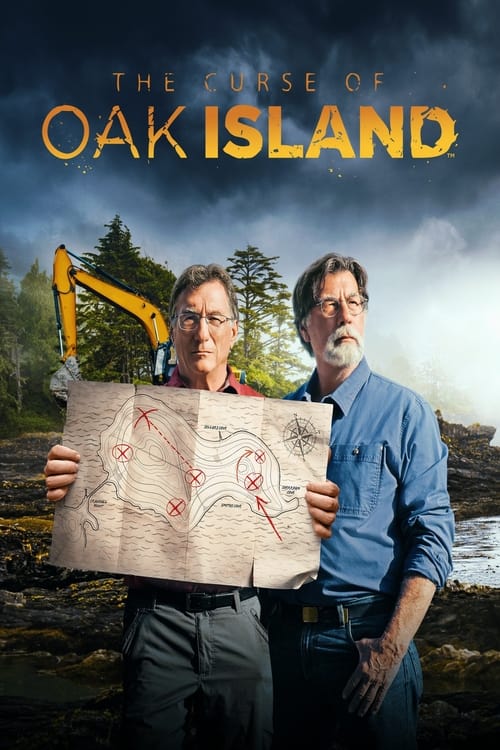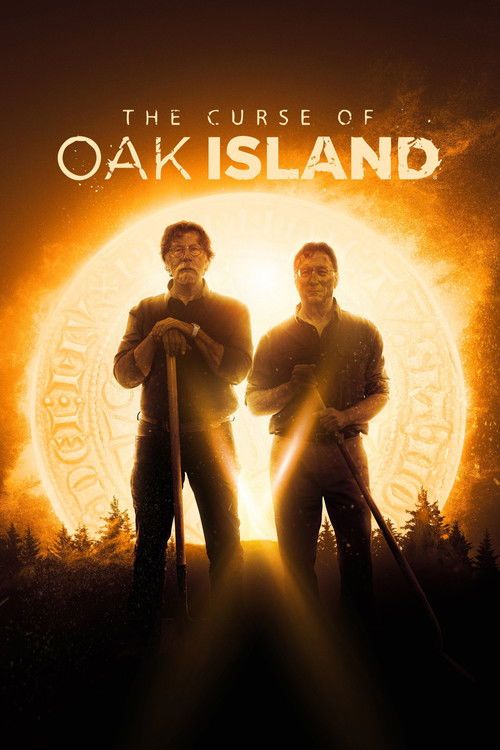
When The Curse of Oak Island premiered back in 2014, nobody could have predicted it would become the phenomenon it is today. Kevin Burns created something deceptively simple on the surface—a documentary following treasure hunters exploring an island off Nova Scotia—but what emerged was a masterclass in building narrative tension across an ensemble cast and an actual geographic location. What makes this show genuinely remarkable is how it transformed the reality-documentary format into something that feels almost like an archaeological thriller, complete with genuine stakes, mounting evidence, and that perpetual cliffhanger that keeps viewers coming back.
The brilliance of Burns’ vision becomes clearer the longer you sit with the show. Rather than relying on manufactured drama or scripted interactions, he understood that the real drama exists in the pursuit itself. The 43-minute runtime perfectly accommodates this—it’s long enough to dig deep into actual findings and scientific analysis, yet tight enough to maintain momentum and urgency. Each episode becomes a miniature investigation that builds toward season-long arcs of discovery, creating a structure that respects both the intelligence of the audience and the complexity of the work being undertaken.
What sets this show apart from typical treasure-hunting fare:
- The integration of actual historical research alongside modern technology and methodology
- A team dynamic that feels genuinely collaborative rather than hierarchical or competitive
- The willingness to explore dead ends and false leads as part of the legitimate investigative process
- Consistent involvement of credible experts and archaeologists who lend authentic weight to discoveries
- The show’s commitment to the island’s actual history beyond just treasure hunting
With 244 episodes across 14 seasons, The Curse of Oak Island has constructed an elaborate mythology while remaining grounded in documented historical facts. That’s no small feat. The show manages the rare balance of being both a genuine documentary effort and compelling television entertainment. Its 7.3/10 rating actually reflects something interesting about modern audiences—it’s a show that commands fierce loyalty from its core viewers while remaining somewhat divisive among critics who debate whether the payoff justifies the extended runtime and multiple-season investment.
The cultural footprint this show has established is genuinely significant. It sparked renewed interest in treasure hunting, maritime history, and archaeological methodology among mainstream audiences who might otherwise never engage with these subjects. Conversations about the Templar connection to North America, the Money Pit’s geology, and the actual viability of treasure hunting became dinner table discussions. Memes emerged. The cast members became recognizable personalities. Suddenly, terms like “bobby dazzler” entered the vernacular of television enthusiasts, becoming shorthand for the show’s particular approach to discovery and excitement.
> The show’s true achievement lies not in whether it ultimately “solves” Oak Island, but in how it’s transformed the investigation itself into narrative art worth following for over a decade.
What’s particularly clever about Burns’ approach is how he understood the episodic nature of ongoing investigation. Unlike shows that wrap up mysteries neatly, The Curse of Oak Island embraces the reality that genuine archaeological work is slow, methodical, and often inconclusive. Yet rather than this becoming tedious, it becomes genuinely suspenseful. You’re watching intelligent people apply rigorous methods to an actual historical puzzle, and the show trusts its audience to find that inherently compelling.
The Returning Series status speaks volumes about the show’s endurance in an increasingly crowded television landscape. Fourteen seasons is a remarkable achievement for a reality documentary series. That longevity suggests the show has successfully maintained enough momentum and discovery to justify continued investment from both its network and its audience. The availability across multiple platforms—Amazon Prime Video, Philo, History Vault, and various streaming channels—indicates that it’s become a genuine cultural property with demonstrated audience appetite.
The show’s evolution across its run:
- Early seasons established the core mythology and team dynamic
- Middle seasons expanded the investigation’s scope and scientific rigor
- Recent seasons have incorporated increasingly sophisticated technology and methodology
- Throughout, the fundamental appeal of the search has remained consistent
What deserves recognition is how the show handles the tension between skepticism and hope. The team members, particularly the Lagina brothers driving the investigation, balance genuine optimism about discovery with an intellectual honesty about the challenges involved. This creates a fascinating dramatic dynamic—you’re not watching people convinced they’ll find buried treasure, but rather people genuinely uncertain about what they’ll find next, pursuing the investigation with methodological rigor. That’s genuinely compelling television.
The aesthetic of the show also contributes to its appeal. The Nova Scotia landscape itself becomes a character—moody, challenging, visually striking. The 43-minute episodes allow for atmospheric storytelling alongside technical investigation. You get moments of genuine beauty and contemplation mixed with the excitement of discovery, creating tonal variety that prevents the show from becoming repetitive despite its essentially repetitive structure of dig-find-analyze-continue.
For viewers seeking something that respects their intelligence while delivering genuine entertainment value, The Curse of Oak Island represents a successful model for the reality-documentary space. It proves that you can make compelling television from authentic investigation, that audiences will follow an ongoing mystery across multiple seasons, and that the journey of discovery can be more engaging than the destination. Whether or not the show ultimately solves the riddle of Oak Island becomes almost secondary to the quality of the investigation itself—and that’s precisely why it has endured so successfully.