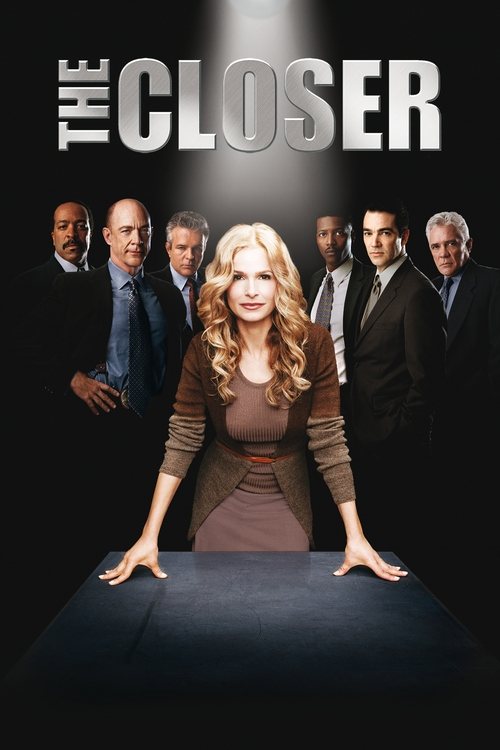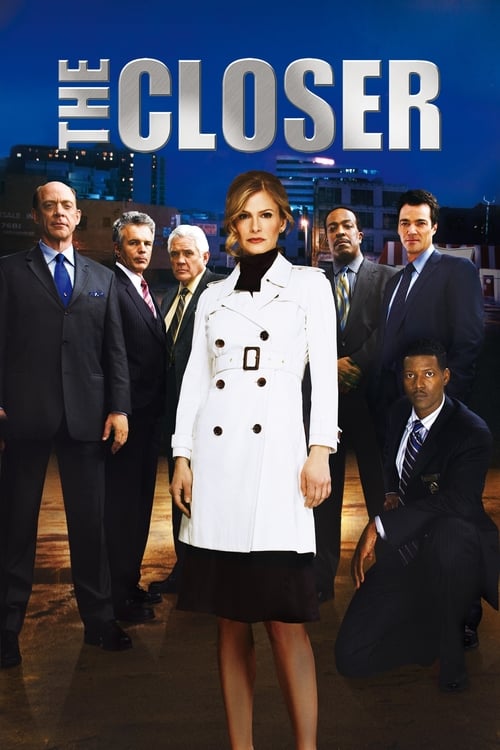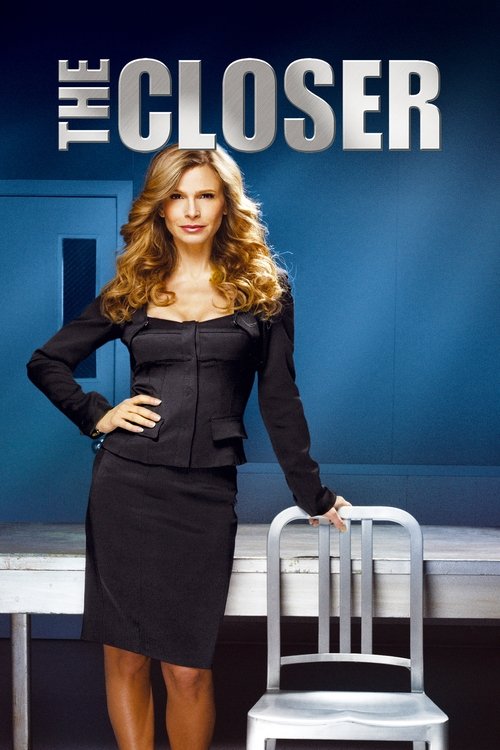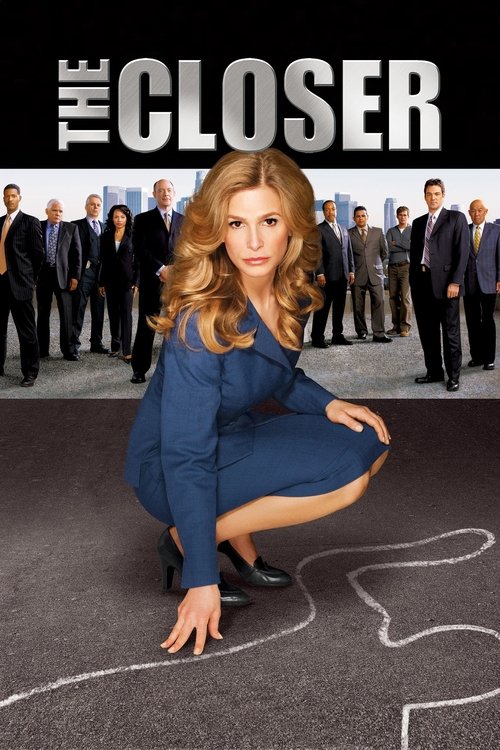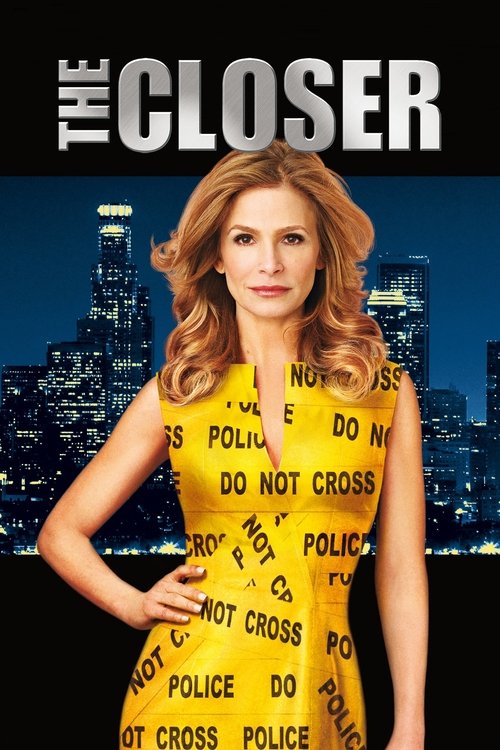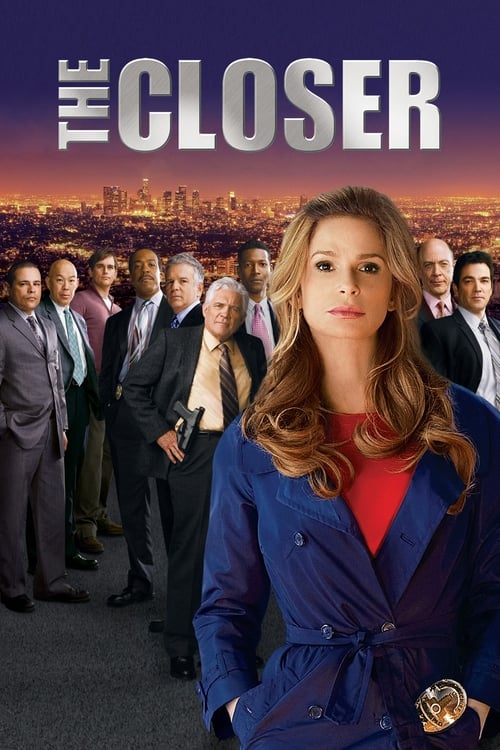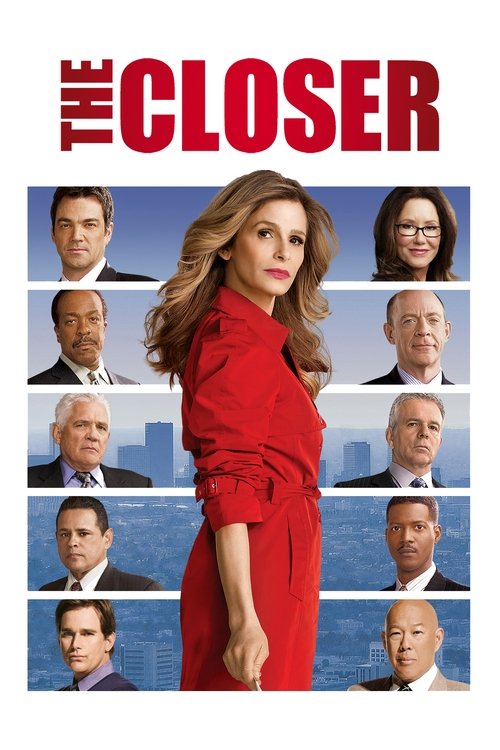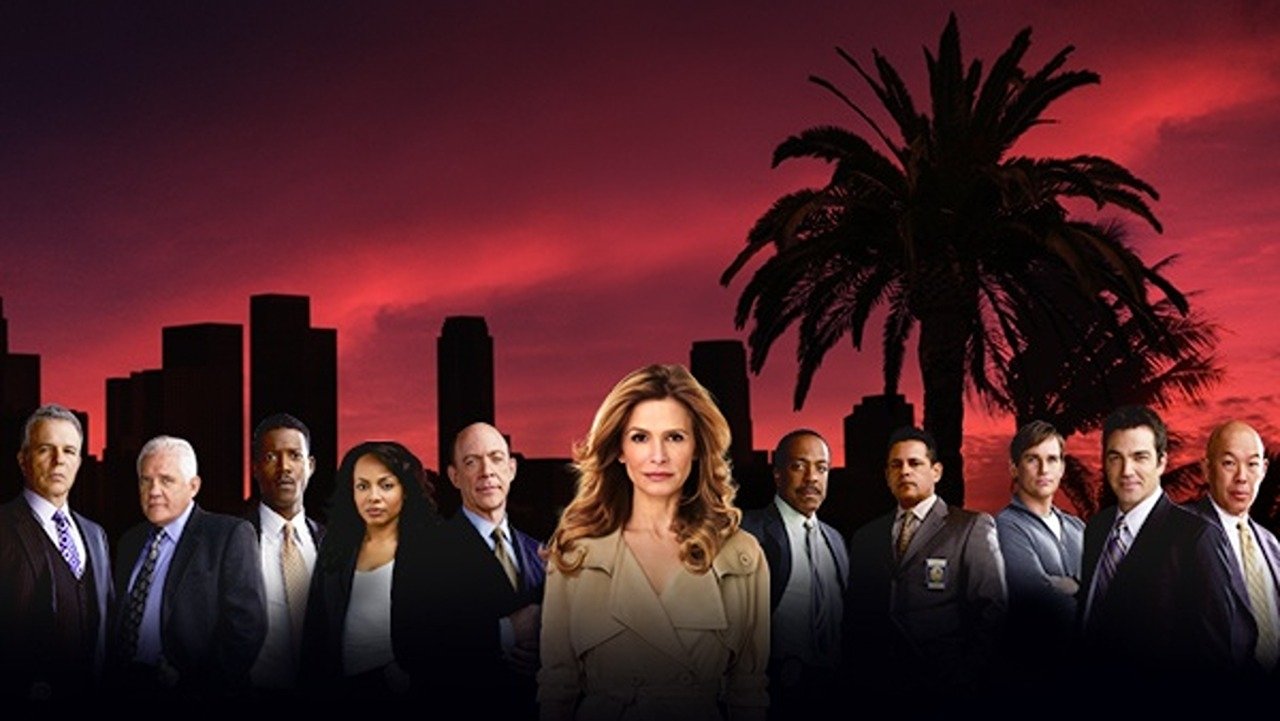
If you want to talk about a show that genuinely understood how to evolve within the constraints of network television, The Closer deserves to be in that conversation. When it premiered on TNT in 2005, it arrived with a deceptively simple premise: a tough-as-nails deputy chief from Atlanta transfers to Los Angeles and immediately rubs everyone the wrong way. But what creators James Duff and Michael M. Robin actually delivered was something far more layered—a character study wrapped inside a procedural that kept audiences invested for seven full seasons and 109 episodes. The show built itself into a reliable ratings draw, and that 7.9/10 rating isn’t just a number; it reflects genuine affection from viewers who stuck with Brenda Johnson through her entire journey.
What made The Closer stand out in the crowded crime drama landscape was its willingness to make its protagonist genuinely difficult to like at first. Here was this woman arriving in Los Angeles with a thick Southern accent, questionable interpersonal skills, and a tendency to manipulate crime scenes and her own team to close cases. In an era when many procedurals leaned into likable heroes, The Closer asked audiences to embrace someone who was sharp, morally gray, and unapologetically flawed. That took real creative confidence, and it’s exactly why the show resonated so deeply.
The structural brilliance of the show lies in how it used its 46-minute runtime. Rather than padding cases with unnecessary subplot clutter, each episode moved with purposeful momentum. You got roughly 42 minutes of lean storytelling that allowed character development and case progression to happen simultaneously. There was never a sense that the show was wasting your time—every scene built toward something, whether that was closing a murder or understanding another layer of Brenda’s psychology. That tightness became The Closer’s signature, and it’s part of why episodes like “To Protect & To Serve” from Season 2 still resonate with fans as standout entries.
The show’s first season made its cultural mark immediately, but what’s fascinating is how The Closer managed sustainable growth across its run. The ratings graph tells an interesting story—yes, viewership declined from that initial 620,000 in Season 1, but the show maintained a passionate core audience that TNT clearly valued. By the time the series reached its seventh season, it wasn’t about raw numbers anymore; it was about a show that had earned its ending on its own terms. That’s increasingly rare in television, and it speaks to how well Duff and Robin understood their creation.
> The Closer didn’t try to be everything to everyone. It was specifically about how ambition, intelligence, and loneliness intersect in the career of one woman, and that singular focus became its greatest strength.
What the show actually achieved in the Crime, Drama, Mystery space was a reframing of the procedural genre itself. Rather than treating cases as the primary narrative engine, The Closer positioned them as vehicles for character exploration. You weren’t just solving murders—you were watching how Brenda solved them, and what that cost her personally. The mysteries mattered, but what really mattered was understanding this woman who couldn’t maintain a stable relationship, who kept her team at arm’s length, and who would bend rules in ways that should have gotten her fired but instead somehow worked. That moral complexity is what sparked the conversations the show generated throughout its run.
The ensemble work around Kyra Sedgwick’s Brenda Johnson deserves recognition too. The Closer built a squad that felt lived-in and real, characters with their own arcs and frustrations. They weren’t just supporting players in Brenda’s story; they were people with genuine grievances about working under someone so brilliant and so impossible. That dynamic—the tension between respecting someone’s abilities and resenting their methods—became the show’s emotional heart.
Key elements that defined the series’ approach:
- Case-driven storytelling that never lost sight of character development
- A protagonist who didn’t soften or fundamentally change, just revealed deeper dimensions
- Ethical ambiguity treated as a feature, not a bug
- Workplace dynamics that reflected real power imbalances and generational conflict
- An ending that chose to conclude rather than overstay its welcome
The decision to end after seven seasons—which is actually quite disciplined in modern television terms—shows remarkable creative restraint. By the time the series concluded, The Closer had made its argument and told its story. There wasn’t a sense of decline or desperation; instead, viewers got what increasingly feels like a luxury: a show that knew when to stop.
Now that The Closer has found new life on streaming platforms like Netflix and Peacock Premium, there’s something valuable happening. New audiences are discovering these episodes without the week-to-week uncertainty that plagued its original run. They’re binge-watching their way through Brenda’s entire arc, and what that reveals is how cohesive the show actually was. The character work from season one pays off in season seven in ways that only become apparent when you consume the show at this pace.
What The Closer ultimately achieved was creating a character and a show that transcended the procedural format while respecting its conventions. It proved that television audiences could be deeply invested in someone who wasn’t written to be sympathetic, that mystery and character study could enhance rather than compete with each other, and that a network show could maintain its integrity across multiple seasons. That legacy—that willingness to trust viewers and take structural risks—is probably more influential than the ratings numbers suggest. In a television landscape constantly chasing the next breakout hit, The Closer remains a masterclass in knowing exactly what story you’re telling and telling it with precision and purpose.