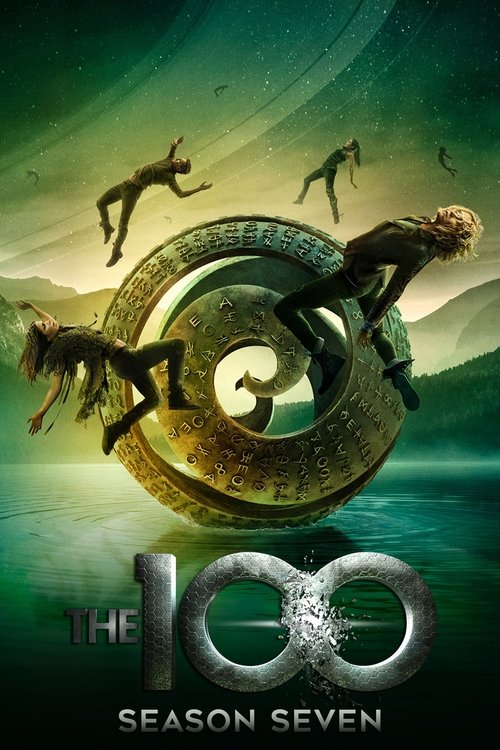
When The 100 premiered on The CW back in March 2014, nobody could have predicted it would become one of the network’s most ambitious and polarizing shows. What started as a premise that sounded like YA dystopian fiction—teenagers sent to Earth to determine if it’s habitable again—evolved into something far more complex and morally challenging. Jason Rothenberg’s vision created a show that wasn’t content to stay in comfortable territory, and that willingness to push boundaries is exactly why it matters.
Let’s be honest: The CW doesn’t always get the credit it deserves for taking risks. But The 100 arrived at a time when the network was hungry for something that could anchor its slate, and what they got was a series willing to interrogate what survival actually costs. Over seven seasons and 100 episodes, the show built a sprawling narrative that touched on colonialism, genocide, political corruption, and the ways good people rationalize terrible decisions. The 7.9/10 rating reflects something interesting—this wasn’t a universally beloved show, but it was a significant one that people cared enough about to engage with, sometimes passionately and critically.
The genius of the format lies partly in how those 42-minute episodes were structured. Without commercial breaks pushing toward easy resolutions, Rothenberg and his writers could sustain tension and moral ambiguity in ways that felt earned rather than forced. Each season managed to escalate stakes while introducing new factions, threats, and ethical dilemmas that forced both characters and viewers to reckon with increasingly difficult questions.
What made The 100 truly stand out in the television landscape:
- Willingness to kill main characters: In an era of plot armor, this show proved nobody was safe. Major characters died in ways that served the story, not just for shock value
- Serialized storytelling at its finest: Each season built logically from the last, with consequences that actually mattered
- Complex morality: There were rarely villains—just people trying to survive with conflicting priorities
- Female-driven narrative: Clarke Griffin’s journey as a reluctant leader became one of television’s most compelling character arcs
The cultural conversation around The 100 evolved as the show did. Early seasons sparked discussions about survival ethics and leadership under pressure. By the middle seasons, as the show expanded its scope and introduced the Grounders, the Ark, and eventually the Primes, it was asking bigger questions about what civilization means and whether humanity deserves another chance. Fans debated heavily in forums and on social media—sometimes praising the boldness, sometimes criticizing the darkness.
> The 100 understood that survival isn’t noble or clean. It’s messy, it compromises you, and the person who lives through it might not be recognizable to who they were before.
There were certainly moments that became iconic in the fandom and beyond. Clarke’s transformation from privileged delinquent to hardened leader haunted by impossible decisions. Bellamy Blake’s moral descent and the questions it raised about how ideology corrupts. The Grounder culture that added unexpected depth to what could have been simple antagonists. These weren’t just plot points—they were explorations of how extremity shapes people.
The show’s influence on the television landscape came partly from its willingness to be genuinely dark in ways that mainstream TV often resists. It showed that a CW show could handle sophisticated narrative complexity and moral ambiguity. It proved that younger audiences wanted more than sanitized storytelling. The ripple effects influenced how networks thought about prestige television on their platforms—that it wasn’t just about network prestige shows or cable dramas anymore.
The creative achievement across its 100 episodes:
The journey from Season 1’s tighter, more intimate survival story to Season 7’s cosmic-scale conflicts demonstrated real ambition. Not every season landed perfectly—the fandom will tell you the divisive later seasons sparked genuine debate about whether the show had lost its way. But even in its messiest moments, The 100 was attempting something rare: maintaining emotional stakes while expanding to universe-spanning conflicts. The 42-minute format meant there was little room for filler, which kept the pace relentless but sometimes meant quieter character moments got sacrificed.
Jason Rothenberg’s fingerprints are all over this show’s DNA. He built a writers’ room that understood how to sustain tension across seasons, how to develop ensemble casts where characters weren’t just plot devices, and how to commit to the consequences of storytelling decisions. Whether that commitment sometimes went too far is where fans diverge, but the intentionality is undeniable.
What’s perhaps most impressive is that The 100 ended on its own terms after seven seasons. In an era of sudden cancellations and unresolved narratives, Rothenberg got to complete his vision. Whether audiences felt that ending was satisfying varied widely, but at least the story reached its destination. That’s a rarer achievement than it should be.
The show’s 7.9/10 rating tells you something important: The 100 was the kind of show that inspired strong reactions in multiple directions. It wasn’t universally beloved comfort television. It was challenging, sometimes frustrating, occasionally brilliant, and frequently willing to sacrifice likability for integrity. In the oversaturated landscape of prestige television, that kind of commitment to vision—even when it didn’t always work—deserves recognition. This show mattered because it refused to take the easy path.