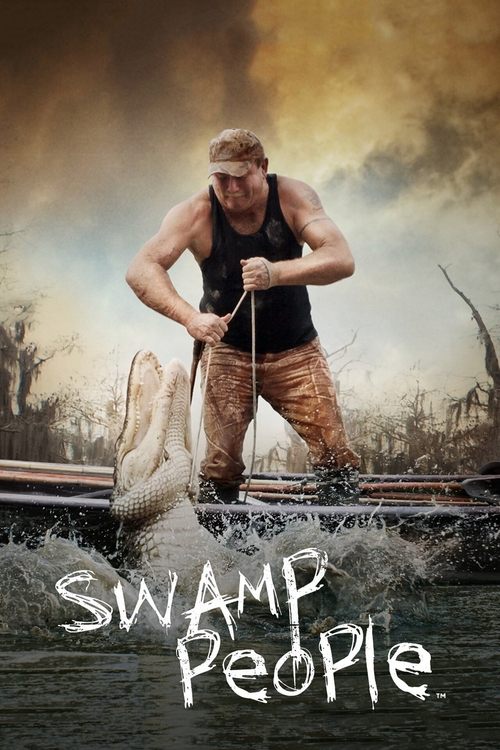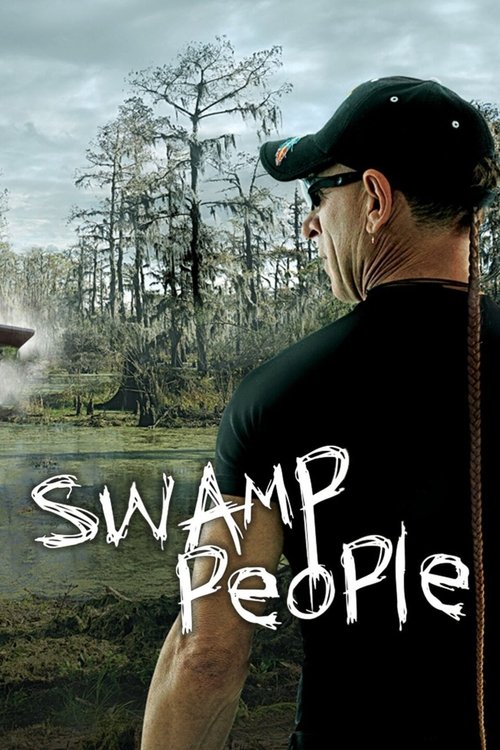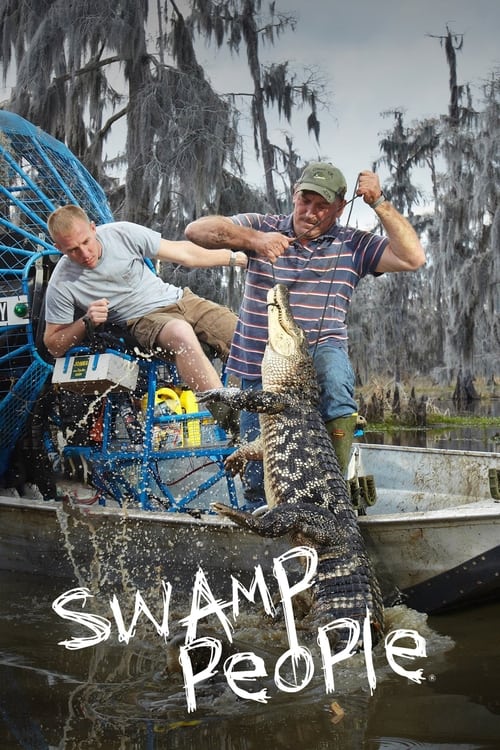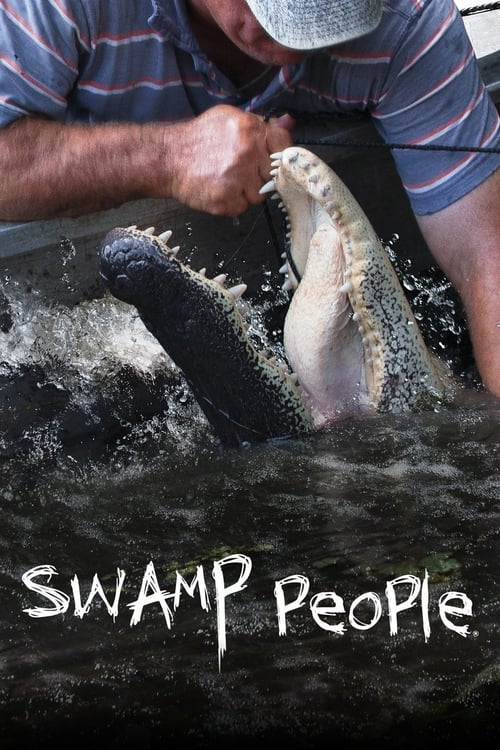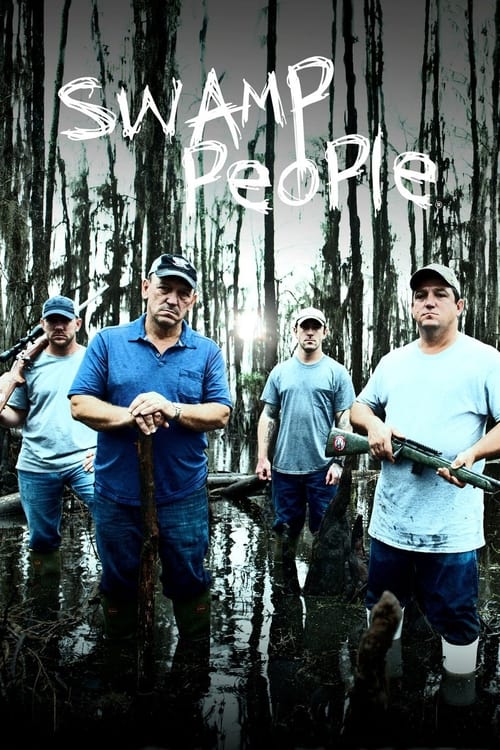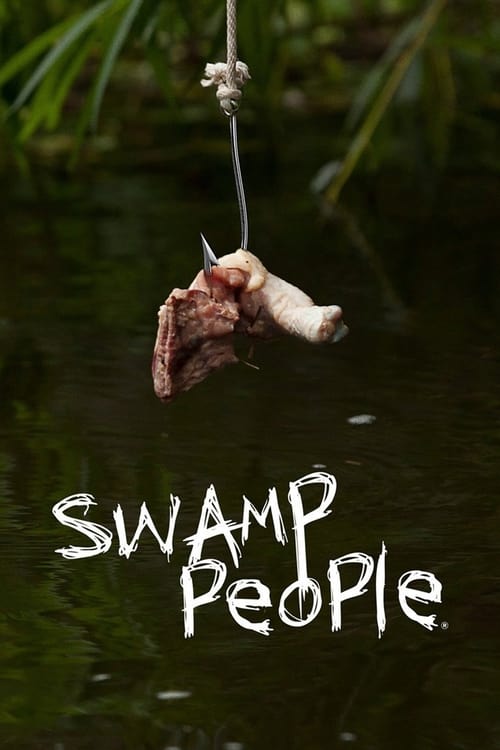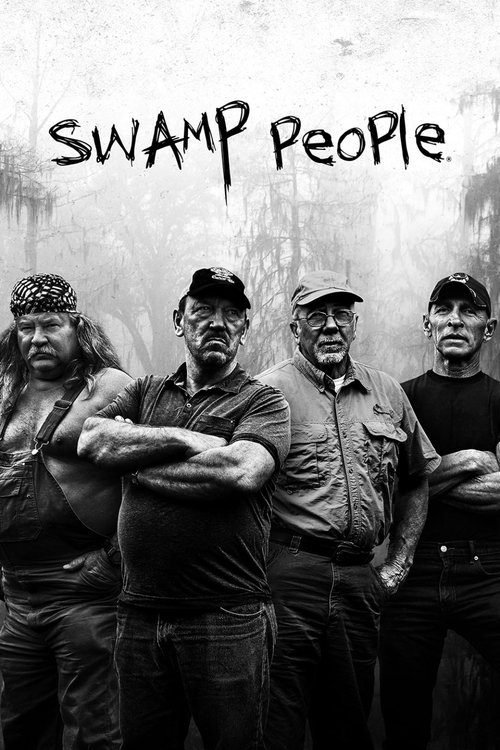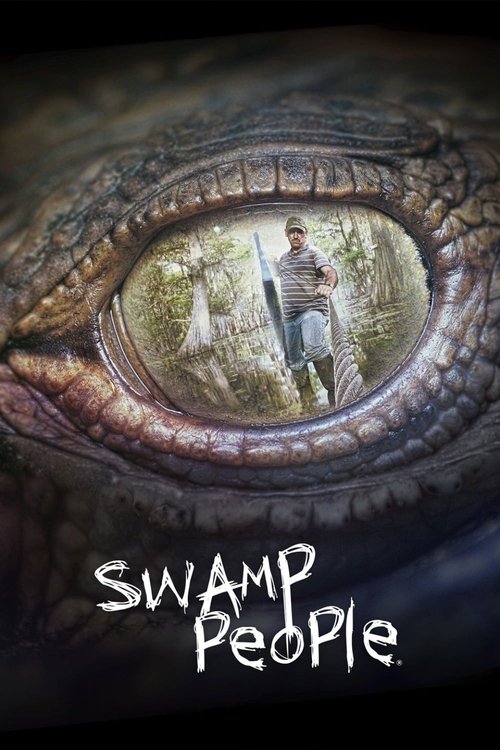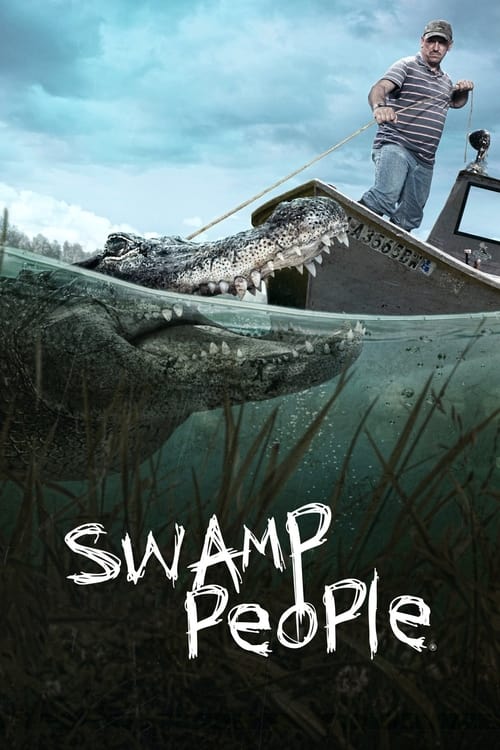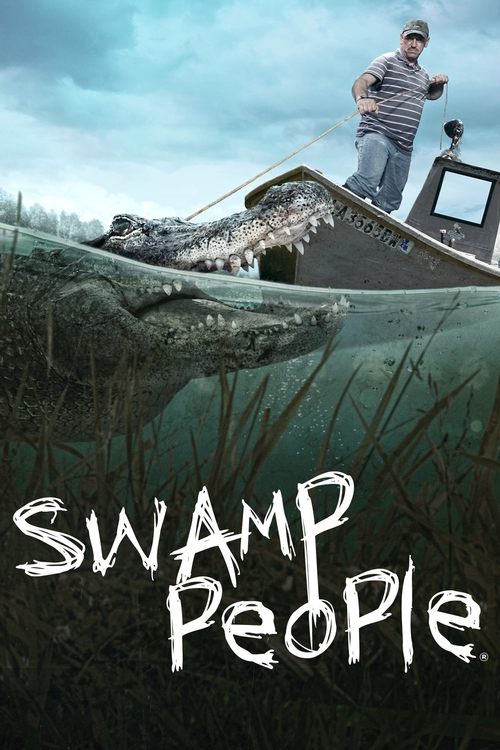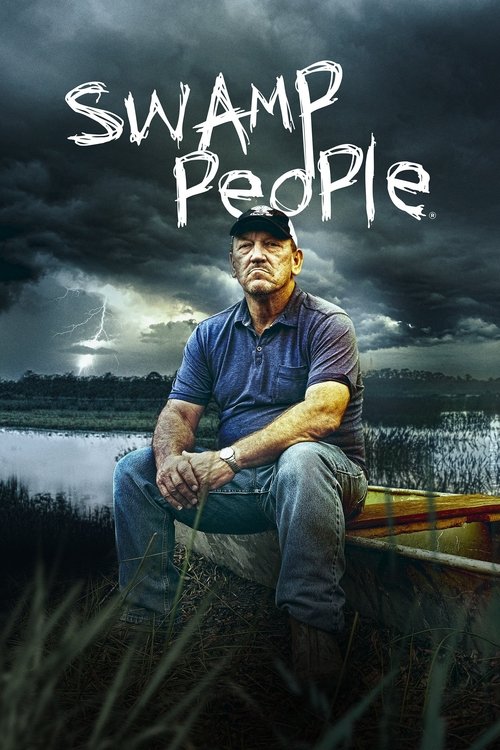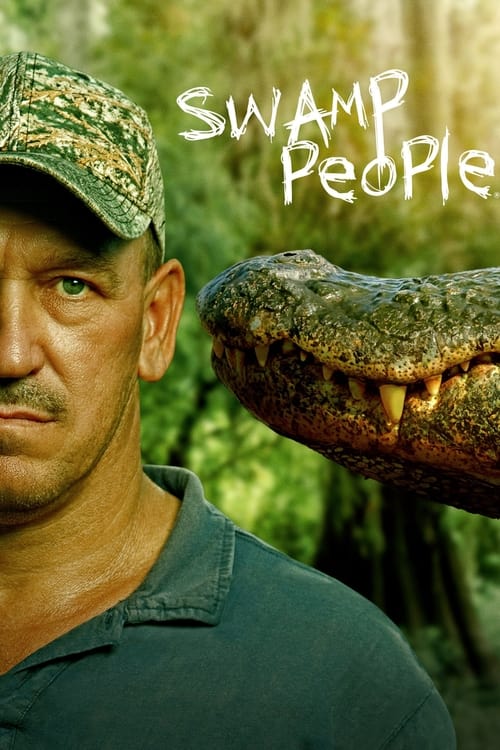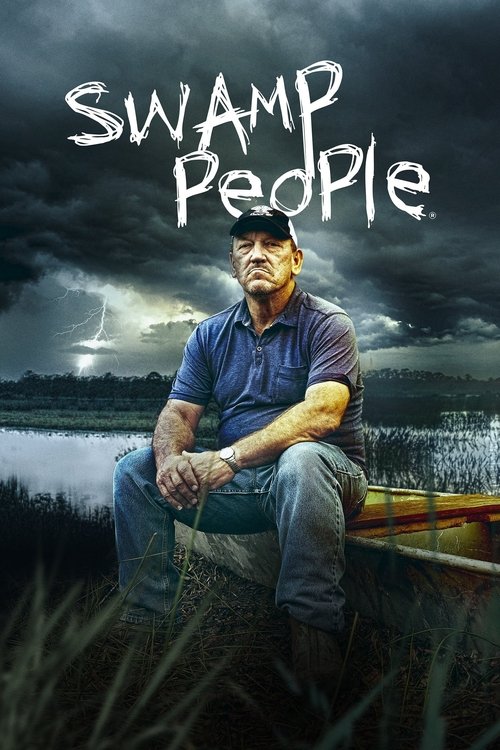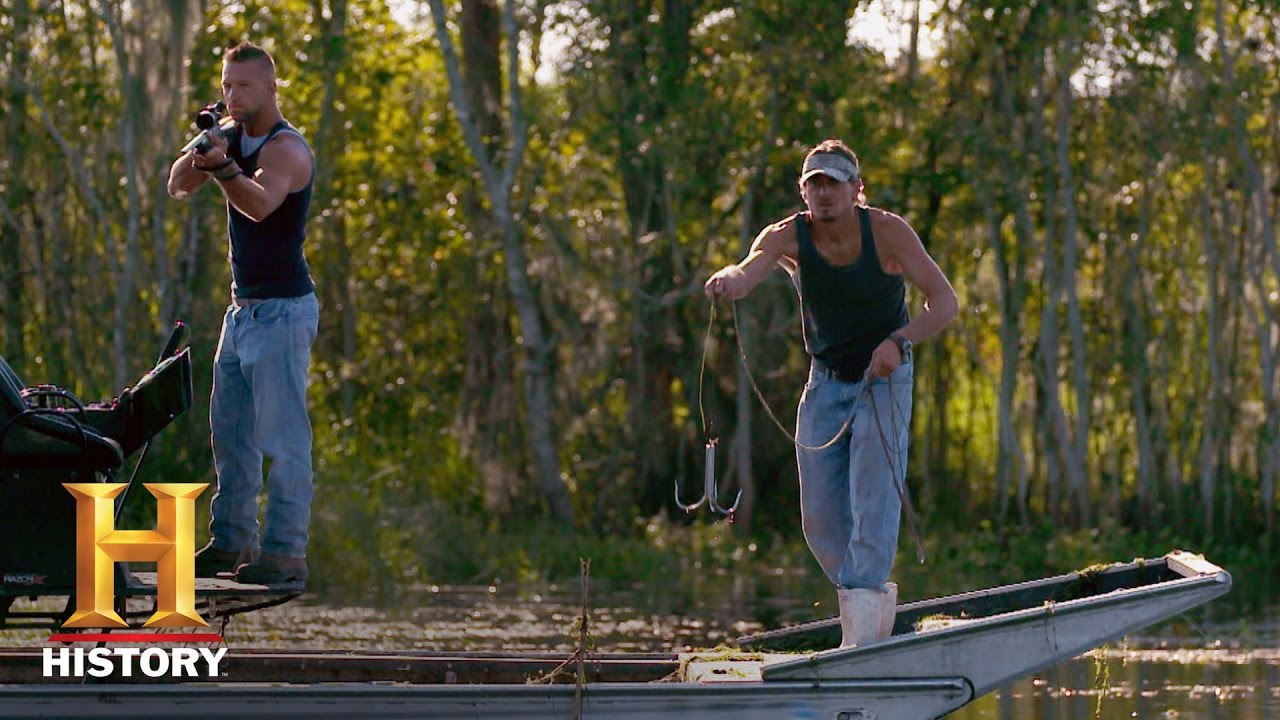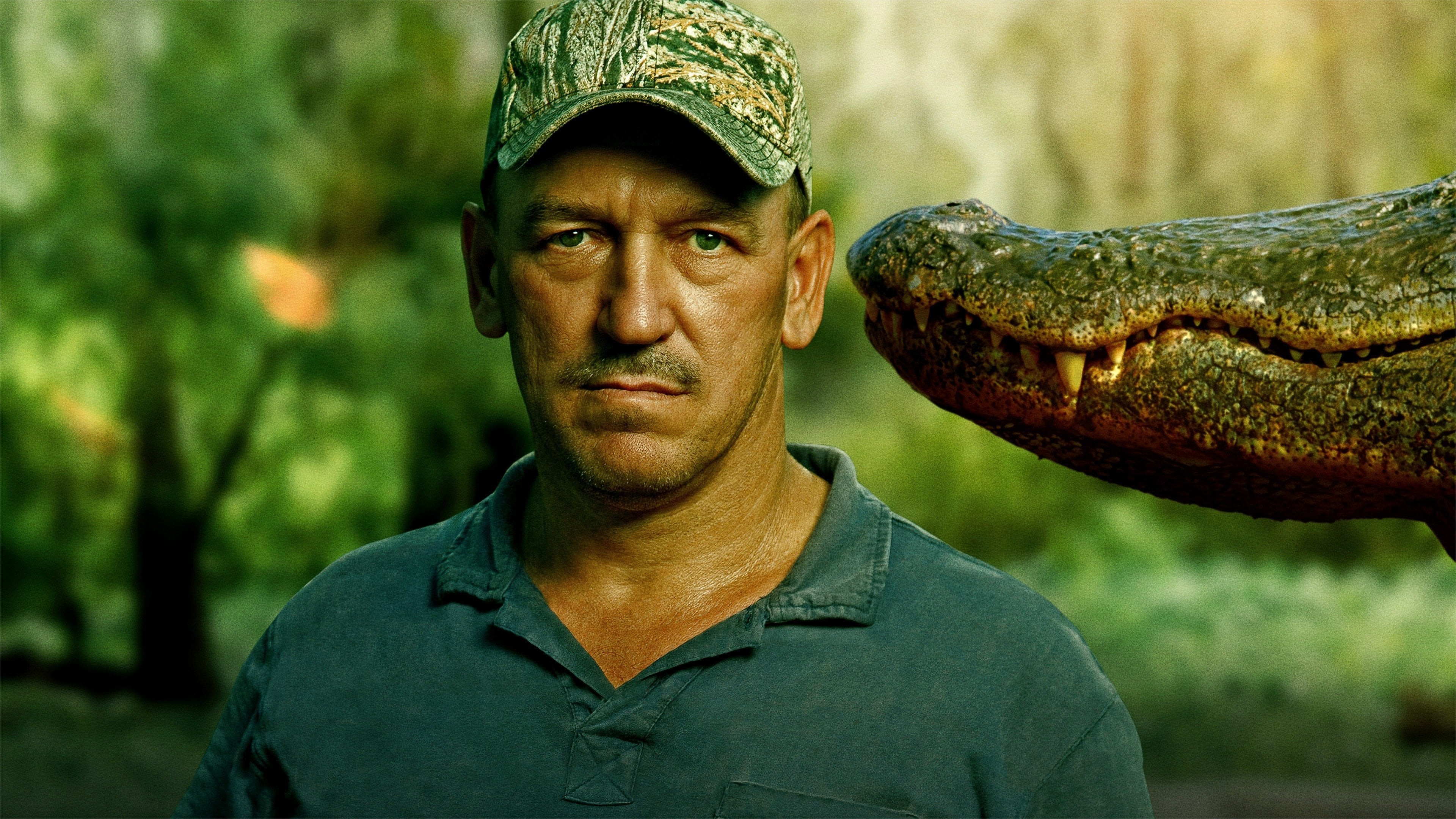
When Swamp People premiered on the History Channel back in August 2010, nobody could have predicted it would become a cultural phenomenon that’s still going strong today. What started as a documentary series about alligator hunters in the Louisiana bayou evolved into something far more significant—a masterclass in reality television that proved audiences were hungry for authentic, unscripted storytelling about lives most of us would never experience firsthand.
The show’s brilliance lies in its deceptive simplicity. By following multigenerational families through their alligator-hunting season, the creators tapped into something genuinely compelling: real people facing real stakes in a genuinely dangerous environment. There’s no manufactured drama here, no contrived competitions designed in a writer’s room. Instead, the tension emerges naturally from the environment itself—a six-week hunting season where families must meet quotas, navigate unpredictable waters, and contend with prehistoric predators. The 42-minute episode runtime proved to be the perfect vessel for this kind of storytelling, allowing enough time to develop character arcs and build genuine suspense without overstaying its welcome.
> The show succeeded because it treated its subjects with respect rather than mockery, showcasing genuine expertise and real consequences.
What really set Swamp People apart in the crowded reality television landscape was its refusal to condescend to its subjects. The hunters aren’t portrayed as cartoonish characters for audiences to laugh at—they’re presented as skilled professionals with intimate knowledge of their ecosystem. The show respects their craftsmanship, their work ethic, and their commitment to tradition. This approach created an authenticity that viewers could feel, and it’s a big part of why the series maintained such strong audience loyalty over 17 seasons and 269 episodes.
The cultural footprint this show has left is genuinely remarkable. It introduced mainstream audiences to people and places that had previously existed on the periphery of popular culture. Suddenly, families like the Landry clan and Troy Landry himself became recognizable figures, not because they were celebrities seeking fame, but because their lives were genuinely interesting and compelling to watch. The show sparked conversations about conservation, Louisiana culture, generational knowledge, and the changing American landscape—all without feeling preachy or agenda-driven.
Key elements that kept audiences engaged:
- The cyclical nature of the hunting season, which provided natural story structure across episodes
- The complex family dynamics that played out against the backdrop of dangerous work
- The genuine danger present in every outing—this wasn’t theater, people were genuinely at risk
- The stunning cinematography of the Louisiana wetlands, which became a character in itself
- The intersection of tradition and modernity as younger hunters adopted new techniques while honoring old ways
The series’ endurance speaks volumes about what viewers actually want from reality television. In an era saturated with manufactured conflict and algorithmic entertainment, Swamp People offered something refreshingly straightforward: competent people doing difficult work. The 8.1/10 rating isn’t just a number—it reflects a sustained appreciation from audiences who recognized the show’s integrity. Over nearly fifteen years on the air, maintaining that level of viewership requires more than novelty; it requires genuine quality and the kind of authentic engagement that Swamp People consistently delivered.
The show’s current status as a Returning Series speaks to its enduring appeal and the network’s commitment to a show that clearly resonates with its audience. The fact that it’s accessible across multiple platforms—from traditional History Channel broadcasts to Amazon Prime Video, Hulu, and various other streaming services—demonstrates how thoroughly the show has become woven into the fabric of contemporary television. It’s become the kind of show that draws in casual viewers who discover it on streaming platforms, then pull their friends and family members into its orbit.
What’s particularly impressive is how the show evolved without losing its core identity. The crew faces new challenges each season—changing environmental conditions, personal developments among the families, and the natural aging of long-time cast members—yet the fundamental appeal remains constant. The hunting season provides a reliable framework that feels both predictable and genuinely unpredictable, which is a difficult balance to strike across hundreds of episodes.
The creative vision also extended to how the series portrayed hard truths:
- Environmental changes and their impact on wildlife populations
- Economic pressures on traditional livelihoods
- The tension between cultural preservation and modern regulations
- The real physical toll that this work takes on human bodies
- The transmission of knowledge across generations in a changing world
The show’s approach to these themes felt organic rather than didactic, emerging naturally from the footage rather than being imposed upon it. This restraint in storytelling proved to be one of the show’s greatest strengths. The creators seemed to understand that the material was inherently interesting enough without heavy-handed commentary or artificial narrative overlays.
Looking back at the journey from that August 2010 premiere to today, Swamp People represents a significant moment in reality television history. It proved that audiences had appetite for shows that treated ordinary people’s extraordinary lives with genuine respect and sophisticated storytelling sensibility. In an industry often criticized for chasing ever-more-extreme formats and manufactured conflict, this show’s quiet success has been a steady reminder that authenticity, respect, and solid craftsmanship never go out of style.