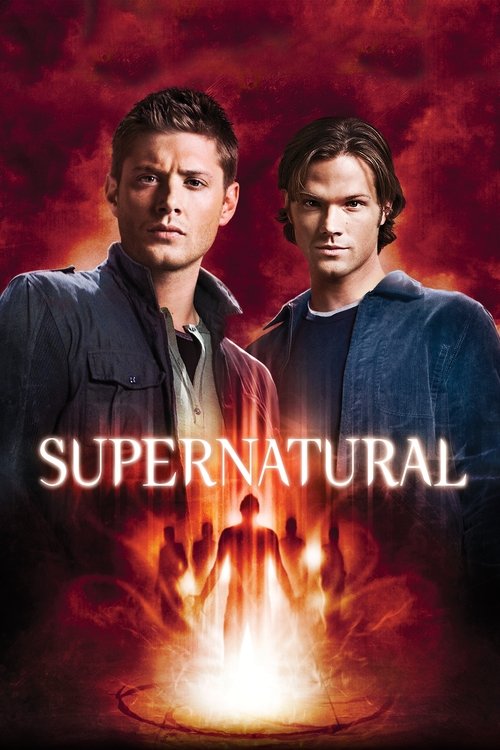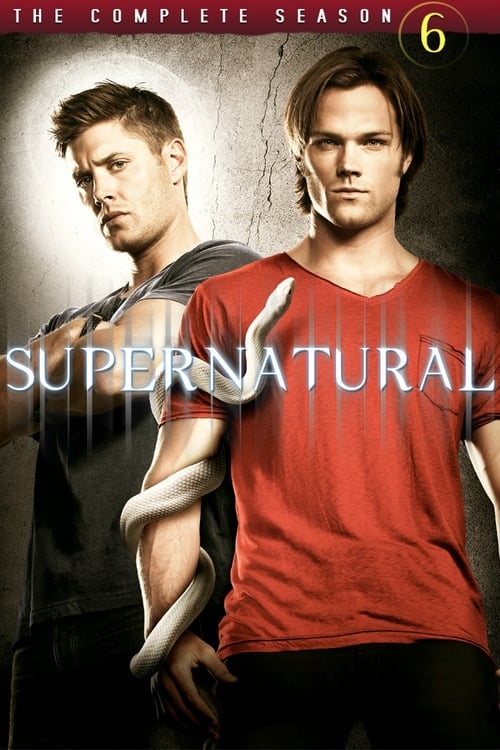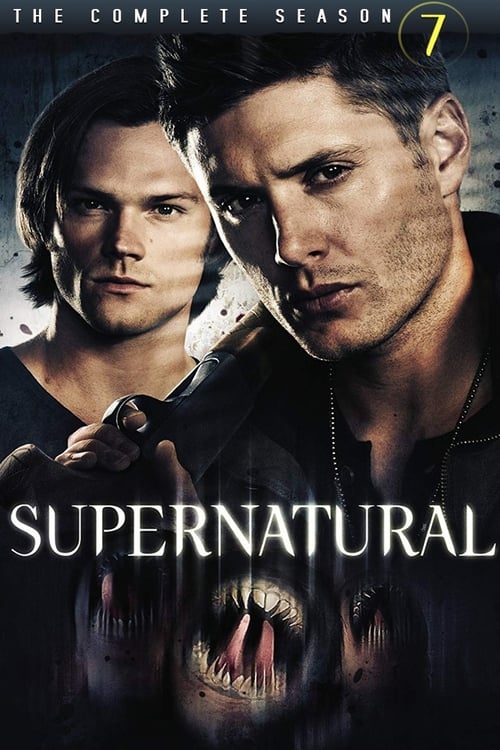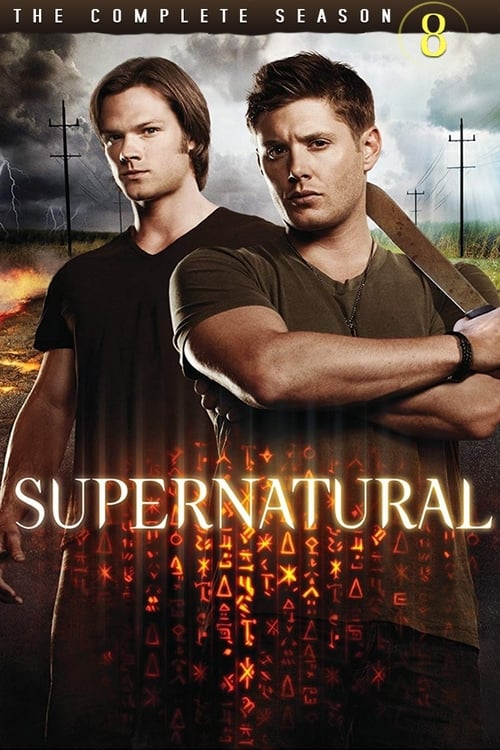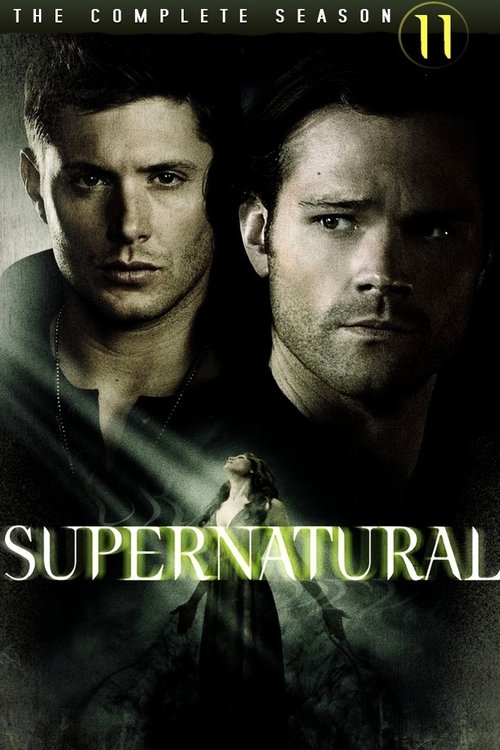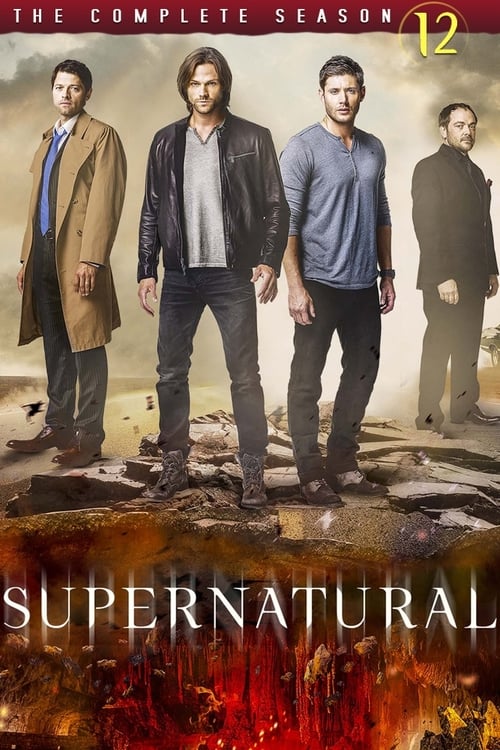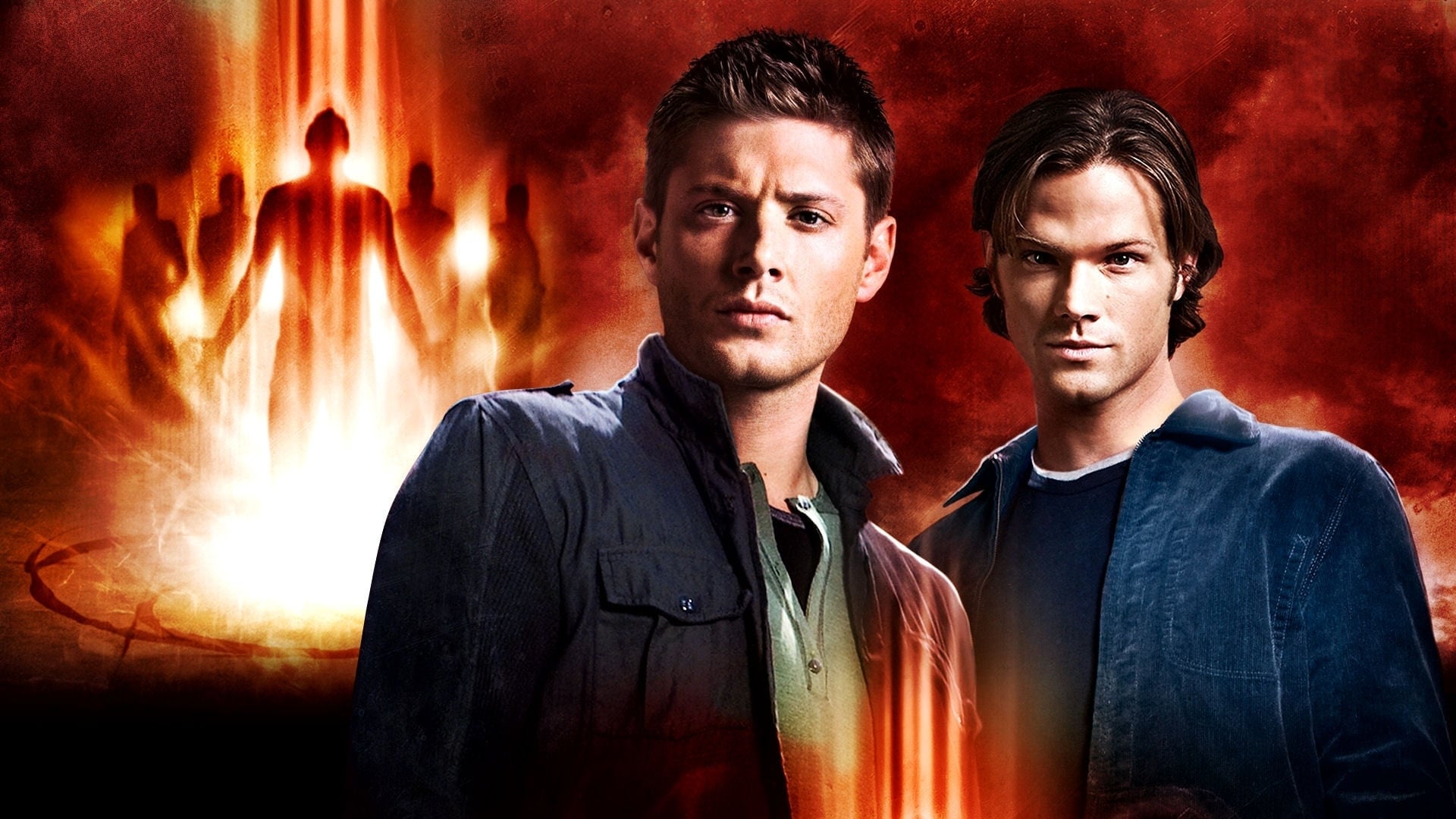
If you’ve never experienced Supernatural, you’re missing one of television’s most audacious long-form storytelling achievements. When Eric Kripke launched this series back in 2005, nobody could have predicted it would become a cultural phenomenon that would sustain itself across 15 seasons and 327 episodes. Yet here we are, looking back at a show that fundamentally changed how networks think about genre television and serialized narrative.
The genius of Supernatural was always in its deceptive simplicity. On the surface, it’s about two brothers—Sam and Dean Winchester—hunting monsters and demons across America. But Kripke understood something crucial about long-form storytelling: a strong premise is just the foundation. What you build on top of it determines whether you get one season or fifteen. Rather than treating each episode as a standalone “monster-of-the-week” adventure, Supernatural evolved into something far more ambitious—a serialized epic that treated mythology, theology, and apocalyptic fiction with genuine weight.
The show’s 8.3/10 rating reflects something remarkable: audiences maintained deep investment across 327 episodes, a testament to how Kripke balanced standalone stories with an overarching mythology that kept viewers theorizing between episodes.
The early seasons established why this show resonated so powerfully. Consider what Supernatural achieved in its first few years:
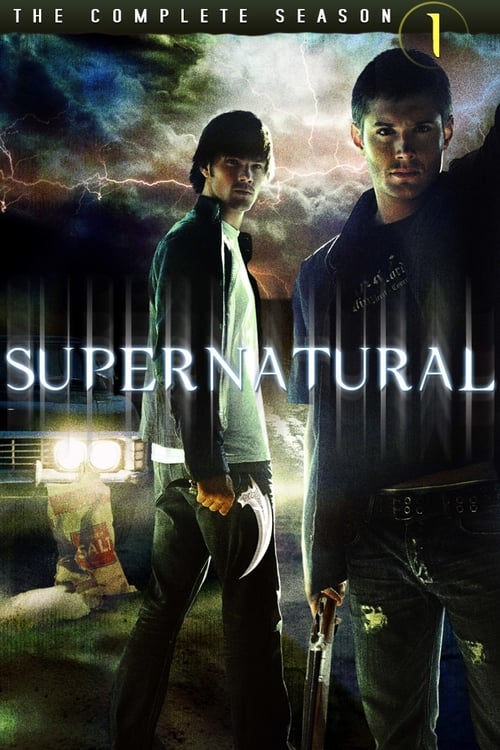
- Season 1 (8.2/10) introduced the Winchester brothers and their personal mythology—the mystery of their mother’s death serving as an emotional anchor
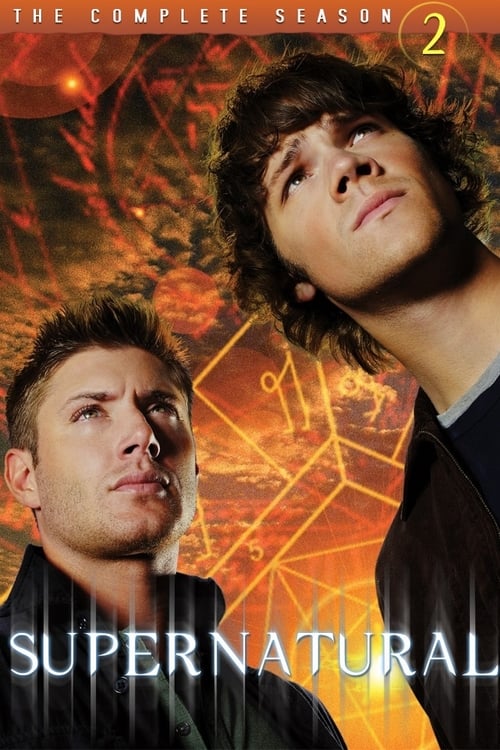
- Season 2 (8.6/10) deepened the lore while maintaining intimate character moments
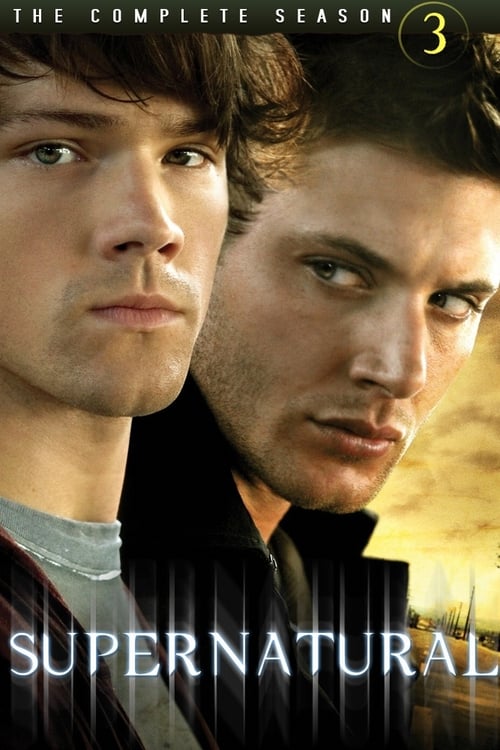
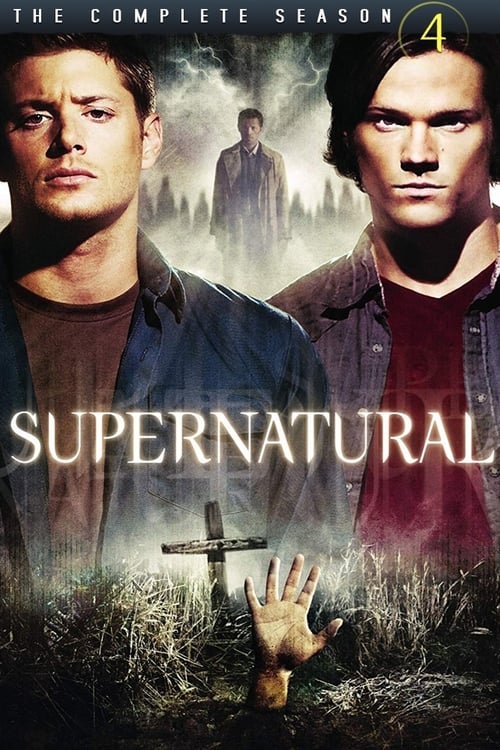
- Seasons 3-5 (8.5-8.8/10) built toward the Apocalypse arc, with Season 5 becoming a peak creative achievement that many fans consider the perfect ending point
That trajectory tells you something important: Supernatural didn’t just sustain viewership; it actually improved its critical reception in the early years because viewers recognized they were watching something special unfold in real time.
What separated Supernatural from other genre shows was how it handled the 45-minute runtime. In lesser hands, that timeframe becomes a constraint. But Kripke used it strategically—45 minutes was long enough to develop genuine character moments, to let scenes breathe, to make you feel the emotional weight of decisions. It was short enough to maintain pacing and deliver those jaw-dropping cliffhangers that defined the show’s cultural footprint. That combination created television that was simultaneously intimate and operatic.
The show’s cultural significance extends far beyond its impressive runtime and episode count. Supernatural sparked conversations about:
- Representation and Fandom – The show’s LGBTQ+ representation evolved over time, and its fanbase became one of television’s most dedicated and vocal communities
- Mythology Blending – How a show could freely mix Christian theology, folklore, urban legends, and original mythology in ways that felt organic rather than jumbled
- The Limits of Serialization – By continuing beyond where Kripke initially planned to end it, the show became a case study in how serialized narratives can struggle with extended longevity
- Emotional Storytelling in Genre TV – Proving that dramatic, character-driven moments belonged in supernatural/fantasy television
There are moments from Supernatural that became genuine cultural touchstones. Fans still discuss standout episodes like they’re discussing The Sopranos or Breaking Bad:
- The introduction of Castiel fundamentally shifted the show’s dynamic and gave it new thematic depth
- Season 5’s handling of the apocalypse created genuinely apocalyptic television that felt earned rather than theatrical
- The show’s ability to balance horror, humor, and heart became its signature—you could have a genuinely terrifying episode followed by something that made you laugh, often within the same hour
What makes Supernatural endure in cultural memory isn’t just what it did right—it’s that it dared to sustain a vision for 15 years, which meant accepting both incredible highs and necessary lows.
The broader television landscape shifted because of shows like this. When Supernatural premiered, the idea of a serialized genre drama carrying this kind of mythology across multiple seasons was relatively novel. By the time it ended, serialized storytelling had become the dominant model across prestige television. Supernatural wasn’t necessarily pioneering the technique, but it proved audiences would commit to genre television if the characters felt real and the story felt consequential.
The ratings data tells an interesting story too. While the show’s overall 8.3/10 rating is strong, the variance across seasons (ranging from 8.2 to 8.8) reflects the truth about long-running series: sustaining quality across 327 episodes is genuinely difficult. Later seasons faced criticism from some corners, but the show maintained an audience and continued finding creative ways to surprise people. That’s an underrated accomplishment.
What Supernatural ultimately achieved was something television doesn’t do often enough: it created space for a creator’s vision to fully unfold. For better and worse, Eric Kripke got to tell a 327-episode story about brotherhood, sacrifice, redemption, and fighting impossible odds. Not every choice worked perfectly, but the commitment to the storytelling—the willingness to go there, to push mythology and character in unexpected directions—is exactly why people still talk about this show with such passion.
If you’re looking for television that treats genre material seriously, that believes deeply in its characters, and that commits to long-form storytelling ambitions, Supernatural deserves your attention.