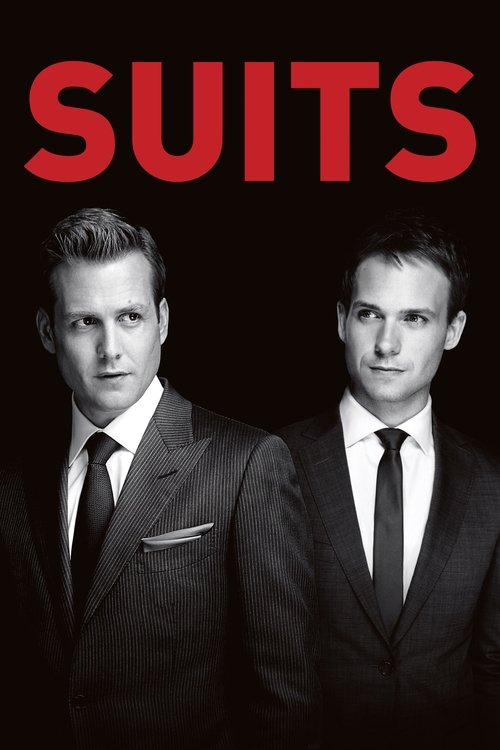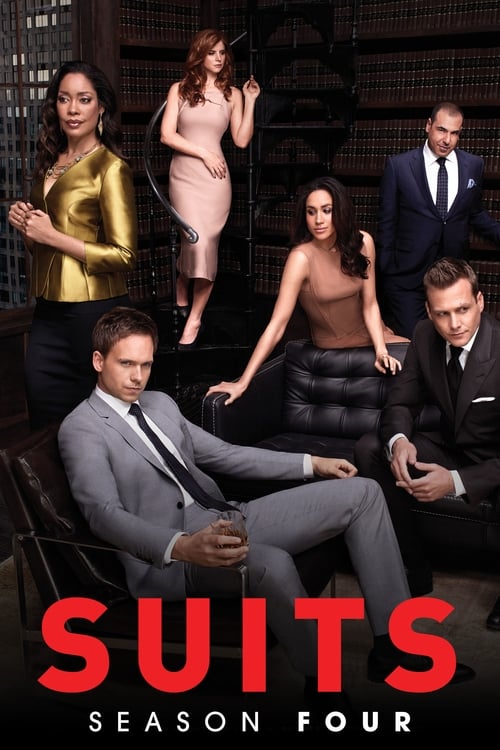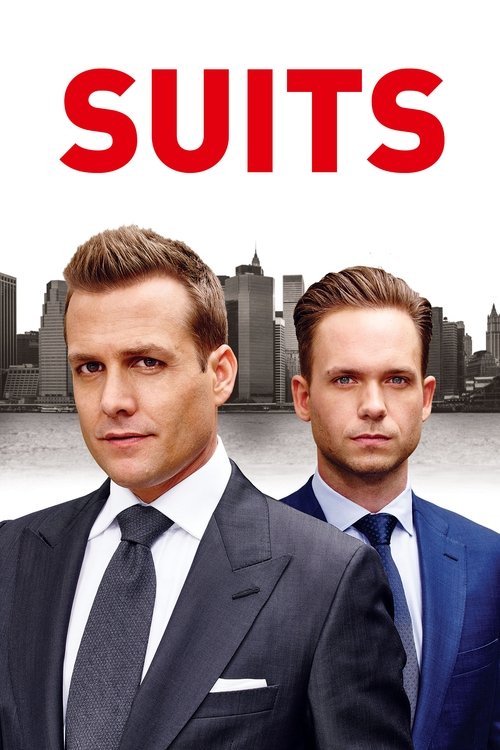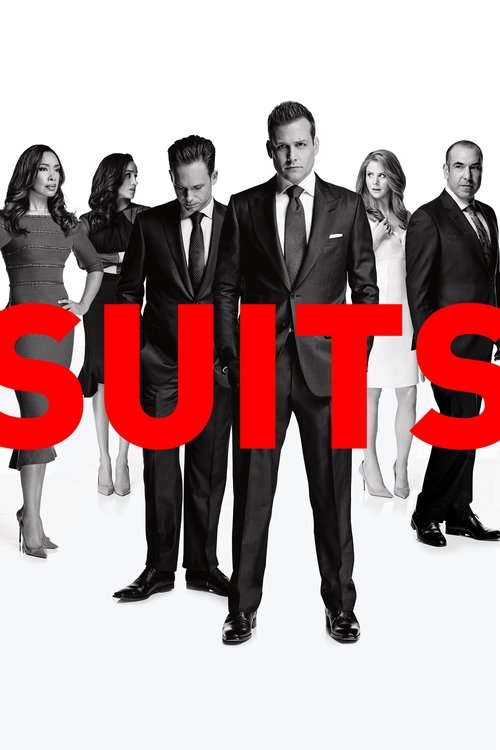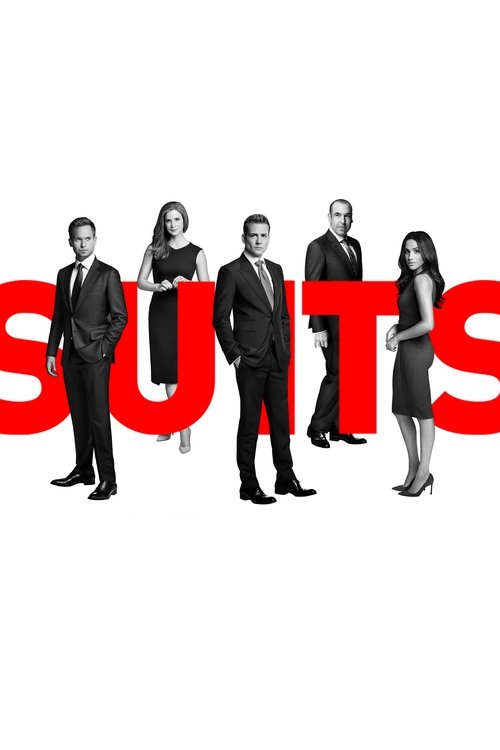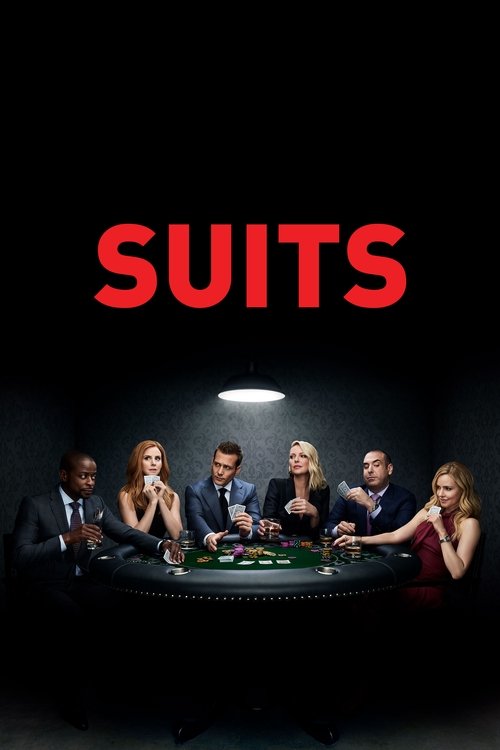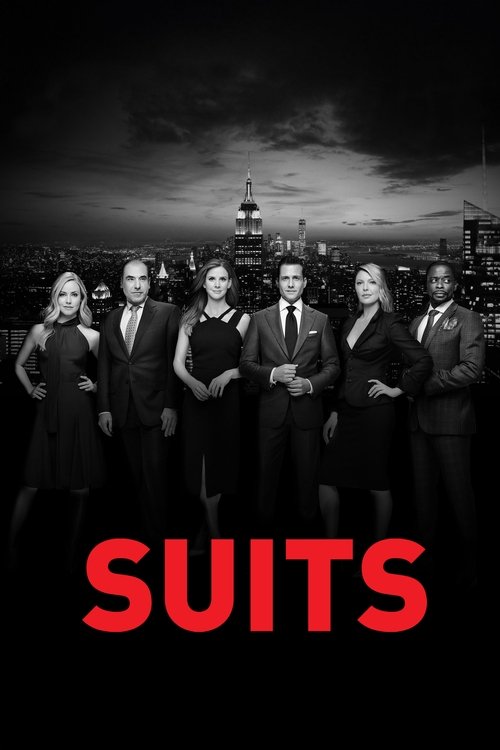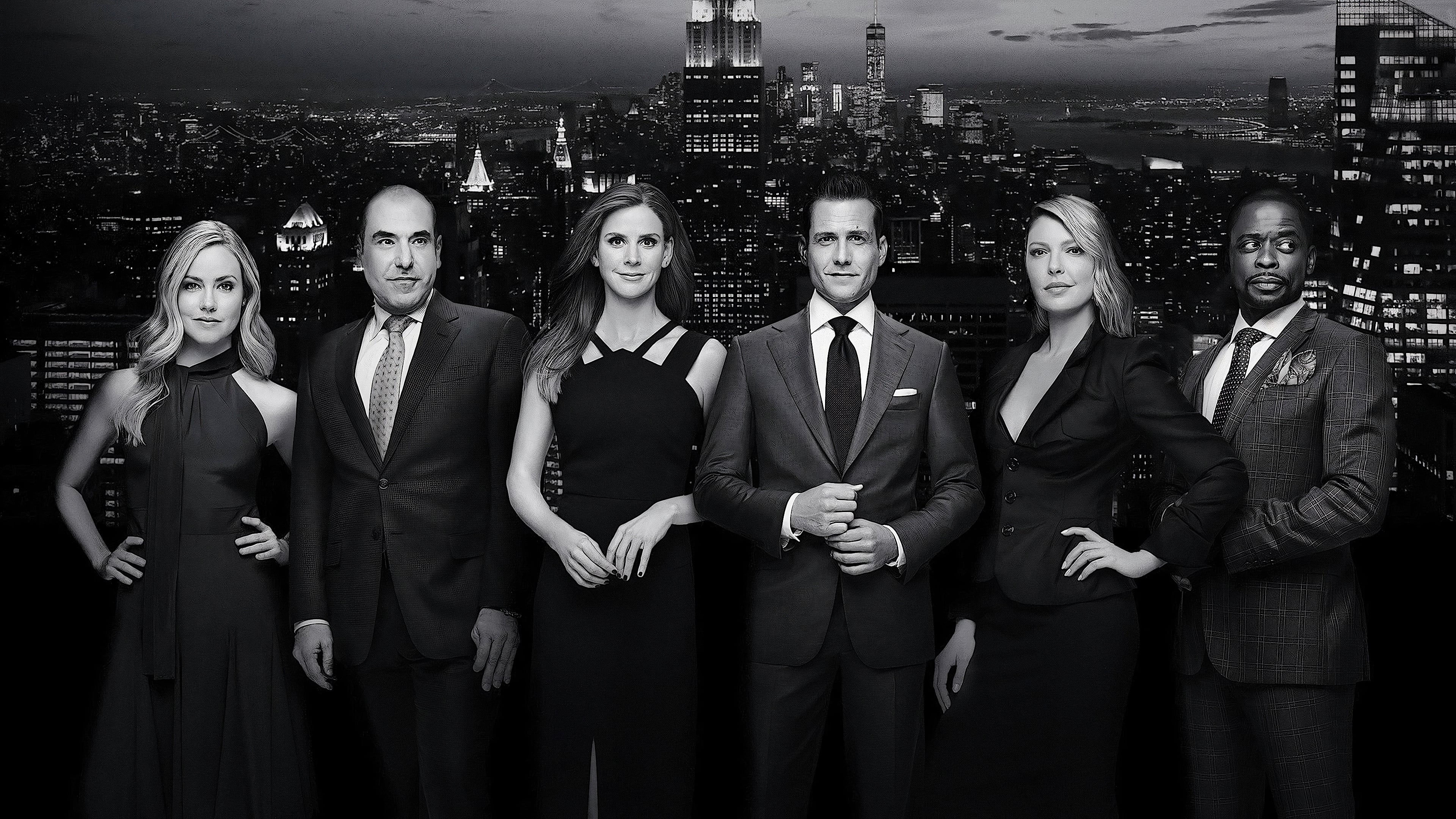
When Suits premiered on USA Network back in 2011, nobody quite anticipated that a show about a fraudulent lawyer would become one of television’s most durable and beloved dramas. Yet here we are, nearly a decade and a half later, and Aaron Korsh’s creation continues to find new audiences on Netflix and Peacock, proving that sometimes the best television doesn’t need prestige credentials or network megaphones—it just needs a killer premise and characters worth rooting for, even when they’re bending every rule in the book.
The brilliance of Suits lies in its central conceit: what happens when Mike Ross, a college dropout with a photographic memory, lands a job as a lawyer at a prestigious Manhattan firm without actually having a law degree? It’s audacious, ethically murky, and dramatically irresistible. But what could have been a one-note gimmick instead became the foundation for nine seasons of character development, relationship dynamics, and increasingly complex legal schemes that kept viewers invested across 134 episodes. The show understood something fundamental about television drama—the best stories aren’t about whether characters will get caught, but about who they become in the process of trying not to.
What made Suits stand out in the crowded drama landscape was its refusal to apologize for its characters’ moral ambiguity. Harvey Specter and Mike Ross weren’t heroes in the traditional sense. They were brilliant, flawed, and fundamentally self-interested people operating in a system that rewarded deception. Rather than punishing them for this, the show invited us into their world and made us complicit in their schemes. We wanted them to succeed, which meant we were constantly wrestling with our own moral compass—a conversation the show sparked repeatedly among viewers online and in real-time discourse.
> The show’s 8.2/10 rating across its entire run speaks to its consistency, but what’s more telling is how those ratings evolved. Season 5 hit 8.9, showing the show had actually improved as it matured, proving this wasn’t just a premise that worked better before people figured out its tricks.
The creative achievement here is substantial, particularly in how Aaron Korsh structured his storytelling around the 42-minute runtime. That constraint—typical for prestige cable dramas—forced economy in storytelling. There’s no fat in Suits. Every scene serves character, plot, or both. The show mastered the art of the cold open that immediately hooked you, the mid-episode turn that recontextualized everything you’d seen, and the cliffhanger that made you immediately queue the next episode. For a show that could have been pure procedural—solve the case, wrap it up—Suits consistently layered personal stakes beneath legal ones, making sure that whatever courtroom drama unfolded, what really mattered was what it meant for Harvey, Mike, Donna, Louis, and Rachel.
Speaking of those characters, this is where Suits built its most enduring legacy. Mike and Harvey’s bromance became iconic, their verbal sparring and underlying loyalty the emotional core that everything else orbited around. But the show’s supporting cast was equally crucial—Donna’s transformation from secretary to indispensable power player, Louis Litt’s evolution from comic relief to genuinely tragic figure, Rachel Zane’s journey from Harvey’s protégé to lawyer in her own right. These weren’t characters who stayed static; they changed, they surprised us, and we watched them navigate professional ambition and personal growth across nine seasons.
The show’s cultural footprint became impossible to ignore as it progressed. Suits didn’t just create memorable television moments—it created memes, fan theories, and genuine water-cooler conversation. The will-they-won’t-they between Mike and Rachel sustained entire Reddit threads. Harvey’s suits became objects of obsession (there are entire Instagram accounts dedicated to analyzing his wardrobe). The show’s influence extended so far that it drove significant Nielsen streaming numbers even years after its conclusion, with the show continuing to dominate streaming charts as new viewers discovered it. That’s not accident; that’s the mark of genuinely compelling storytelling.
The Legal Drama Reimagined: Suits proved you didn’t need to follow the Law & Order procedural template to succeed in legal television. By prioritizing character and ongoing mythology over case-of-the-week, it essentially created a new subgenre.
The Streaming Migration Success: The show’s journey across multiple platforms—starting on USA Network, then finding massive new audiences on Netflix—demonstrated how quality television transcends its original broadcast home.
Character Consistency Across Nine Seasons: Maintaining believable character arcs over 134 episodes while constantly raising stakes is extraordinarily difficult. Suits pulled it off.
What’s perhaps most impressive about Suits is that it never confused longevity with quality. The show made the choice to end, which so many series fail to do. That discipline meant the final seasons could focus on proper character resolution rather than spinning wheels. The 8.2/10 average rating reflects a show that started strong, peaked brilliantly in its middle seasons, and maintained quality through its conclusion—a rare achievement in television.
In retrospect, Suits succeeded because it understood its own DNA. It was never trying to be The West Wing or Breaking Bad. It was a show about brilliant people making compromising choices, and it committed fully to that premise. Aaron Korsh built something that entertained millions, influenced how we discuss character development and moral ambiguity in television, and created moments we still quote years later. That’s not just good television—that’s television that endured because it knew exactly what it was trying to be.