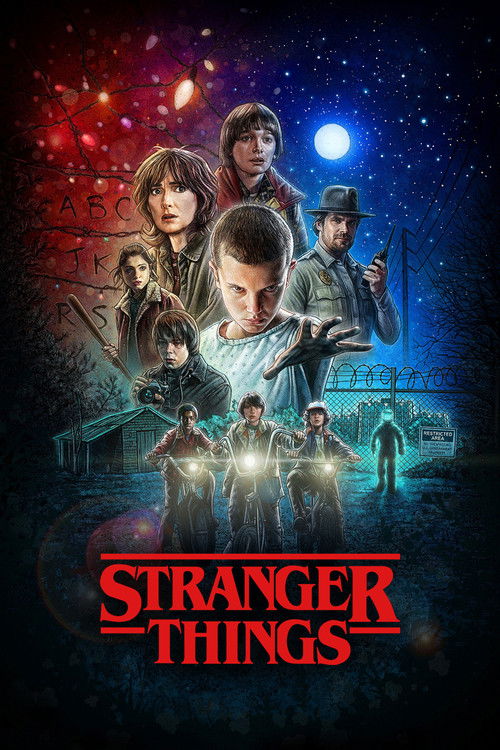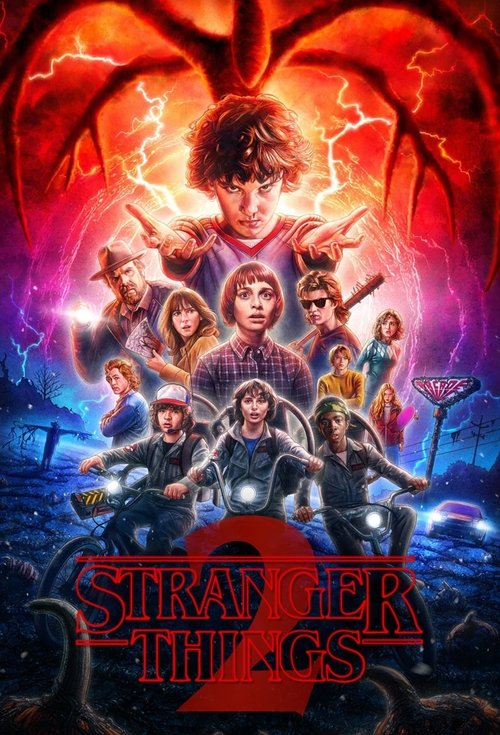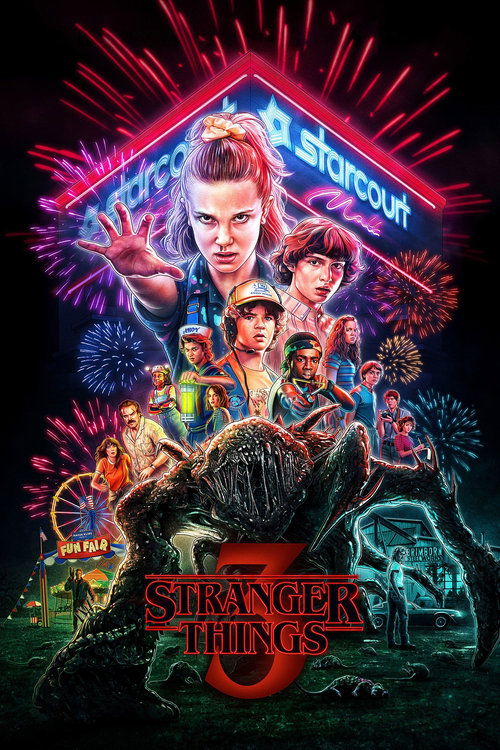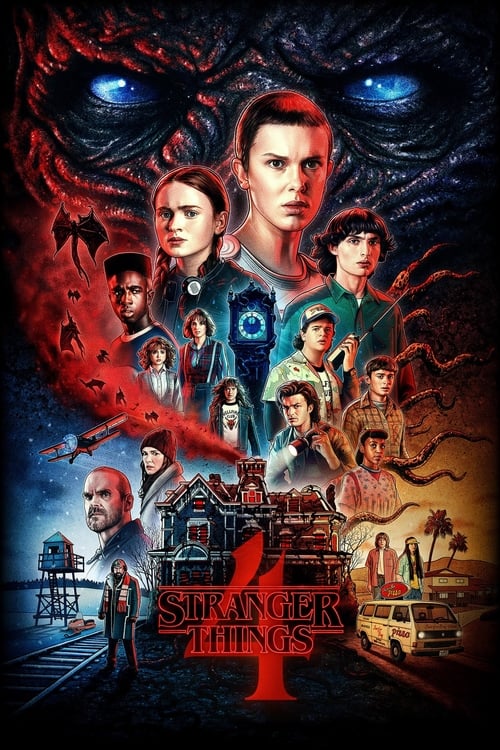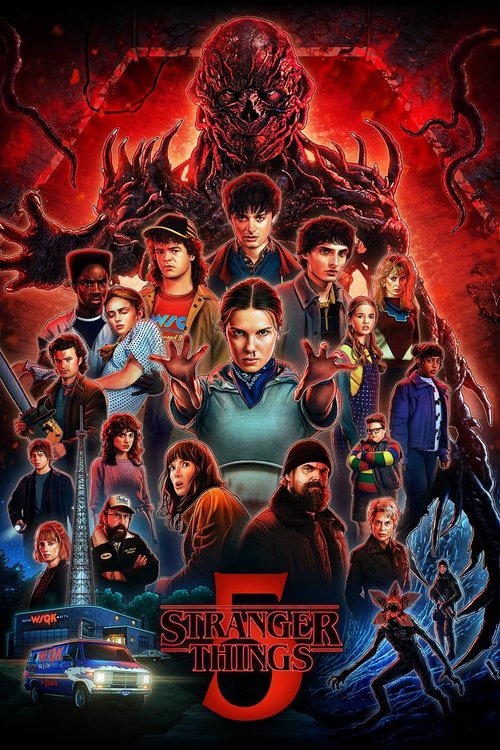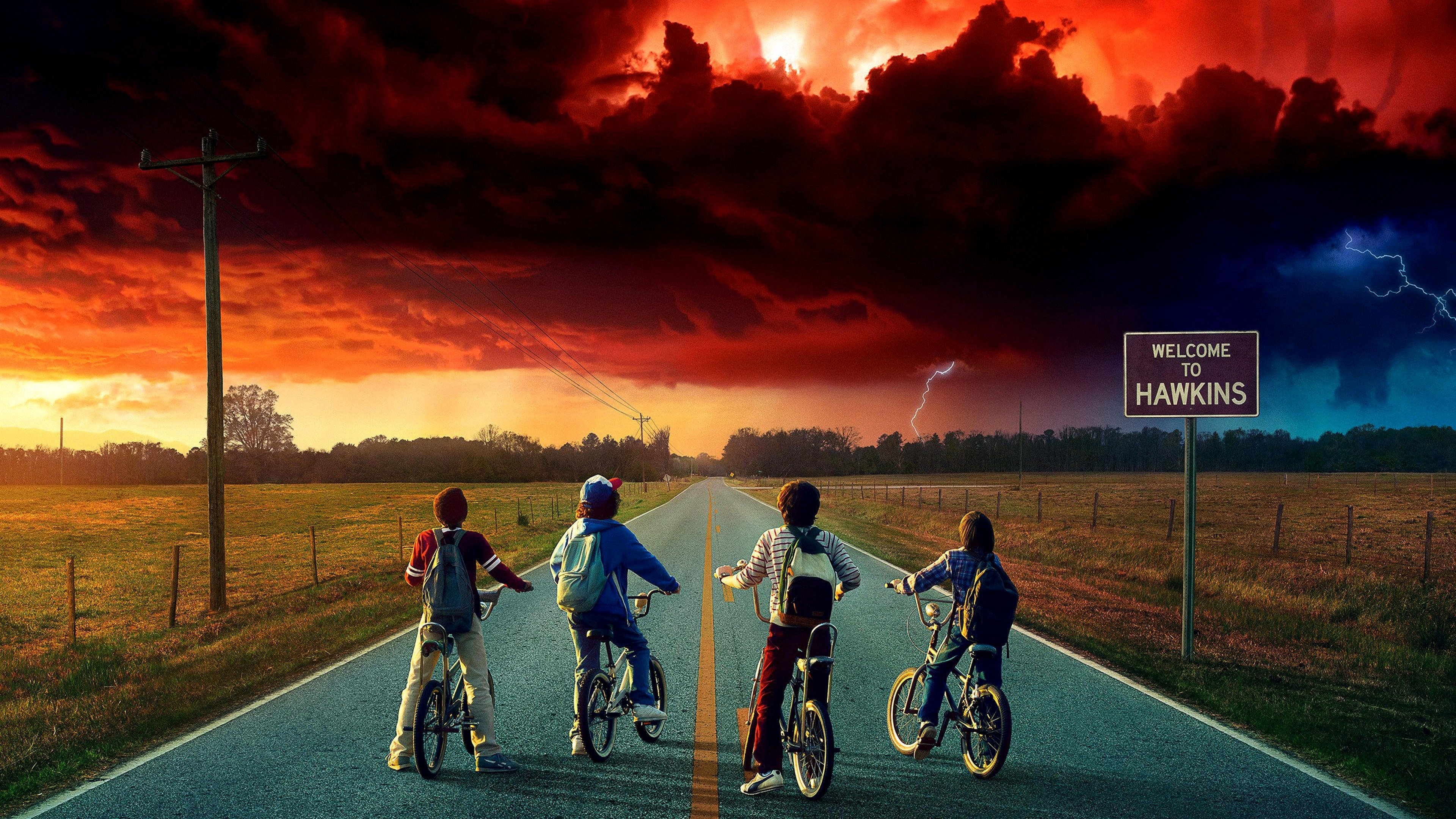
When Stranger Things premiered on Netflix back in July 2016, it arrived like a perfectly timed lightning strike—not just another streaming series, but a cultural phenomenon that would reshape how we talk about television storytelling. The Duffer Brothers crafted something that felt both deeply nostalgic and urgently contemporary, a show that managed to honor its 1980s influences while saying something entirely new about mystery, friendship, and the supernatural. Eight years later, as the series concluded its five-season run with a staggering 42 episodes and an impressive 8.6/10 rating, it’s clear this wasn’t just another sci-fi show—it was a watershed moment for television itself.
What made Stranger Things so instantly magnetic was its refusal to choose between being a sincere character drama and an absolutely bonkers genre spectacle. The Duffers understood something fundamental about great storytelling: you can have heart-wrenching emotional moments AND pulse-pounding action sequences in the same breath. The show didn’t treat its mystery elements as mere plot scaffolding—they were woven so tightly into the personal struggles of Eleven, Mike, Dustin, and the rest of Hawkins that you couldn’t separate the supernatural threat from the human stakes.
Core strengths that defined the series:
- Exceptional ensemble casting that aged naturally across five seasons
- A mystery structure that constantly deepened rather than repeated itself
- Visual storytelling that made the Upside Down feel viscerally real
- Character arcs that prioritized emotional truth over plot convenience
- A willingness to take genuine risks with beloved characters
The show proved that streaming services could produce prestige television on a massive scale—that Netflix wasn’t just a distribution platform but a creative force capable of nurturing long-form storytelling.
The cultural footprint this series left is genuinely hard to overstate. Every Halloween since 2016, you see Demogorgons and characters in Hawkins High basketball jerseys. The show sparked endless conversations about representation in television—particularly how it centered young women and queer characters as essential rather than peripheral. When Season 4’s finale aired and “Running Up That Hill” became a global phenomenon, it demonstrated something remarkable: a television show could still drive cultural conversations in real time. That wasn’t a marketing stunt. That was authentic audience engagement with genuine artistry.
What’s particularly fascinating is how the Duffers managed the show’s pacing and structure across its run. With episodes of variable runtimes—sometimes tightly wound 45-minute chapters, sometimes sprawling deep dives—they never felt constrained by traditional episode structure. Instead, each installment functioned as its own complete piece while contributing to something larger. This flexibility meant that action could breathe when it needed to, and emotional beats could land without feeling rushed.
Why each season succeeded in different ways:
- Season 1 – A perfect introduction establishing tone, mystery, and character chemistry
- Season 2 – Expanded the mythology while deepening character relationships
- Season 3 – Shifted setting and added new stakes with the Russian subplot
- Season 4 – Arguably the series’ peak, with a sprawling narrative that still felt focused
- Season 5 – A final statement that honored everything while taking genuine creative risks
The finale’s reception tells you everything about why audiences invested in this journey. Recent viewership records are staggering—Season 5 hit 105.7 million views and claimed Netflix’s ninth most-watched English series ever. But here’s what matters more: Episode 4 of Season 5 earned a 9.8 rating, becoming the highest-rated episode in the entire series’ history. That’s not just people watching; that’s people feeling something.
The real creative achievement here is how Ross and Matt Duffer understood that Stranger Things wasn’t ultimately about monsters in the dark—it was about the bonds we forge when facing uncertainty. Yes, there’s science fiction and mystery and plenty of action-adventure spectacle. But what made audiences return for five seasons was watching these characters grow, fail, triumph, and love each other against an increasingly apocalyptic backdrop. That’s deceptively difficult to maintain across 42 episodes.
What’s particularly impressive is how the show handled its conclusion. In an era where serialized television often stumbles at the finish line, Stranger Things managed something increasingly rare: it ended on its own terms, telling a complete story without outstaying its welcome or compromising its vision. The Duffers could have stretched this into eight or ten seasons. Instead, they ended it right.
For anyone who cares about television as an art form, Stranger Things represents streaming’s coming of age—proof that Netflix and similar platforms could nurture ambitious storytelling that honors both character and spectacle.
If you haven’t experienced this series yet, or if you’ve fallen away somewhere in the middle, there’s something genuinely special waiting for you in Hawkins, Indiana. Stranger Things earned its place in television history not through gimmicks or nostalgia alone, but through sheer commitment to character, mystery, and the kind of storytelling that reminds us why we fall in love with great television in the first place.