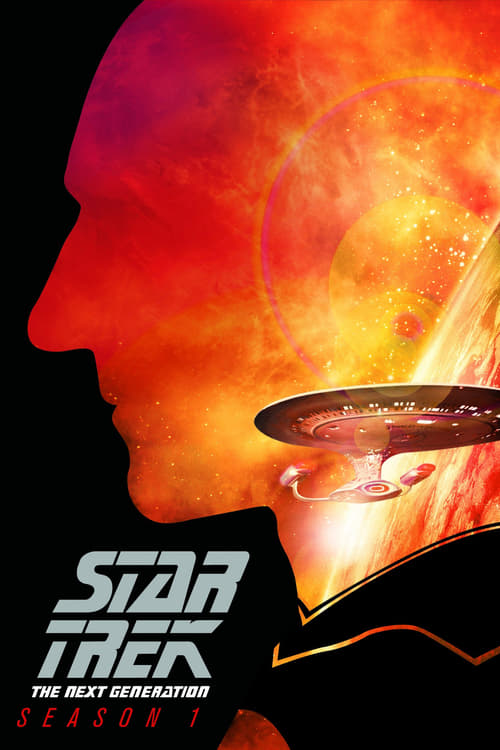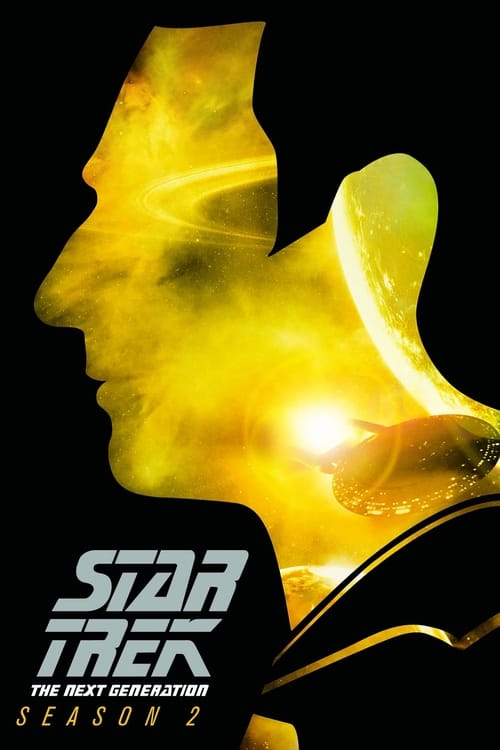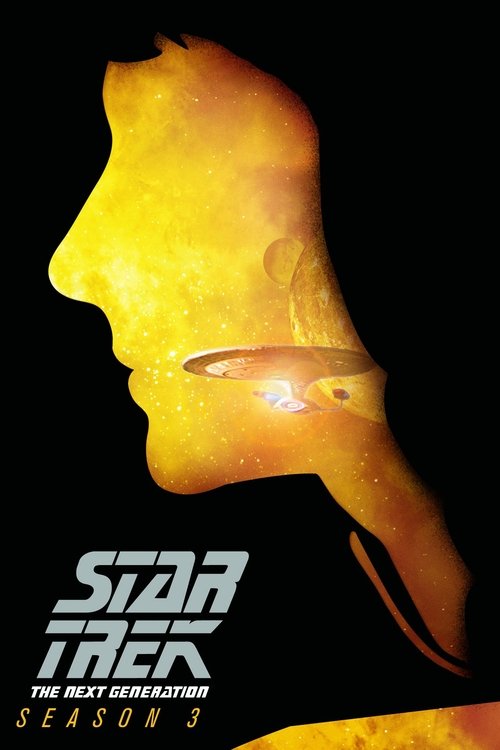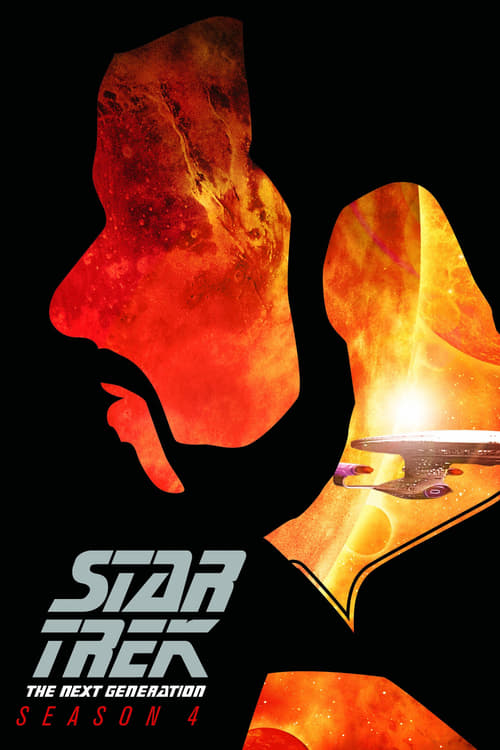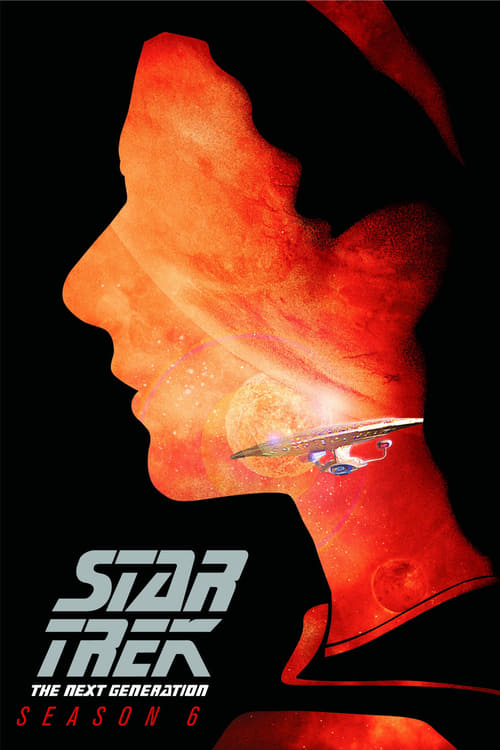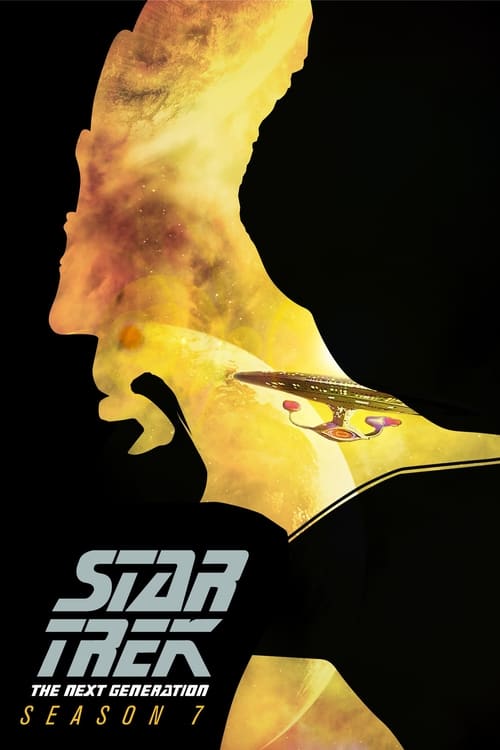
When Star Trek: The Next Generation premiered on September 28, 1987, nobody could have predicted it would become a cultural institution that still resonates with audiences nearly four decades later. Gene Roddenberry’s vision was audacious—reviving a beloved franchise that had been off the air for nearly two decades, with an entirely new cast and crew, distributed through syndication rather than a traditional network. It was a massive gamble, but one that fundamentally transformed how television could tell stories about the human condition wrapped in the trappings of science fiction.
What made TNG so remarkable wasn’t just its ambition, but its consistency in delivering thoughtful, character-driven storytelling week after week. Over its seven-season run, the show produced 176 episodes that explored everything from philosophical questions about consciousness and morality to deeply personal dramas about identity and belonging. The 45-minute format proved ideal for this kind of storytelling—long enough to develop complex ideas and emotional arcs, yet disciplined enough to maintain narrative momentum. The show’s 8.4/10 rating, particularly given how television tastes have evolved, speaks volumes about its ability to engage viewers across generations.
> The show’s greatest achievement wasn’t any single episode or storyline, but rather its refusal to talk down to its audience. It trusted viewers to grapple with sophisticated concepts while still delivering compelling human drama.
The early seasons certainly had their growing pains—and fans and critics alike have noted that seasons one and two felt uneven as the writers and producers found their footing. But what’s fascinating about TNG‘s journey is how it transformed the problem of an uncertain beginning into something that shaped the entire show’s identity. By the time the series hit its stride in season three, audiences had become invested in Captain Jean-Luc Picard’s leadership philosophy, in Data’s quest to understand humanity, in Worf’s struggle between his Klingon heritage and his Starfleet duty. These weren’t just character traits—they were windows into deeper questions about identity, belonging, and what it means to be human.
The cultural footprint of this show cannot be overstated. It didn’t just create iconic moments; it fundamentally changed the conversation about what science fiction television could do. Before TNG, the idea that a syndicated show could compete with major network programming seemed laughable. The show proved that thoughtful sci-fi storytelling, anchored by strong performances and philosophical depth, could find an enormous audience. It created the template that would influence everything from Deep Space Nine to modern prestige television’s embrace of genre storytelling.
Consider the specific ways TNG left its mark:
- Patrick Stewart’s portrayal of Captain Picard elevated the entire enterprise, bringing Shakespearean gravitas to the role and earning the show legitimacy with audiences who might otherwise have dismissed it
- The introduction of the Borg created one of science fiction’s most enduring antagonists—a threat that wasn’t just physical but existential, challenging fundamental notions of identity
- Data’s character arc gave the show a philosophical anchor, allowing writers to explore humanity through the eyes of a character literally trying to understand it
- Episodes like “The Best of Both Worlds,” “Yesterday’s Enterprise,” and “The Inner Light”** became benchmarks for what television sci-fi could achieve
The show’s approach to blending multiple genres—science fiction, action, drama, and mystery—within that reliable 45-minute structure created something that felt both epic and intimate. A single episode might wrestle with questions of temporal mechanics and paradox while simultaneously telling a deeply personal story about loss or sacrifice. This wasn’t accidental; it was Roddenberry’s vision refined and expanded by talented writers, producers, and performers who understood that the best science fiction uses its fantastical elements to illuminate very human truths.
What’s particularly impressive is how the show maintained its thematic coherence across 176 episodes. The core question animating TNG—what does it mean to be human, and what are our obligations to one another?—never became tired or repetitive. Instead, it was explored from endless angles: through Data’s innocence, through the Borg’s horror, through encounters with aliens of every conceivable type, through moral dilemmas that had no easy answers.
The syndication model itself became part of the show’s legacy. By choosing to air on local stations rather than through a network, TNG reached audiences in ways traditional television couldn’t match. It built a fanbase that was passionate, vocal, and invested in the show’s success. These weren’t passive viewers; they were people who showed up, who went to conventions, who wrote fan fiction, who ensured the show remained a cultural touchstone.
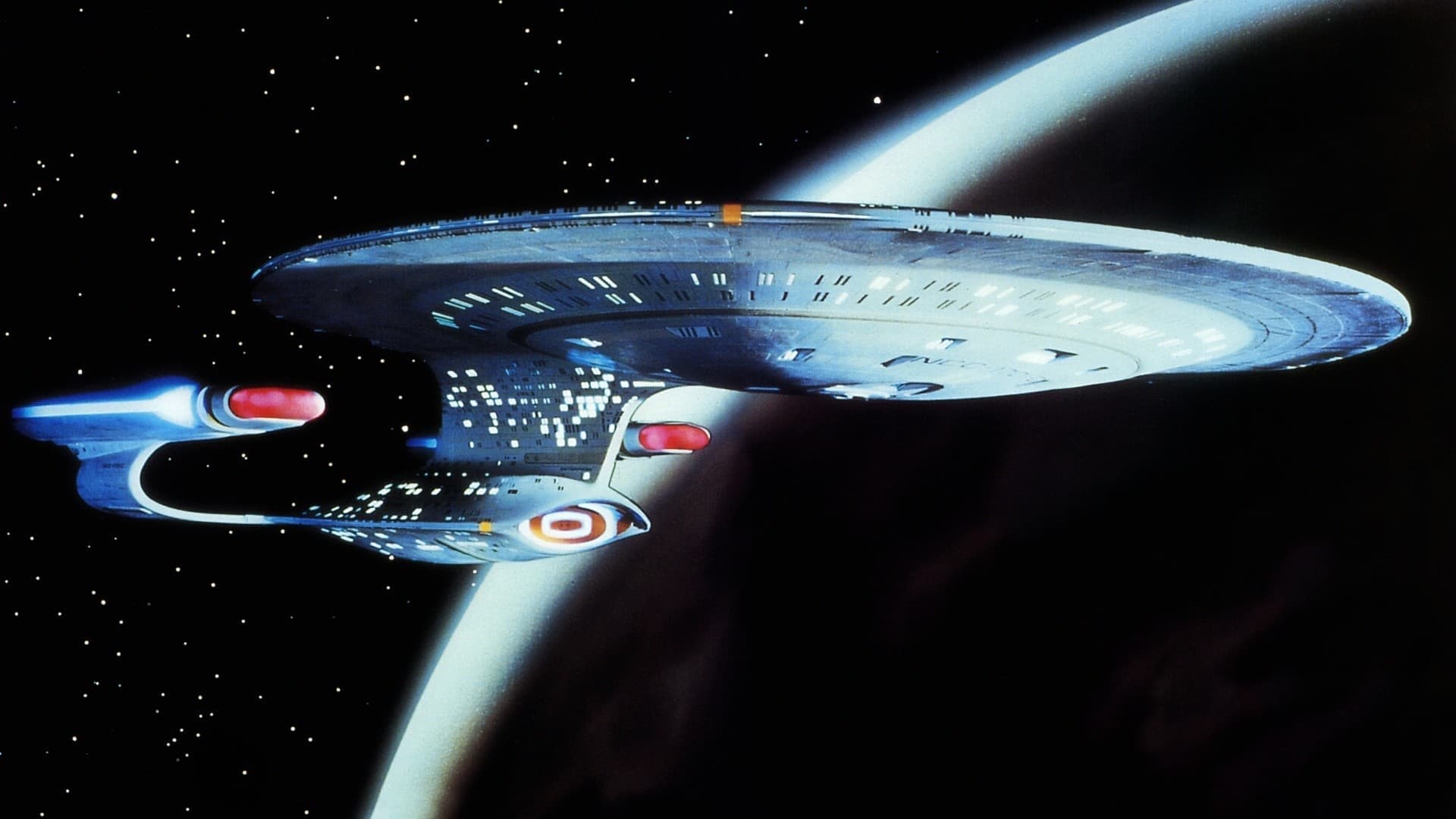
Even looking at modern streaming options—available on Paramount+ across multiple channels, Apple TV, Amazon, and Roku—we see the show’s continued relevance. Each new platform’s inclusion of TNG speaks to its enduring value. New viewers discover Picard’s wisdom and the Enterprise-D’s adventures regularly, and they find the show hasn’t aged in the ways that might undermine it. Certainly, some production values look dated, but the ideas, the character work, and the emotional stakes feel as fresh as they did in 1987.
The truth is, Star Trek: The Next Generation succeeded because it understood that the best science fiction isn’t really about the science or the fantasy trappings at all—it’s about us. Every alien encounter, every technobabble solution, every impossible choice faced by the crew served ultimately to illuminate something true about the human experience. That’s why it mattered then, and why it continues to matter now. It’s why audiences keep returning to these 176 episodes: because they offer not just entertainment, but genuine wisdom wrapped in wonder.