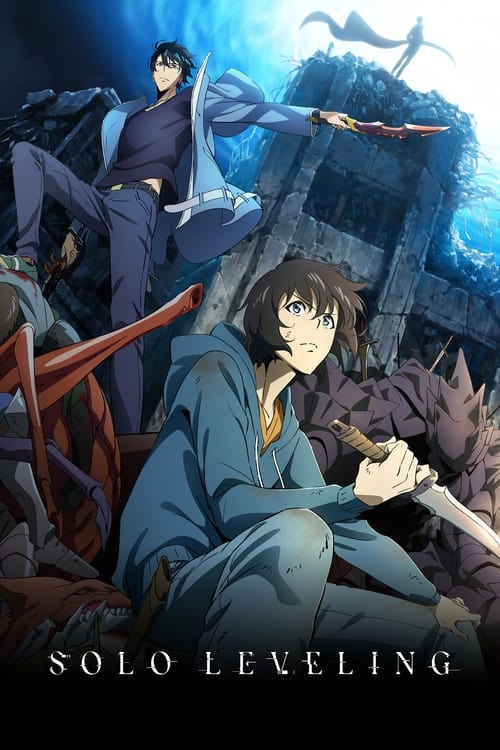
If you haven’t caught Solo Leveling yet, let me tell you why this show became such a phenomenon when it premiered on January 7th, 2024. This isn’t just another anime adaptation—it’s a masterclass in translating beloved source material into something that feels fresh and urgent on screen. The series managed to capture an audience that extends far beyond the typical anime community, and honestly, that’s because it tapped into something fundamental about underdog stories and personal transformation that resonates across cultures.
The premise itself is deceptively simple: Sung Jinwoo, the weakest hunter in a world where humans can gain supernatural powers, suddenly awakens to a hidden power system that only he can see. But within that familiar framework lies something far more complex and compelling. What made the show’s 25-episode run so effective was its refusal to rush the emotional beats that mattered. Each 24-minute episode felt purposeful, using that runtime constraint as an advantage rather than a limitation. The creators understood that pacing isn’t about how much you cram in—it’s about knowing what to emphasize.
> “The true strength of Solo Leveling lies not just in spectacular action sequences, but in the quiet moments of realization and growth that define Jinwoo’s journey.”
That commitment to character development over spectacle is what earned the show its impressive 8.6/10 rating and genuine critical respect. This wasn’t achieved through hype alone—viewers and critics alike recognized something substantial was happening.
What Made This Show Stand Out Creatively:
- Animation Quality: The action sequences were gorgeously rendered, with a visual style that made each power-up moment feel earned and impactful
- Pacing Mastery: 25 episodes provided exactly enough space to build tension without overstaying its welcome
- Emotional Depth: The show balanced spectacular set pieces with genuine character vulnerability
- World-Building: The hunter system and dimensional gates created a rich backdrop that felt lived-in rather than imposed
The cultural footprint this show left is genuinely remarkable when you consider it debuted in early 2024. It sparked real conversations about what makes an adaptation succeed. Fans weren’t just discussing favorite fights—they were analyzing character arcs, debating narrative choices, and genuinely connecting with Jinwoo’s isolation and determination. That’s the mark of something that transcended its medium; it became a touchstone for conversations about ambition, worth, and the price of power.
What really crystallized the show’s impact was how it handled the central conflict between Jinwoo’s outward transformation and his internal struggle. He’s growing stronger by the minute, yet lonelier in ways that matter more. This tension becomes the emotional core that separates Solo Leveling from simpler power-fantasy narratives. The show never let us forget that strength without connection is its own form of weakness, and that thematic consistency across all 25 episodes created something audiences could genuinely latch onto.
The streaming availability through Crunchyroll—both directly and through the Amazon Channel—gave the show unprecedented global reach. Fans across different regions were experiencing and discussing it simultaneously, which amplified its cultural presence exponentially. International audiences embraced it not because it was exotic, but because the storytelling was universal. A person struggling with their perceived inadequacy and fighting to prove their worth transcends language and cultural boundaries.
Key Elements That Resonated:
- Authentic Weakness: Unlike many protagonists who are secretly special from the start, Jinwoo genuinely is the weakest, making his rise feel earned
- System Transparency: The game-like interface gives viewers clear stakes and helps us track his progression viscerally
- Supporting Cast Development: Side characters weren’t mere obstacles—they had genuine arcs and moments of agency
- Consequence and Cost: Powers came with real sacrifices, preventing the narrative from feeling consequence-free
The show’s status as ended after its first season might initially seem like a disappointment, but it also speaks to a narrative confidence that modern television sometimes lacks. The creators told the story they wanted to tell in exactly the way they envisioned it. There’s something refreshing about a show that doesn’t overextend itself, that respects its audience enough to end when the moment feels right rather than when viewership metrics suggest it might continue.
Looking back at Solo Leveling‘s journey from premiere to conclusion, what strikes me most is how it proved that anime adaptation could honor source material while creating something distinctly cinematic. The 24-minute runtime became a feature, not a bug—each episode packed narrative weight without feeling bloated. Directors and animators treated every scene as essential, every frame as an opportunity to deepen characterization or worldbuilding.
This show will endure in television history not because it was the loudest or flashiest entry in the action-fantasy space, but because it demonstrated genuine craftsmanship. It understood that the best stories are about people first and powers second. Jinwoo’s journey from invisible weakling to the most powerful hunter in existence only mattered because we genuinely cared about him—about what he wanted, what he sacrificed, and what he ultimately became. That’s the kind of television that sticks with you long after the final episode ends. That’s what earned Solo Leveling its place in the conversation about truly worthwhile viewing.


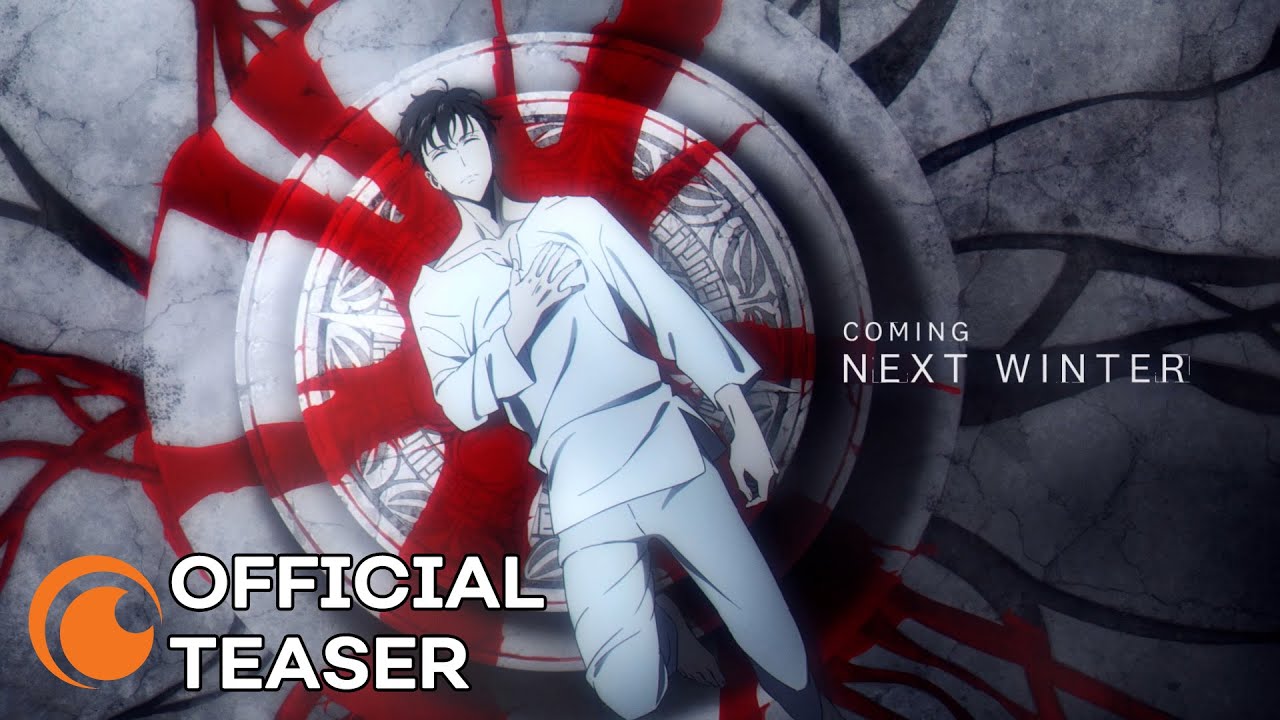
![Official Trailer 4 [Subtitled]](https://img.youtube.com/vi/HkIKAnwLZCw/maxresdefault.jpg)
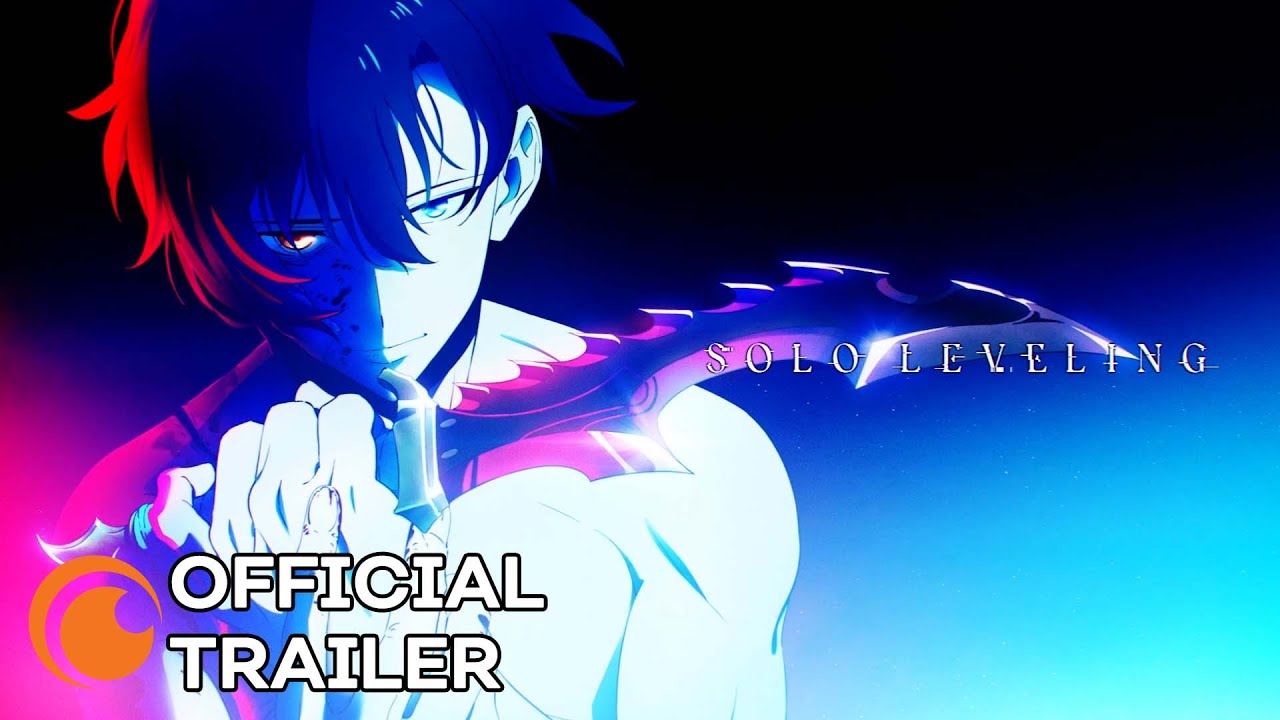
![Official Trailer 3 [Subtitled]](https://img.youtube.com/vi/n24l9gvM3XM/maxresdefault.jpg)
![Official Trailer 2 [Subtitled]](https://img.youtube.com/vi/9vIxi5XkQ8Y/maxresdefault.jpg)