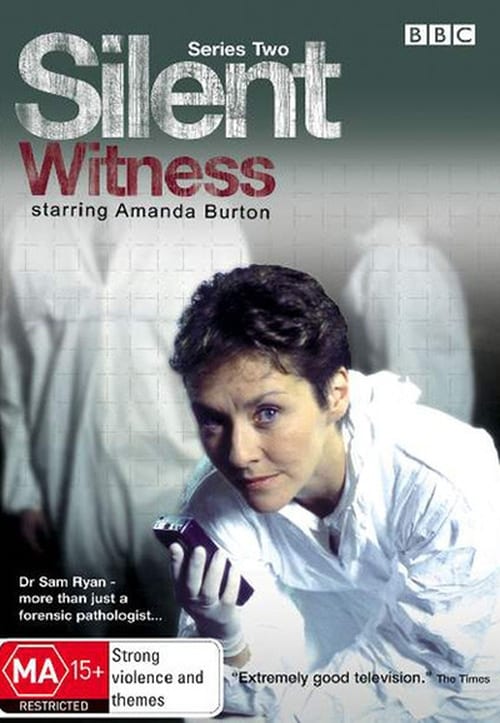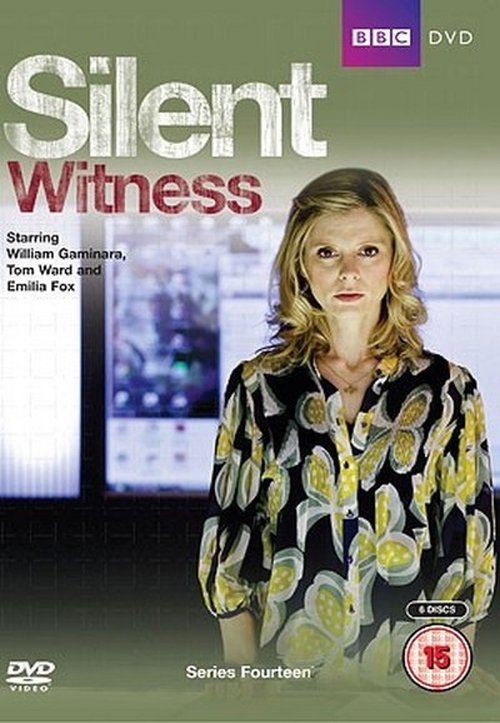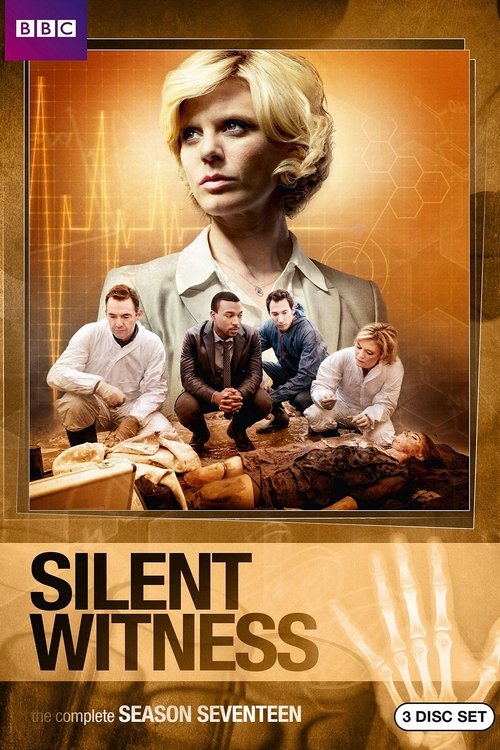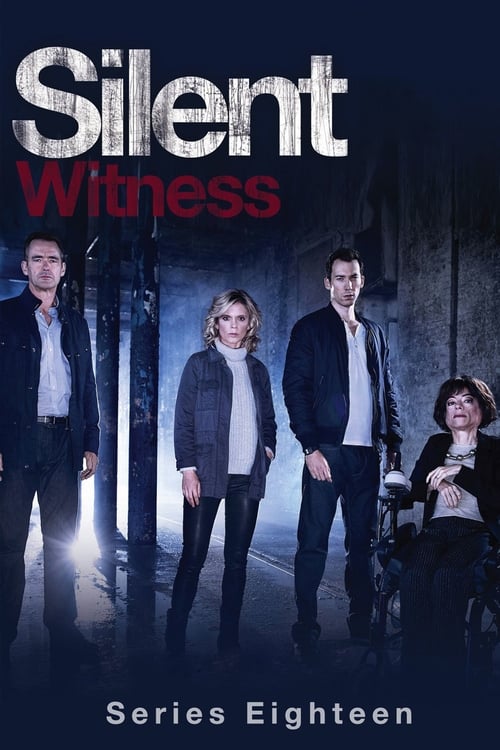
If you’ve been sleeping on Silent Witness, honestly, it’s time to reconsider what you think a crime drama can actually be. When Nigel McCrery created this show back in 1996, he tapped into something that’s proven remarkably durable—the idea that forensic science itself could be the protagonist of a television series. Over nearly three decades and 263 episodes, Silent Witness has quietly become one of the BBC’s most resilient dramas, and it didn’t achieve that through flashy gimmicks or exhausting plot twists. It earned its place through something far more valuable: genuine storytelling craft.
What makes Silent Witness stand out in the crowded crime drama landscape is its forensic focus. Rather than chasing procedural formulas where detectives crack cases through interviews and hunches, McCrery centered the entire narrative around pathologists and forensic experts who quite literally speak for the dead. That perspective shift changes everything. The 60-minute episodes allow enough space to properly develop cases while maintaining genuine tension—not rushed, breathless urgency, but the kind of methodical pacing that mirrors actual forensic investigation. You’re following the evidence, watching experts interpret what bodies can tell us about violence, secrets, and truth.
The show’s cultural footprint has been understated but significant. While it never commanded the same cultural conversation as, say, British crime dramas became known for in later years, Silent Witness created something more lasting: a model for how to sustain a crime series across decades without burning out its premise. The fact that it’s currently a Returning Series after nearly 30 seasons tells you something crucial about audience loyalty. People kept coming back because the show respected their intelligence and delivered consistent quality.
> The series proved that you don’t need a brilliant detective or a tortured lead character to anchor a drama—you need compelling cases and characters who grow with nuance over time.
There’s something about the forensic procedural format that creates natural storytelling variety. Unlike detective-led shows where the protagonist’s personal life often becomes the narrative crutch, Silent Witness derives drama from the cases themselves and the moral questions they raise. A body can’t lie, but its story can be interpreted in multiple ways. That ambiguity, that space between facts and their meaning, is where the show’s best episodes live.
The cast stability over these 29 seasons has been another anchor. While shows often stumble when key actors leave, Silent Witness has managed transitions through careful character development and ensemble building. The pathologists feel like real colleagues—they have professional relationships, occasional tensions, moments of genuine camaraderie. That matters enormously when you’re asking audiences to return week after week to watch people dissect cadavers.
Key reasons the show endured:
- Forensic focus distinguishes it from standard detective procedurals
- Respect for audience intelligence—cases aren’t artificially simplified
- Moral and ethical complexity woven into crime narratives
- Strong ensemble rather than reliance on a single charismatic lead
- Consistent quality across 263 episodes (maintaining that 7.5/10 rating across 29 seasons is genuinely impressive)
- Willingness to engage with contemporary social issues through the lens of forensic investigation
The 60-minute runtime has been crucial to the show’s success in ways that might seem obvious but actually deserve emphasis. It’s long enough to breathe—to establish a case, follow the forensic investigation, discover complications, and reach conclusions that feel earned rather than rushed. In an era where television often prioritizes breakneck pacing, Silent Witness proved that audiences will follow a methodical investigation if it’s compelling enough. That’s not slow television; it’s intelligent television.
McCrery’s original vision created something that transcended the typical crime procedural trap: becoming repetitive and predictable. By focusing on how forensic evidence tells stories rather than on detective heroics, he built a framework flexible enough to sustain 263 episodes without exhaustion. The show could explore different types of cases, different moral dilemmas, different interpretations of evidence, without the premise itself becoming stale.
The series also deserves credit for navigating how forensic science itself has evolved. When the show premiered in 1996, DNA evidence was relatively novel in public consciousness. As science advanced—and as television audiences became more forensically literate—Silent Witness adapted, incorporating new techniques while maintaining the core mystery about what evidence can and cannot tell us about human behavior.
What keeps people invested across 29 seasons is ultimately the show’s commitment to character and consequence. These aren’t detectives cracking cases and moving on—they’re professionals whose work accumulates, whose experiences shape them, who occasionally must confront the emotional weight of what they do. That’s the difference between a procedural and a drama. Silent Witness remembers it’s the latter.
For anyone curious why this show continues to be commissioned, why it keeps finding audiences across multiple streaming platforms, the answer is straightforward: it works. It respects its audience, trusts its premise, and executes consistently across nearly three decades. That’s not just good television—that’s achievement worth witnessing.