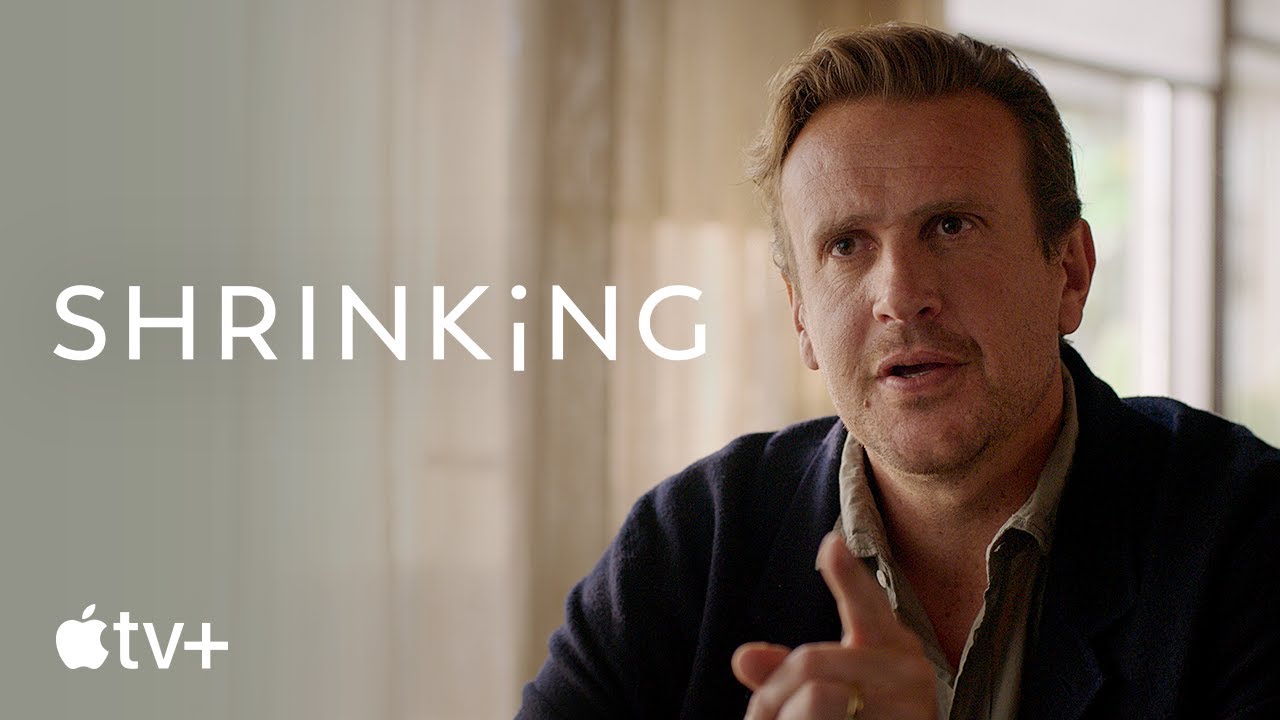
When Shrinking debuted on Apple TV on January 26, 2023, it arrived as something genuinely refreshing in the streaming landscape—a show that dared to be both deeply emotional and genuinely funny without feeling like it was trying too hard to be either. Created by Brett Goldstein, Jason Segel, and Bill Lawrence, this drama-comedy hybrid immediately struck a chord with audiences looking for intelligent storytelling that didn’t sacrifice heart for cynicism. The fact that it’s maintained a solid 7.8/10 rating across its three-season run speaks to its consistency; this isn’t a show that peaked early and faded, but rather one that audiences have genuinely stuck with and continued to champion.
What makes Shrinking particularly significant is how it tackles the intersection of mental health and masculinity in ways that feel earned rather than preachy. The show centers on a grieving therapist who abandons his professional neutrality to become brutally honest with his clients, a premise that could easily tip into territory that feels exploitative or gimmicky. Instead, the creative team crafted something that explores what happens when someone suffering breaks the rules they’ve lived by—and how that rule-breaking, while fundamentally flawed, can actually catalyze real change and connection.
The creative vision behind the show deserves real recognition. Lawrence, known for his work on Scrubs and Ted Lasso, brought his signature warmth and understanding of ensemble dynamics. Segel’s involvement as both writer and star grounded the show with genuine vulnerability, while Goldstein’s presence and production work ensured the comedy hit with sharp precision. Together, they created something that doesn’t feel like it’s made by committee or designed to chase metrics—it feels personal and considered.
The show’s approach to blending genres has become something of a cultural reference point. Over 33 episodes across three seasons, Shrinking proved that you could have:
- Moments of genuine pathos and grief without descending into melodrama
- Laugh-out-loud comedy that doesn’t diminish the emotional stakes
- Character development that feels organic rather than plot-driven
- Complex relationships that resist easy resolution or moral judgment
- Representation and diversity that feels naturally integrated into the storytelling
> The show’s real triumph is that it makes you care about these broken people in ways that feel surprising—not because you’re being manipulated, but because their struggles feel authentic and their humor feels earned.
The cultural footprint Shrinking has left extends beyond typical water-cooler moments. It sparked genuine conversations about therapy, vulnerability, and the myths around masculinity that men are still grappling with. Characters like Paul (played by Segel) became emblems for a certain kind of modern struggle—successful on paper, devastated internally, searching for permission to be honest about the gap between those two realities. These aren’t revolutionary themes, exactly, but the show’s willingness to sit with discomfort and let characters be messy made them feel urgent and contemporary.
The creative decision to keep episode runtimes flexible—allowing stories to breathe without constraining them to rigid structures—demonstrates a confidence in the material and the audience’s attention. Some episodes needed 45 minutes, others maybe less, and the show adapted accordingly. This flexibility is a small thing that speaks to the larger philosophical approach: Shrinking trusts its viewers and its storytelling enough not to artificially inflate or trim narratives.
What’s particularly impressive is the show’s trajectory as a Returning Series. Rather than burning out or jumping the shark, Shrinking has maintained its quality across its three-season run. The 7.8 rating represents genuine, sustained approval—not a critical darling that audiences found too niche, but a show that continues to find and resonate with viewers. Looking at the distribution of ratings from its 46,000+ user ratings, you see strong clustering around 8s and 9s, suggesting deeply satisfied viewers rather than polarized reception.
The show has also managed something rare: it’s genuinely hopeful without being naive. In a television landscape often dominated by grimdark cynicism on one end and saccharine sentimentality on the other, Shrinking occupies this intelligent middle ground. It acknowledges that life is difficult and people are complicated, but it also suggests—through its comedic moments and moments of genuine connection—that growth and change are possible. That’s a radical act in contemporary storytelling.
For television enthusiasts, Shrinking represents the kind of creative risk that only becomes possible when you have the right combination of talent, a network willing to trust them, and an audience ready for something that refuses to fit neatly into existing boxes. It’s not trying to be the biggest show on television or win every award. It’s trying to tell true stories about broken people finding unexpected ways forward—and in doing so, it’s created something that genuinely matters.