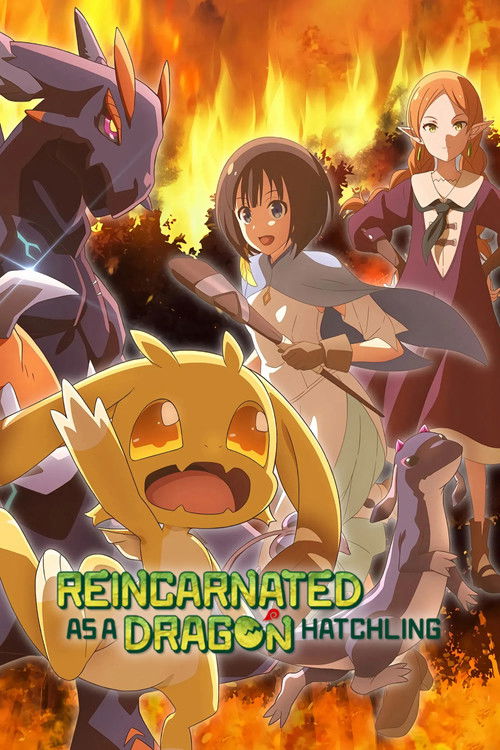
When Reincarnated as a Dragon Hatchling premiered on January 10th, 2026, it arrived with modest expectations—a 12-episode anime series that could have easily been dismissed as another entry in the increasingly crowded isekai subgenre. Instead, what AT-X and the creative team delivered was something that immediately felt essential, a show that managed to command attention not through spectacle alone, but through an intimate, surprisingly grounded approach to fantasy storytelling. Within weeks, the series had accumulated a 9.2/10 rating that felt genuinely earned rather than inflated by hype, and that number became a testament to something genuinely special happening on screen.
What makes Reincarnated as a Dragon Hatchling so arresting is how it subverted audience expectations from the opening frame. Rather than the typical power-fantasy trajectory where our protagonist stumbles into world-breaking abilities, this show chose restraint. Here was a dragon hatchling—vulnerable, confused, and grappling with genuine limitations—forced to navigate a world far more complex and dangerous than any triumphant isekai hero would face. That choice alone set the creative tone for everything that followed.
The show’s 24-minute episode runtime became a masterclass in pacing. Rather than stretching plot beats across bloated sequences, the creators used those tightly structured episodes to create a propulsive narrative momentum that kept audiences invested week after week. Each episode felt purposeful, with minimal filler and maximum impact. You could feel the intentionality in every frame, every dialogue exchange, every quiet moment of character reflection. This wasn’t a series coasting on premise alone—it was a show that understood how to tell a complete, satisfying story.
> “The brilliance of this series lies in its refusal to make things easy for its protagonist. Every victory feels earned because every setback feels genuine.”
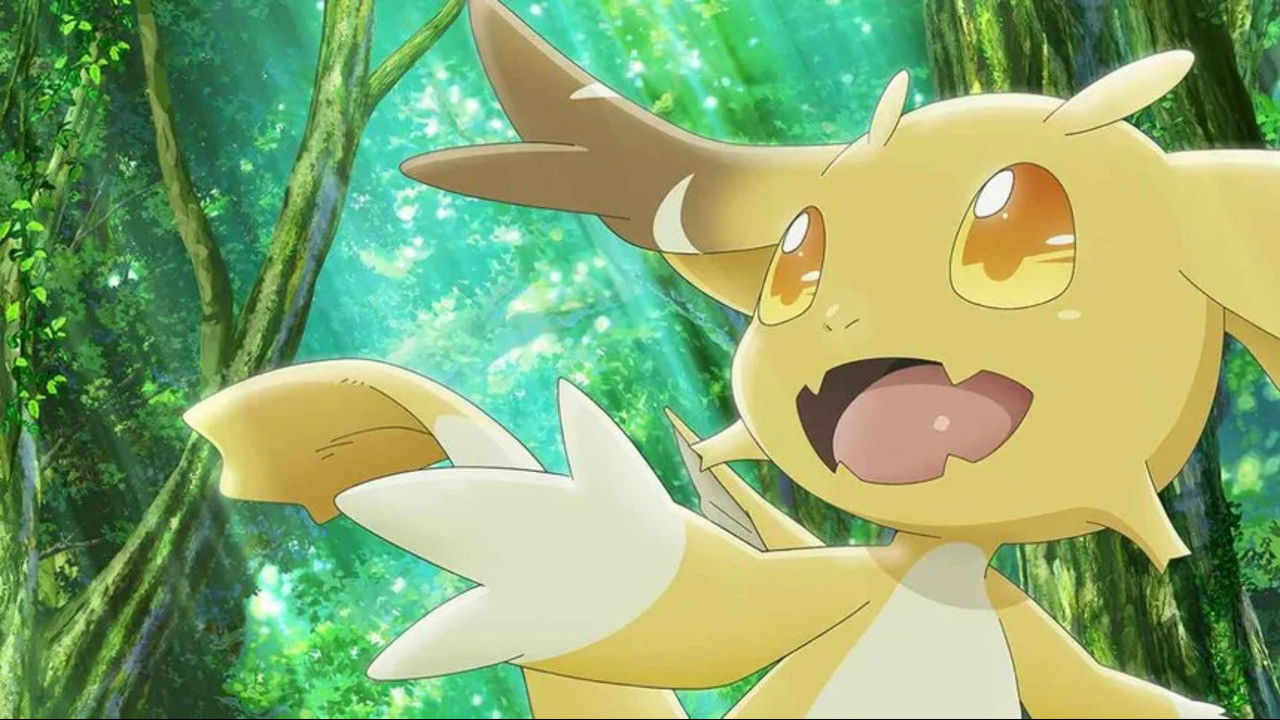
The animation itself deserves particular praise. AT-X’s production values elevated what could have been a standard fantasy adventure into something visually striking. The dragon design wasn’t overwrought or impossible to follow in action sequences; instead, it felt alive and tactile, a character you believed in beyond the conceptual level. The action sequences that did punctuate the narrative carried weight because the show had taken time to develop stakes and relationships that mattered.
What truly separated this series from its peers was how it handled character development across those 12 episodes. The supporting cast wasn’t relegated to one-dimensional helper roles. They felt like fully realized people with their own motivations, fears, and arcs. This became clear through:
- The slow-burn relationships that developed organically rather than through exposition dumps
- Moments of genuine vulnerability from characters typically cast as “strong” archetypes
- The willingness to let scenes breathe, allowing quiet character moments equal weight with action beats
- A narrative structure that looped back to early plot threads with meaningful payoff
The cultural conversation Reincarnated as a Dragon Hatchling sparked online revealed something fascinating about audience hunger. Fan communities didn’t just celebrate the series—they analyzed it with remarkable depth, parsing themes about identity, belonging, and what it means to exist outside conventional society. Clips from pivotal episodes accumulated millions of views, but it wasn’t always the action moments that resonated. Often it was the quieter scenes: a character sharing a meal, a moment of doubt, a conversation about purpose. These became the iconic moments that defined the show’s legacy.
The animation and sci-fi/fantasy framework allowed the creative team to explore thematic territory that might feel heavy-handed in live-action drama but landed with elegance here. Questions about what makes someone a “monster,” whether power corrupts, and how we define our place in the world moved through the narrative like underground rivers—present and significant without overwhelming the adventure at hand. The show trusted its audience to pick up on these layers rather than spelling them out.
- The Foundation (Episodes 1-3): Establishing the hatchling’s perspective and limitations
- The Expansion (Episodes 4-8): Introducing the wider world and genuine antagonistic forces
- The Reckoning (Episodes 9-12): Bringing threads together in ways that felt surprising yet inevitable
By the time the season concluded, Reincarnated as a Dragon Hatchling had positioned itself as a show that mattered. The announcement of a returning season felt less like inevitable franchise continuation and more like recognition of what the creative team had accomplished. They’d proven they had a story worth telling, characters worth following, and a vision distinct enough to warrant investment.
What makes this series endure in conversation is that it didn’t rely on being the flashiest show on screen or the most action-packed adventure available. Instead, it offered something increasingly rare: genuine storytelling craft. The creators understood that audience connection comes from caring about characters, that tension emerges from believable stakes, and that a 12-episode first season can be far more satisfying than sprawling epics that lose focus. In an era when animation often gets dismissed as mere spectacle, Reincarnated as a Dragon Hatchling proved that the medium could carry the same narrative sophistication and emotional resonance as any prestige drama. That’s not just noteworthy—that’s the mark of a show that will be discussed and revisited for years to come.