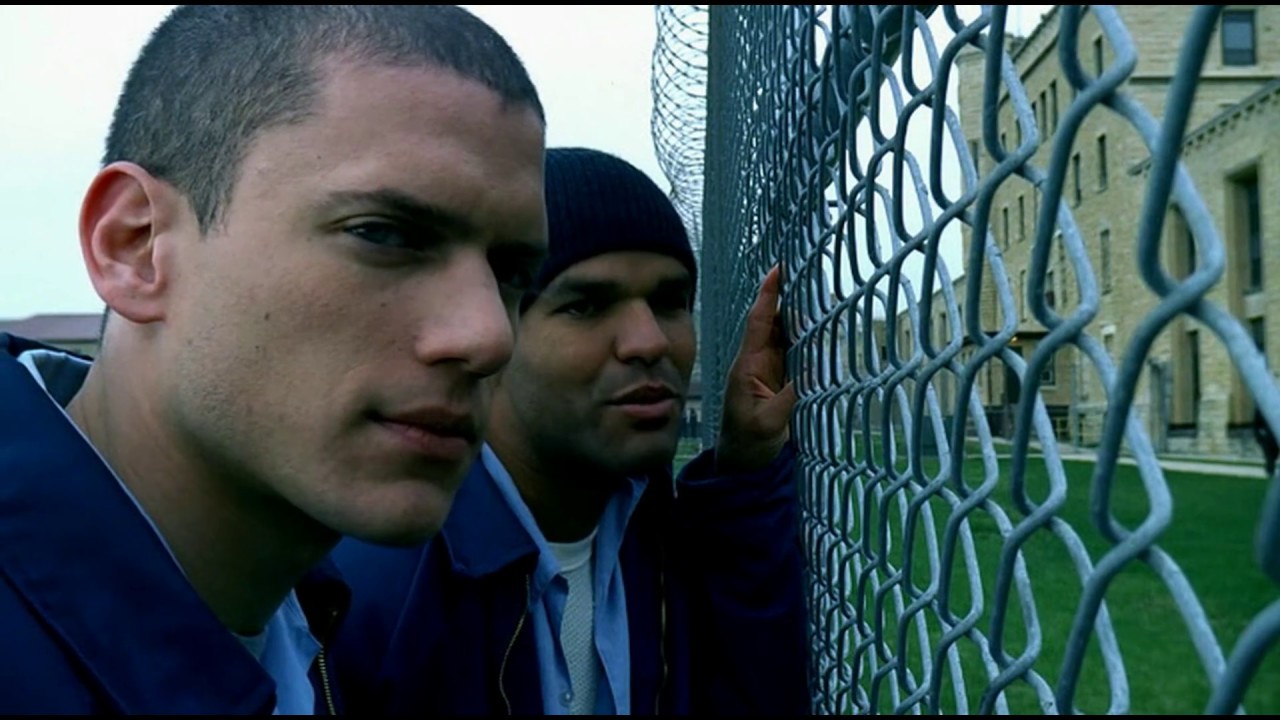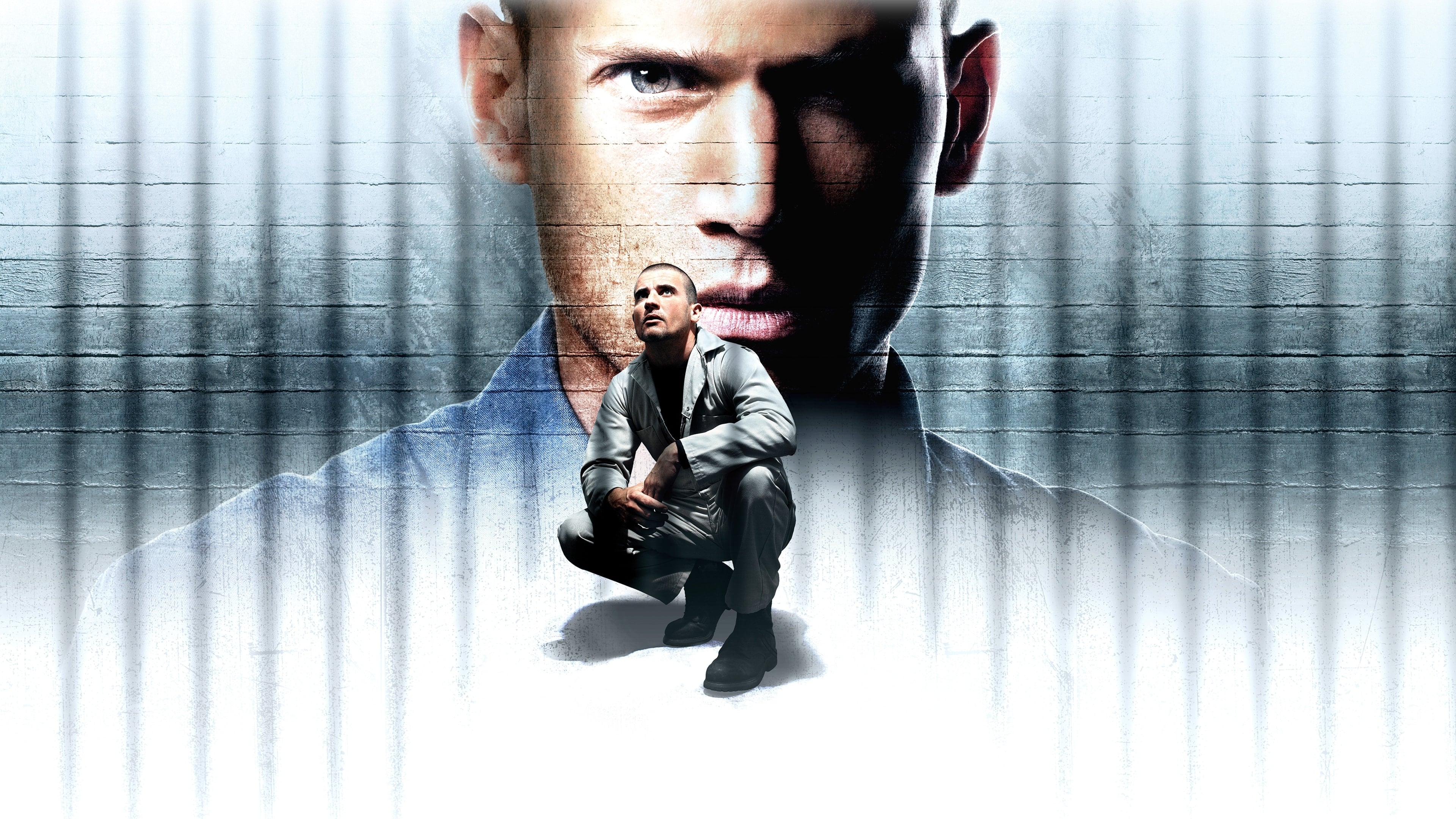
When Prison Break debuted on FOX back in August 2005, it arrived with a deceptively simple premise that would evolve into one of television’s most audacious experiments in serialized storytelling. What made Paul T. Scheuring’s creation so magnetic wasn’t just the high-concept setup—an engineer imprisoned for a crime he didn’t commit, deliberately getting locked up to help his brother escape death row—but rather the meticulous execution of that concept. Over five seasons and 88 episodes, the show didn’t just sustain that central tension; it transformed how audiences thought about what television drama could achieve.
The show’s significance in the broader television landscape really can’t be overstated. This was a series that thrived on intricate plotting and architectural precision, turning every episode into a puzzle box where viewers felt they were uncovering schemes alongside the characters. The enigmatic Michael Scofield, with his tattooed body serving as a blueprint for escape, became an icon precisely because he represented something audiences craved: a protagonist whose intelligence was the engine of the narrative. That 8.1/10 rating reflects something deeper than simple viewership numbers—it’s recognition of a show that respected its audience enough to make every detail matter.
What truly separated Prison Break from standard action-adventure fare was its willingness to complicate its own premise. The show could have simply been about one spectacular escape, but instead it asked harder questions:
- What happens after you escape? The show’s expansion beyond Fox River prison became its boldest creative choice, suggesting that freedom was itself a prison of complications, conspiracies, and unforeseen consequences
- How far will you go for family? Michael’s obsessive devotion to saving Lincoln created moral gray areas that deepened as the series progressed
- What’s the cost of a flawless plan? Each successful gambit spawned new problems, new enemies, new impossible situations
- Can you trust anyone? The constant shifting of allegiances kept viewers perpetually off-balance
The cultural footprint of Prison Break remains surprisingly durable. When the show aired those early season finales—particularly that explosive first season closer where the actual escape finally happened—water cooler conversations became mandatory viewing. Episodes like the season one finale achieved a 9.6/10 rating for good reason: they delivered payoffs that felt earned rather than manipulative. The show became a phenomenon that influenced how networks thought about sustained narrative tension, paving the way for the prestige-drama boom that would follow.
One of the most fascinating aspects of how Prison Break operated was its relationship with episode structure and pacing. With unknown runtimes that could flex based on story needs, the show had unusual freedom in how it parceled out information and action sequences. This wasn’t a show bound by rigid commercial breaks and formulaic structures—each installment could breathe and expand or contract depending on what the narrative demanded. That flexibility likely contributed to why the series maintained momentum across its five-season arc.
> “The show understood something fundamental: the best escape narratives aren’t actually about freedom—they’re about the impossible choices you make when freedom seems impossible.”
The streaming era has given Prison Break an entirely unexpected second life. When the series recently raced to number one on Nielsen’s streaming charts across Netflix, Hulu, and Netflix Standard with Ads, it revealed something crucial about the show’s lasting architecture. It holds up. The meticulously constructed plotting, the character relationships that matured over time, the sheer technical ambition of tracking multiple plans simultaneously—these elements transcend their original broadcast context. The show works in 2005 as event television and in the contemporary era as binge-worthy serialized drama because the fundamentals were rock-solid.
Scheuring’s creative vision was fundamentally about control and its illusion. His protagonist Michael Scofield represents the fantasy of total preparedness—a man who can think his way out of any situation through sheer intelligence and planning. Yet the series’ arc progressively demonstrates that some variables remain uncontrollable: human emotion, institutional corruption that runs deeper than anticipated, the simple randomness of chance. This thematic sophistication elevated Prison Break beyond mere spectacle.
The show’s journey from its August 2005 premiere through its 2017 conclusion tells the story of a series that understood when to evolve. The shift from prison-bound thriller to globetrotting conspiracy narrative felt organic rather than desperate, expanding the scope without losing the intimate character work that made viewers invest in Michael, Lincoln Burrows, and their fractured family dynamic. Even as the ratings dipped slightly across seasons three and four (reflecting the common pattern of serialized dramas), the show maintained narrative integrity.
- Season 1 represented peak conceptual purity—the escape plan as protagonist, audiences learning the full scope of the conspiracy alongside Michael
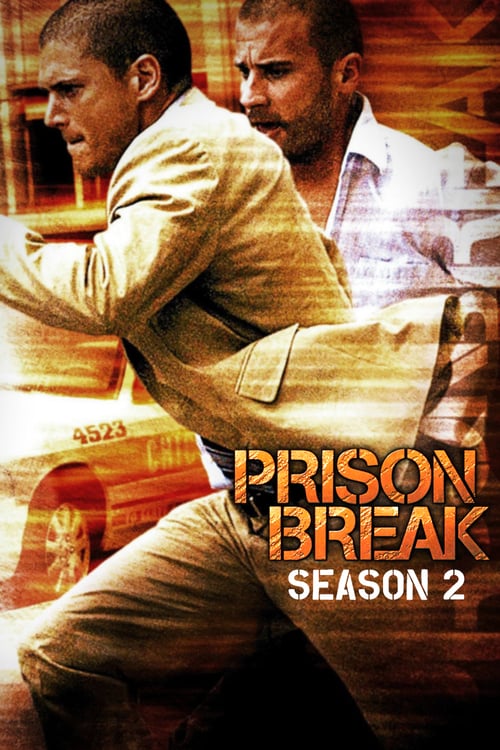
- Season 2 proved the show could sustain tension in the aftermath of its initial victory, transforming escape into evasion
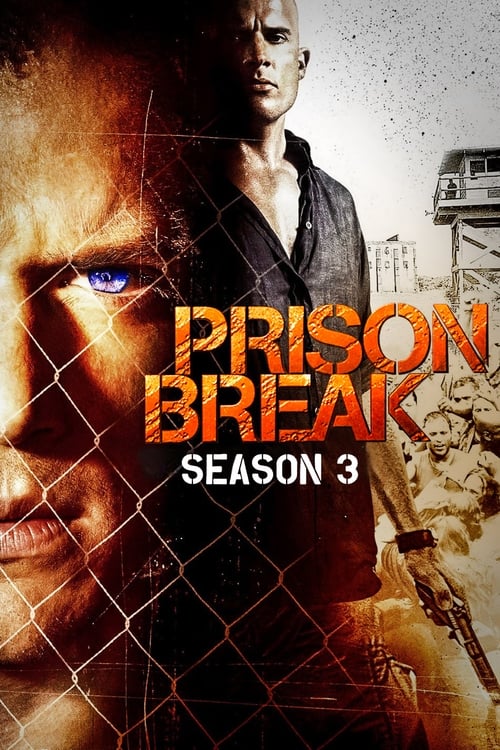
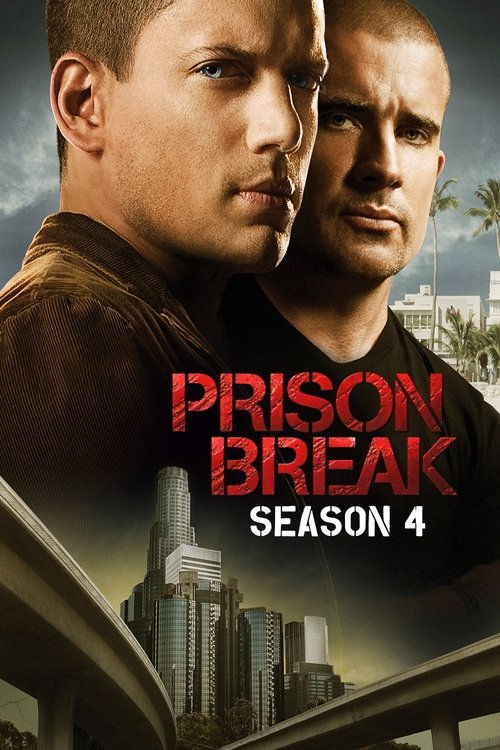
- Seasons 3-4 pushed into territory some found exhausting but others recognized as necessary complication, acknowledging that conspiracy reaches further than any single prison
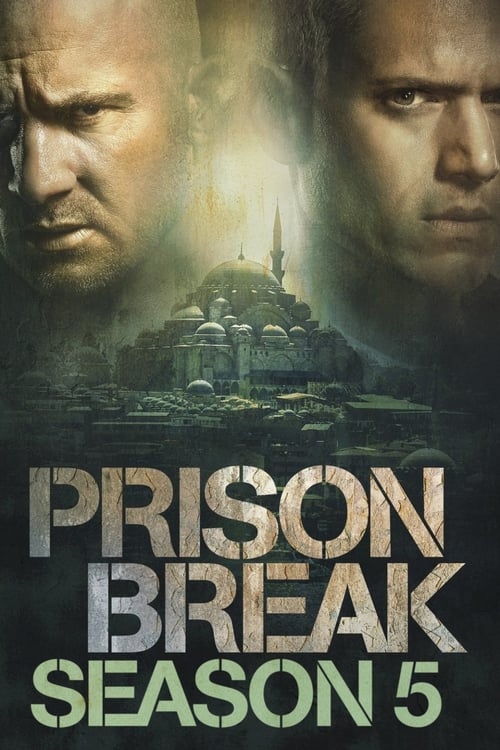
- Season 5 brought narrative closure while acknowledging the personal toll that eight seasons of cat-and-mouse games had extracted
What endures about Prison Break is its fundamental optimism about intelligence and determination paired with its unflinching acknowledgment of moral compromise. Michael Scofield isn’t a hero because he’s good—he’s compelling because he’s willing to sacrifice everything, including his own innocence and sanity, for loyalty. That’s not simple. That’s not easy television. That’s why we’re still watching it stream to the top of ratings charts nearly two decades after it debuted, eager to experience once more the intricate pleasure of watching someone solve the unsolvable.