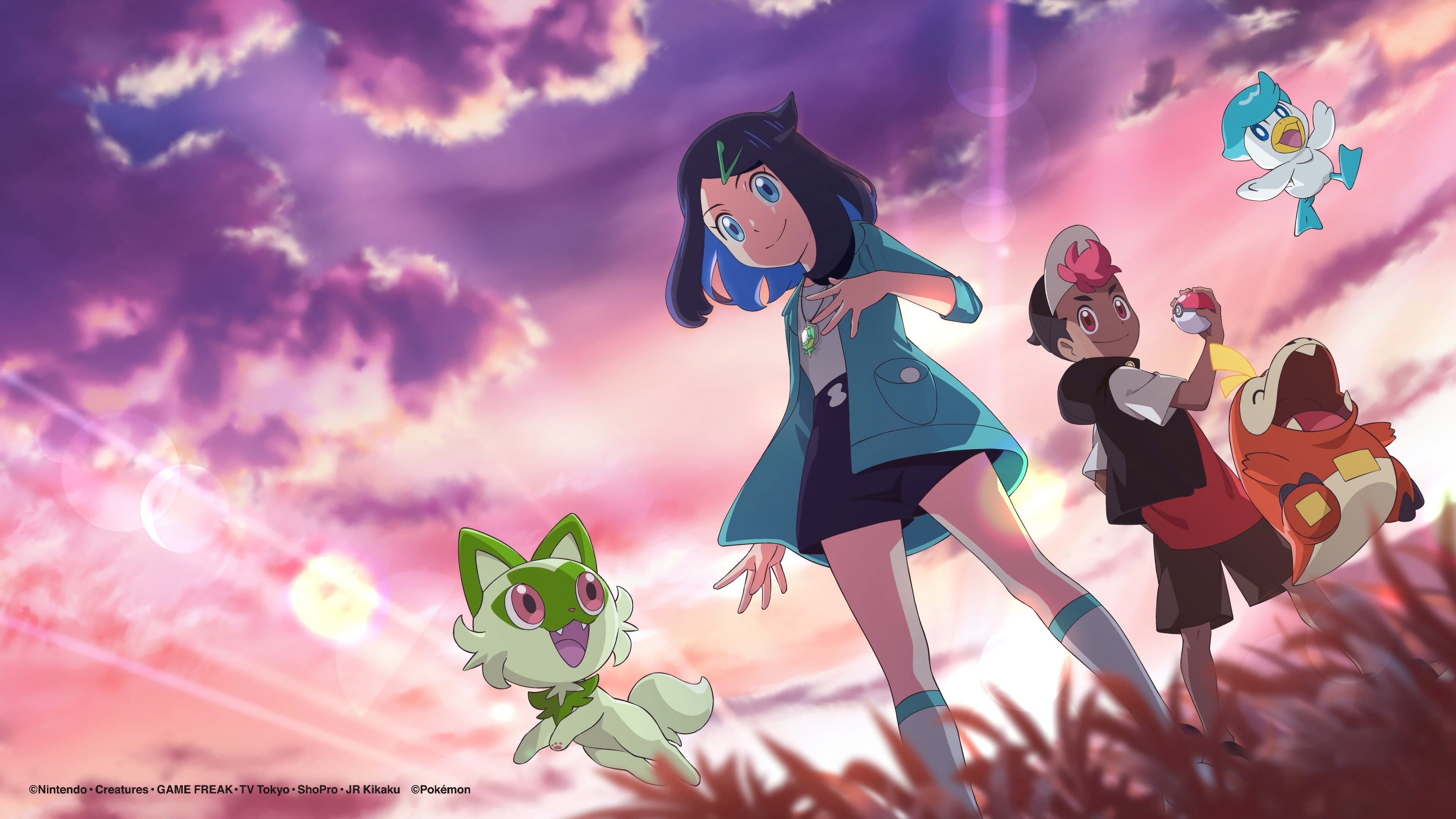
When Pokémon Horizons premiered on April 14, 2023, it arrived at a pivotal moment for the franchise. The long-running anime was ready for reinvention, and what the creators delivered was nothing short of a masterclass in how to respect legacy while boldly charting new territory. This wasn’t just another Pokémon series—it was a deliberate pivot that signaled the franchise understood what modern audiences craved: fresh protagonists, sophisticated storytelling, and an expansion of the universe that went beyond the familiar gym-badge formula.
The most striking achievement of Pokémon Horizons is how it managed to create something that feels simultaneously intimate and expansive. With 125 episodes compressed into its first season, the show demonstrated remarkable discipline in pacing, using its 25-minute runtime with surgical precision. Each episode counts. There’s no filler masquerading as character development—instead, every beat serves the larger narrative architecture that the creators were clearly building from day one.
What makes this series genuinely significant is its approach to ensemble storytelling. Rather than centering everything around a single protagonist obsessed with becoming a champion, Horizons introduces us to Liko and Roy, two characters with distinct motivations and compelling arcs that interweave with the broader mystery unfolding around them. The decision to step away from Ash Ketchum’s shadow—while still honoring the character’s legacy—was gutsy and ultimately vindicated by the critical response.
> The series resonated because it understood that Pokémon fans had grown alongside the franchise. They didn’t need the same story retold; they needed evolution.
The 8.8/10 rating speaks volumes about the audience reception, but what’s more revealing is how people talk about this show. It sparked genuine conversations about narrative structure in kids’ animation, about representation and character agency, and about whether long-running franchises could genuinely reinvent themselves. The fanbase became invested not just in what would happen next, but in how the story was being constructed—and that’s the mark of storytelling that transcends its demographic target.
Key narrative elements that captured audiences:
- The mysterious antagonistic force (represented through Cap and the larger conflict) that gives the adventure genuine stakes beyond tournament victories
- The airship as both literal vehicle and metaphorical space where the cast becomes a found family
- Liko’s personal quest intertwined with a larger conspiracy that rewards attentive viewers
- Roy’s growth from rivalry to genuine partnership, reflecting a maturation of the franchise’s understanding of character dynamics
The creative decision to expand the runtime format while maintaining 25-minute episodes created an interesting tension—one that forced disciplined storytelling. There’s no room for meandering exposition or padding. Every conversation moves the plot forward or deepens character relationships. In an era where many animated series suffer from inconsistent pacing, Horizons proved that constraints can breed creativity rather than stifle it.
From a cultural perspective, this show became instrumental in revitalizing mainstream conversation around the Pokémon anime. The franchise had been running for decades, certainly, but Horizons represented a moment where the anime stepped into genuine cultural prominence again. It wasn’t just “that thing longtime fans still watch”—it became must-see television for both returning enthusiasts and newcomers. That crossover appeal didn’t happen by accident; it stemmed from the creators’ willingness to trust their audience’s intelligence.
The show’s positioning across multiple networks in Japan (TV Tokyo, TV Aichi, TVQ, TV Osaka, and others) alongside simultaneous global distribution through Netflix demonstrates the franchise’s confidence in this property. This wasn’t a regional experiment—it was positioned as a flagship title meant to define what Pokémon animation could be in the 2020s. The availability on both premium Netflix and Netflix with Ads reflected strategic thinking about accessibility, ensuring the show reached the widest possible audience.
What elevated Horizons beyond typical adventure fare:
- Narrative complexity – Mysteries unfold deliberately across episodes, rewarding binge-watching while still functioning as episodic television
- Character authenticity – Liko, Roy, Friede, and their Pokémon companions feel genuinely real rather than archetypical
- Visual storytelling – The animation quality maintained consistency across 125 episodes, no small feat
- Thematic depth – Beneath the adventure lies commentary on growth, trust, and what it means to forge your own path
The announcement that the series is returning for additional seasons validates this approach entirely. This isn’t a one-off experiment—it’s the new direction for Pokémon animation. The creators established a foundation strong enough to sustain expansion, which is precisely what franchises need to thrive in 2024 and beyond.
What makes Pokémon Horizons worth your attention is fundamentally this: it proves that established franchises don’t have to choose between honoring their heritage and creating something genuinely new. By stepping away from what made earlier Pokémon series comfortable and familiar, the creators crafted something that feels necessary. In an entertainment landscape increasingly dominated by derivative content and cynical franchise management, Horizons represents something rarer—passionate, intelligent storytelling that respects both the source material and the audience’s capacity for something better.