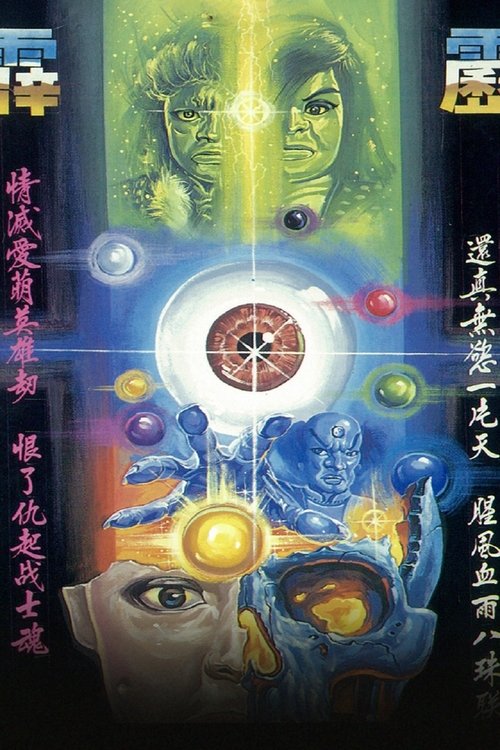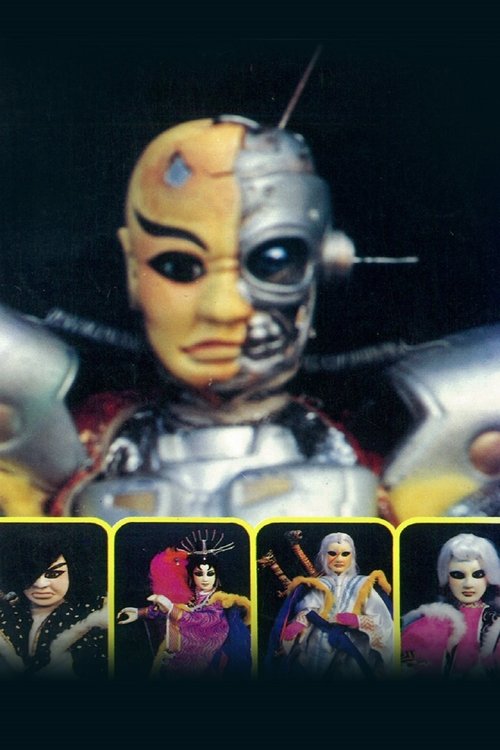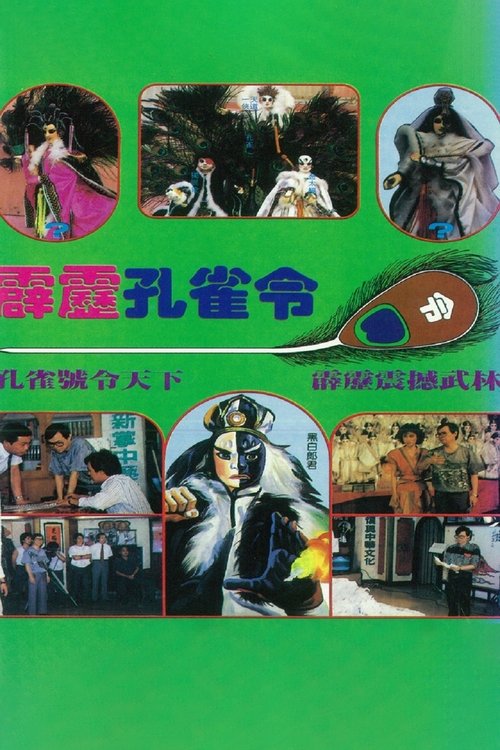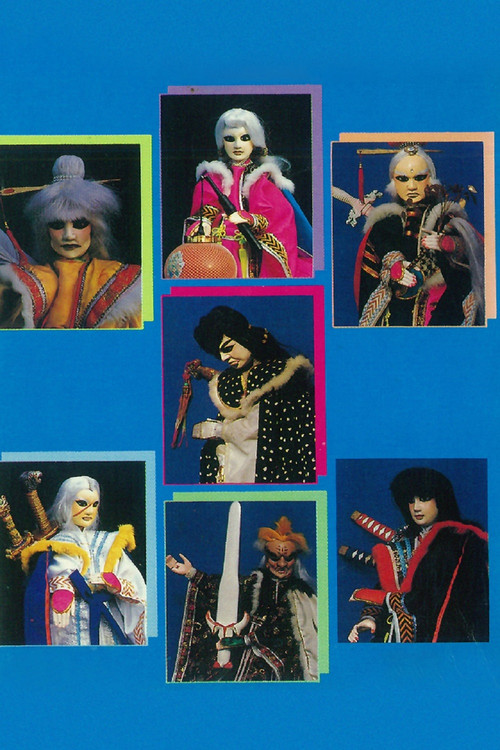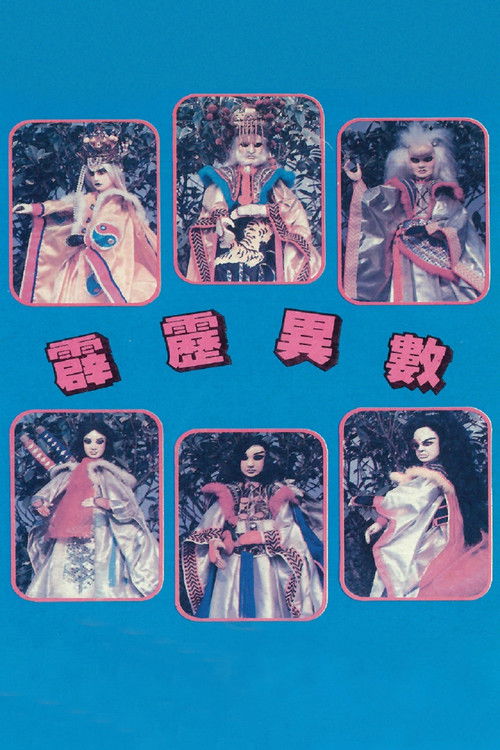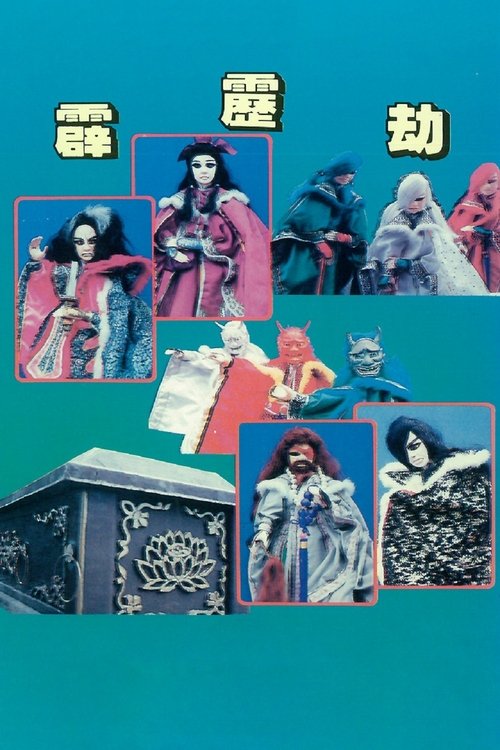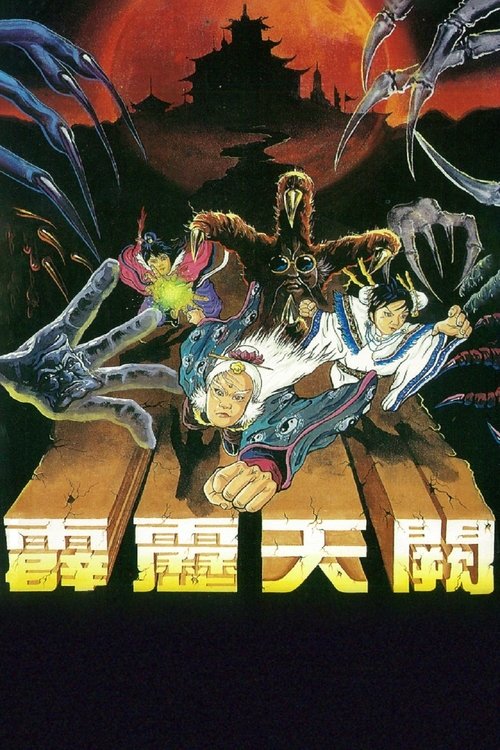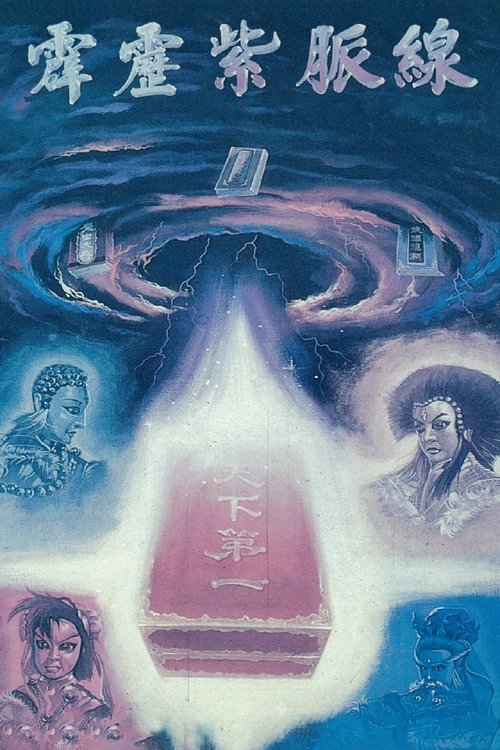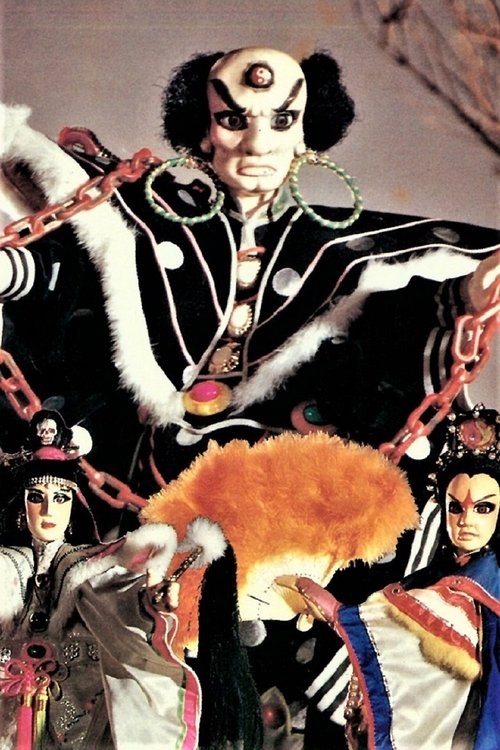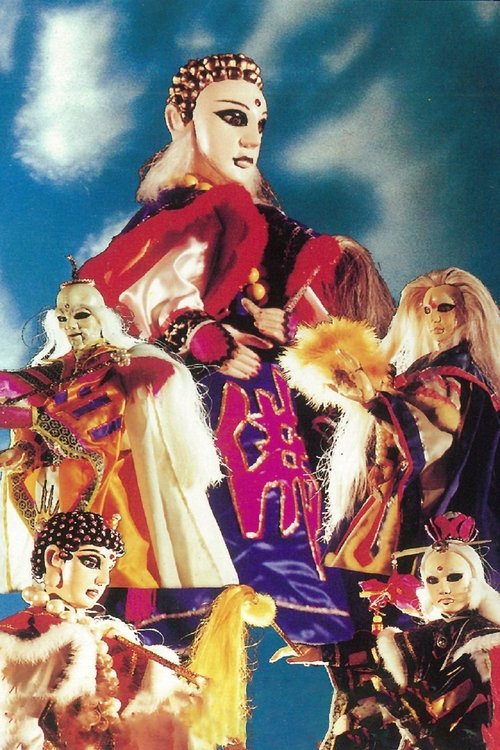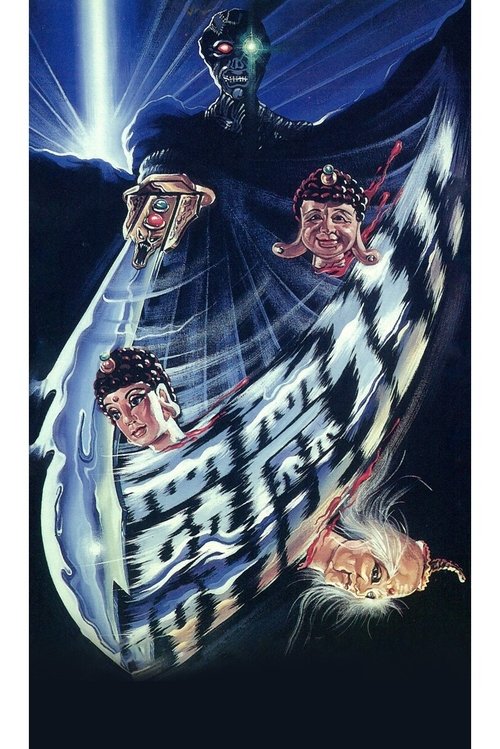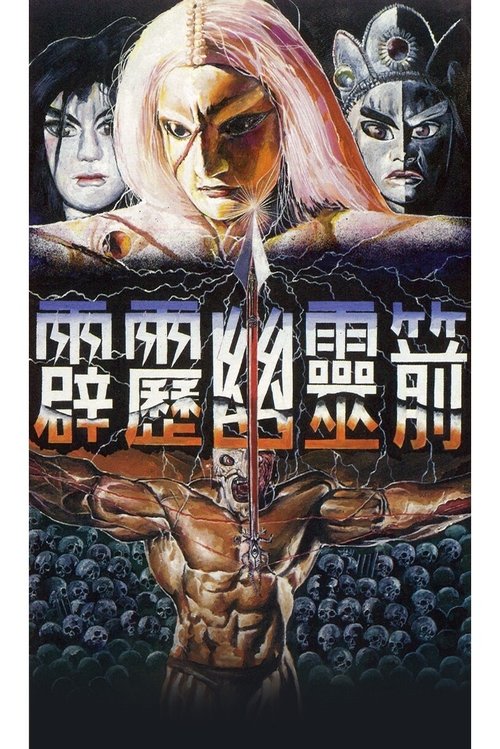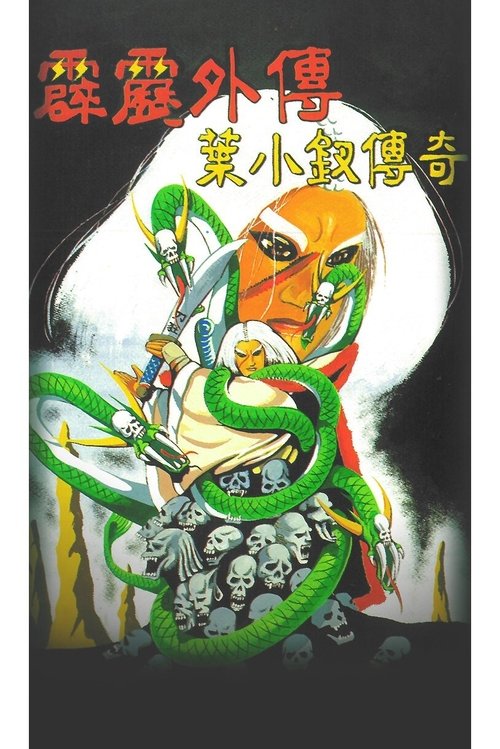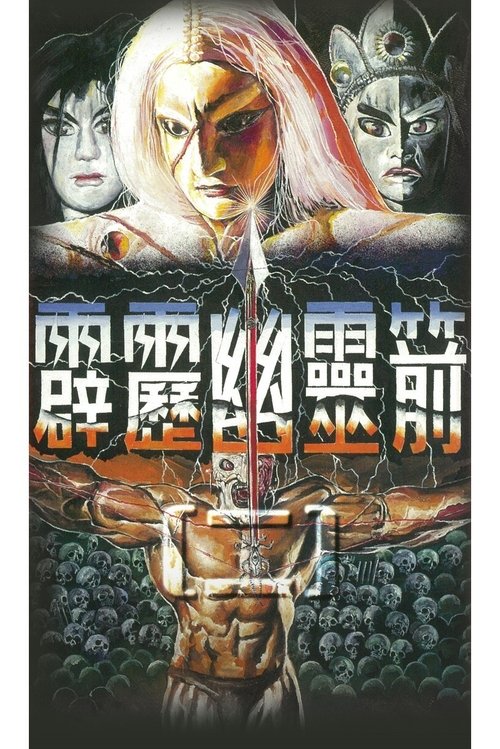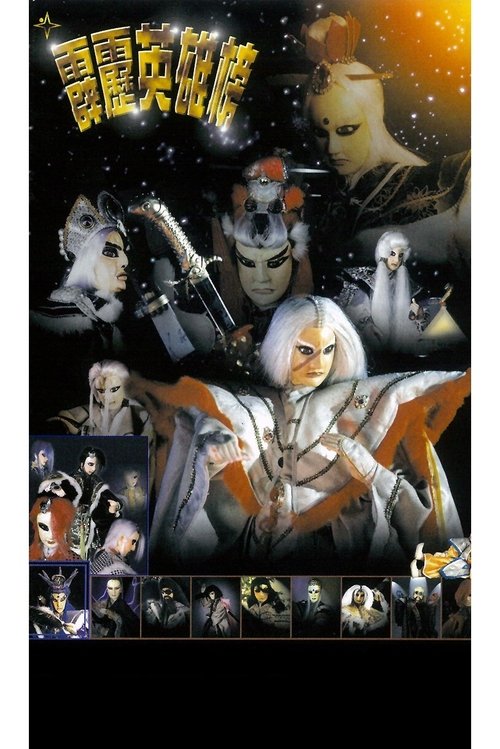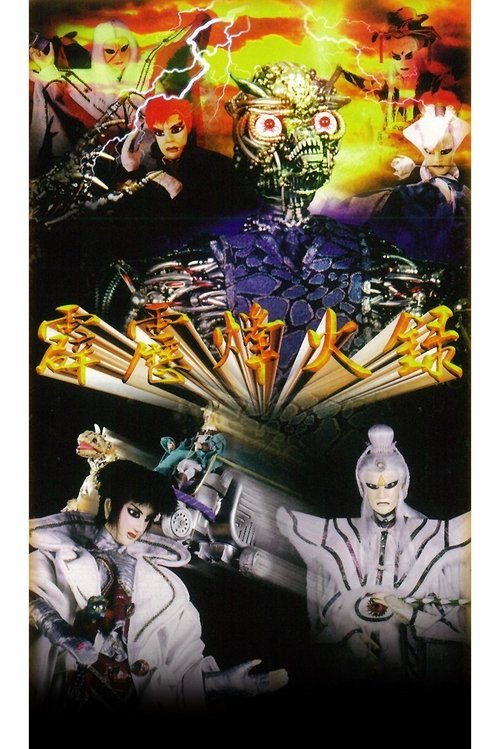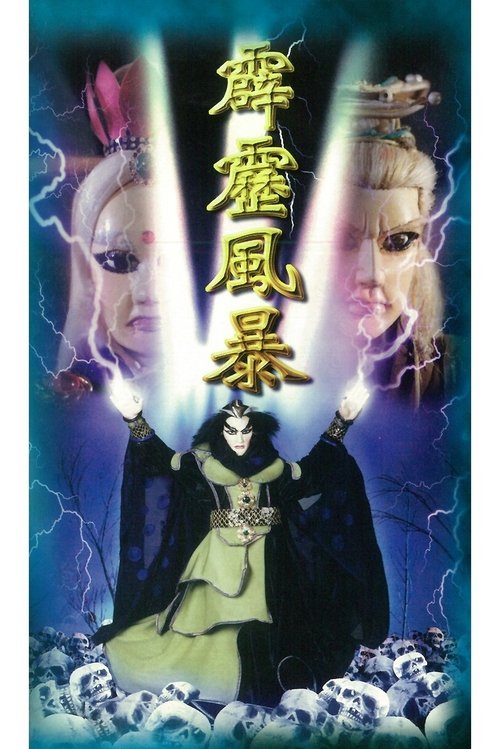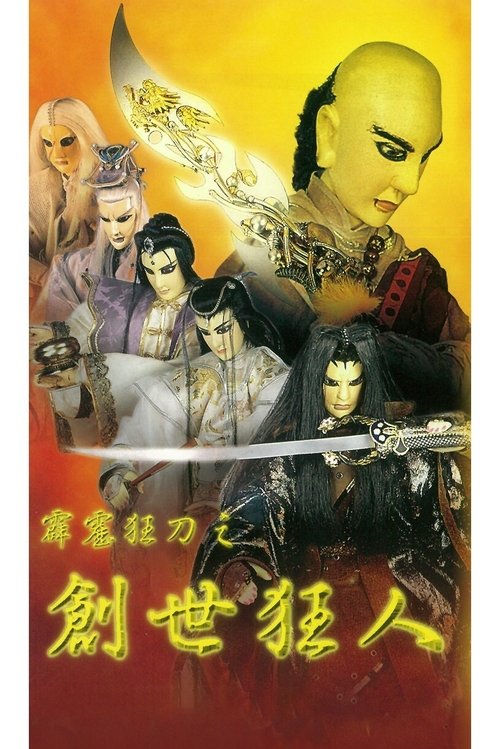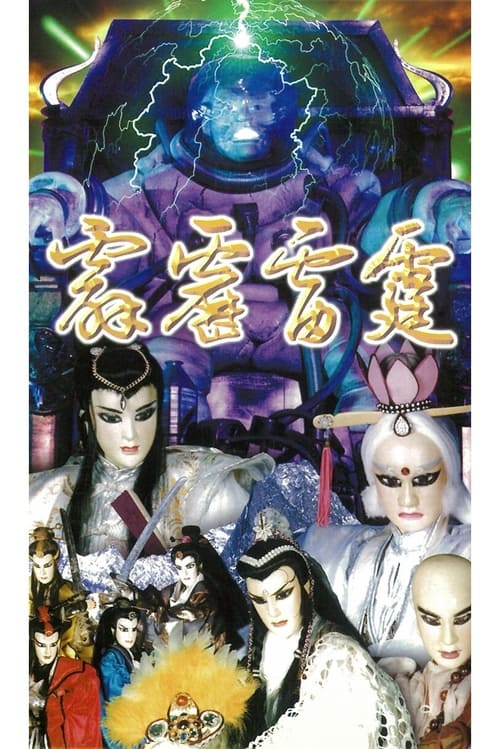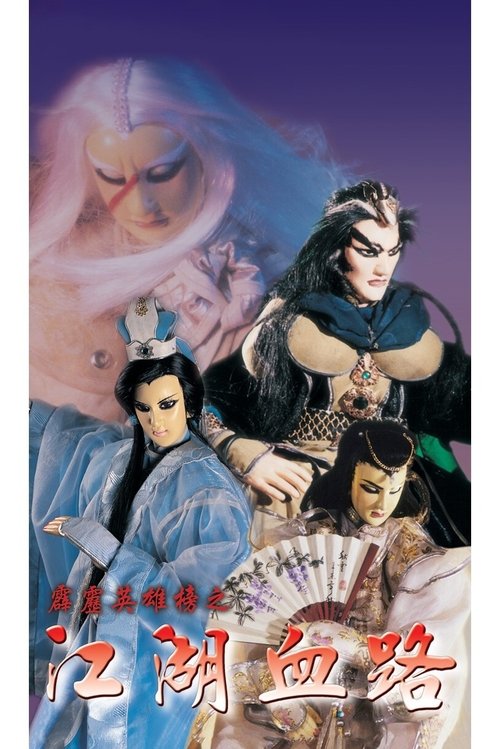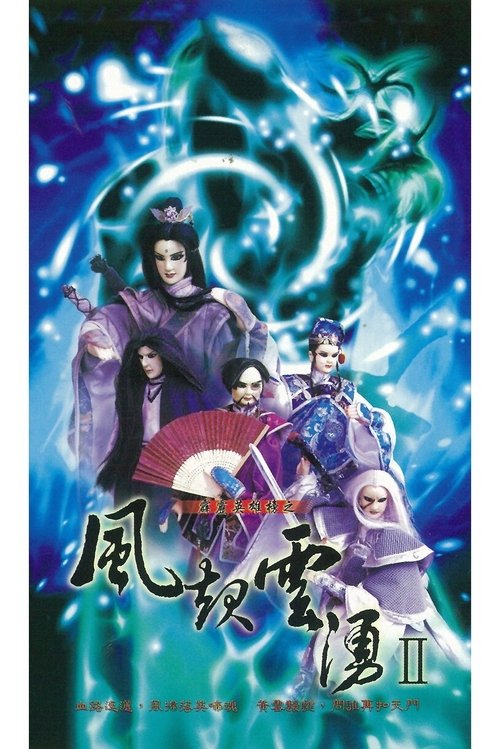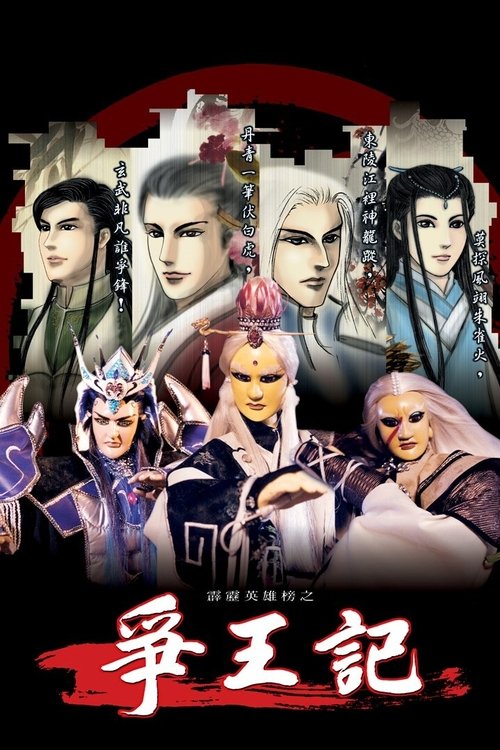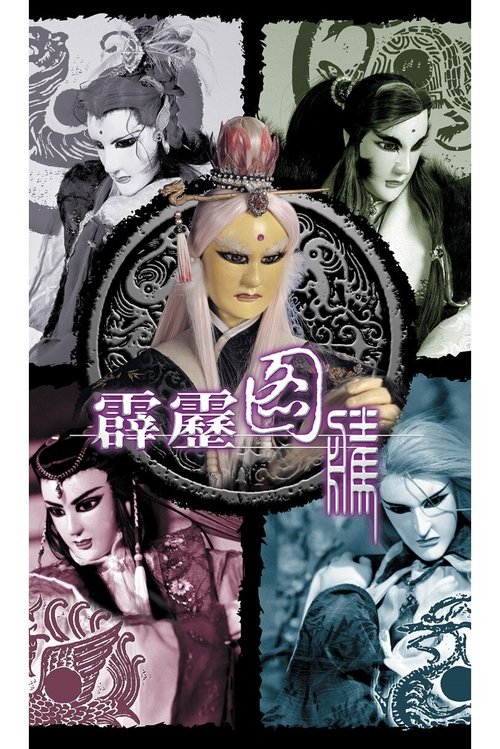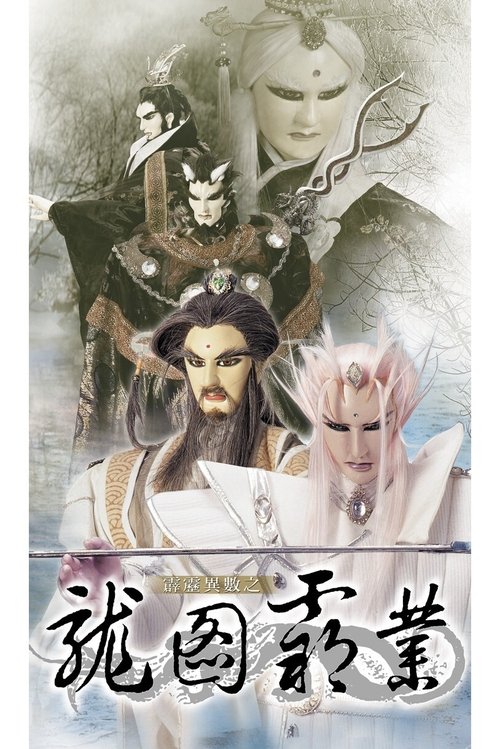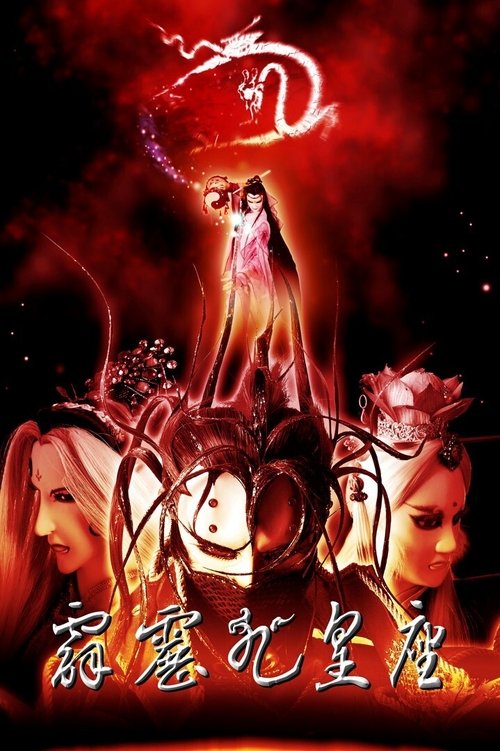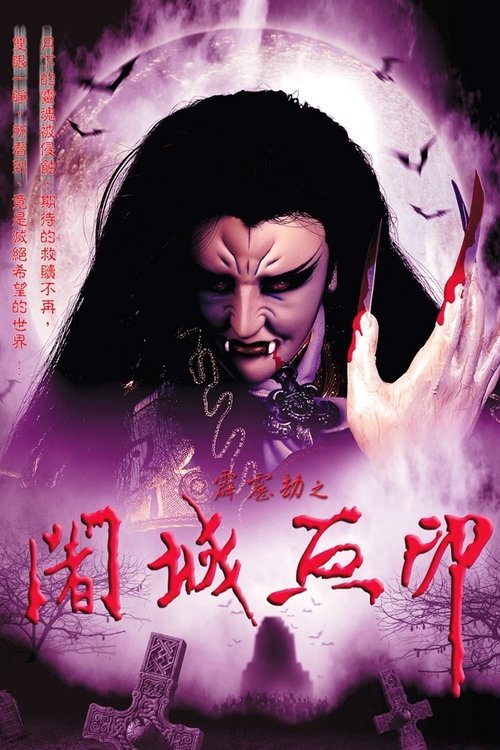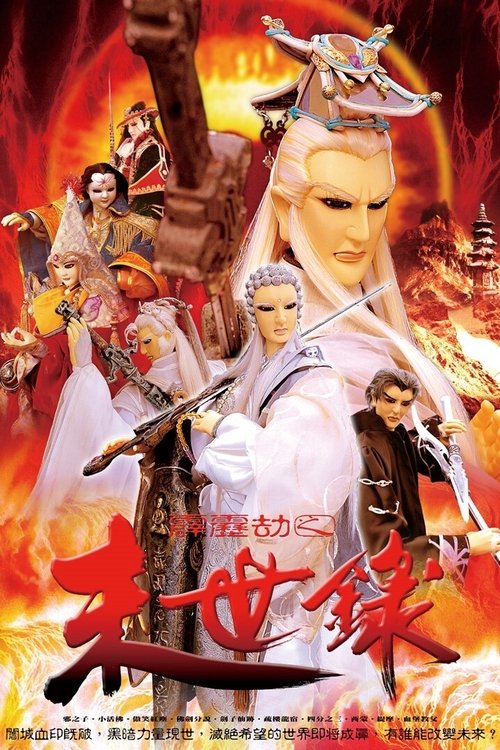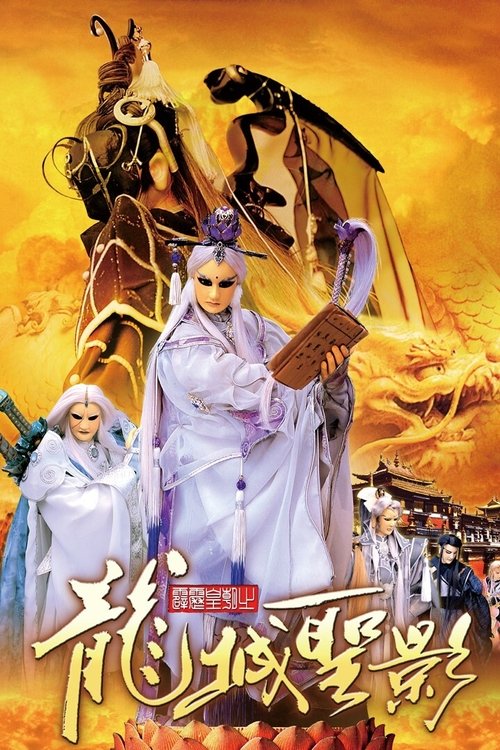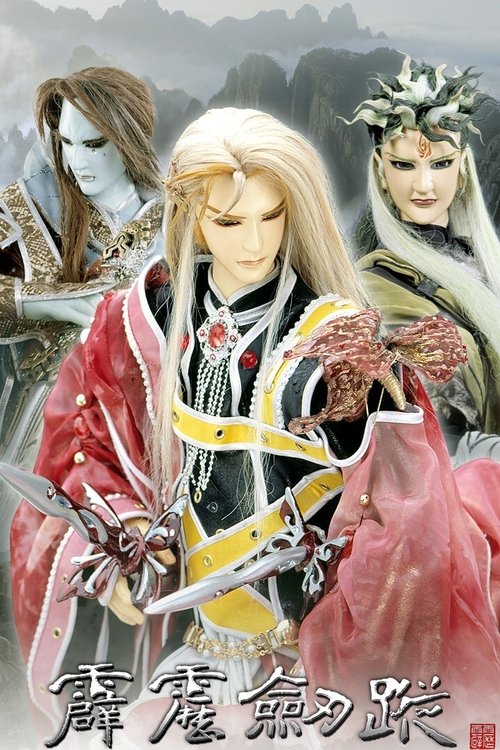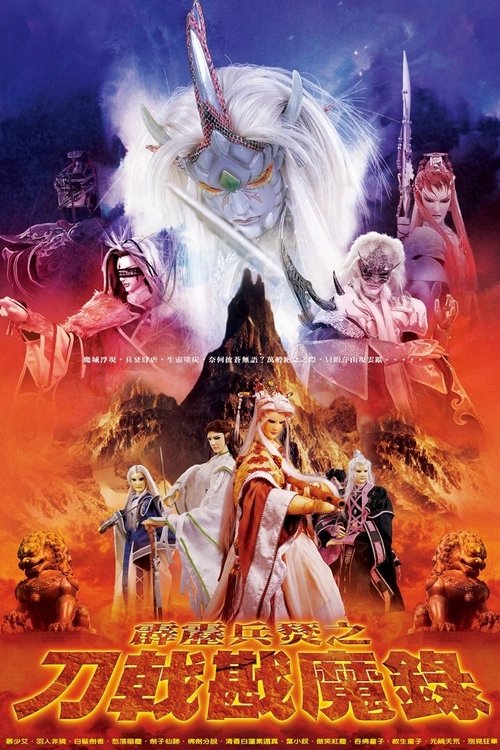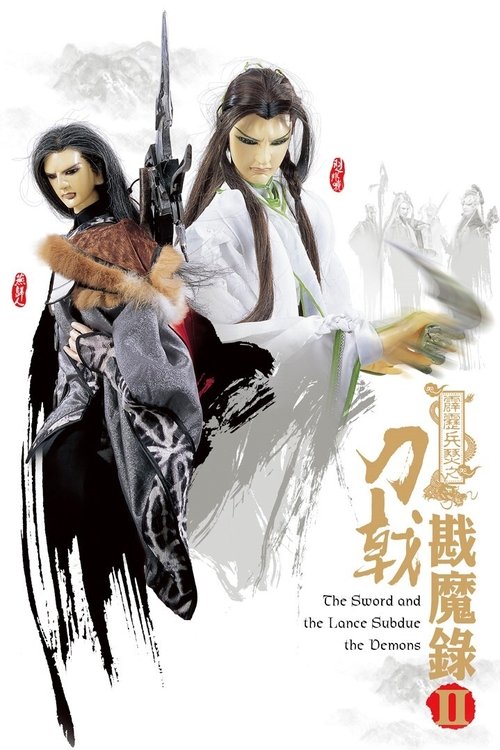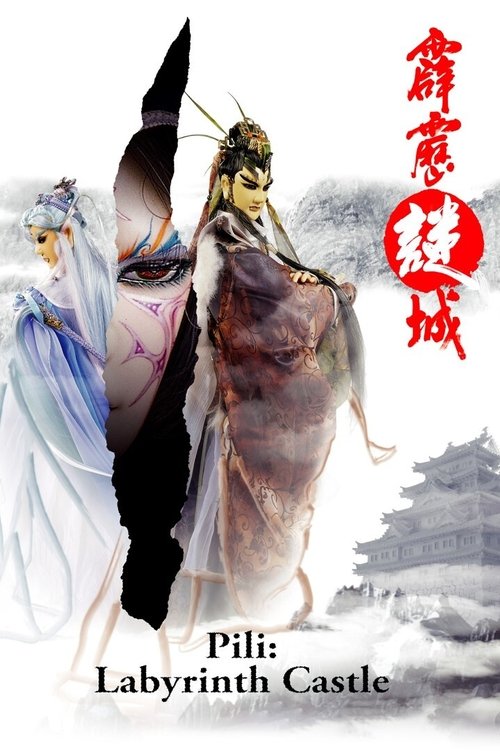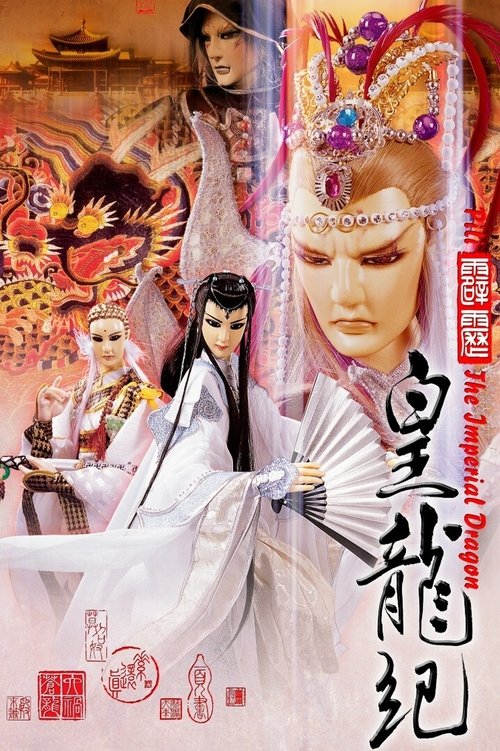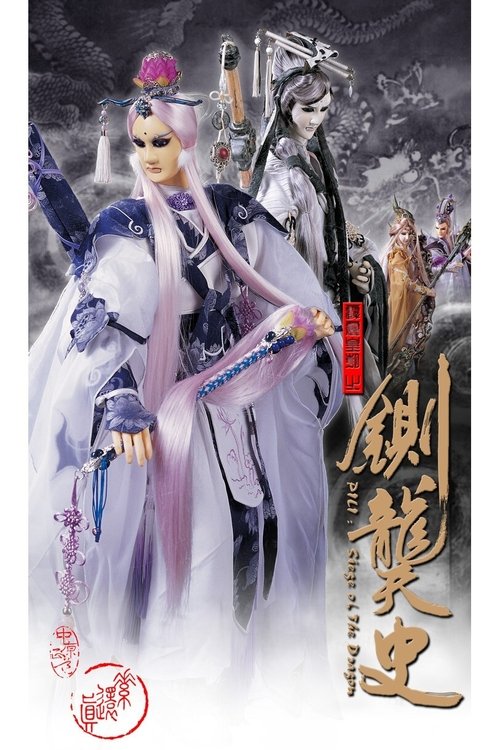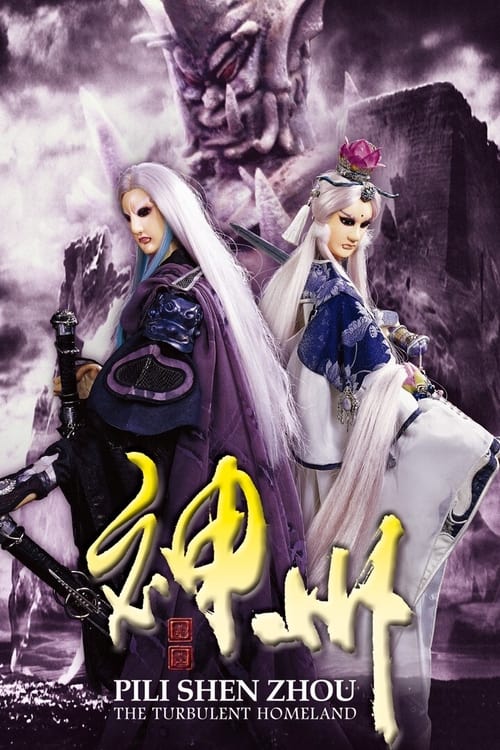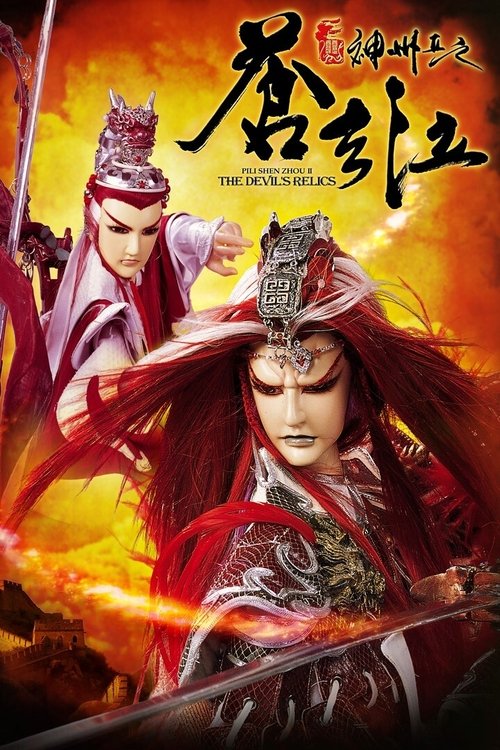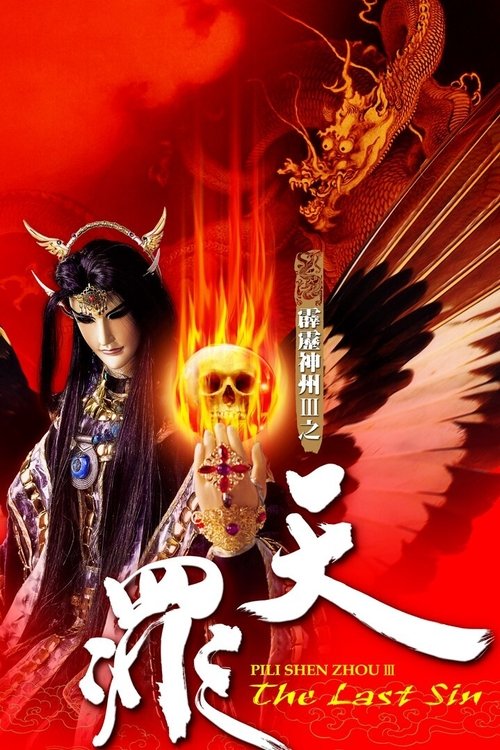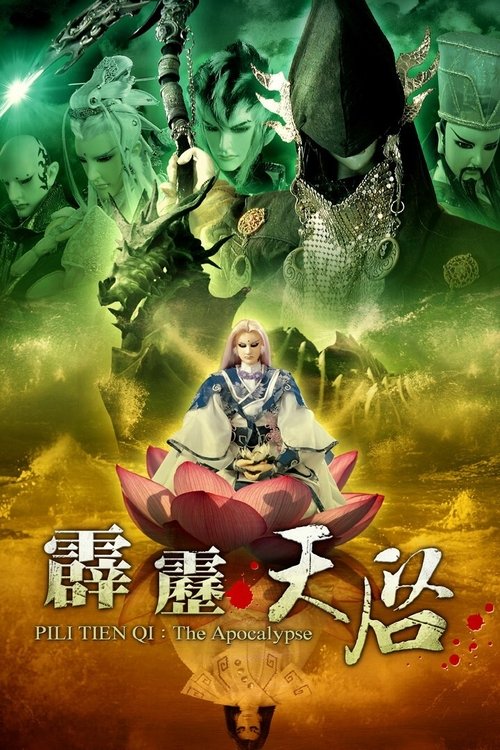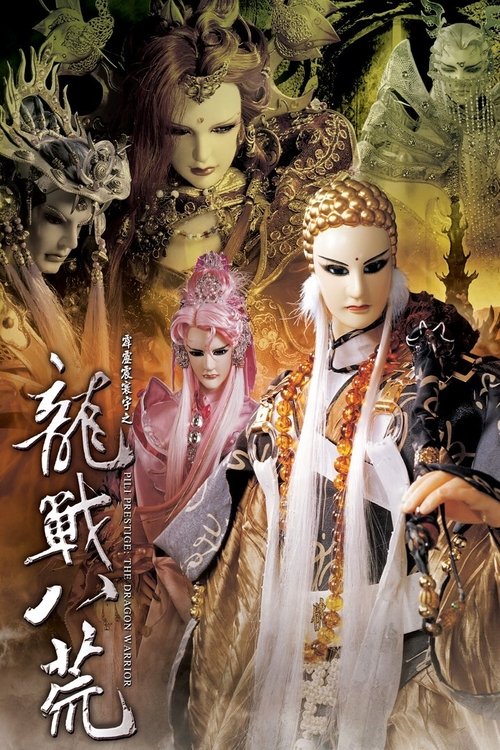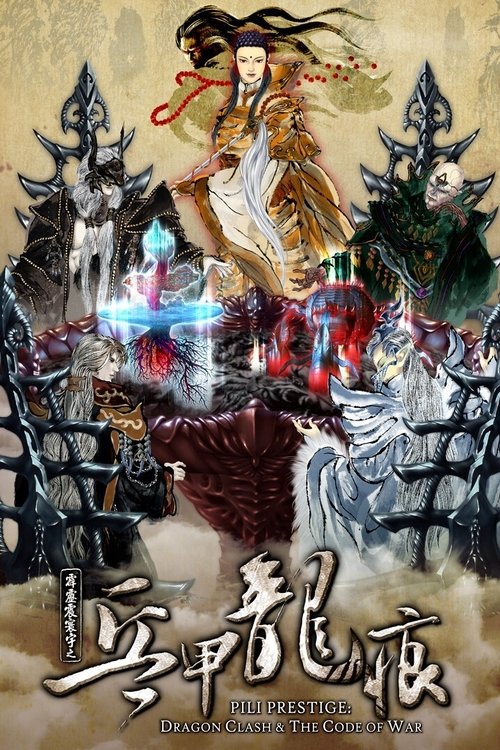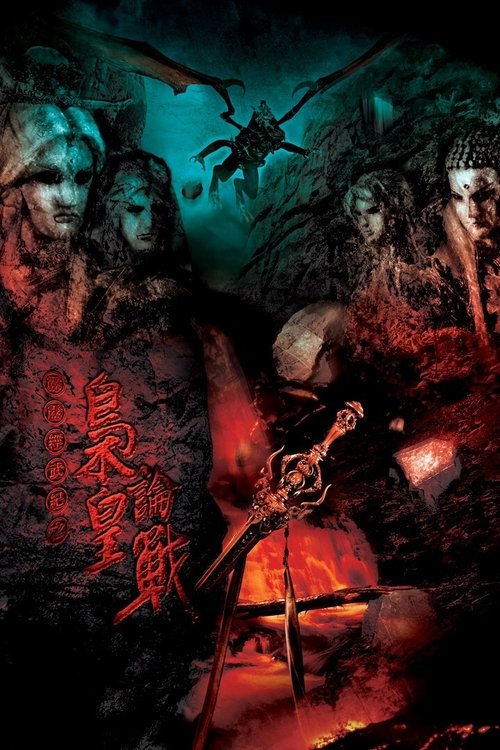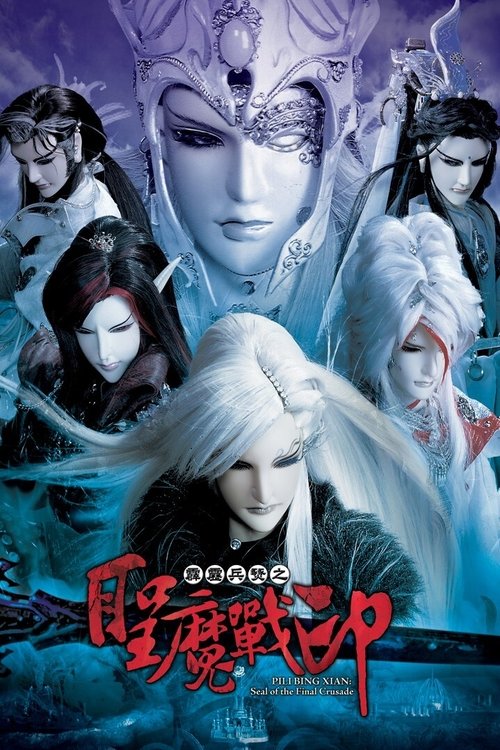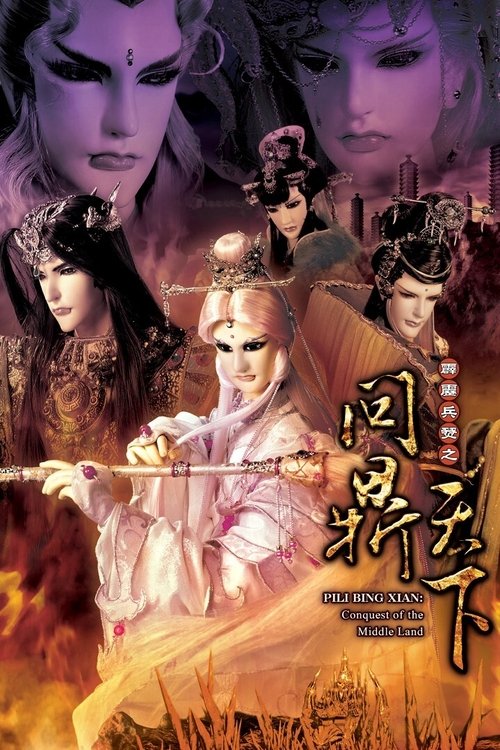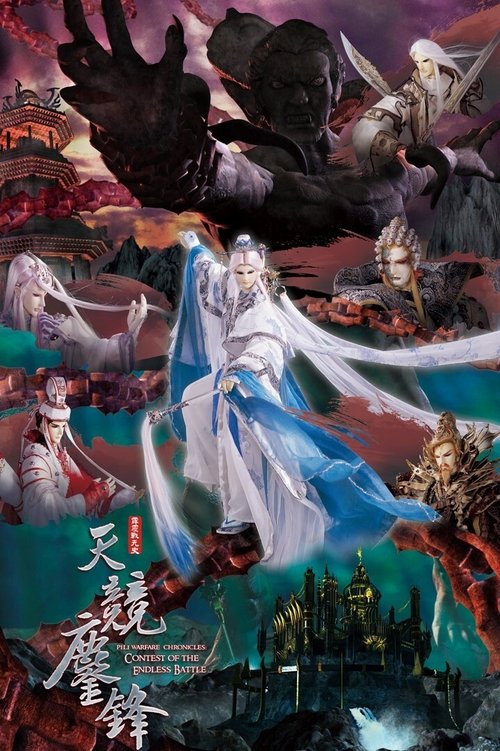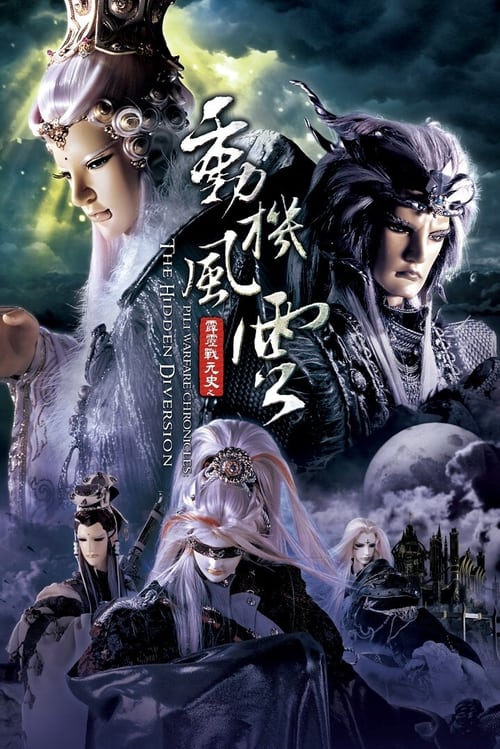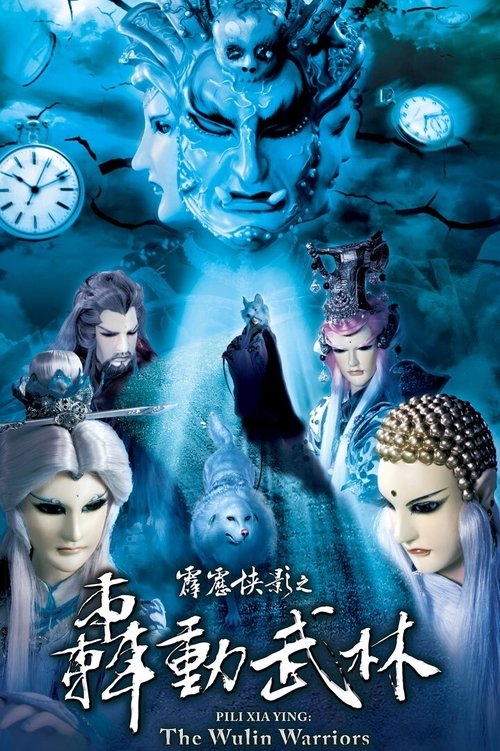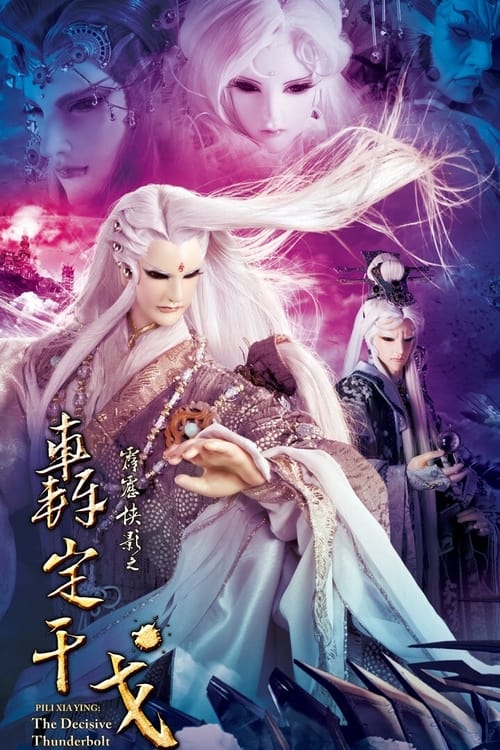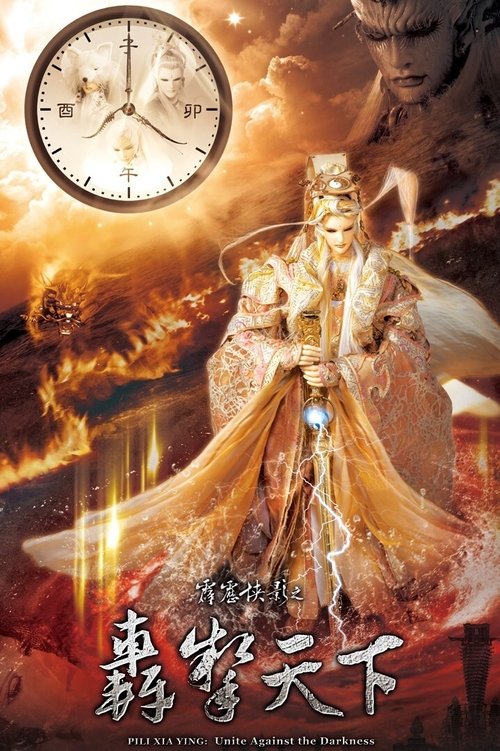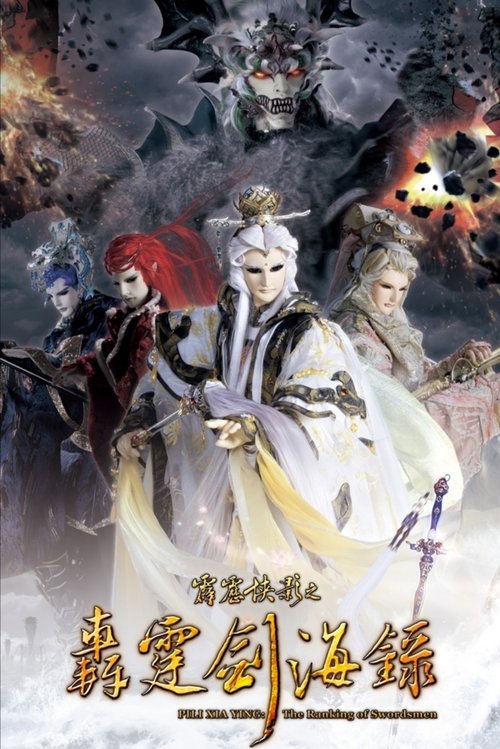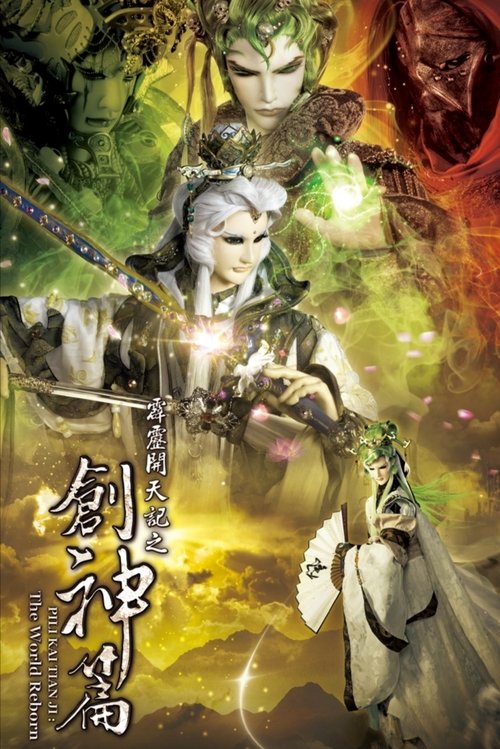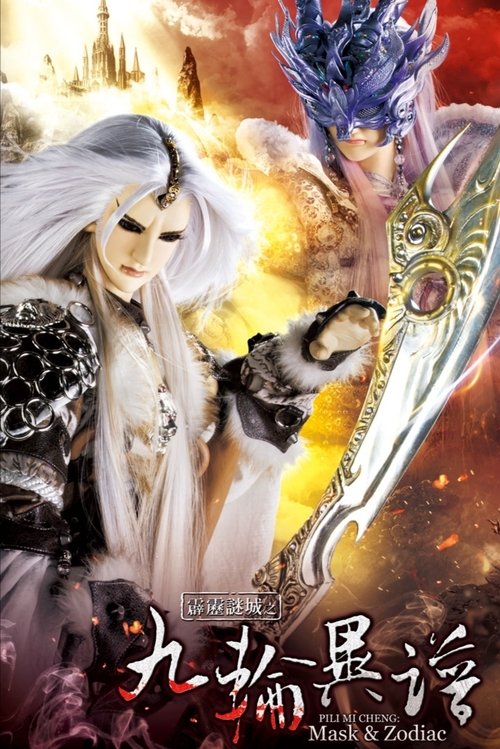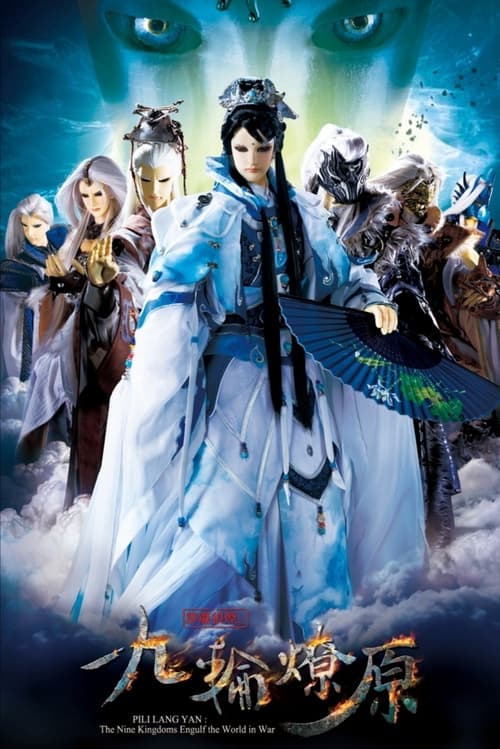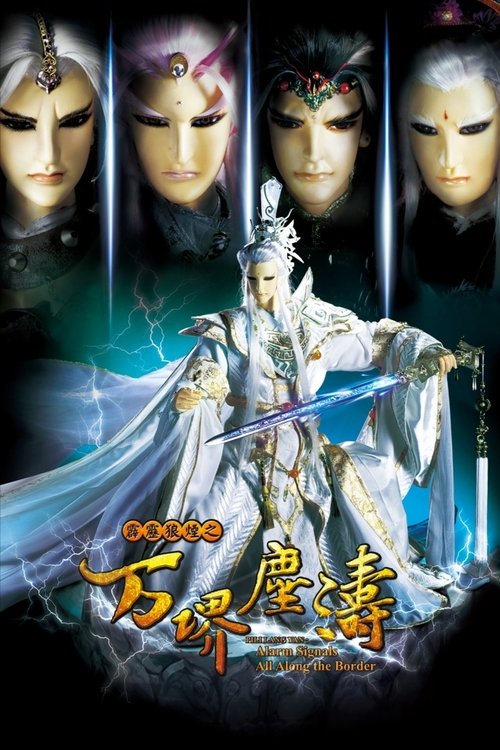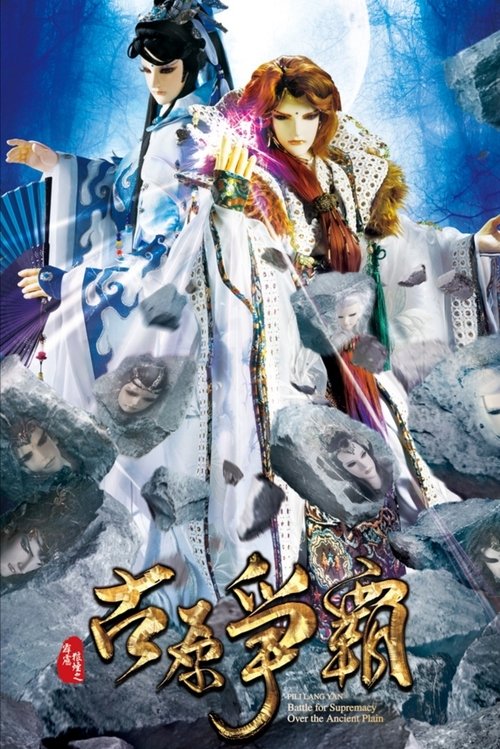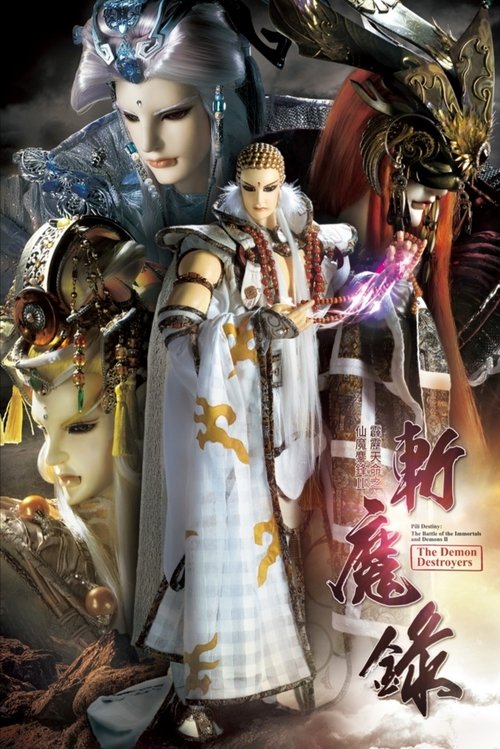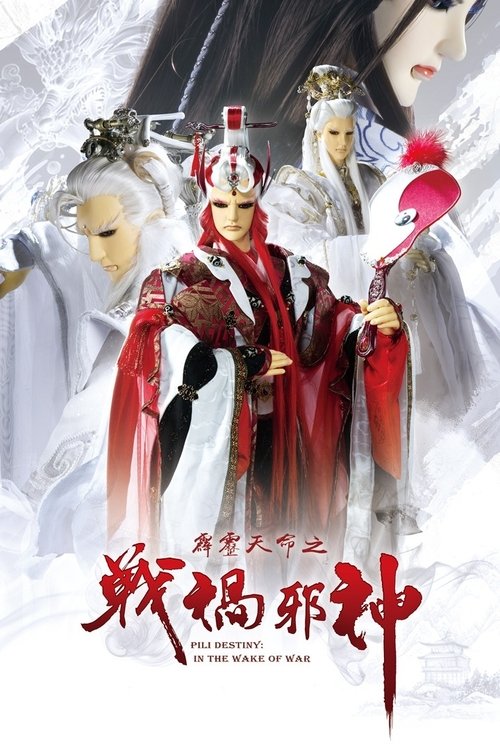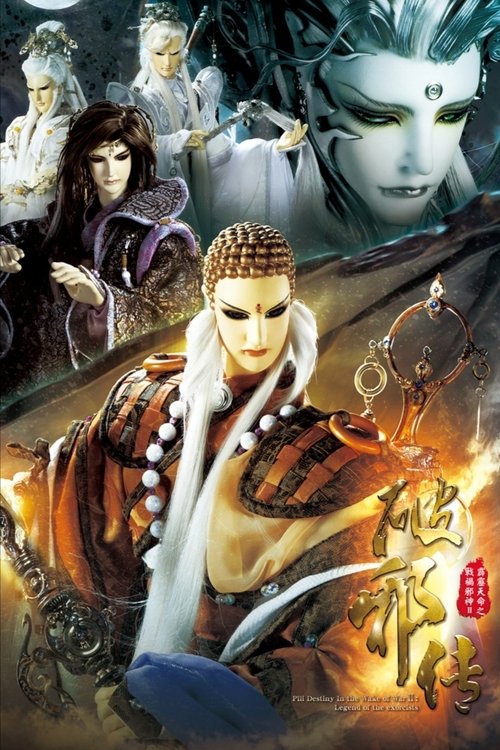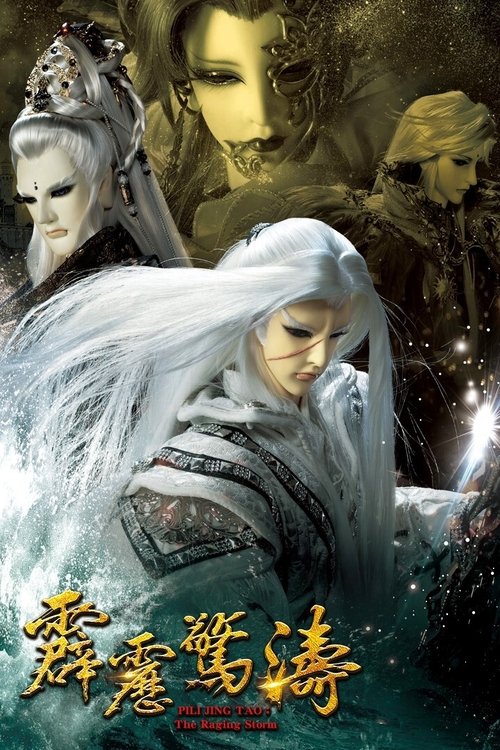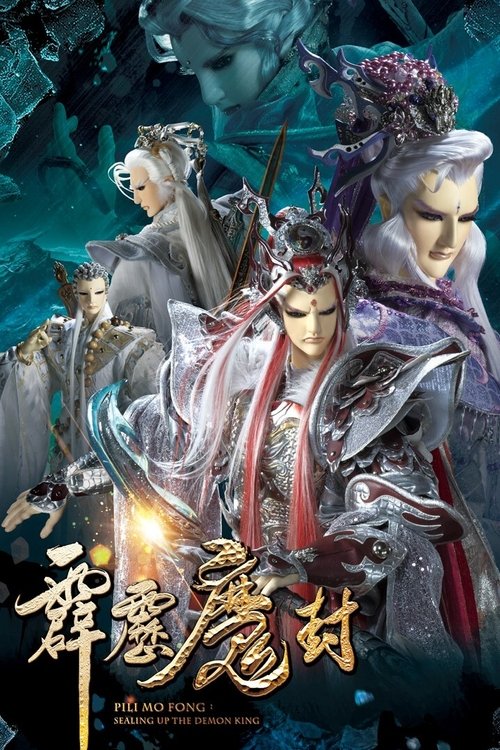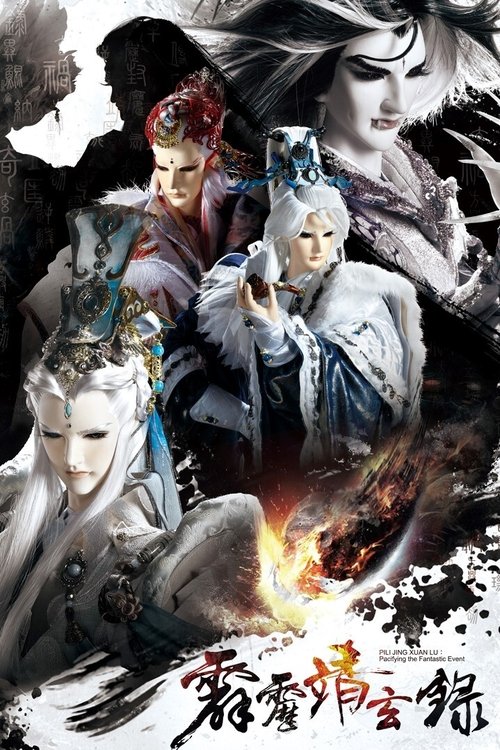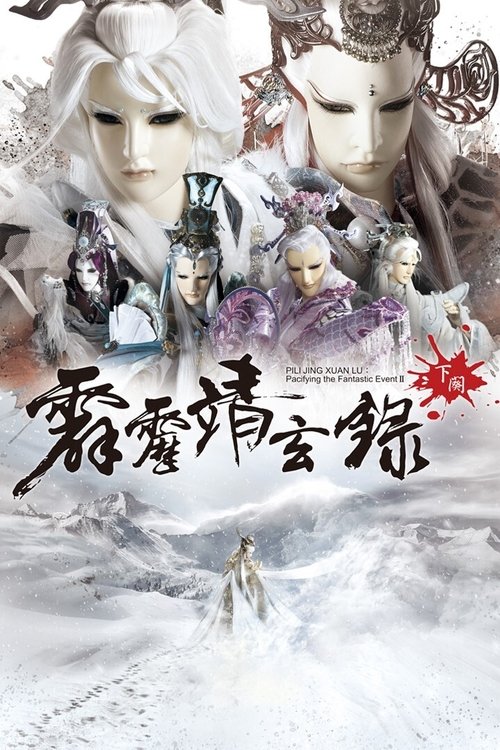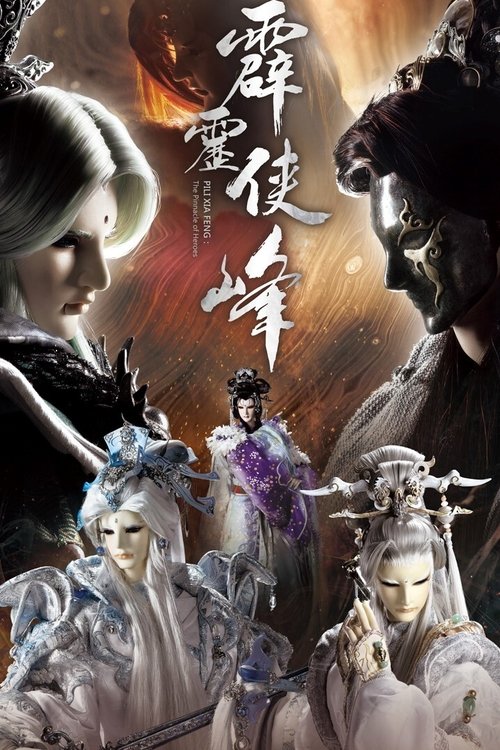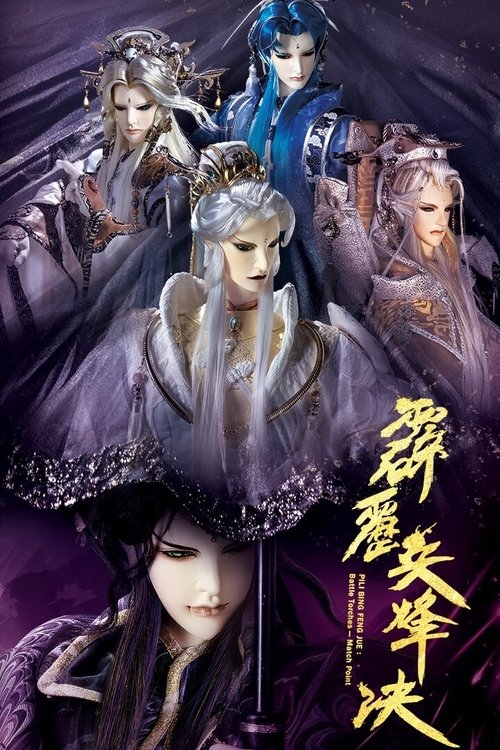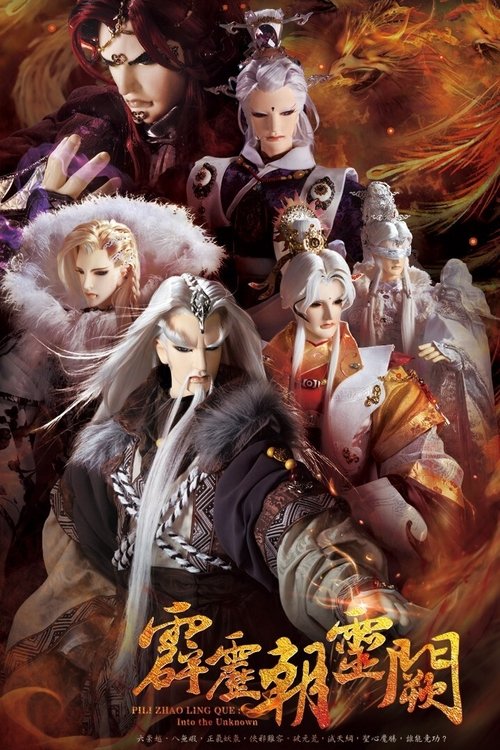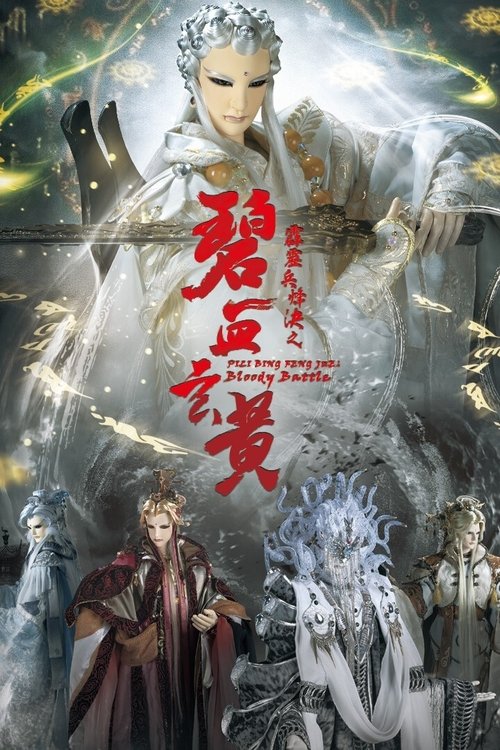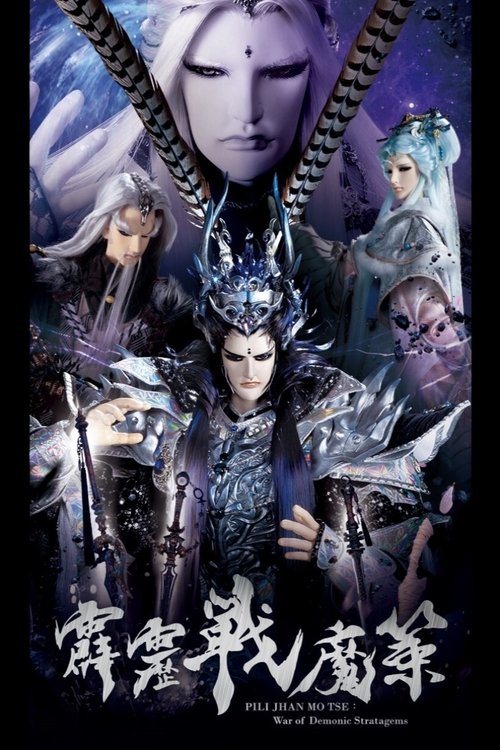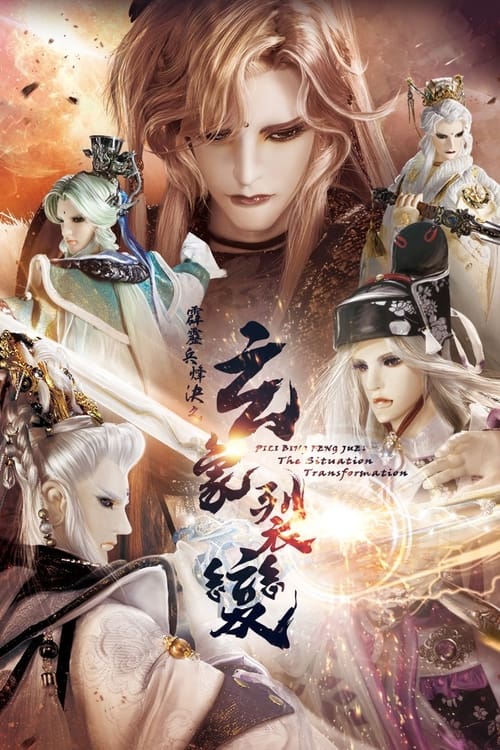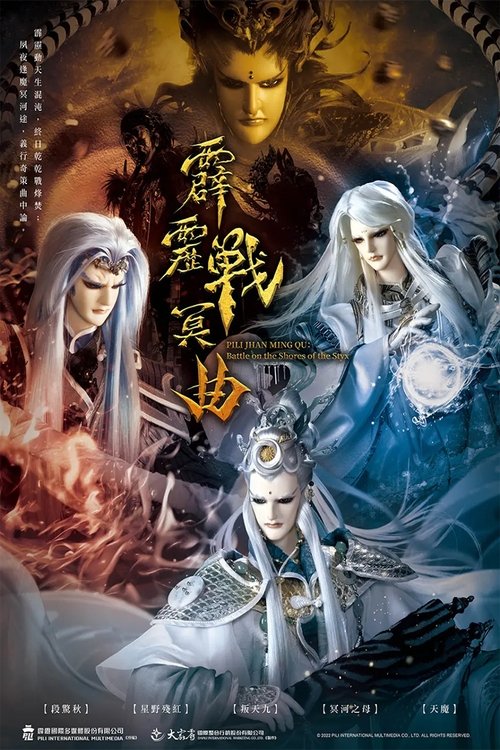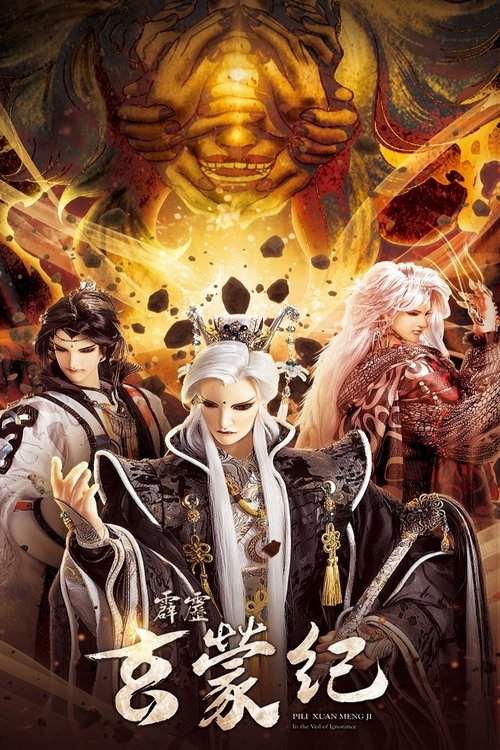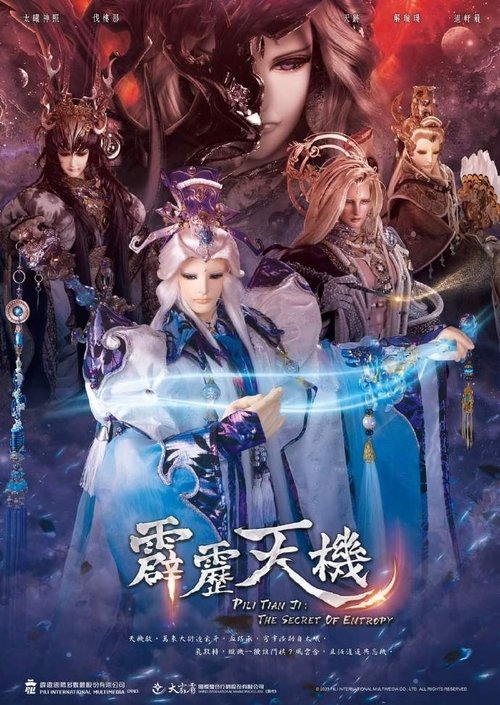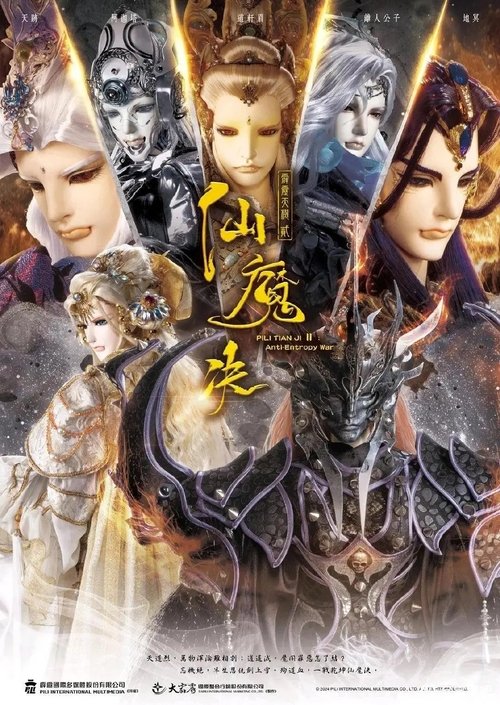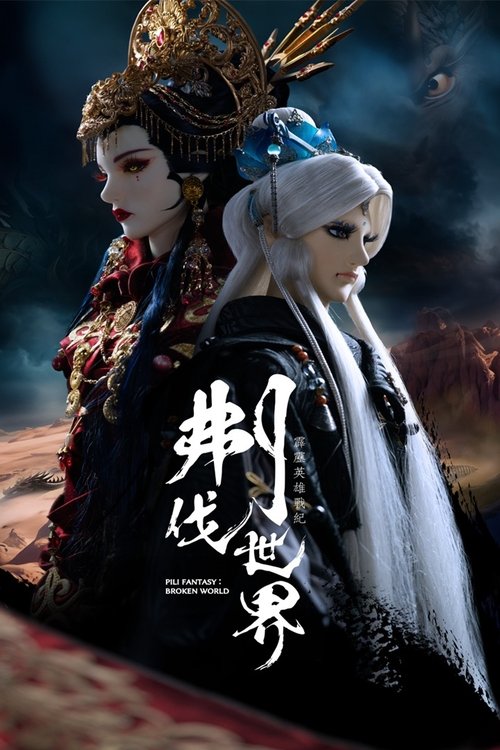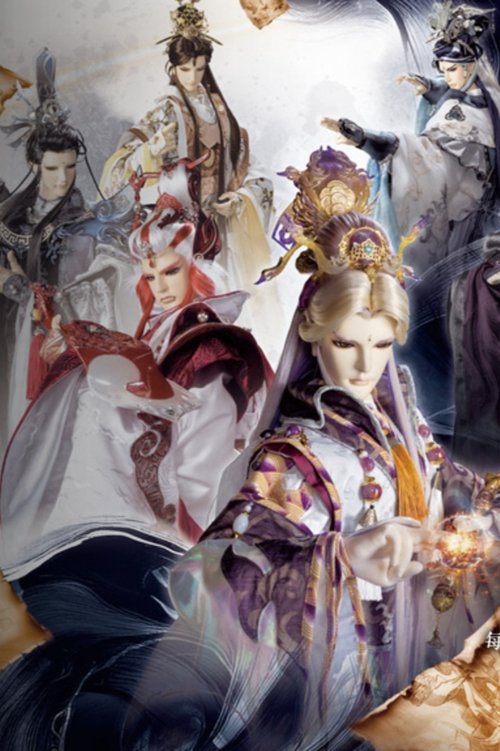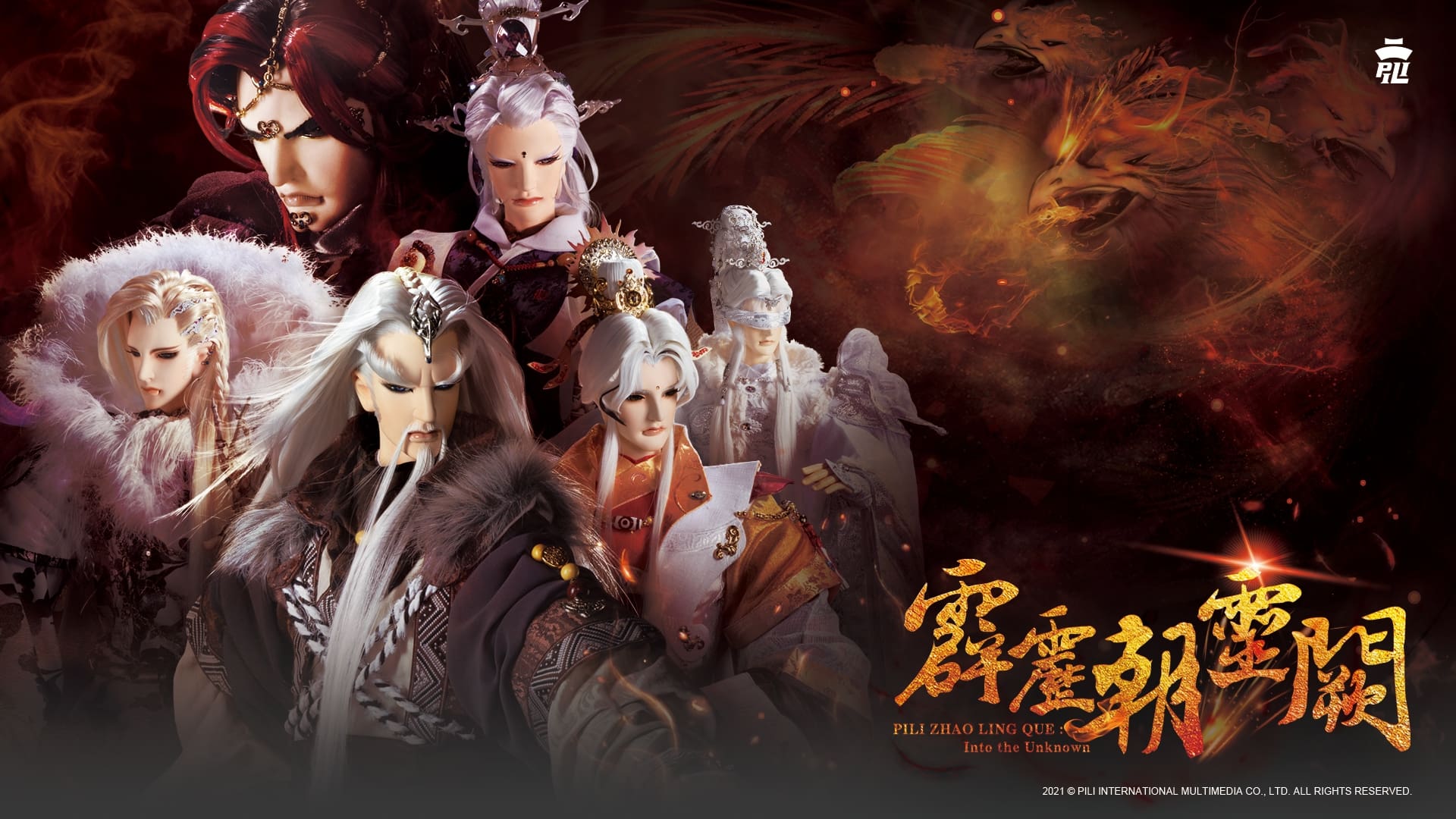
Let me tell you about something that genuinely deserves more mainstream recognition: Pili, a Taiwanese puppet show that debuted in 1988 and has somehow maintained an almost impossible level of longevity in the television landscape. When you hear “puppet show,” your mind probably goes to children’s programming or novelty entertainment. But Pili exists in a completely different realm—it’s a sprawling, complex narrative experience that has captivated audiences across multiple continents for nearly four decades.
What makes Pili truly remarkable is how creators Chris Huang and Vincent Huang understood something fundamental about storytelling: the medium doesn’t dictate the depth of the narrative. Working with intricately detailed puppets and puppetry as their canvas, they crafted something that rivals live-action dramas in emotional resonance and plot complexity. The 60-minute episode format became their vehicle for delivering what amounts to serialized, cinematic storytelling—each episode feeling substantial, never rushed, allowing space for character development and world-building.
The sheer scale of Pili becomes staggering when you actually absorb it: 88 seasons spanning 2,958 episodes. Let that sink in for a moment. Most shows that achieve cult status manage five, maybe ten seasons if they’re exceptionally lucky. Pili has been continuously producing content—still returning with new episodes as of 2025—because it tapped into something audiences genuinely needed.
This isn’t a show that overstayed its welcome or relied on nostalgia. It evolved because the creators understood their audience’s appetite for complex storytelling within the Action & Adventure and Drama genres.
The appeal operates on multiple levels, which helps explain the show’s staying power despite its 6.9 rating. Here’s what makes Pili so compelling to those who’ve invested in it:
- Elaborate world-building that rivals fantasy epics, with a richly developed mythology that has unfolded across decades
- Character arcs that span multiple seasons, allowing for genuine growth and transformation
- High-stakes drama interwoven with philosophical themes about loyalty, redemption, and power
- Visual spectacle achieved through puppetry that’s nothing short of artistic mastery—every costume, every set piece designed with meticulous care
- Consistent narrative momentum across multiple seasons without losing thread or identity
Now, let’s address the elephant in the room: that 6.9 rating. In the context of what Pili actually is, this number tells a more nuanced story than it initially appears. The show’s niche appeal—the fact that it’s a Taiwanese puppet drama, not a polished Hollywood production—naturally limits its audience on mainstream rating platforms. But among those who’ve discovered it, the devotion runs deep. The rating reflects platform accessibility issues and cultural barriers rather than actual creative merit. This is a show with a genuine cult following, not just casual viewers clicking through episode guides.
What’s particularly fascinating is how Pili influenced the broader television landscape, especially in how creators think about genre flexibility. Action & Adventure doesn’t have to mean quips and rapid-fire editing. Drama doesn’t require contemporary settings or recognizable actors. By proving that puppet-based serialized television could sustain audiences for decades, Pili demonstrated that audiences will follow quality storytelling regardless of how unconventional the presentation might seem.
The cultural footprint extends beyond just viewership numbers. Pili spawned spin-offs and theatrical adaptations, becoming a transmedia phenomenon in Taiwan and across East Asian markets. It created a template for how traditional performance arts—puppetry, in this case—could merge with contemporary narrative structures. When you see anime or animated series embracing multi-season story arcs with the depth of novelistic fiction, Pili was already proving this model worked a decade earlier.
What’s most impressive about the Huang brothers’ vision is their commitment to the format despite its inherent challenges. Puppetry requires patience. It’s laborious, meticulous work that demands skilled artisans. Yet they maintained quality across 2,958 episodes. Consider that alongside live-action dramas where quality often degrades as budgets tighten or schedules become demanding—Pili kept evolving its visual sophistication.
The 60-minute runtime was crucial to the show’s success. It’s long enough to develop meaningful dramatic tension, to explore character motivation beyond surface-level conflict, but short enough that each episode feels purposeful. This length allowed Pili to function as event television—something you sat down and committed to—rather than background noise.
Here’s why Pili absolutely deserves your attention, even if puppet shows aren’t your usual fare:
- Unprecedented longevity – Sustained storytelling across 88 seasons is a cultural achievement worth studying
- Artistic innovation – Puppetry elevated to cinema-level production quality
- Narrative complexity – Plot threads that weave through dozens of episodes with payoffs that actually matter
- Cross-cultural significance – A Taiwanese production that influenced how global audiences perceive serialized drama
- Pure creative persistence – The fact that Pili continues returning with new content proves audiences never tired of what it offered
The show might not have the algorithms working in its favor. It won’t trend on social media the way contemporary dramas do. But Pili represents something increasingly rare in television: a creation born from pure artistic vision, executed with exceptional craftsmanship, that found its audience and maintained their loyalty for nearly forty years. That’s not just longevity—that’s proof of genuine, meaningful storytelling.