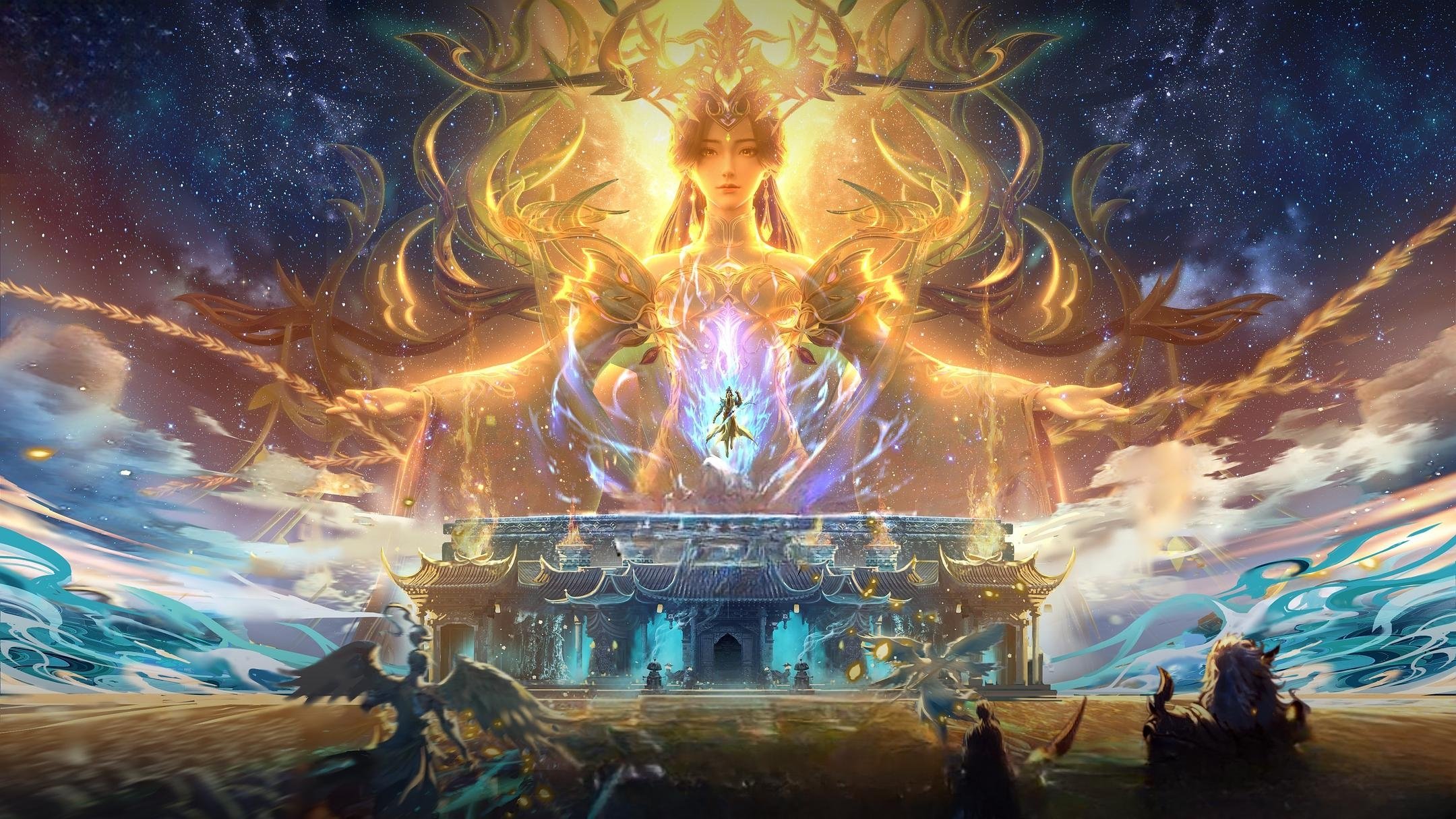
When Perfect World debuted on April 23, 2021, it arrived during a fascinating moment for animated fantasy storytelling. Creator Chen Dong envisioned something ambitious—a sprawling narrative that would unfold across multiple seasons, and the show he delivered has since evolved into a genuine phenomenon that’s impossible to ignore. With six seasons under its belt and 255 episodes that keep viewers engaged, this isn’t just another animated series. It’s a masterclass in how patience and scope can create something genuinely extraordinary.
What makes Perfect World so compelling is its refusal to condense its story. In an era of truncated seasons and hurried conclusions, this show built something deliberately expansive. The 20-minute episode runtime became a strategic advantage rather than a limitation. Each episode delivers substantial narrative progression—we’re not talking about filler or padding here. Instead, Chen Dong and his team understood that meaningful storytelling in the fantasy and sci-fi space requires room to breathe, to establish stakes, and to let character development unfold naturally.
> The show’s 8.4/10 rating reflects something crucial: audiences recognized they were watching something genuinely crafted with care and ambition.
The world-building deserves particular attention. Perfect World establishes a universe where villages engage in complex power struggles, where characters like Shi Hao—blessed by the heavens—must navigate impossible circumstances. But here’s what separates this from countless other fantasy narratives: the show doesn’t treat this premise as mere backdrop. Instead, the cosmology feels lived-in, consequential, and genuinely threatening. When Shi Hao makes decisions, they ripple across the narrative landscape in ways that matter.
What’s particularly striking about the show’s cultural footprint is how it managed to build momentum across six seasons. In streaming television, maintaining audience investment across that many seasons while producing 255 episodes is no small feat. Episodes like those that received perfect ratings—particularly standout moments in Season 1—became talking points. Specific narrative turns sparked genuine conversation among fans about what comes next and what these developments mean for the larger story.
The animation deserves specific recognition here. Action sequences aren’t simply decorative; they’re carefully choreographed expressions of character and conflict. When characters clash, there’s weight to it. The sci-fi and fantasy elements blend seamlessly—the show never feels like it’s choosing between one genre and another, but rather synthesizing them into something cohesive and compelling.
Key elements that define the show’s appeal:
- The protagonist’s journey: Shi Hao’s arc spans the entire series, and watching him grow from blessed child to something far more complex drives the narrative forward
- Escalating stakes: What begins as village conflicts expands into something cosmically significant, maintaining viewer investment across seasons
- Consistent pacing: Despite its length, the show rarely feels sluggish—each episode advances the plot meaningfully
- Character development: Supporting characters receive genuine arcs rather than serving as mere plot devices
- Visual storytelling: The animation consistently demonstrates why this story needed to be told this way
The show’s current status as a Returning Series speaks volumes about its resilience and continued relevance. That’s not something guaranteed to any animated series, particularly those that debuted in 2021. The fact that audiences continue to show up, that the creative team continues to deliver, suggests something more durable than a flash-in-the-pan phenomenon.
What Chen Dong accomplished here connects to larger conversations we’ve been having about serialized storytelling. In an age where audiences claim they want endings and conclusions, Perfect World proved that they also deeply value immersion and scope. They want to inhabit worlds, not just visit them. They want to follow characters across genuinely substantial narrative arcs. This show gave them exactly that, and they rewarded it with sustained attention and a respectable rating that reflects genuine appreciation rather than hype.
The technical achievement shouldn’t be underestimated either. Producing 255 episodes of animation that maintains visual quality and narrative coherence is genuinely difficult work. The fact that the show remained “Returning” speaks to the team’s commitment to ongoing quality rather than squeezing a property until it’s exhausted.
For anyone who appreciates fantasy, science fiction, or animation itself, Perfect World represents something worth examining carefully. It’s a show that trusted its audience to follow complexity, that believed in the value of scope and scale, and that proved serialized storytelling could work magnificently when given proper resources and vision. Whether you’re discovering it now or rewatching as we await the next chapter, there’s something genuinely special waiting in this world that Chen Dong and his team created.