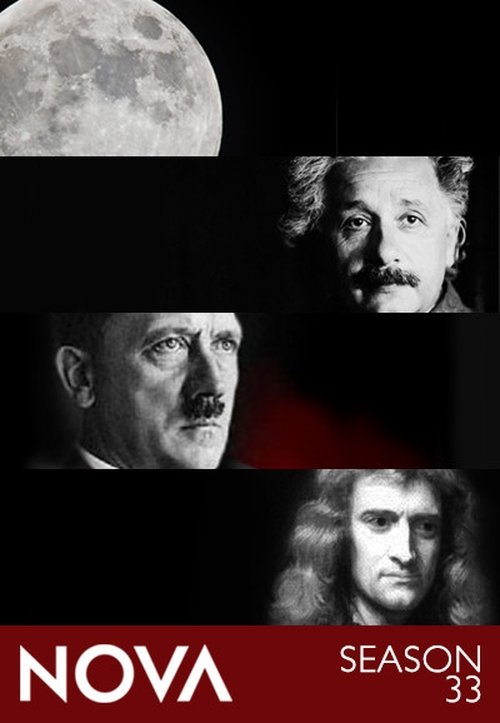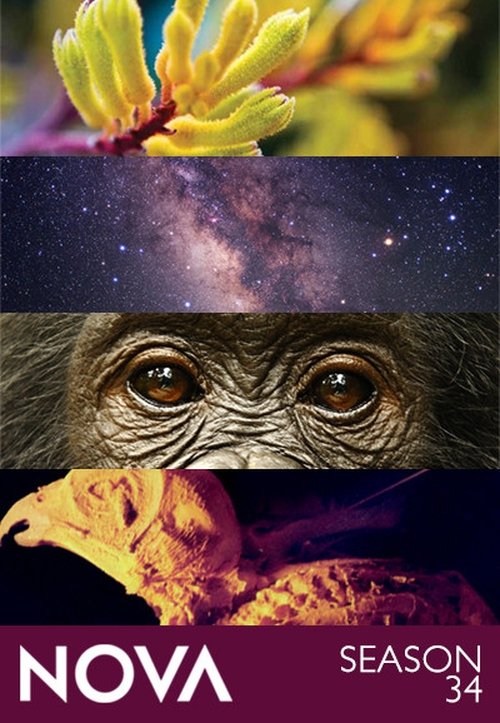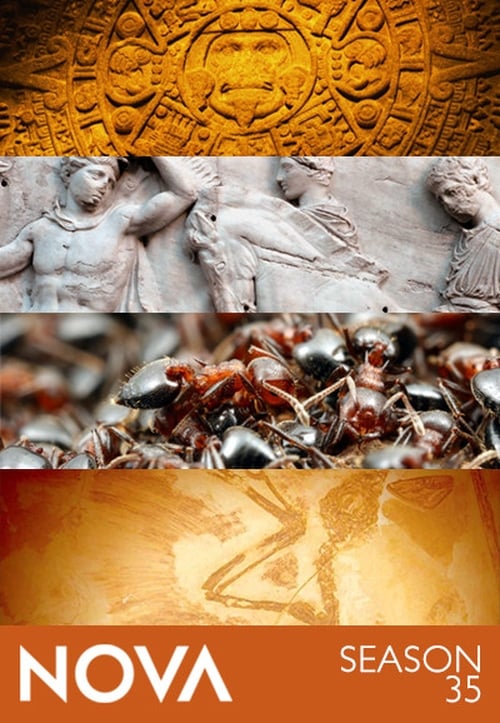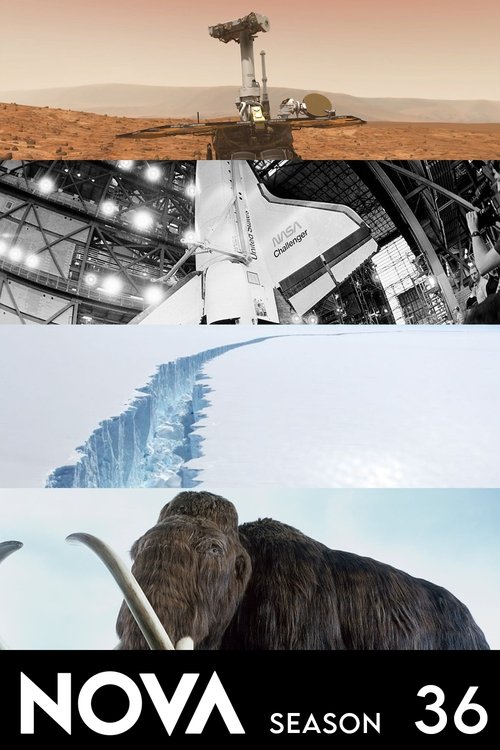
When NOVA debuted on PBS back in March 1974, television audiences were about to discover what would become the longest-running and most globally influential science documentary series ever created. What started as an ambitious experiment in bringing complex scientific storytelling to mainstream audiences has evolved into a cultural institution that’s been seen in over 100 countries. That’s not hyperbole—it’s the most watched science television series in the world, and nearly half a century later, it’s still going strong as a returning series with 53 seasons and over 1,000 episodes under its belt.
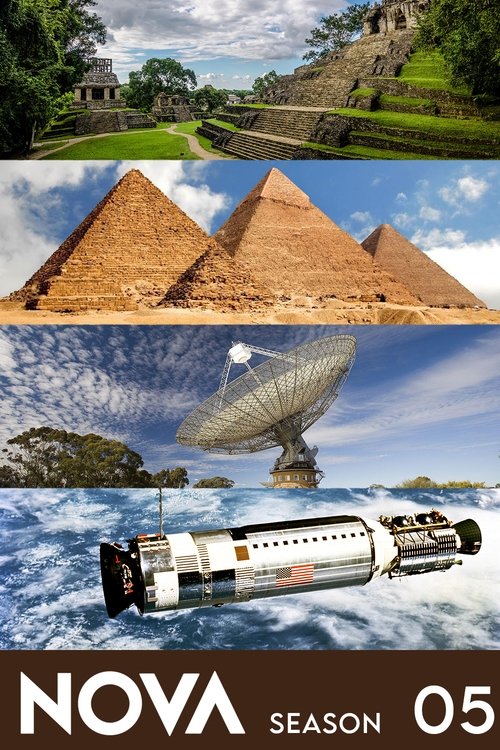
The brilliance of NOVA lies in how it democratized science. Before this show arrived, scientific documentation often felt academic, distant, even impenetrable for the average viewer. But the creators at WGBH Boston understood something fundamental: great science stories are also great human stories. They recognized that whether you’re exploring the lost secrets of the Khmer Empire’s magnificent city of Angkor or examining the cutting-edge Viking Lander before its journey into space, the key is to make audiences care about the discovery, not just absorb the facts. That philosophy shaped everything about the show’s DNA, from its 55-minute format—perfectly calibrated to allow depth without overwhelming viewers—to its commitment to visual storytelling that could make even the most abstract concepts tangible.
What makes NOVA particularly remarkable is how it managed to stay relevant across five decades of technological and cultural change. The show premiered during an era when public television was still finding its footing, when documentary television was largely confined to dry educational fare. Instead, NOVA brought cinematic production values and narrative sophistication to subjects that might have otherwise remained confined to academic journals and specialized circles. Each episode became an invitation to wonder, whether the topic was archaeology, physics, biology, or engineering. The consistent 55-minute runtime became a signature—long enough to tell a complete, satisfying story, but structured to maintain the kind of pacing that keeps viewers engaged rather than exhausted.
> The show’s achievement isn’t just measured in viewership numbers, but in how it fundamentally changed the conversation about what science television could be.
The show’s journey from 1974 to its current status as a returning series tells us something important about quality and persistence. While the 7.0/10 rating might seem modest on the surface, it reflects something more nuanced: NOVA doesn’t chase viral moments or sensationalism. It pursues genuine understanding. That approach has earned the trust of millions of viewers worldwide who know that when NOVA tackles a subject, they’re getting rigorous, beautifully crafted storytelling backed by real expertise.
The cultural footprint of NOVA extends far beyond television ratings. The show has become synonymous with a particular kind of intellectual curiosity—one that’s accessible without being condescending, ambitious without being pretentious. Episodes like those examining how life started on Earth or documenting the development of pioneering spacecraft have sparked countless conversations around dinner tables, in classrooms, and at water coolers. Young people who grew up watching NOVA often credit the series with inspiring careers in science, engineering, and exploration. That’s the kind of cultural influence that compounds over time.
Why the 55-minute format mattered so much:
- It allowed for proper narrative arc—setup, investigation, revelation, context
- Long enough to explore complexity without resorting to oversimplification
- Short enough to maintain documentary television’s intimate, immersive quality
- Perfect for broadcast scheduling while respecting viewer attention spans
What’s particularly striking about NOVA’s staying power is how it navigated the digital age. When streaming platforms emerged and viewing habits fragmented, many series struggled to adapt. But NOVA found itself perfectly positioned for the new landscape. YouTube, PBS streaming channels, and various Amazon Prime offerings now make entire episodes and seasons instantly accessible. The show that once required viewers to plan their evening around a broadcast schedule now meets audiences wherever and whenever they want to engage with it. That flexibility has only expanded its reach.
The creative vision behind NOVA has always centered on a core conviction: scientific discovery is inherently dramatic. You don’t need to fabricate tension or add melodrama—the real story of how humans uncover truth about our world, about other civilizations, about the cosmos itself, is endlessly compelling. This philosophy meant that over 1,017 episodes, the show has maintained remarkable consistency in quality and purpose. Each installment, whether focused on lost empires or cutting-edge physics, follows the same principle: respect your audience’s intelligence while making the subject matter unmissable.
The international reach of NOVA—being seen in more than 100 countries—speaks to the universality of scientific curiosity. Across different cultures and contexts, audiences responded to the show’s methodology: clear-eyed investigation, stunning visuals, compelling narratives about discovery. That kind of global resonance doesn’t happen by accident. It’s the result of creators who understood that science transcends borders because the human desire to understand our world is universal.
Looking at where NOVA stands today as a returning series, the show’s significance feels only more pronounced. In an era where misinformation spreads rapidly and scientific literacy feels increasingly vital, NOVA represents something precious: a trusted voice committed to rigorous storytelling about how the world actually works. The show hasn’t just endured for nearly 50 years—it’s become more necessary, more valued, and more culturally significant with each passing season.