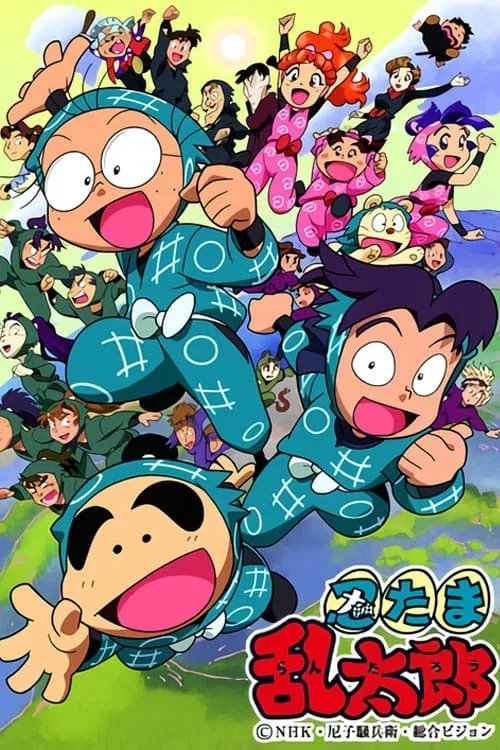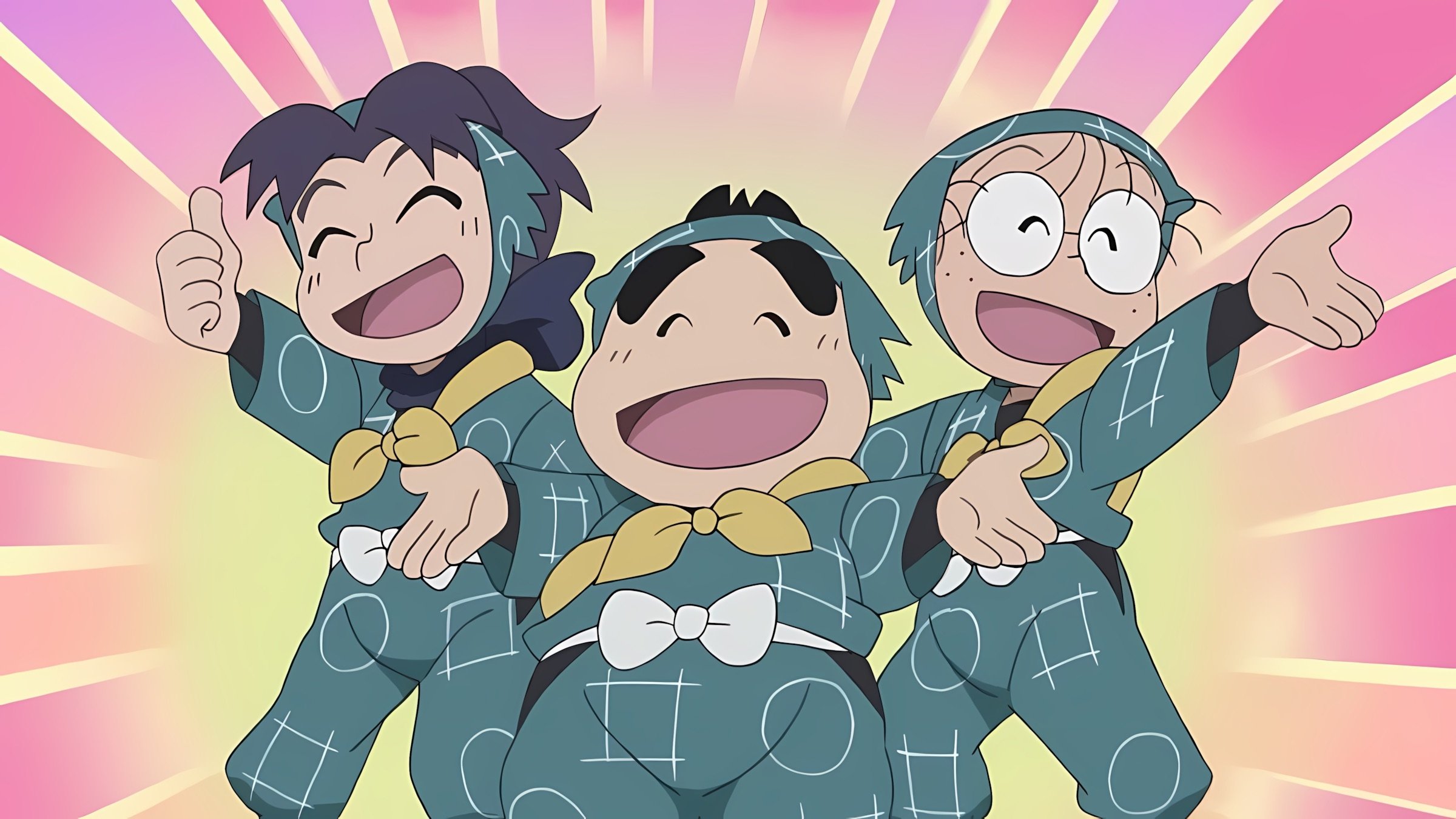
When Ninja Boy Rantaro premiered on April 10, 1993, few could have predicted that creator Soubee Amako was launching what would become one of anime’s most enduring franchises. The show debuted during a transitional period for children’s television in Japan, when studios were experimenting with how to balance genuine comedy with meaningful action-adventure storytelling. What emerged from NHK BS1 was something deceptively simple yet remarkably effective: a series centered around three aspiring young ninja—Rantaro, Kirimaru, and Shinbei—navigating both their rigorous ninja training and the absurdities of everyday life.
The brilliance of Ninja Boy Rantaro lies in how it weaponizes its 30-minute runtime. Rather than treating each episode as filler between major story arcs, Amako’s vision embraced the comedic potential of standalone adventures. This structural choice proved liberating—the show could pivot from genuine action sequences to slapstick humor without feeling tonally whiplashed. The tight 30-minute format forced creative discipline, ensuring that comedy beats landed quickly and action sequences felt purposeful rather than padded.
What makes this show’s longevity truly remarkable is that it sustained itself across 27 seasons and nearly 2,000 episodes without losing its core identity. That’s not accidental. The foundation Amako established—this chemistry between three distinct personalities learning ninja arts—proved flexible enough to accommodate years of character development while remaining instantly recognizable. The show understood something fundamental about its audience: children appreciate consistency, but they also appreciate growth. Rantaro and his friends didn’t stagnate; they evolved.
> The show’s ability to balance whimsy with genuine stakes became its defining characteristic. You could have an episode about the trio accidentally destroying their dormitory’s plumbing system, followed immediately by a sequence where they confronted real danger with actual ninja skills.
The cultural footprint Ninja Boy Rantaro left on Japanese television and anime cannot be overstated. This wasn’t a show that sparked controversy or pushed artistic boundaries in avant-garde ways. Instead, it demonstrated something more valuable: the power of consistency and accessibility. The franchise expanded across merchandise, films, and adaptations, each reinforcing the same central appeal. The show became generational—parents who watched it as children introduced it to their own kids, creating a lineage of viewership that sustained the series through decades of broadcasting.
Consider the show’s rating of 6.5/10 alongside its 27-season run—this discrepancy reveals something important about how we evaluate television. Ninja Boy Rantaro wasn’t chasing critical acclaim in the way prestige dramas do. Its mission was humbler and, in many ways, more challenging: entertain families week after week, season after season, for nearly three decades. The show succeeded at this with remarkable consistency, building an audience so dedicated that the series maintains its “Returning Series” status even now, decades after its debut.
The comedy-action-adventure-kids-family blend that defines Ninja Boy Rantaro represents a specific approach to children’s programming that has largely disappeared. Modern kids’ shows often segment these elements—comedy here, action there—creating a bifurcated experience. Amako’s show integrated them. A comedic scene about ninja training mishaps would seamlessly transition into a moment where those same characters applied their developing skills authentically. This tonal fluidity taught young viewers that comedy and competence weren’t mutually exclusive; they could coexist.
The supporting cast deserves particular attention, as the show demonstrated sophisticated ensemble writing for what was ostensibly a kids’ program. Beyond the central trio:
- Characters with distinct personality archetypes who served different narrative functions
- A teaching staff that ranged from strict to surprisingly compassionate
- Rivals and allies who grew beyond simple antagonist/protagonist binaries
- A school setting that allowed for both recurring relationships and episodic adventures
This richness meant that individual episodes could focus on different characters, preventing the narrative from becoming repetitive even across hundreds of installments.
What strikes many viewers upon revisiting Ninja Boy Rantaro is how the animation quality shifted across its 27-season span, reflecting the show’s journey from early-90s production standards to more contemporary techniques. Yet the character designs and comedic sensibility remained instantly recognizable. This continuity amid evolution became the show’s signature—change was happening, but the core remained anchored.
The show’s influence on subsequent ninja-themed anime and children’s programming is evident, though often unacknowledged. Ninja Boy Rantaro established that you didn’t need elaborate mythology or complex narratives to sustain a long-running series. You needed relatability, humor that respected its audience’s intelligence, and action sequences that felt earned. The show proved that children’s television could be unpretentious without being unintelligent.
For contemporary viewers discovering Ninja Boy Rantaro, the experience offers something increasingly rare: a snapshot of how anime approached sustainability before streaming fragmented audiences and shortened attention spans. The show’s nearly 2,000 episodes represent thousands of hours of creative effort, all dedicated to exploring variations on a deceptively simple premise. That commitment itself—to characters, to world-building, to consistent quality across nearly three decades—constitutes a creative achievement worthy of serious appreciation.