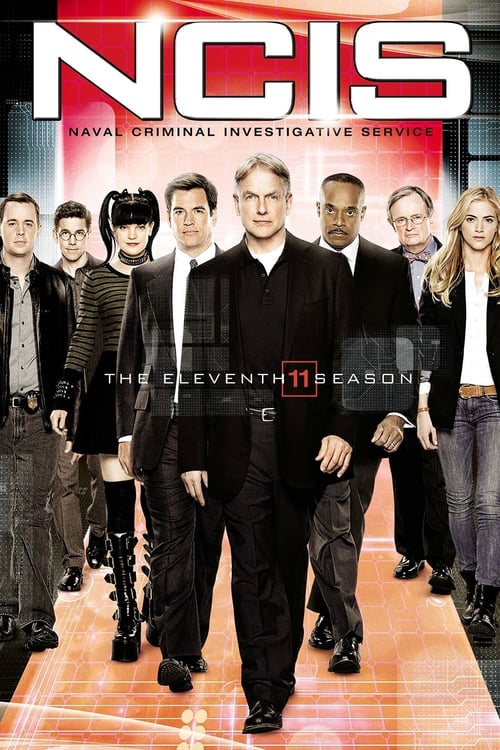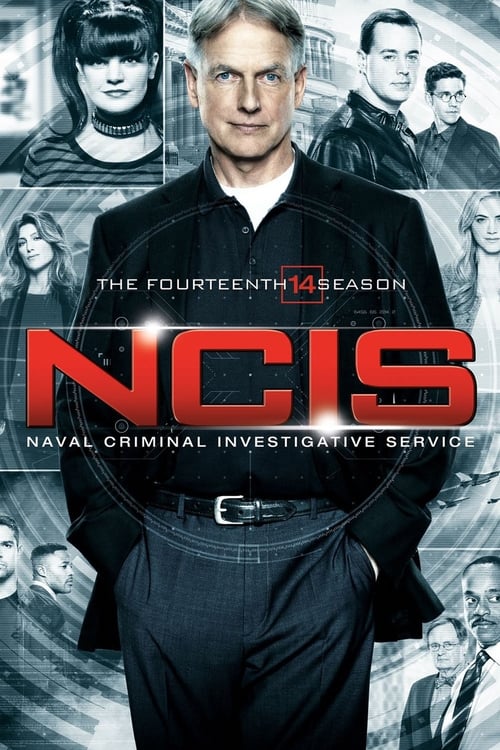
When NCIS premiered back in 2003, nobody could have predicted it would become one of television’s most enduring institutions. What started as a spinoff from JAG—a show about military lawyers—evolved into something far more substantial: a crime procedural that would eventually span 23 seasons and 499 episodes, consistently delivering the kind of storytelling that keeps audiences coming back year after year. The fact that it’s maintained a solid 7.6/10 rating while competing in an increasingly crowded television landscape speaks volumes about its staying power.
The brilliance of Don McGill and Donald P. Bellisario’s creation lies in how they understood something fundamental about television audiences: people crave consistency wrapped in novelty. Every episode follows a recognizable formula—a crime, an investigation, a resolution—but the writers never let that structure become stale. Instead, they layered in character development, workplace dynamics, and genuine emotional stakes that transformed what could have been just another procedural into something that felt distinctly real.
What makes NCIS particularly remarkable in the television landscape is how it proved that intellectual property created for secondary purposes could outshine its original source material.
Nobody was clamoring for a JAG spinoff about naval investigators, yet the show found an audience hungry for something specific:
- Procedural clarity: Cases that felt solvable within an episode’s runtime
- Character depth: Agents with genuine backstories and vulnerabilities
- Workplace chemistry: A team dynamic that felt earned rather than forced
- Military authenticity: Consultants who ensured the Naval Criminal Investigative Service elements felt credible
- Accessible storytelling: Complex enough for dedicated fans, but welcoming to casual viewers
The ratings data tells an interesting story. During those early seasons, NCIS hovered around 7.7-8.0 ratings, which represented genuine cultural momentum. What’s particularly impressive is that as the show extended into double-digit seasons, it didn’t experience the catastrophic ratings collapse that claims most long-running series. Instead, it maintained its audience through careful character management and by knowing when to introduce fresh dynamics without betraying what made people tune in originally.
Here’s what separates NCIS from countless other procedurals: it understood that the investigation itself was secondary to the investigation’s impact on the people doing the investigating. Gibbs’ past informed his present; Ducky’s eccentricities masked deeper wisdom; Kate’s idealism clashed beautifully with operational necessity.
The show’s cultural footprint extends far beyond typical ratings measurements. NCIS became appointment television during an era when that concept was becoming increasingly rare. It wasn’t just watched—it was discussed, memed, and embedded into popular culture. The show’s catchphrases became part of how people actually spoke about investigation and teamwork. Its portrayal of the Naval Criminal Investigative Service influenced how audiences understood military law enforcement, making what could have been an obscure government agency into something recognizable and compelling.
What’s particularly fascinating is how NCIS navigated the streaming era without losing its theatrical television identity. Available on Netflix, Hulu, Paramount+, and numerous other platforms, the show adapted to where audiences were watching while maintaining the network television sensibility that made it special. This omnipresence actually deepened its cultural penetration—new generations discovered it through streaming while loyal viewers maintained their cable routine. That’s a delicate balance most shows fail to strike.
The technical approach to the show—with its variable runtimes adapted to each episode’s specific narrative needs—reflected a thoughtfulness about storytelling rhythm. Rather than forcing narratives into predetermined lengths, the creators allowed their stories to breathe at their natural pace. Some episodes needed tight, efficient storytelling; others benefited from deeper character exploration. This flexibility contributed to the show’s narrative consistency even as it evolved.
Perhaps most importantly, NCIS proved that procedural television could endure by evolving without abandoning its core identity. Across 23 seasons, the show introduced new characters, adjusted its tone when necessary, and responded to real-world events while maintaining the fundamental DNA that audiences recognized and valued. It didn’t reinvent itself seasonally like some desperate shows; it simply got better at being itself.
The show held a five-year streak as America’s most-watched program before being surpassed—a record so remarkable that when it finally broke, entertainment news outlets treated it as genuinely significant television history.
Looking at NCIS in its current returning series status, what’s most striking is that it still commands genuine viewership in an era of unprecedented fragmentation. When a show can pull 8.73 million viewers and rank ahead of venerable institutions like 60 Minutes, you’re looking at something that transcends typical network television success. You’re looking at a cultural constant—the television equivalent of comfort food, but prepared by people who still respect their craft.
The legacy of NCIS isn’t about revolutionary storytelling techniques or boundary-pushing narratives. Instead, it’s about disciplined, intelligent execution of a proven formula done exceptionally well for two full decades. It’s about understanding that audiences don’t just want spectacle; they want reliability, character development, and the satisfaction of seeing smart people solve complicated problems. In an entertainment landscape often chasing the next viral moment, NCIS just kept showing up, week after week, delivering exactly what its audience needed.