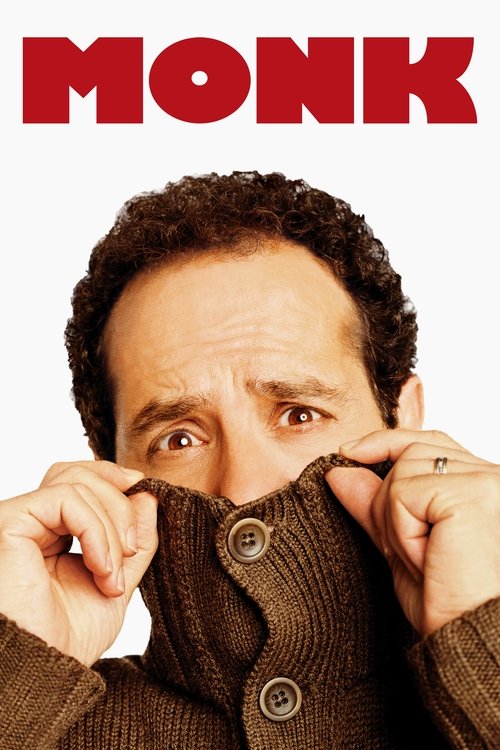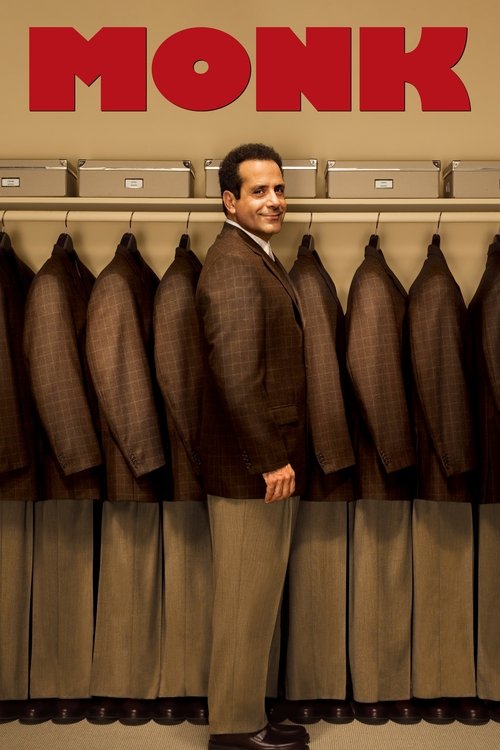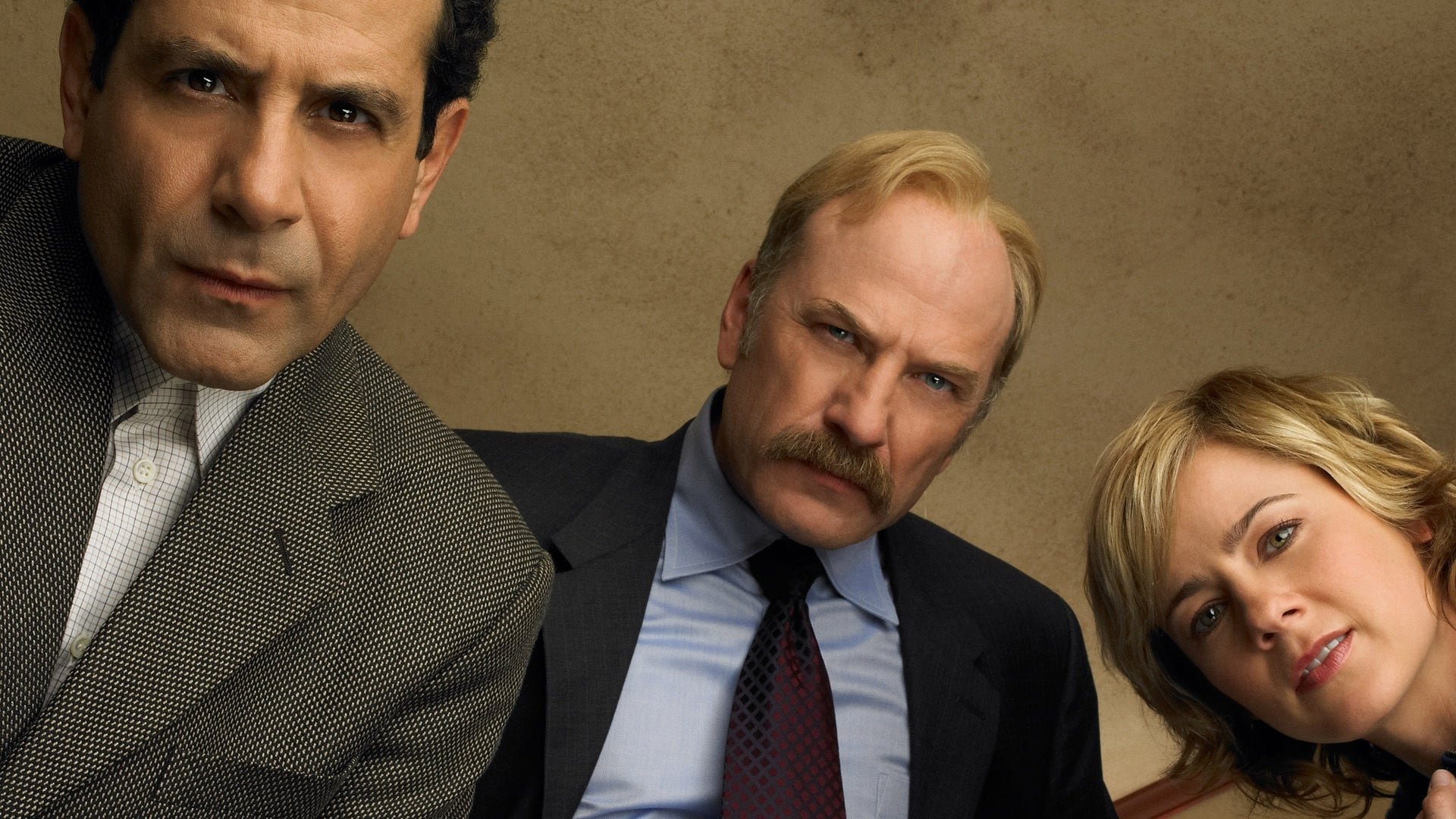
When Monk premiered on USA Network back in 2002, television was saturated with procedural dramas that followed a predictable formula: introduce crime, solve crime, reset for next week. What Andy Breckman created was something fundamentally different—a show that dared to make its protagonist’s greatest obstacle not the criminals he pursued, but his own mind. Adrian Monk, a brilliant detective rendered nearly dysfunctional by obsessive-compulsive disorder, became one of television’s most compelling characters precisely because he was broken in ways that couldn’t be fixed by the end of a 42-minute episode.
The genius of Monk lay in its willingness to blur genre boundaries. Yes, it was a crime procedural at its core, but calling it that alone misses what made audiences connect so deeply over eight seasons and 124 episodes. The show moved fluidly between mystery, comedy, and genuine drama, often within the same scene. You’d laugh at Monk’s fastidious habits and elaborate contamination rituals, then find yourself genuinely moved by his struggle to function in a world that felt hostile and chaotic. That tonal balance—something that sounds simple in theory but remains maddeningly difficult to execute—became the show’s signature strength.
> The character of Adrian Monk proved that a detective’s vulnerability could be just as compelling as their competence, fundamentally shifting how television portrayed mental health in procedural storytelling.
What’s remarkable is how consistently the show maintained quality across its entire run. The ratings progression tells an interesting story: starting strong at 7.8 for season one, building to a peak of 8.1 by season three, then holding steady around 8.0 for the middle seasons before actually improving to 8.2 for the final season. That’s not the trajectory of a show coasting on its premise or spinning its wheels. That’s a series that understood how to deepen its characters and mythology while keeping the procedural elements engaging.
The show’s cultural footprint extended beyond typical fan enthusiasm. Monk sparked genuine conversations about mental health at a time when television rarely treated such subjects with nuance. The show didn’t present OCD as a plot device or a character quirk to be overcome through determination. Instead, it portrayed obsessive-compulsive disorder as a persistent condition that Monk learned to manage, sometimes successfully and sometimes not. He didn’t “get better” in any traditional sense—he simply found ways to channel his peculiarities into his detective work while building relationships with people patient enough to accept him.
The creative decision to maintain a variable runtime proved crucial to the show’s storytelling flexibility. Unlike shows locked into rigid episode lengths, Monk could breathe when necessary, spending extra time on character moments that might otherwise be trimmed. A scene showing Monk’s meticulous preparation ritual before heading to a crime scene could stretch long enough to become genuinely funny without feeling forced. That structural freedom allowed Breckman and his writing staff to prioritize character development alongside mystery-solving.
Key elements that defined the show’s appeal:
- The detective work felt authentic – Monk’s methods were bizarre but logical, grounded in real investigative technique mixed with his particular psychological tics
- The supporting cast evolved – From his long-suffering nurse Sharona to his police liaison Captain Stottlemeyer, characters grew and changed across seasons
- Serialized elements emerged – While remaining primarily episodic, the show gradually wove ongoing character arcs that rewarded longtime viewers
- Comedy never undermined stakes – Humor stemmed from character rather than undermining dramatic tension
The USA Network proved an ideal home for the show, a network built on character-driven dramas rather than prestige projects. That positioning allowed Monk to accumulate its audience steadily without the pressure of competing with network television powerhouses. It became appointment television for devoted fans, the kind of show people discovered on streaming platforms years later and binged through entire seasons in days, compulsively binge-watching the way Monk himself approached contamination prevention.
By the time the series concluded in December 2009, it had established a template that influenced how networks approached detective procedurals for years to come. Shows that followed recognized that audiences were hungry for protagonists with depth, flaws that couldn’t be overcome, and genuine character development across seasons. The 7.9/10 rating that Monk maintains across its entire run—consistently strong across all eight seasons—reflects something deeper than mere entertainment value. It speaks to a show that understood balance: between humor and heartbreak, between solving external mysteries and exploring internal ones.
What makes Monk endure in the current streaming landscape is that it doesn’t feel dated despite being over two decades old. The procedural elements might follow familiar patterns, but the character work and psychological depth feel remarkably modern. Adrian Monk remains one of television’s great characters precisely because he was allowed to be difficult, flawed, and genuine rather than inspirational or neat. Andy Breckman created something that transcended its format, and that’s a legacy that deserves recognition.