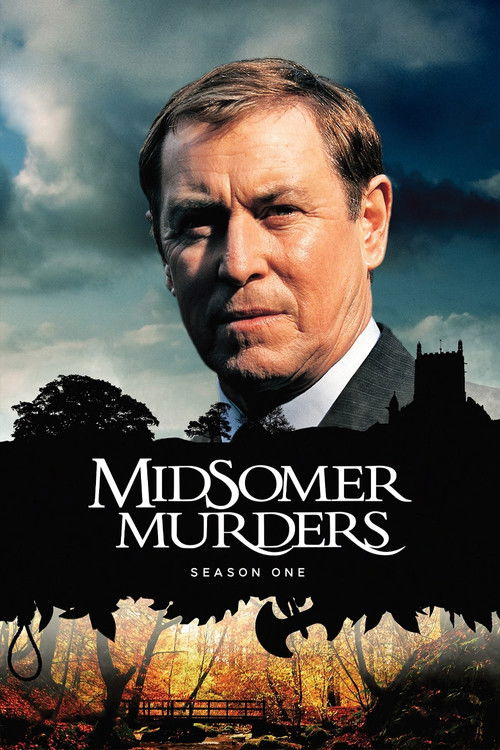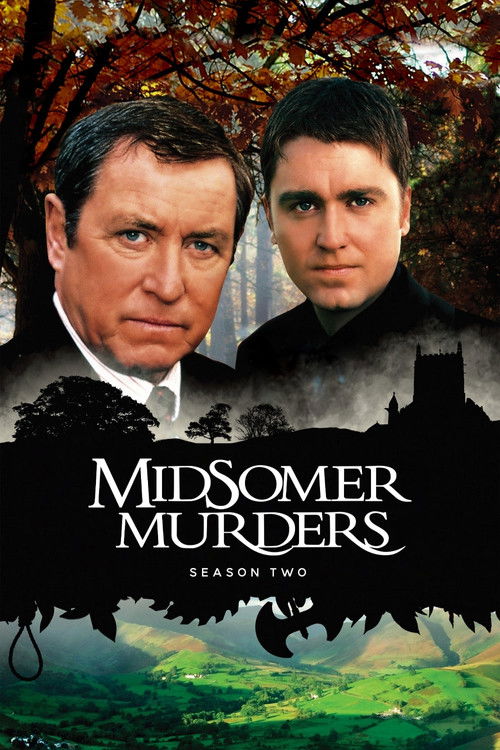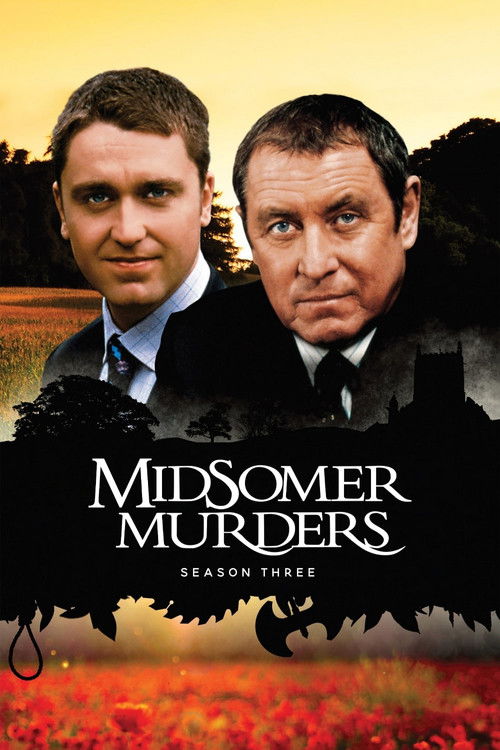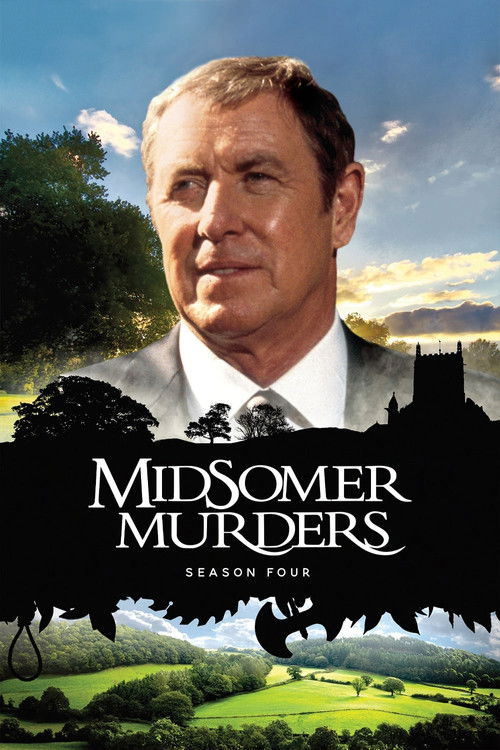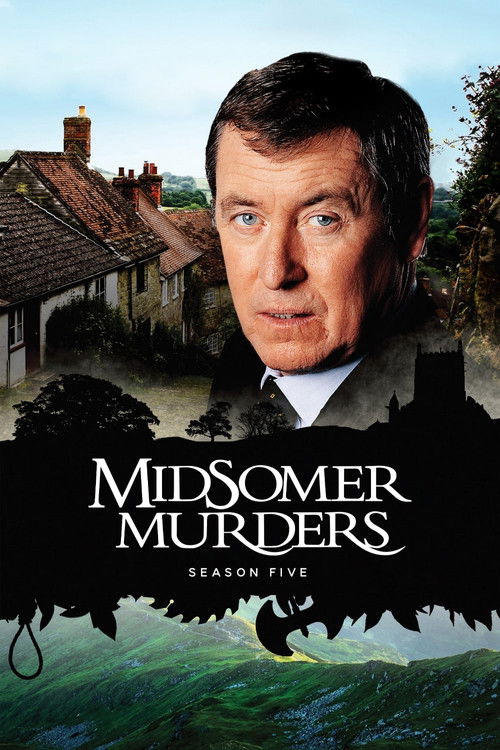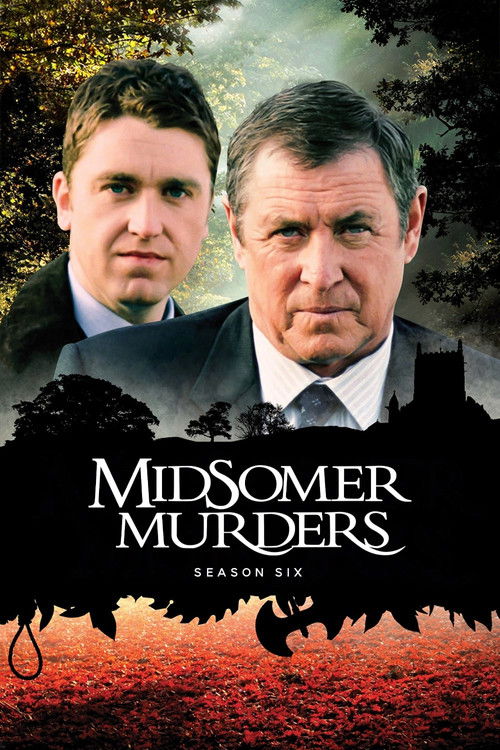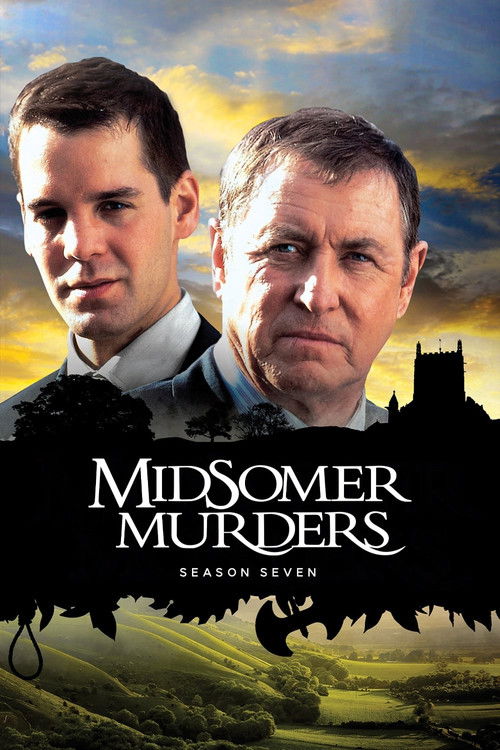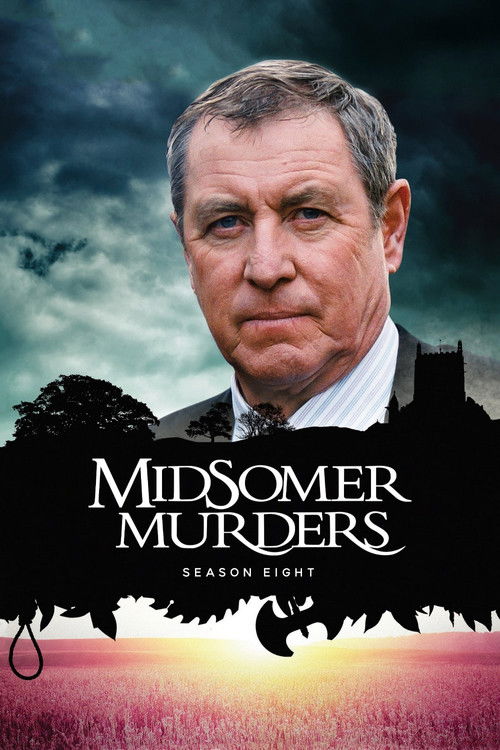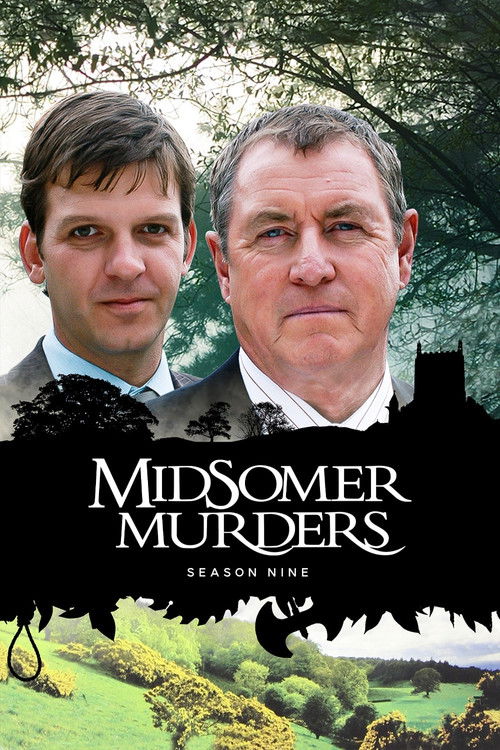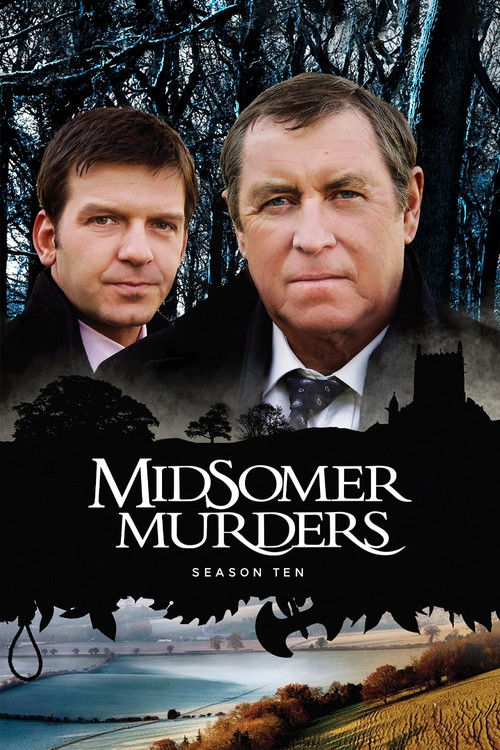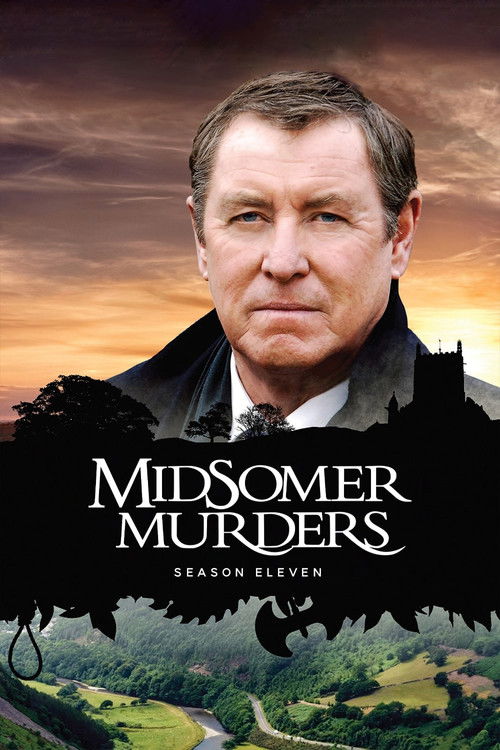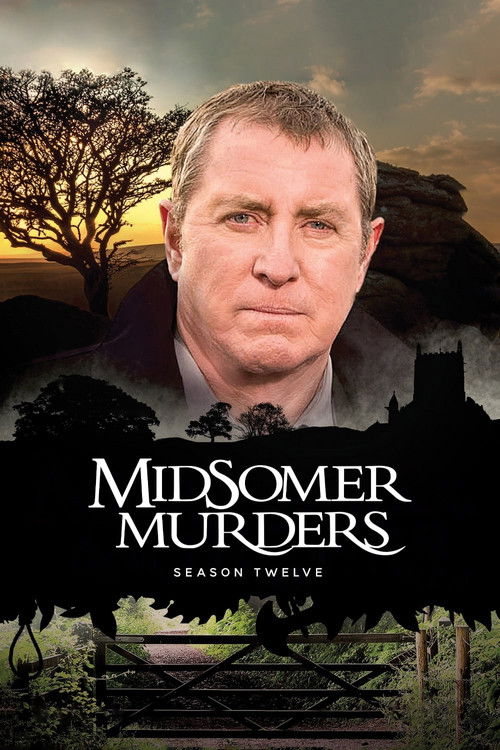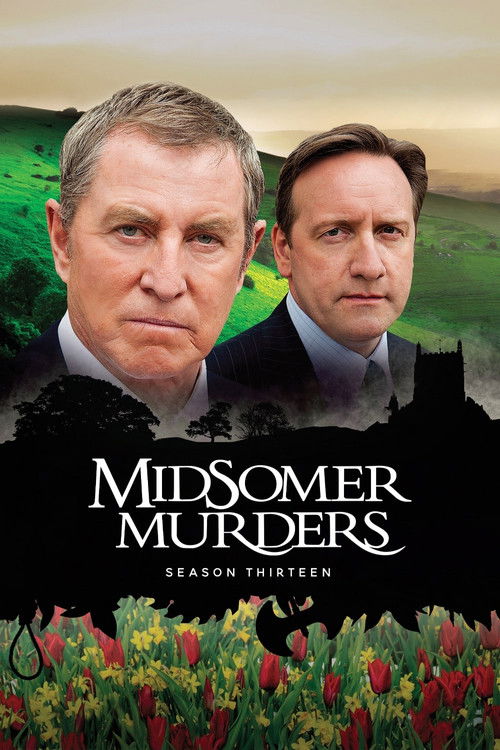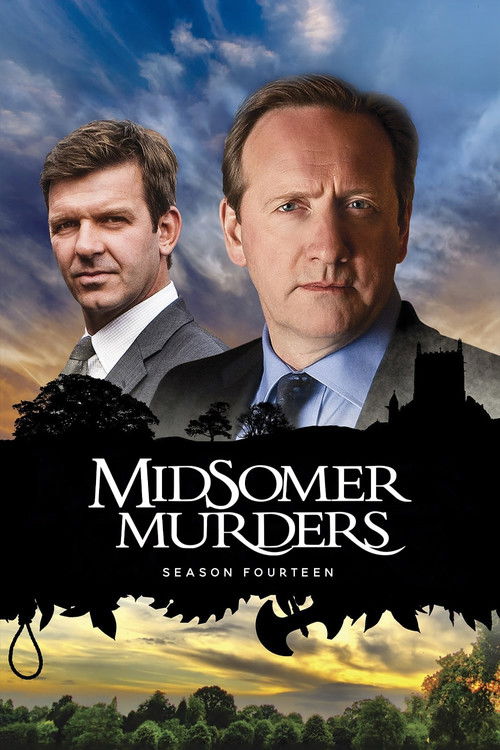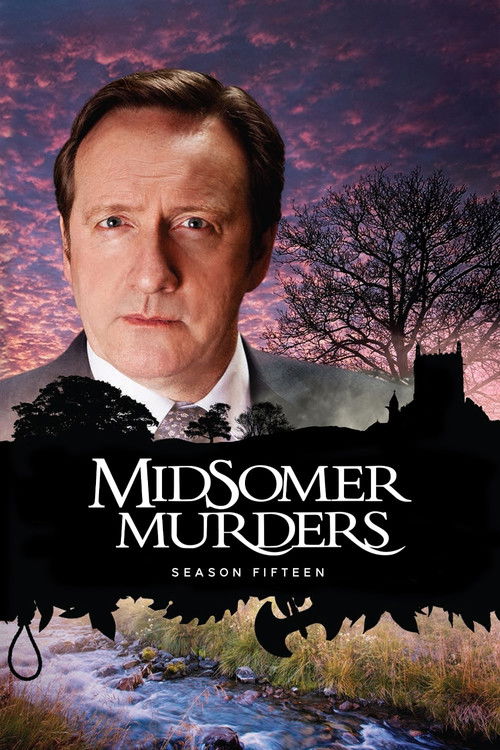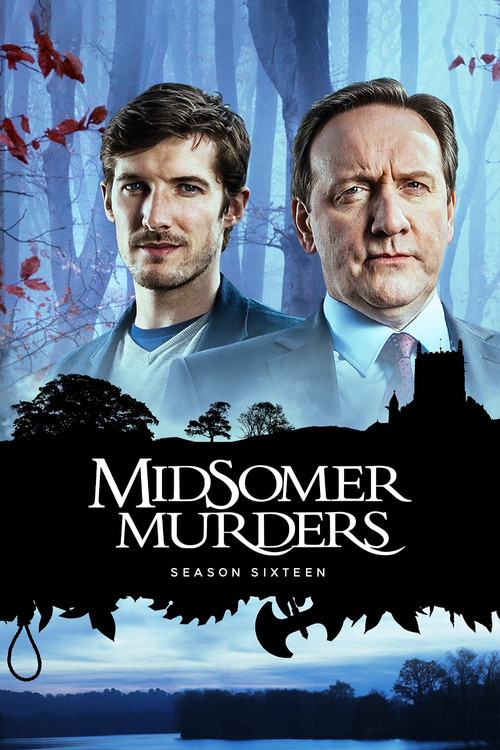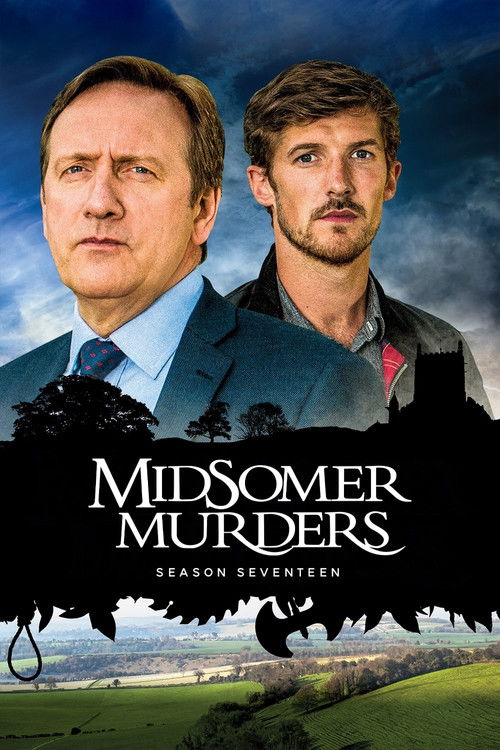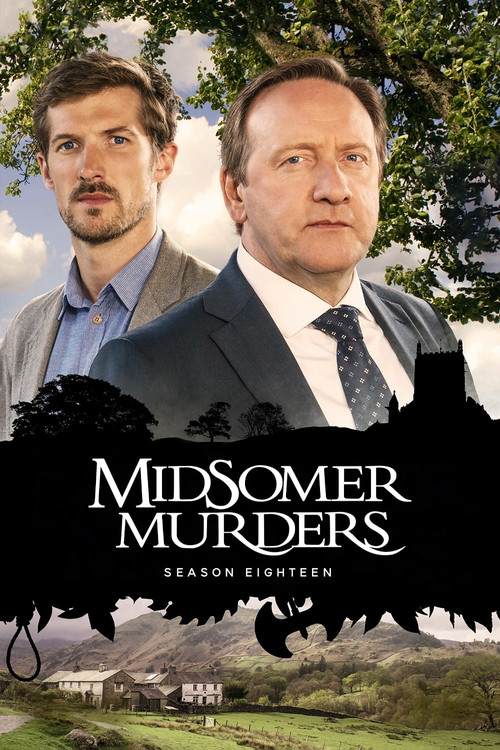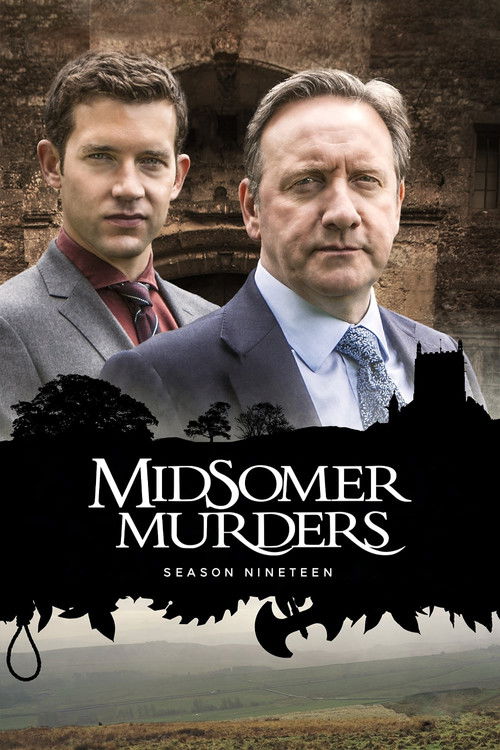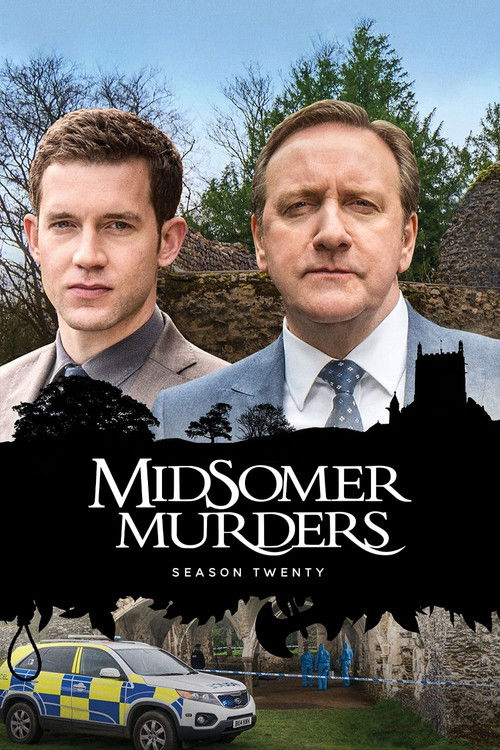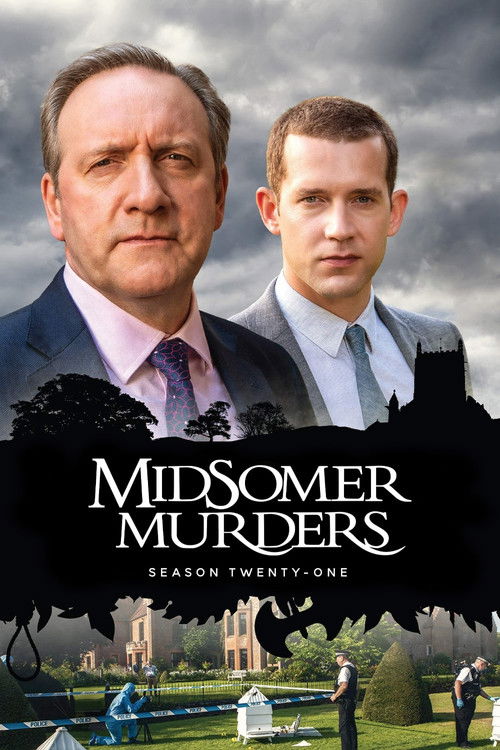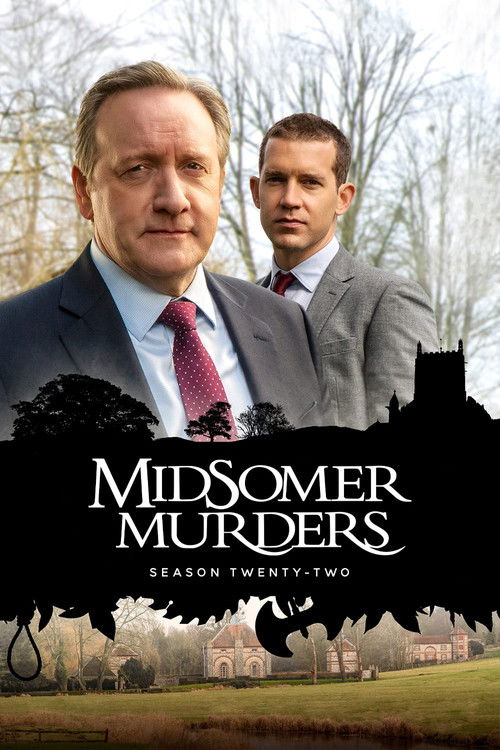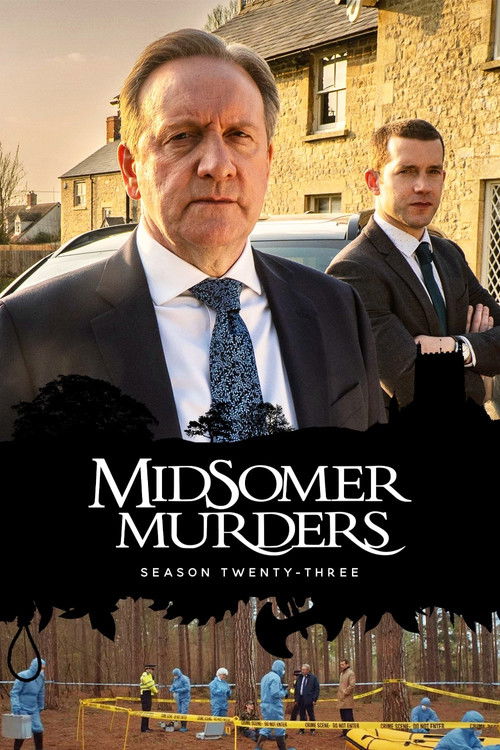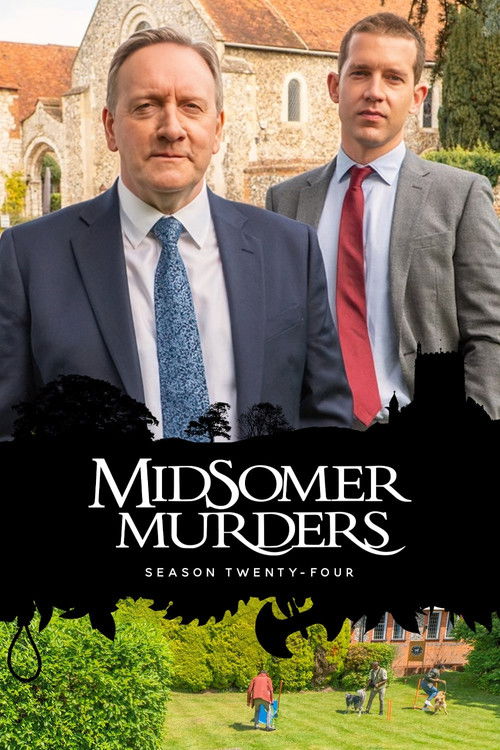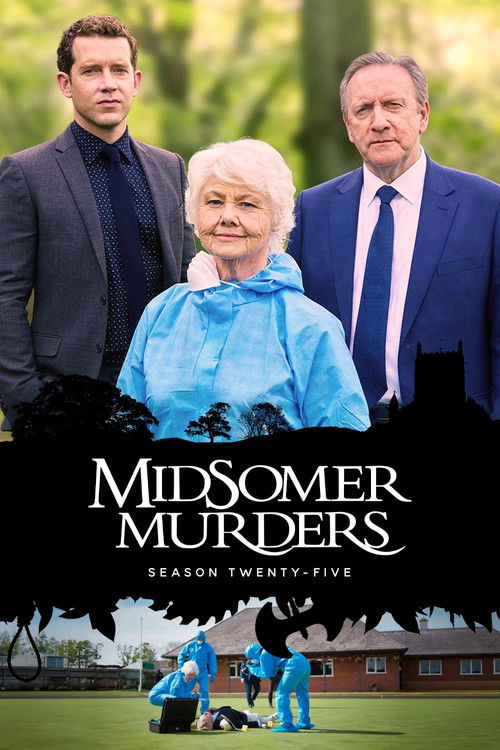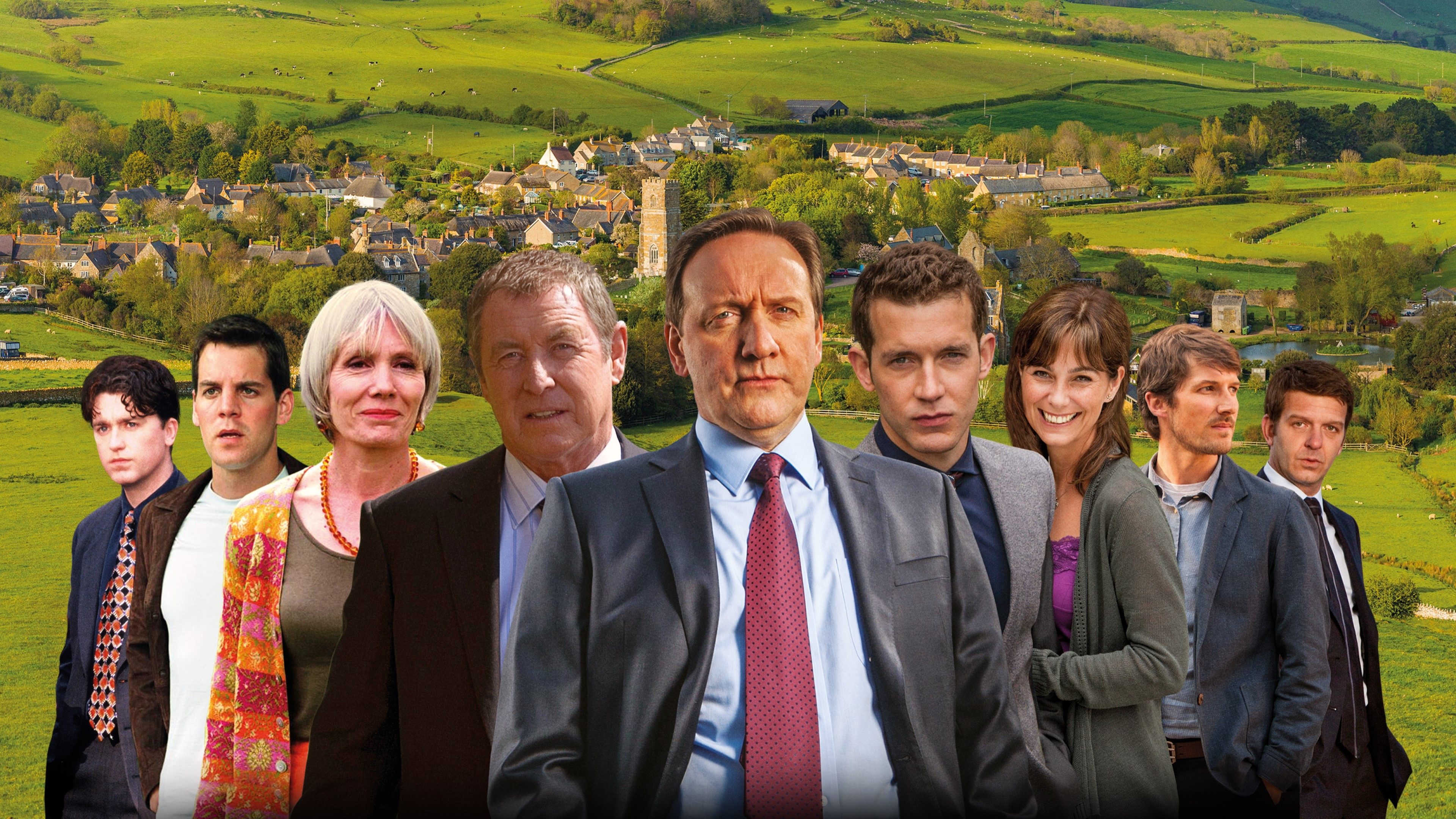
If you’ve been sleeping on Midsomer Murders, you’re missing one of British television’s most enduring detective series—and honestly, one of the most underrated gems in the crime drama landscape. When this show premiered back in 1997, nobody could have predicted it would evolve into a cultural institution spanning 25 seasons and 144 episodes. Yet here we are, nearly three decades later, with the series still returning with new cases, still captivating audiences, and still proving that great storytelling doesn’t require flashy gimmicks or constant reinvention.
The genius of Midsomer Murders lies in its deceptive simplicity. Created by Anthony Horowitz and Caroline Graham, the show takes the classic whodunit formula and transplants it into the picturesque English countryside, specifically the fictional county of Midsomer. What could easily have become a quaint, forgettable procedural instead became something far more sophisticated—a meditation on how evil festers beneath the surface of seemingly idyllic villages. Those 90-minute episodes aren’t just padding; they’re thoughtfully constructed narratives that allow for genuine character development, complex plotting, and the kind of pacing that lets you breathe between revelations.
The show’s greatest achievement isn’t solving murders—it’s making you genuinely curious about why people in picture-perfect villages keep committing them.
What makes this series stand out from the crowded crime drama marketplace is its consistent quality across seasons. Sure, the overall rating sits at a respectable 7.5/10, but look beneath that number and you’ll find remarkable consistency. Early seasons hit around 7.6-7.9, and while there’s natural fluctuation across a quarter-century run, the show hasn’t collapsed into the mediocrity that often plagues long-running series. Episodes like “The Christmas Haunting” (which pulled an impressive 8.3/10 rating) and the highly-ranked “Blue Herrings” demonstrate that the writers never stopped caring about craft.
The cultural footprint of Midsomer Murders is genuinely substantial, even if it doesn’t dominate water-cooler conversation the way serialized dramas do.
This show shaped expectations for how detective mysteries could work on television:
- The procedural that respects intelligence: Each case unfolds like a puzzle, not a melodrama. Viewers are trusted to follow complex plotting without constant exposition.
- The village setting as character: Midsomer becomes less a backdrop and more a protagonist, with its various hamlets and communities developing their own personalities across episodes.
- The partnership dynamic: DCI Barnaby’s relationship with his various partners creates natural emotional grounding without ever overwhelming the mystery itself.
- Episodic satisfaction: In an era of binge-watching serialized dramas, Midsomer proved audiences still craved the pleasure of a complete, satisfying mystery per episode.
What’s particularly clever about the show’s creative achievement is how Anthony Horowitz and Caroline Graham recognized that the 90-minute format was actually their secret weapon. This wasn’t constraint—it was opportunity. Other detective shows rushing through 45 or 60-minute episodes felt breathless by comparison. Here, there’s room for genuine investigation, red herrings that actually mislead, and endings that feel earned rather than rushed. You’re not watching plot points connect; you’re watching a detective methodically uncover truth.
The casting and character work deserve particular praise here. DCI Barnaby evolved from a straightforward investigator into a fully realized character with his own perspective on the strange world he inhabited. The show understood something fundamental about long-running series: audiences return for characters as much as cases. As seasons accumulated and new partners joined Barnaby, the show managed the rare feat of refreshing itself without losing identity.
The range of Midsomer episodes reveals ambition that mainstream television criticism sometimes overlooks. One week you’re investigating deaths at a New Age commune, the next you’re unwinding a revenge plot triggered by events nine years prior. The show constantly played with genre conventions—mixing comedy, genuine darkness, social commentary, and mystery in proportions that shifted from episode to episode. This variety, sustained across 144 episodes, explains why the series could command an audience for 25 seasons without becoming repetitive.
Consider the sheer commitment required: maintaining quality across 25 seasons while keeping both the format and the central relationship recognizable. That’s not easy, but Midsomer Murders achieved it.
Perhaps most impressively, the show’s longevity speaks to something deeper about what audiences actually want from television. In an era obsessed with novelty, high concepts, and constant escalation, Midsomer Murders just kept solving murders in English villages. It didn’t need to reinvent itself every season. It didn’t require shocking twists or serialized mythology. It simply executed its core premise with intelligence and care, episode after episode, season after season. That kind of consistency is increasingly rare, which makes it increasingly valuable.
The fact that it maintains “Returning Series” status after nearly 30 years isn’t just longevity—it’s vindication. Vindication that quality storytelling endures, that audiences appreciate intelligence over sensation, and that sometimes the most radical thing a television show can do is just be good at what it does, reliably and repeatedly. Whether you’re discovering Midsomer Murders for the first time or you’ve been following DCI Barnaby from the beginning, the show remains what it’s always been: a masterclass in how to do genre television right.