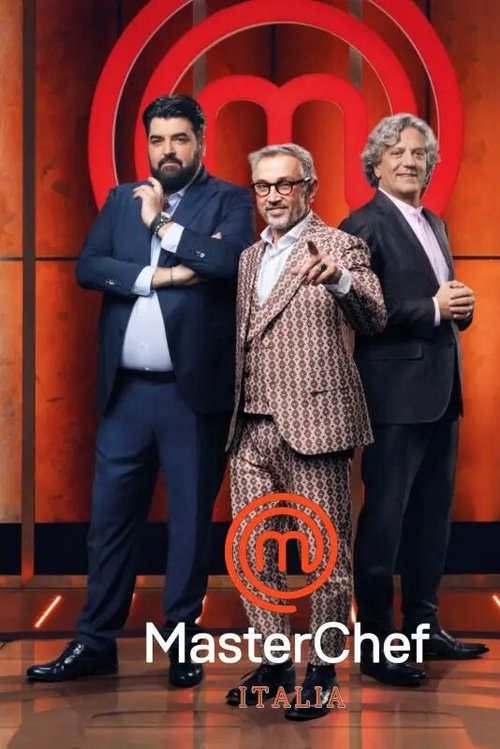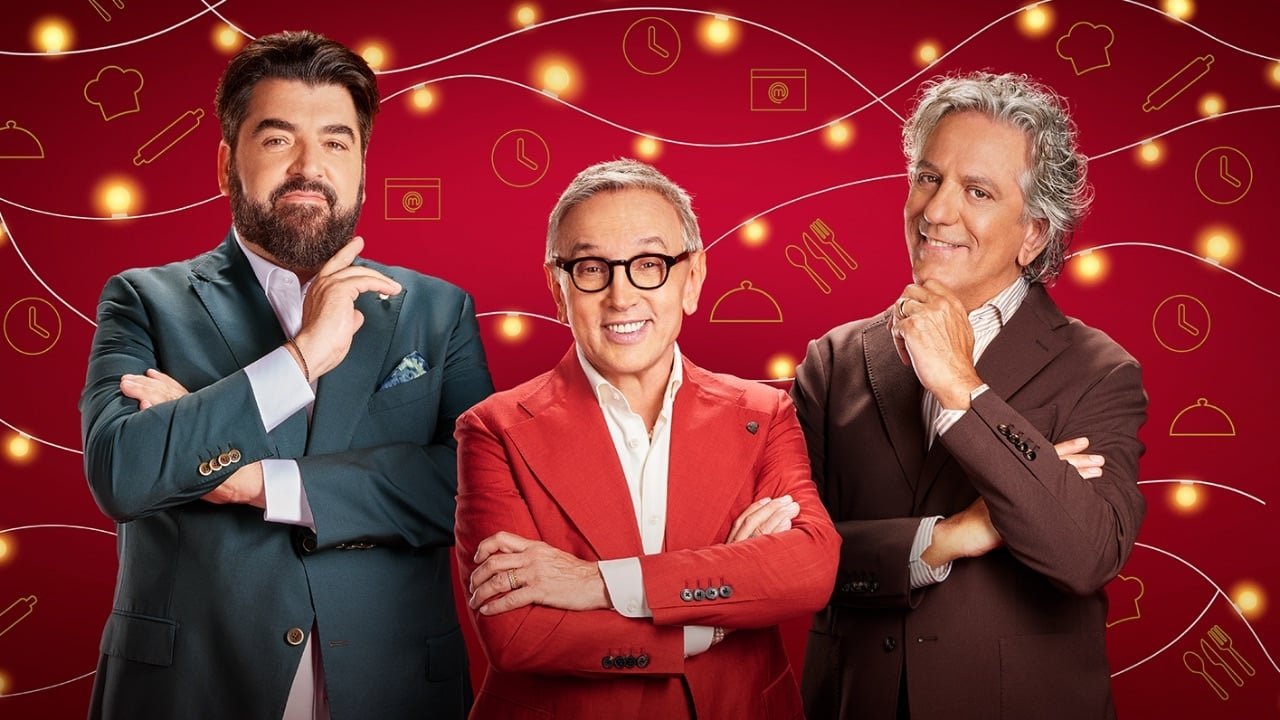
When MasterChef Italy premiered on September 21, 2011, it arrived as part of a broader global phenomenon, yet it carved out something distinctly its own. The Italian version didn’t just copy the international format—it understood something fundamental about its audience: that cooking shows, when done right, transcend the kitchen and become intimate portraits of human ambition, regional pride, and the universal language of food. Over fifteen seasons and 358 episodes, the show has proven that there’s remarkable depth to be found in watching ordinary people push themselves to create extraordinary dishes.
What’s particularly striking about MasterChef Italy is how it managed to maintain relevance across more than a decade of television. The 7.1/10 rating speaks to a show that consistently delivers solid entertainment without needing to resort to manufactured drama or cheap tricks. Instead, it leans into what Italian culture does naturally—it celebrates the craft of cooking with genuine respect. The fifty-minute runtime became the perfect vessel for this approach; long enough to develop real emotional investment in contestants’ journeys, but disciplined enough to maintain the tension and pacing that keeps viewers engaged week after week.
> The show understood that Italian cuisine isn’t just about technique—it’s about heritage, family, and the stories embedded in every recipe.
The cultural footprint of MasterChef Italy extends far beyond its television audience. The show became a conversation starter about culinary identity in a country where food isn’t merely sustenance but a form of cultural expression. It sparked genuine discussions about regional cooking traditions, bringing dishes and techniques from lesser-known Italian corners into mainstream consciousness. Viewers weren’t just watching people cook; they were discovering that the pasta their grandmother made had historical significance, that forgotten family recipes deserved revival and respect.
What the creators achieved with the Reality format was particularly innovative. Rather than relying on excessive editing tricks or contrived interpersonal conflict, they trusted the fundamental drama already present in the competition itself. The high stakes—the judges’ assessments, the time pressures, the technical challenges—provided all the narrative tension needed. This restraint actually elevated the show, allowing audiences to connect authentically with contestants as individuals rather than as manufactured personas.
The show’s journey across networks tells its own story of evolution and adaptation. Airing on TV8, Sky Uno, and Sky Italia meant it reached audiences across different viewing platforms, reflecting the modernization of Italian television consumption. The shift toward streaming availability and multi-platform broadcasting meant that MasterChef Italy could reach new generations of viewers while maintaining its core audience. That flexibility helped secure the show’s Returning Series status, a testament to its enduring appeal.
Over its fifteen-season run, MasterChef Italy produced moments that became genuinely iconic in Italian popular culture:
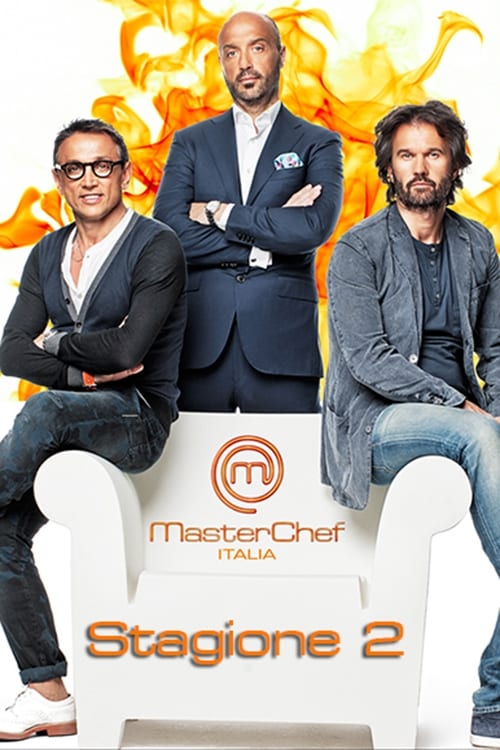
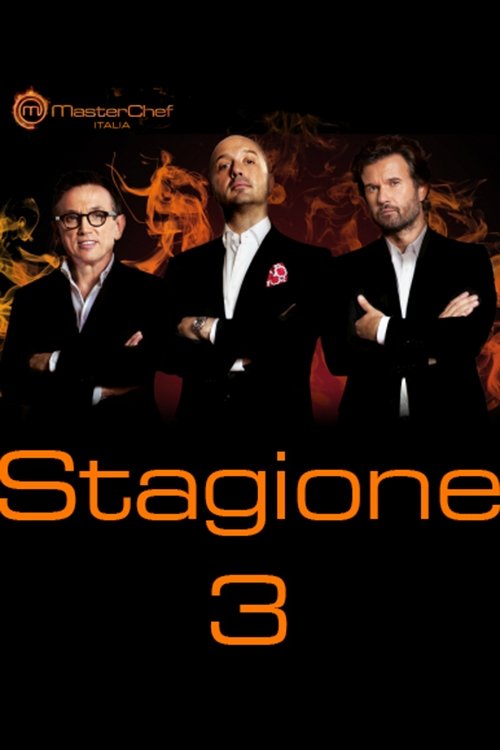
- The introduction of judges who became recognizable personalities in their own right, whose critiques were respected and sometimes hotly debated by viewers
- Contestants who became minor celebrities, their careers transformed by their time on the show
- Standout cooking moments—both triumphs and heartbreaking failures—that resonated across social media and water cooler conversations
- The show’s ability to identify genuine talent early, launching cooking careers that have since flourished
The 358 episodes spanning fifteen seasons represent an enormous body of work, yet the show rarely felt repetitive. This is because the format allowed for genuine evolution. Early seasons established the foundation and proved the concept worked; middle seasons refined the judging criteria and elevated the difficulty; recent seasons have pushed contestants to innovation while still respecting tradition. That arc of development is something many reality shows fail to achieve.
The technical achievement shouldn’t be overlooked either. Producing consistent, quality television at this volume requires meticulous planning and creative discipline. The fifty-minute episodes are tightly constructed narratives where almost every moment serves purpose. There’s no filler, no unnecessary scene-setting—it’s storytelling stripped to its essentials, which paradoxically makes room for genuine human moments to breathe.
What ultimately makes MasterChef Italy worthy of sustained attention is its fundamental respect for both the medium and its audience. It never talks down to viewers, never assumes they don’t understand culinary technique or that they’re only watching for melodrama. Instead, it assumes intelligence and emotional maturity, inviting people to invest in stories about people pursuing excellence. That faith in the audience has been repaid with loyalty and cultural relevance.
The show’s endurance as a Returning Series speaks volumes about what works in television right now—authenticity, respect for craft, and storytelling that values substance over sensationalism. In an era of endless competition and diminishing attention spans, MasterChef Italy proved that you can build something genuinely lasting by simply doing the fundamentals exceptionally well. It’s not the flashiest show on television, but it’s one that respects both the art of cooking and the humanity of the people pursuing it. That’s precisely why audiences keep returning, season after season.