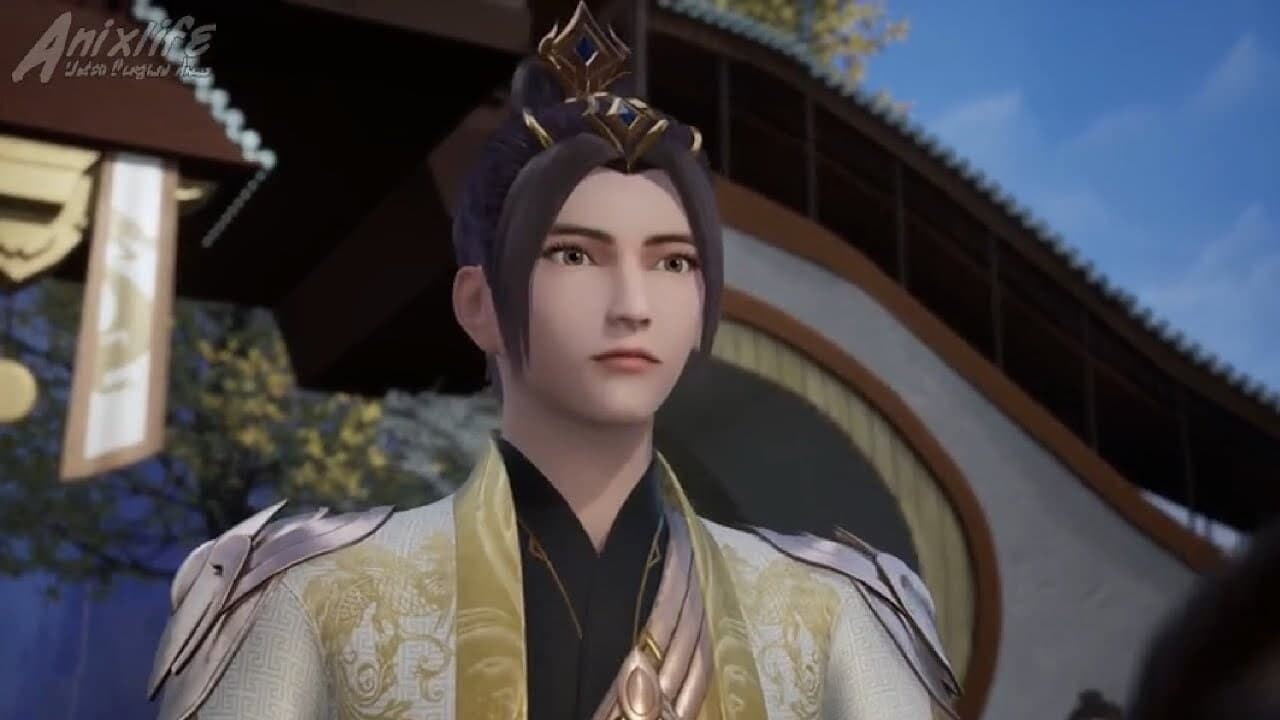
You know that feeling when a show just gets you? When you find yourself genuinely invested in characters you initially thought were stereotypical, and suddenly you’re binge-watching episode after episode without questioning it? That’s the magic of Martial Master, and it’s exactly why this series deserves a serious place in conversations about modern animation and serialized storytelling.
When Martial Master debuted on March 7, 2020, it arrived during a fascinating moment in animation history. Creator Zhang Lihua crafted something that seemed deceptively simple on the surface—another martial arts fantasy action series—but what unfolded was a masterclass in constraint-driven storytelling. With only seven minutes per episode, the show faced a creative puzzle that most television productions never have to solve. Instead of seeing this limitation as a weakness, Zhang Lihua leaned into it, and that decision fundamentally shaped what made the series so compelling.
The structural brilliance of Martial Master lies in how it uses those seven minutes to maximum effect. Rather than padding scenes with unnecessary dialogue or filler animation, every moment serves narrative progression. This forced economy of storytelling created something genuinely refreshing—a show that respects viewer intelligence and time investment in equal measure.
> The show’s ability to sustain audience engagement across 700 episodes stands as a remarkable achievement in serialized animation.
Let’s talk about the elephant in the room that also happens to be the show’s greatest strength: 700 episodes in a single season. This is wild by Western television standards, yet it worked. Here’s why that matters: Martial Master proved that episodic serialization on this scale wasn’t exhausting or dilutive when the pacing and narrative architecture were thoughtfully constructed. The series maintained a 7.6/10 rating across this entire span, which honestly speaks volumes. That’s not a show that peaked and declined—that’s consistent quality maintained over an absolutely massive commitment.
The show’s significance in television stems largely from its success on Tencent Video, a platform that has fundamentally changed how we should think about global streaming and animated content. Martial Master became a proving ground for a different approach to episodic storytelling—one that privileged depth and consistency over the sprint-and-collapse model that dominated Western prestige television.
What really resonated with audiences was the show’s thematic richness wrapped inside pure action-adventure spectacle. The series operates across fascinating intersections:
- Action sequences that felt kinetic and purposeful despite animation constraints
- Sci-Fi elements that elevated what could have been a standard martial arts tale into something with genuine conceptual weight
- Fantasy worldbuilding that expanded organically through episode accumulation
- Character arcs that unfolded gradually, rewarding long-form investment
The cultural footprint of Martial Master rippled outward in ways that surprised many observers. Yes, it found its core audience among anime and animated series enthusiasts, but it also sparked conversations about whether Western animation had grown too obsessed with limited-series prestige and not enough with the satisfaction of genuine serialization. The show became something of a conversation starter about cultural differences in how television gets made and consumed.
There’s something almost audacious about Martial Master’s structure that modern television had largely abandoned. In an era of eight-episode seasons meticulously calculated for maximum engagement metrics, here was a show that said: “No, we’re going to trust the story and let it breathe across 700 episodes.” That kind of confidence in narrative material feels almost rebellious.
Zhang Lihua’s vision appears rooted in a philosophical belief that great storytelling doesn’t require artificial scarcity or rushed pacing to be compelling. The creator seemed to understand that audiences seeking action and adventure fantasy animation weren’t looking for a quick hit—they were willing to invest in something long-form if the quality remained consistent and the progression felt earned.
The fact that Martial Master has been greenlit as a returning series speaks to something crucial that transcends typical renewal mathematics. This isn’t about chasing a passing trend; this is about recognition that the show found something durable in its approach. There’s an audience for meticulously constructed, long-form serialized animation that respects narrative integrity.
What stands out most, looking back at Martial Master’s journey from March 2020 forward, is how it demonstrated that animation studios could take genuinely ambitious narrative swings. By condensing storytelling into seven-minute episodes while maintaining emotional and action-driven payoffs, the show created a template that challenged assumptions about what animation could achieve. The 700-episode commitment wasn’t a gimmick—it was the necessary duration for the story Zhang Lihua wanted to tell.
In the broader landscape of animated series, Martial Master occupies a fascinating space. It’s neither trying to be prestige television nor pulp entertainment—it’s simply trying to tell a genuinely engaging martial arts fantasy story with discipline and consistency. In a television landscape increasingly fractured by algorithm-driven content strategies, there’s something refreshingly honest about that approach. The show earned its 7.6/10 rating and its devoted audience not through trends or hype, but through genuine commitment to sustained quality storytelling.
That’s why Martial Master deserves your attention.