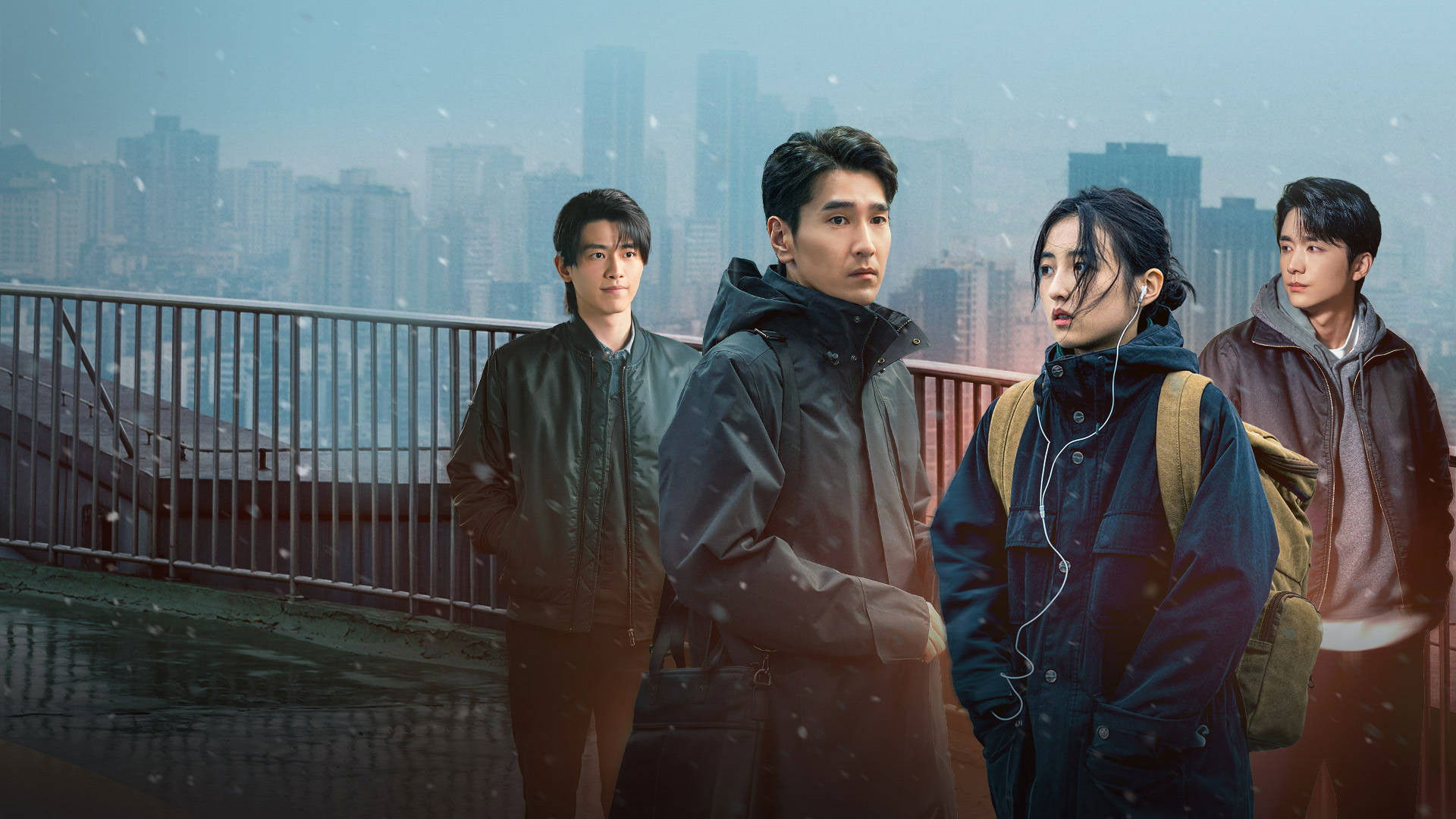
When Loving Strangers premiered on January 10, 2026, it arrived carrying significant expectations. As a Chinese adaptation of the beloved Korean drama My Mister, the show faced the inherent challenge of following in the footsteps of a beloved predecessor while carving its own identity. What Tian Han and the creative team accomplished was nothing short of remarkable—they didn’t just remake a story, they reinvented it for a new cultural landscape, and in doing so, created something that stands triumphantly on its own merit.
The most striking achievement of Loving Strangers is how it managed to transcend the typical pitfalls of international adaptations. Rather than simply transplanting characters and plot points wholesale, the show demonstrated a deep understanding of what made the original resonate emotionally while fundamentally restructuring the narrative to reflect contemporary Chinese society. The intimate, character-driven drama that defined the Korean version found new life here, exploring themes of isolation, unexpected connection, and the quiet redemption that can emerge between strangers.
“You would be surprised off your pants when you realize this is a remake because it independently stands alone as an excellent piece.”
That quote from viewers captures exactly why this show deserves your attention. The 28-episode run gave Tian Han and their writers ample space to develop relationships with genuine depth—these weren’t rushed character arcs or convenient resolutions. Instead, we got sustained exploration of how two people from completely different worlds could gradually illuminate each other’s darkest moments. The pacing, unrestricted by a conventional episode structure, allowed for breathing room in storytelling that modern dramas often sacrifice for momentum.
The 9.0/10 rating didn’t materialize from spectacle or melodramatic excess. Audiences connected with this show because it honored emotional truth over contrived plot devices. The drama emerges from the fundamental human condition—the quiet desperation of feeling unseen, the transformative power of being truly known by another person. These are timeless themes, but Loving Strangers approached them with a specificity that resonated deeply across cultural boundaries.
What made this series culturally significant extends far beyond its narrative achievements:
- The show sparked genuine conversations about mental health and social isolation in Chinese society
- It challenged conventional storytelling about romance, refusing to reduce its central relationship to traditional love-story beats
- The quiet performances became iconic—a rejection of over-the-top acting in favor of nuanced, internalized emotion
- It proved that faithful adaptations could succeed when creators prioritized spirit over letter
The decision to work with an unknown episode runtime—rather than adhering to rigid time constraints—fundamentally shaped how the drama breathed. Some episodes moved with glacial slowness, allowing us to sit with characters in their loneliness. Others accelerated with sudden emotional intensity. This flexibility in pacing became the show’s secret weapon, mirroring how real emotional connections develop unpredictably in actual life rather than following predetermined story beats.
Tian Han’s creative vision demonstrated remarkable courage. Rather than playing it safe with a straightforward remake, they honored the source material’s emotional core while localizing the texture and context. The result feels neither derivative nor disconnected from its inspiration—it occupies its own space entirely. The fashion, the settings, the small details of daily life all authentically reflected the Chinese experience, yet the fundamental story about two damaged people healing each other remained universally recognizable.
The show’s Returning Series status speaks volumes about its cultural impact. After that January 2026 premiere and the subsequent completion of its 28-episode first season, audiences weren’t willing to let this story end. The critical reception—that impressive 9.0/10 rating—translated directly into viewer investment. People weren’t just watching; they were emotionally invested in these characters’ continued journeys. That’s the mark of genuinely exceptional television.
What distinguishes Loving Strangers from countless other dramas is its refusal to condescend to its audience. There are no unnecessary plot twists, no manufactured obstacles, no cynical manipulation of emotions. Instead, there’s a quiet confidence in the power of human connection, in the way vulnerability can become strength, in the revolutionary act of truly seeing another person. In an era of increasingly complex, mythology-heavy television, this show’s commitment to intimate character study feels both nostalgic and urgently contemporary.
For anyone who appreciated My Mister or simply craves drama that respects both its characters and its viewers’ intelligence, Loving Strangers represents exactly why thoughtful adaptation and cultural translation matter in television. It’s not just a remake—it’s a conversation across cultures about what it means to be lonely, to be found, and to be forever changed by the stranger who becomes essential to your survival. That’s the kind of television that endures.
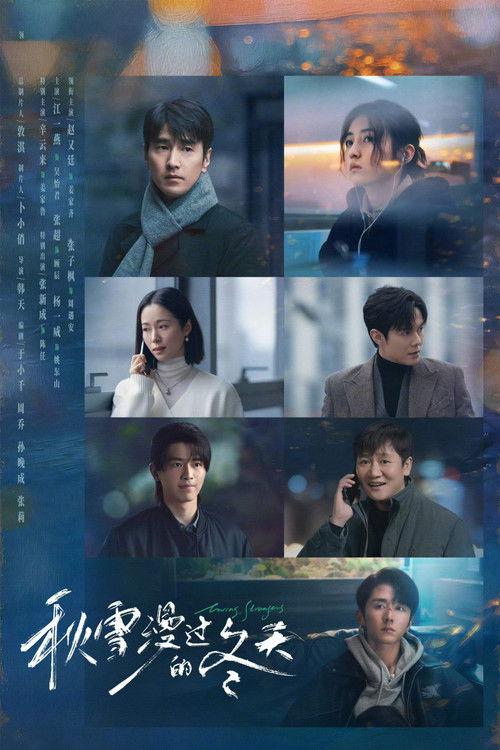


![Official Trailer [Eng Sub]](https://img.youtube.com/vi/MdPc_UTHUJI/maxresdefault.jpg)