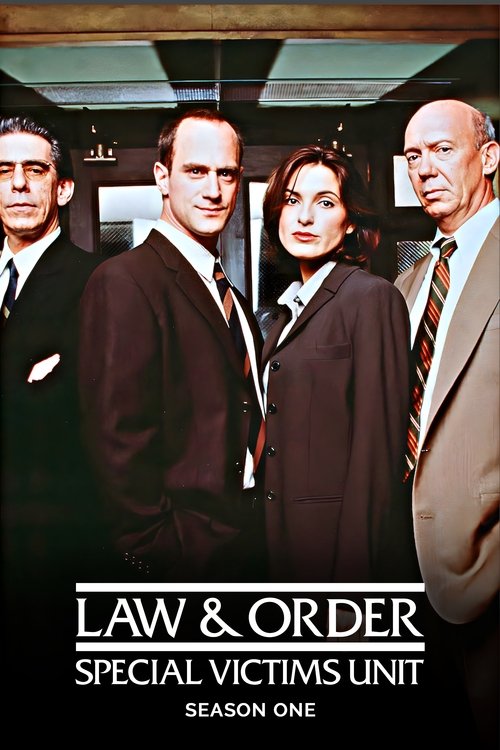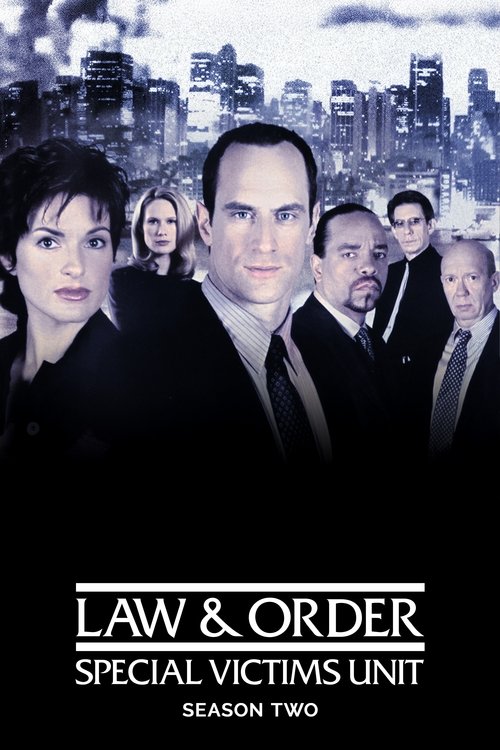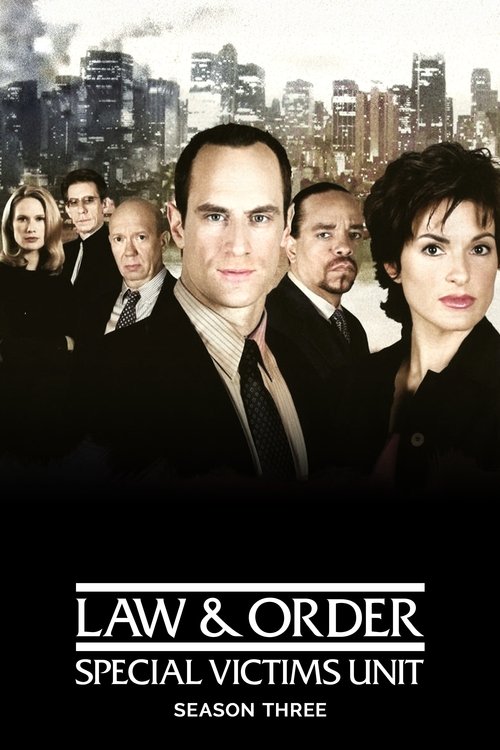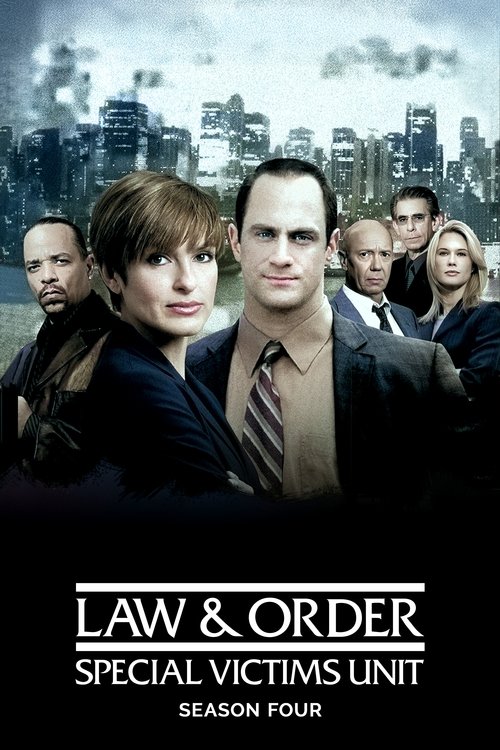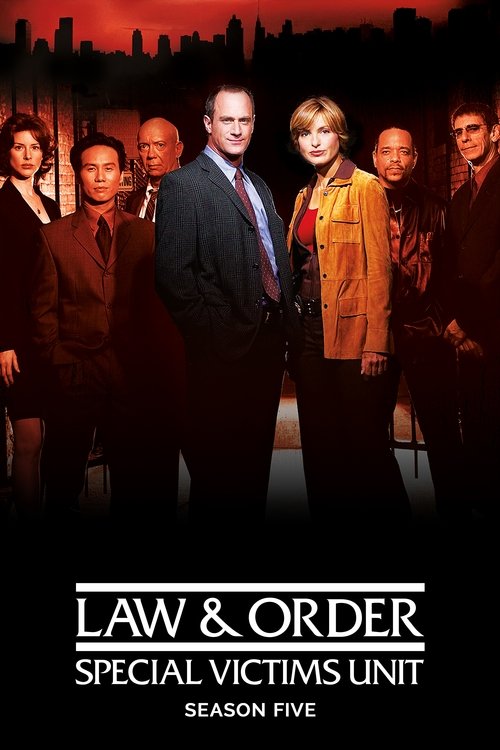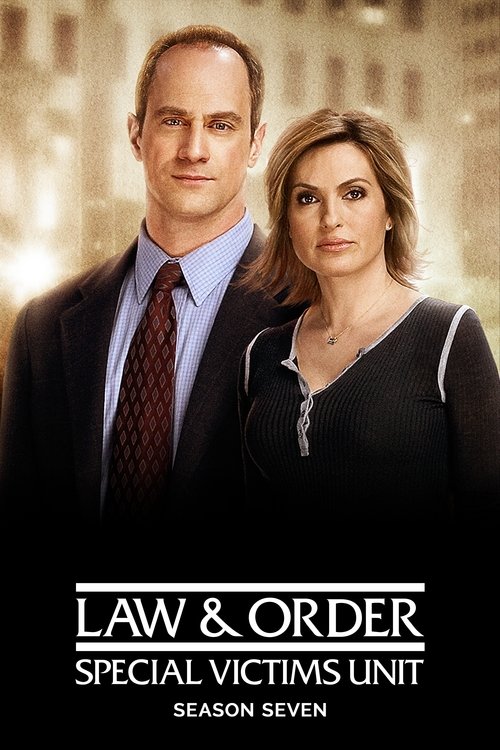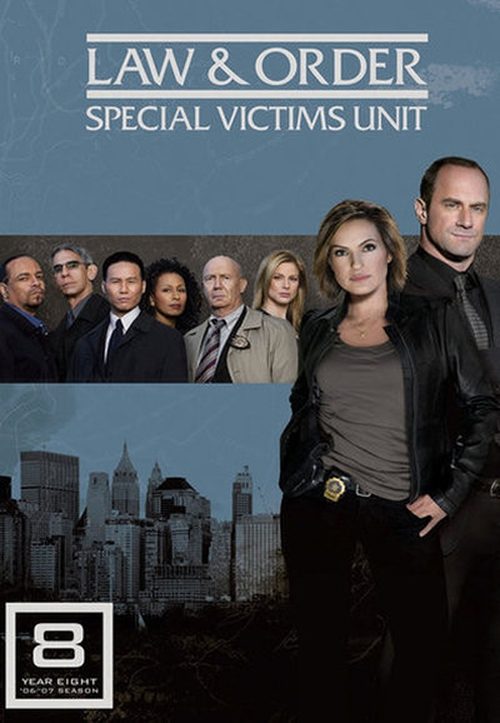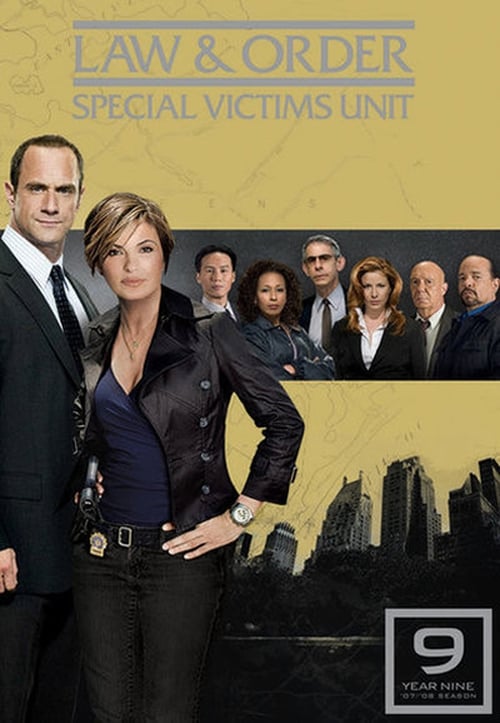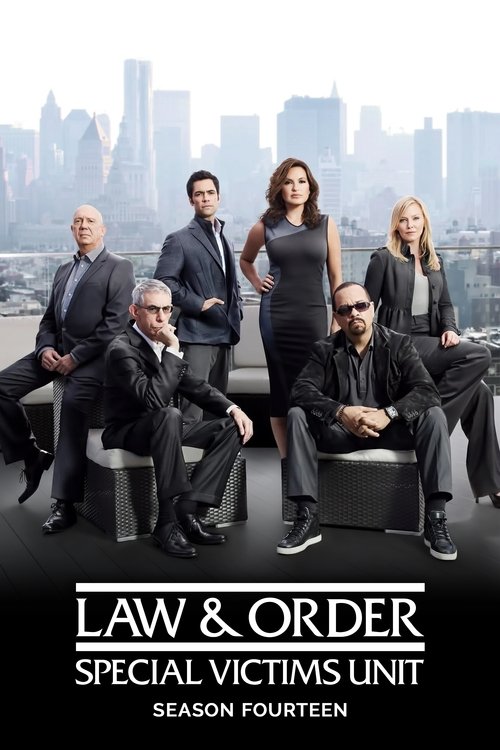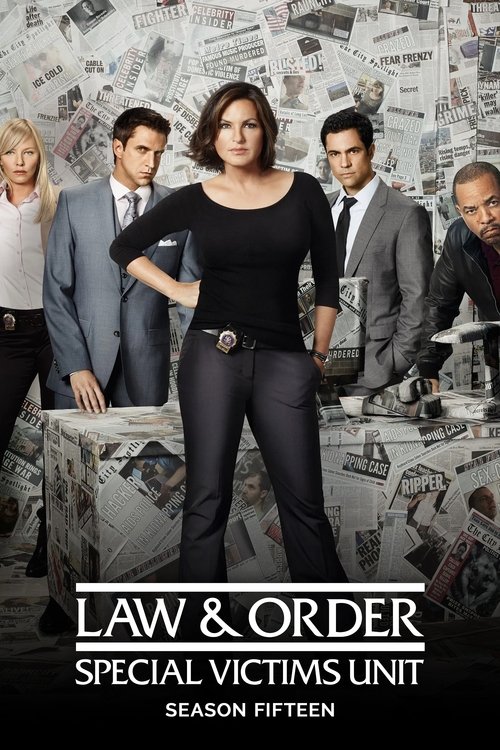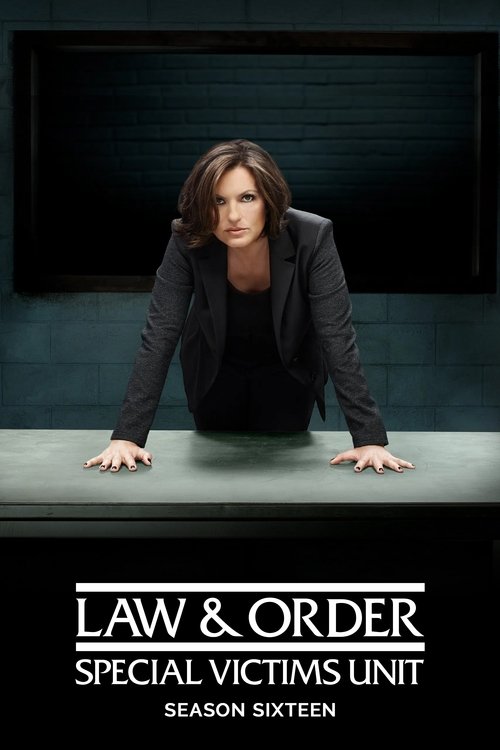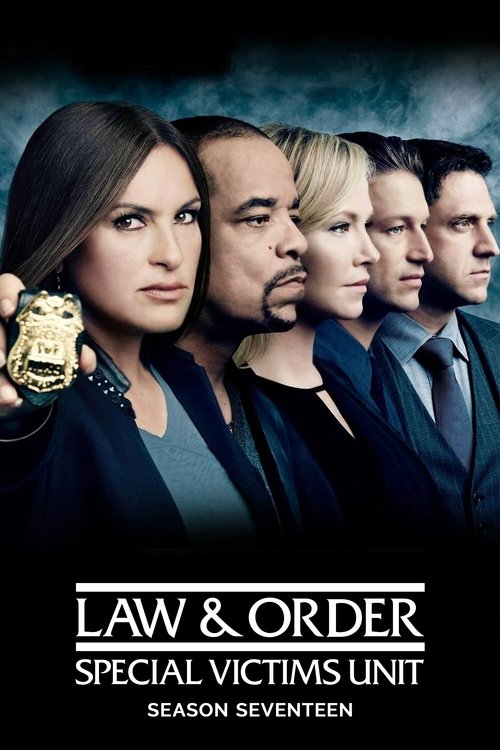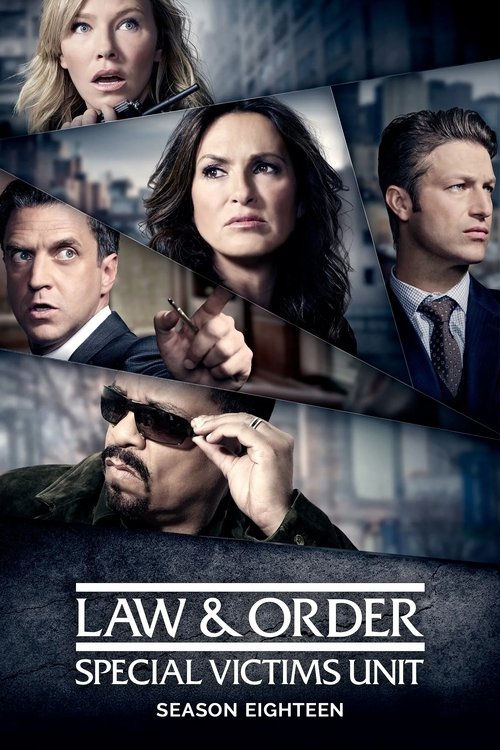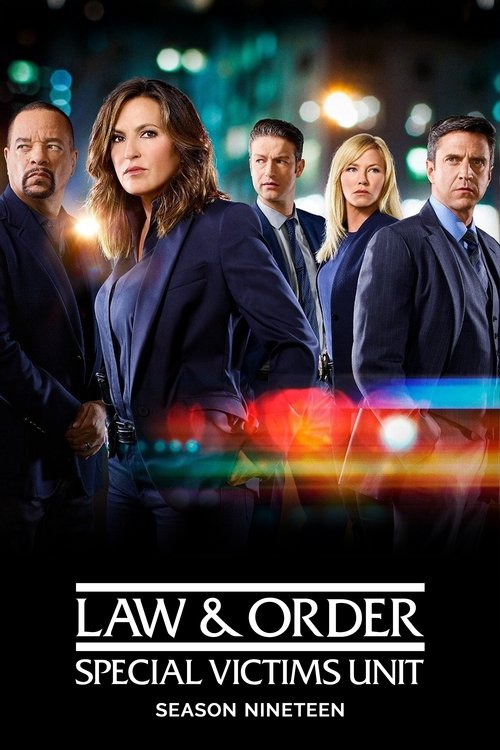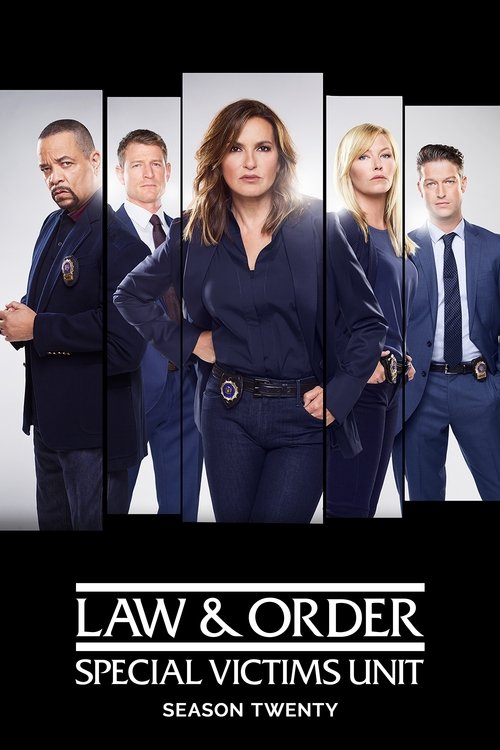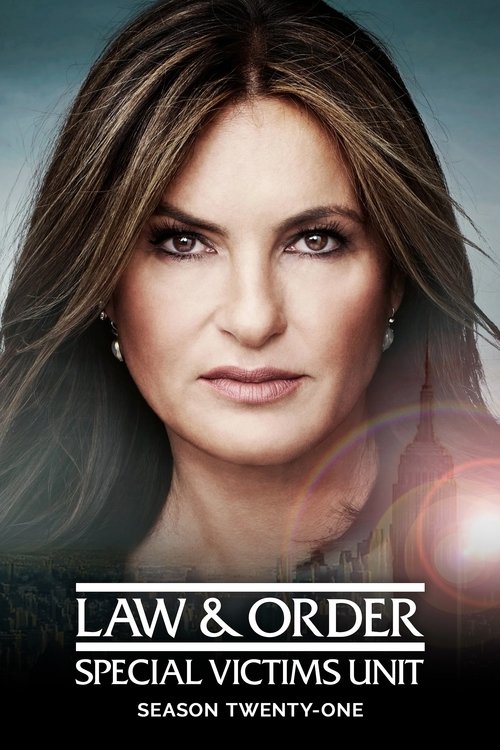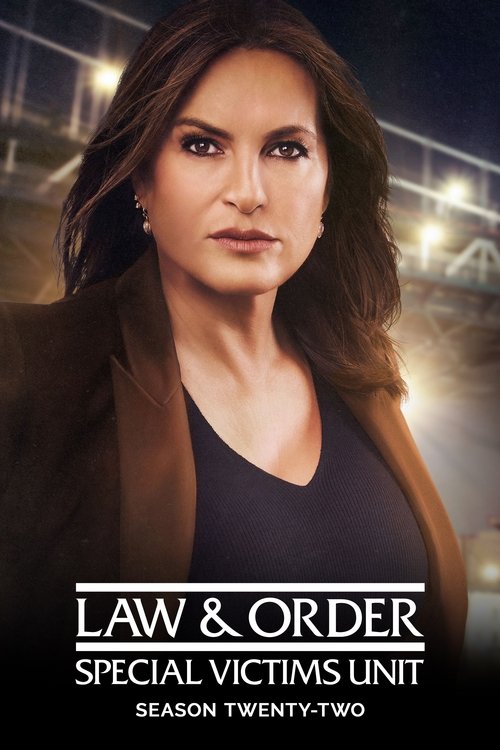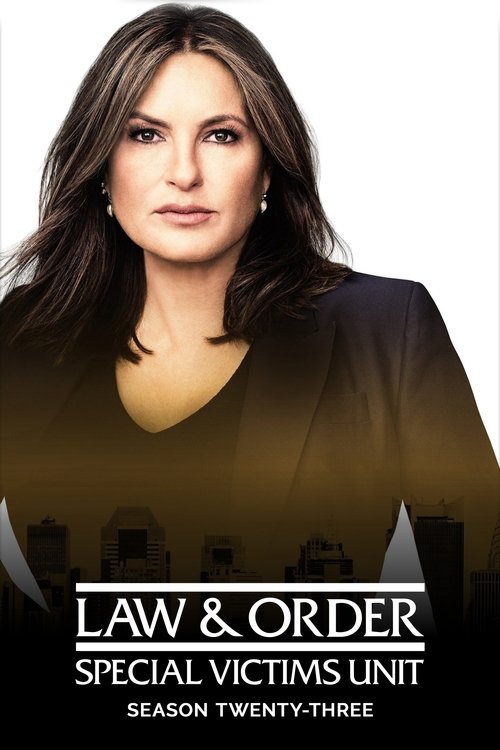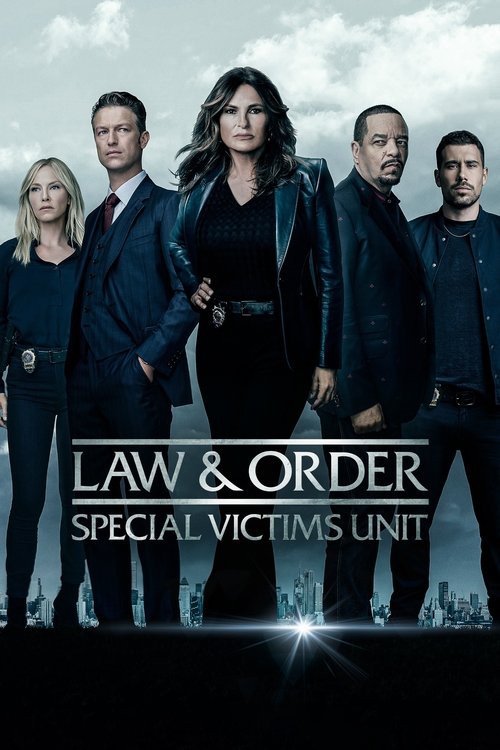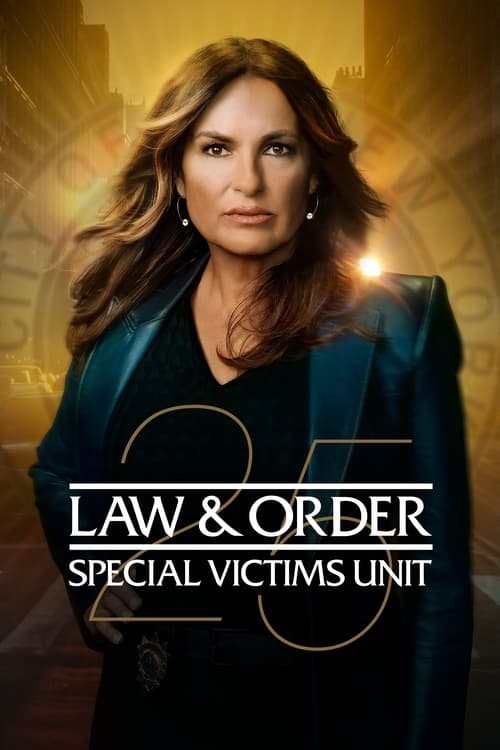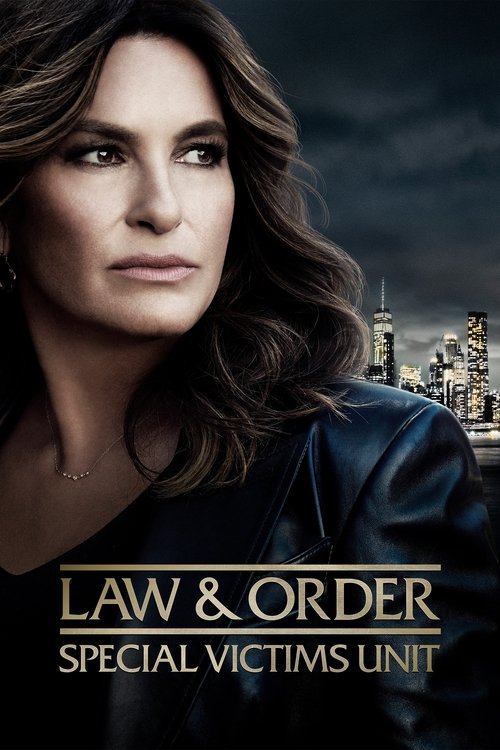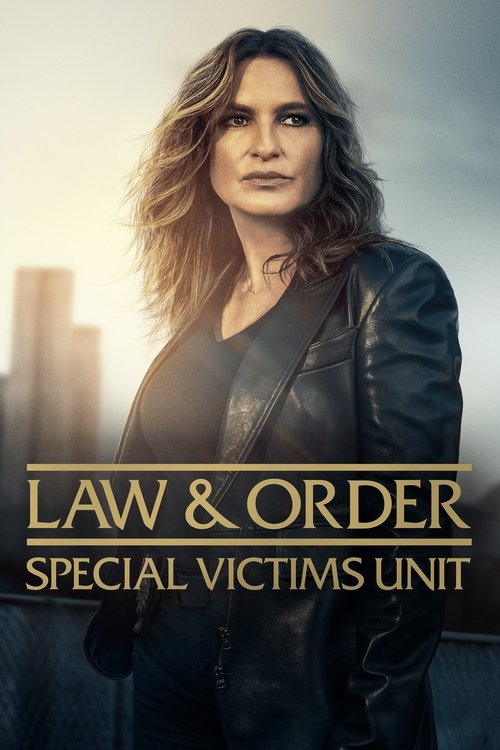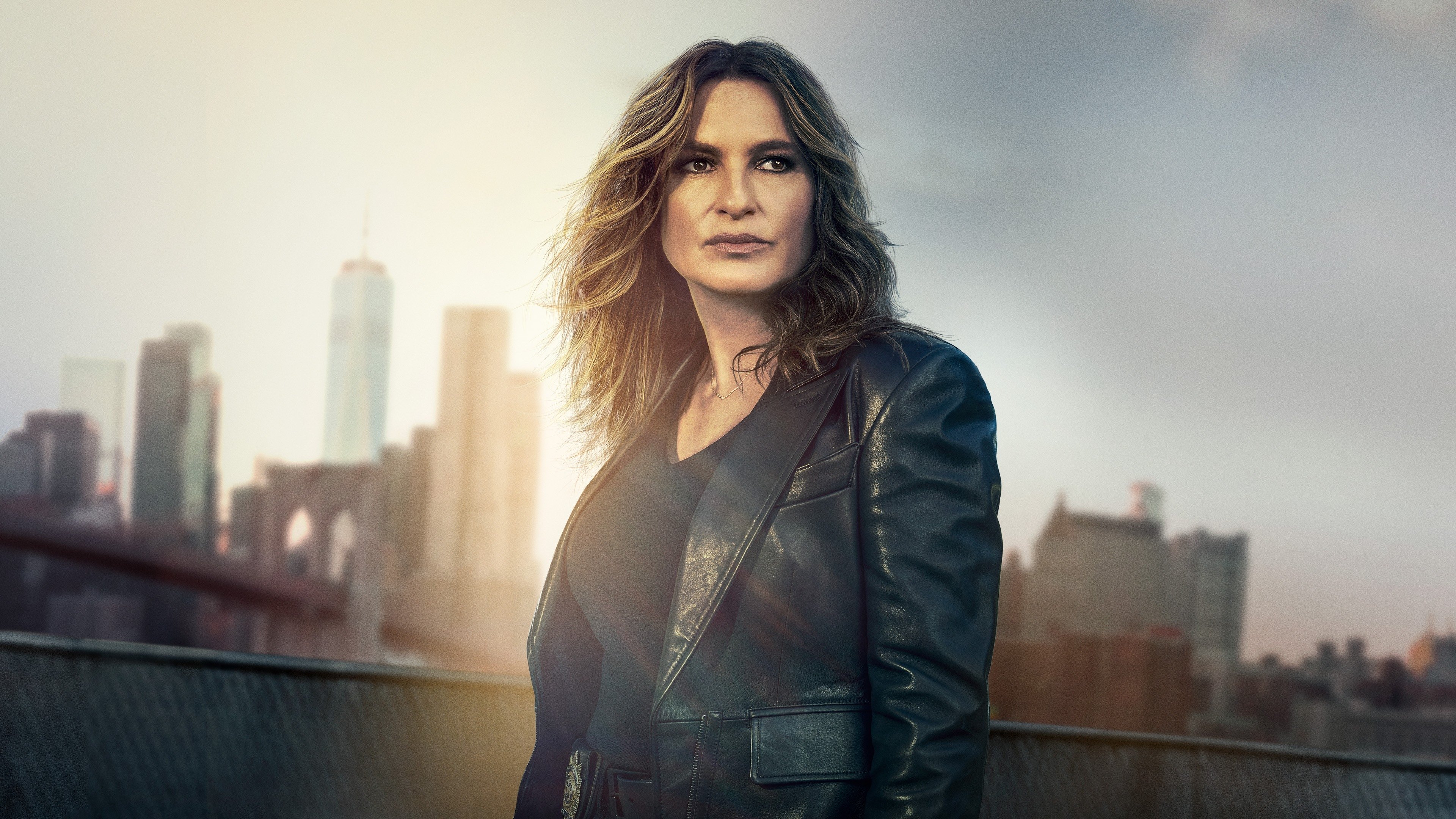
When Law & Order: Special Victims Unit debuted on September 20, 1999, Dick Wolf took a calculated risk—spinning off from the flagship Law & Order franchise to focus exclusively on crimes of a deeply personal nature. What could have been a gimmicky procedural instead became something far more significant: a show that fundamentally changed how television addressed sexual assault, trafficking, and violence against vulnerable populations.
Over 27 seasons and 585 episodes, SVU didn’t just tell stories; it opened conversations that mainstream media had largely avoided, earning a solid 7.9/10 rating that reflects both its consistent quality and its willingness to tackle material others wouldn’t touch.
The genius of Wolf’s approach was understanding that the Special Victims Unit operated in a different emotional territory than standard crime dramas. While the original Law & Order focused on the procedural puzzle of solving crimes, SVU centered itself on the humanity of survivors and the psychological toll of its detectives.
The show’s variable runtime—never locked into a fixed episode length—actually served its storytelling purpose beautifully, allowing narratives to breathe when they needed to and maintain momentum when the case demanded it. This flexibility became part of SVU’s DNA, giving writers room to develop complex character arcs alongside intricate investigations.
SVU understood something crucial: the crimes it depicted weren’t abstract puzzles to be solved and forgotten. They were wounds that shaped everyone they touched—victims, detectives, families, and communities. That emotional authenticity is what kept audiences returning for nearly three decades.
The early seasons established what made this show different. Consider the trajectory from that first season premiere, “Payback,” which immediately signaled SVU’s willingness to explore morally complicated territory.
The ratings tell their own story—Season 1 started at 7.9 but steadily climbed through Seasons 2-6, all hovering around 8.1-8.2, indicating that audiences were not just watching, they were staying. The show was building something real:
- Detective Olivia Benson emerged as television’s most nuanced lead character, a woman shaped by her own trauma who channeled that pain into advocating for others
- The emphasis on procedure without sacrificing emotion—each case mattered legally and humanly
- Groundbreaking episode topics that major networks previously considered unmarketable
- A consistent tone that balanced procedural satisfaction with genuine dramatic weight
What truly set SVU apart in the television landscape was its refusal to treat sexual violence as decorative plot device. When other crime dramas used rape as background motivation for male characters’ vengeance arcs, SVU centered the actual experiences of survivors.
This wasn’t accidental—it was Wolf’s deliberate creative choice, and it resonated profoundly with audiences who recognized themselves in these stories. The show became something rare: prestige television disguised as a network procedural, earning critical respect while maintaining strong viewership.
The cultural footprint Law & Order: SVU created extended far beyond entertainment. Advocacy organizations began citing episodes in their educational materials. Survivors found validation in seeing their experiences portrayed with dignity rather than exploitation.
The show influenced how other dramas approached similar material—setting an implicit standard that if you’re going to tell these stories, tell them responsibly. That’s an enormous legacy for any television program.
Across 585 episodes, the show demonstrated remarkable range:
- Early seasons (1-6) established the formula and built unshakeable character relationships
- Middle seasons (7-15) expanded the emotional complexity and tackled increasingly ambitious social issues
- Recent seasons (16-27) have navigated evolving conversations about consent, identity, and institutional accountability while welcoming new cast members
The consistency of quality—maintaining that 7.9/10 rating across such a massive episode count—speaks to the show’s structural durability. Sure, individual seasons fluctuate, and recent commentary suggests some viewers feel the writing could sharpen up, but the fact that SVU remains compelling enough to be a “Returning Series” after 27 seasons indicates something deeper than formula. It’s evolved with its audience’s understanding of these issues.
Dick Wolf created something that transcended the usual lifespan of network procedurals. Most crime dramas peter out after 5-7 seasons, recycling the same plot beats until cancellation arrives. SVU kept evolving because the real world kept evolving, and the show remained responsive to that change.
What’s particularly remarkable is how the show maintained accessibility across multiple streaming platforms—Hulu, Peacock Premium, YouTube TV—while continuing to produce new content. That’s not accidental distribution; that’s a show considered essential viewing across different audience demographics and consumption habits. Young people discovering SVU through streaming are experiencing the same character arcs and investigative rigor that original 1999 viewers encountered on NBC.
The creative achievement here involves remarkable discipline. Every detective show could adopt SVU’s format, but few could sustain the emotional authenticity that makes it work.
The writers had to genuinely understand trauma, legal procedure, and character development deeply enough to make 585 episodes feel earned rather than repetitive. The cast, particularly its ensemble structure, had to maintain chemistry and believability through countless guest stars and rotating storylines.
For anyone reconsidering what makes television truly significant, Law & Order: Special Victims Unit deserves serious attention. It’s not just a long-running show—it’s a cultural institution that changed how we talk about trauma, justice, and survival. That’s the show worth streaming, worth discussing, and worth recognizing as one of Dick Wolf’s most important creative contributions to television history.