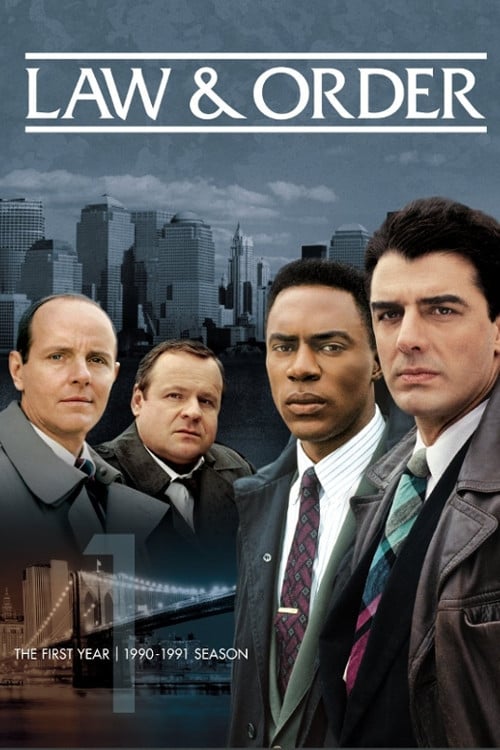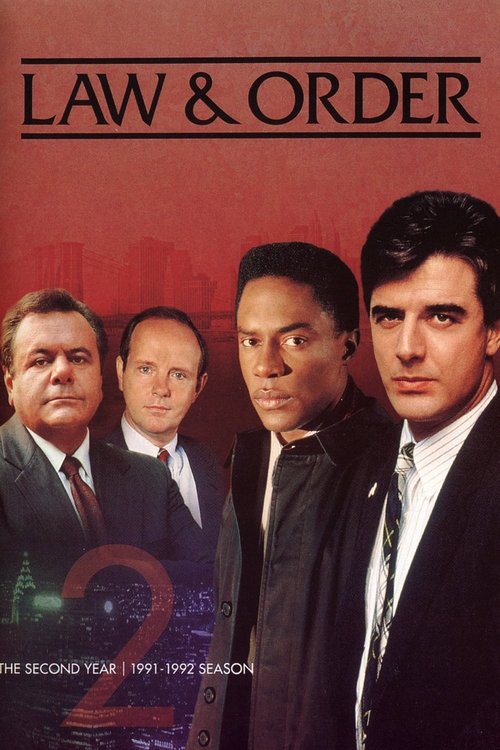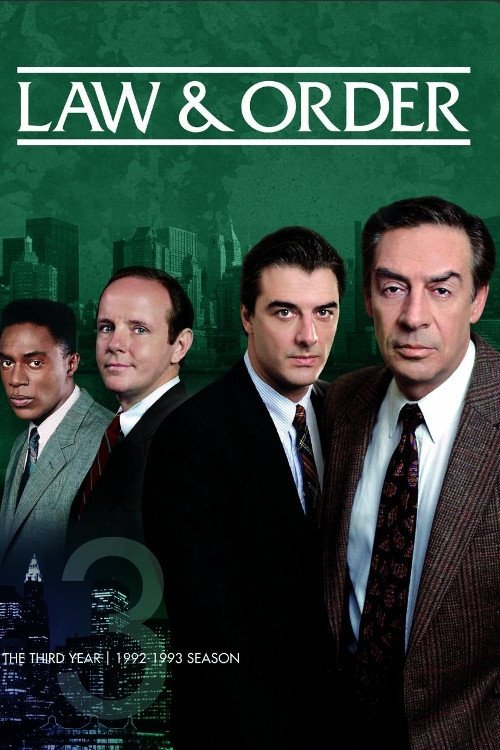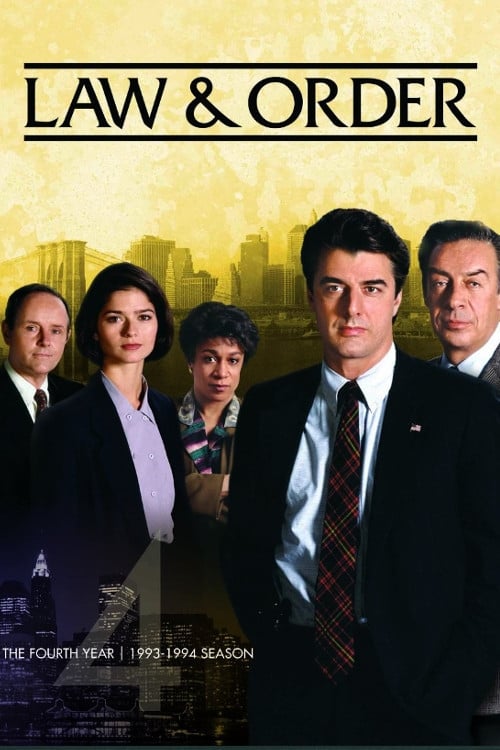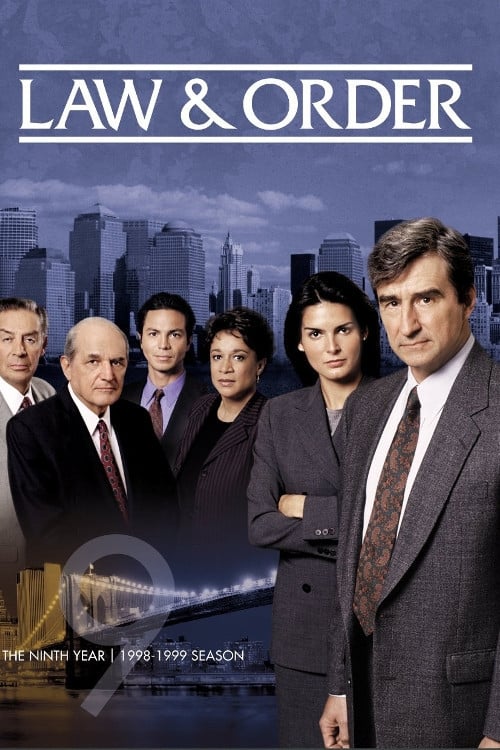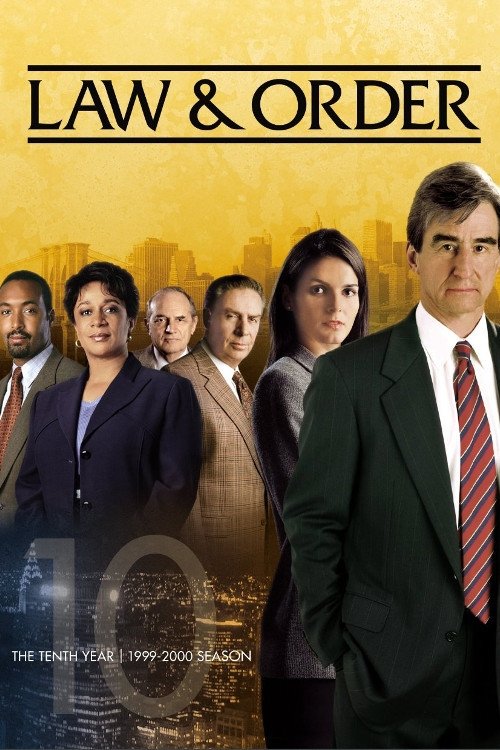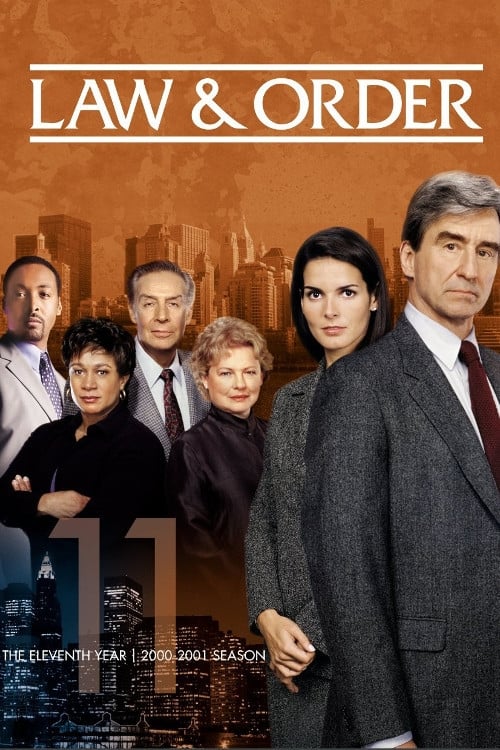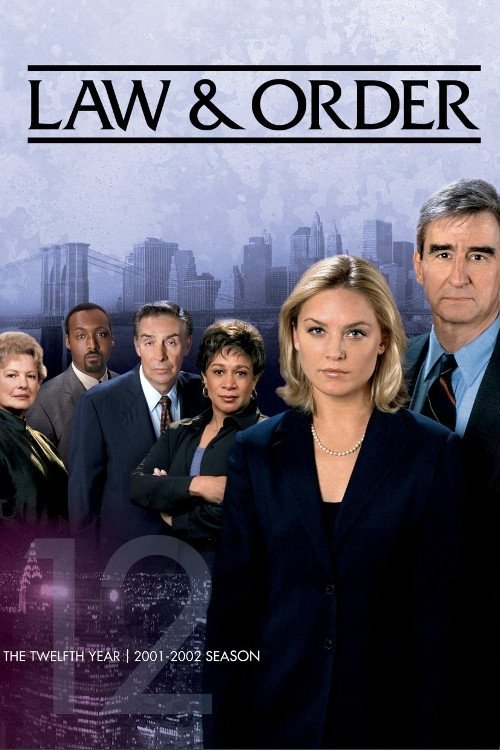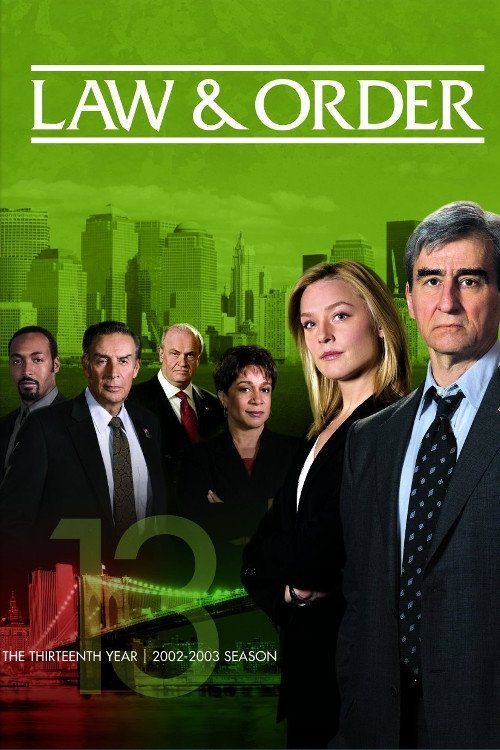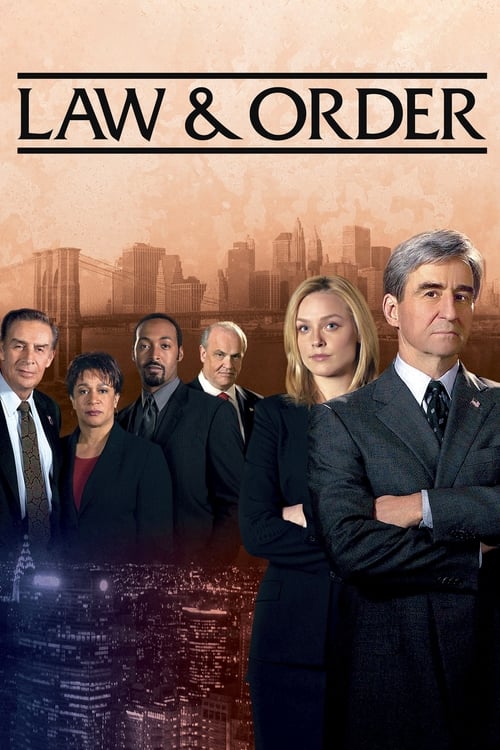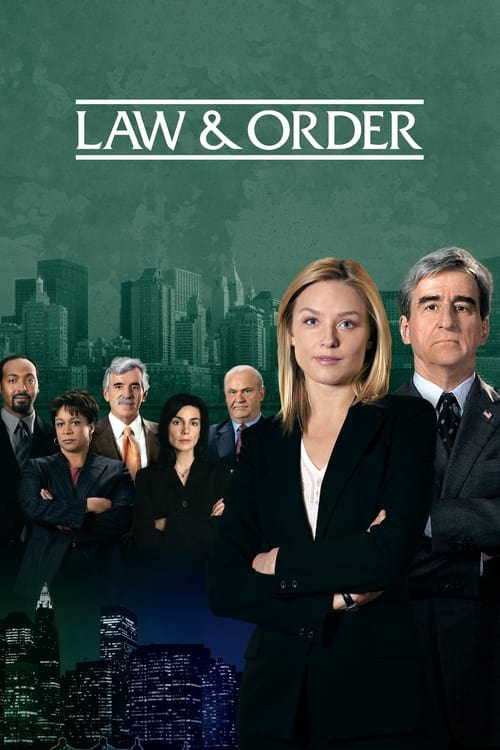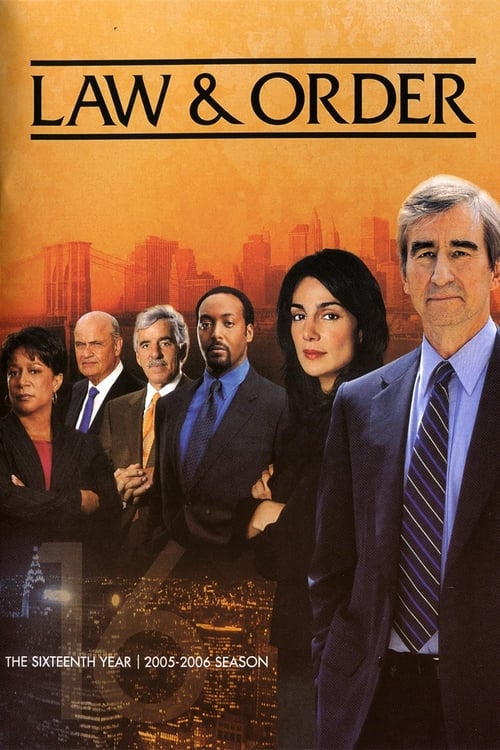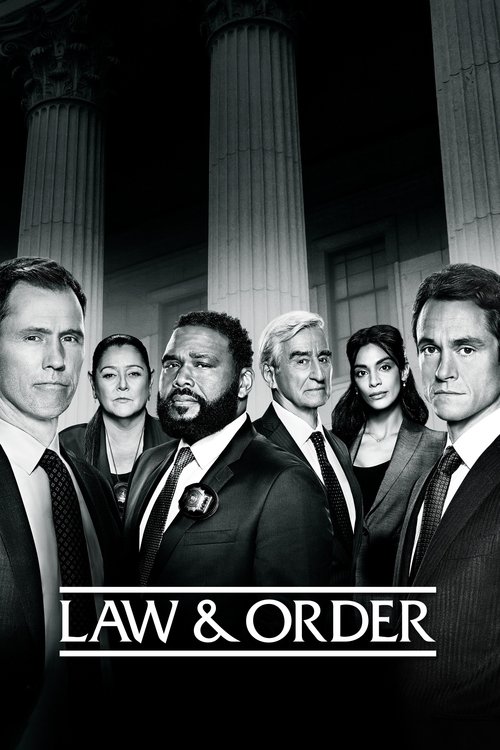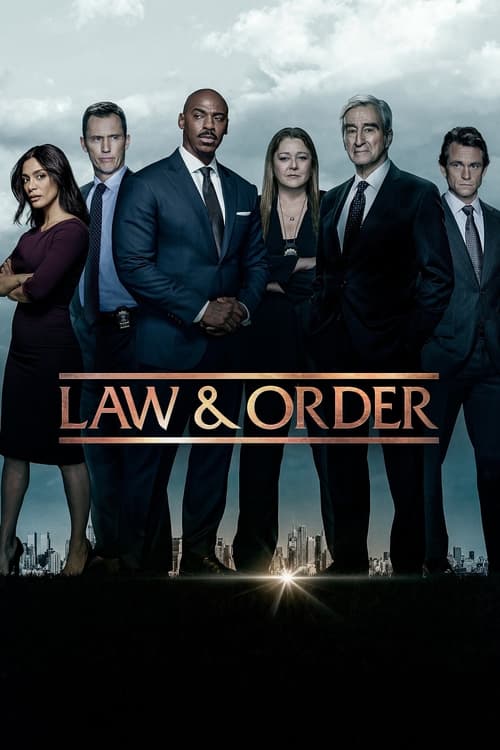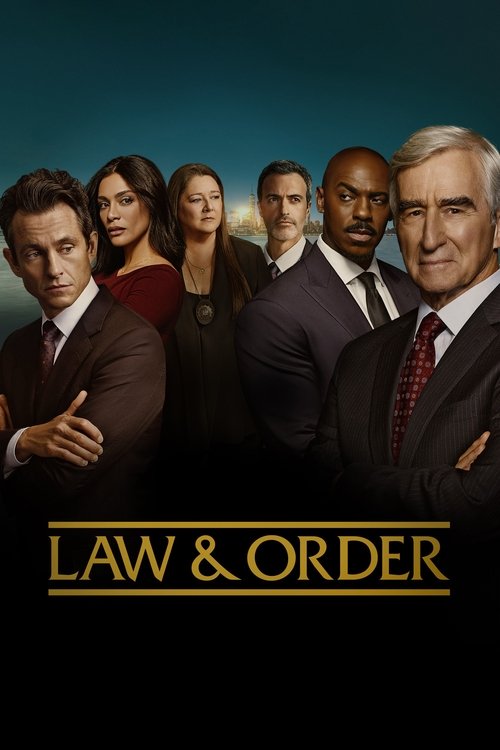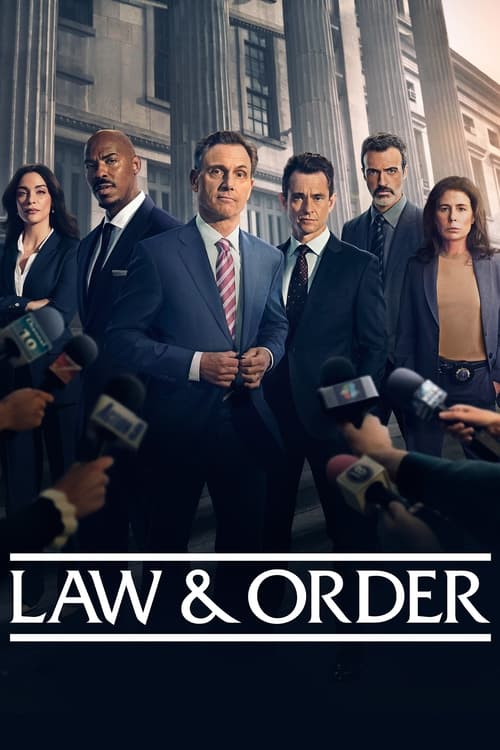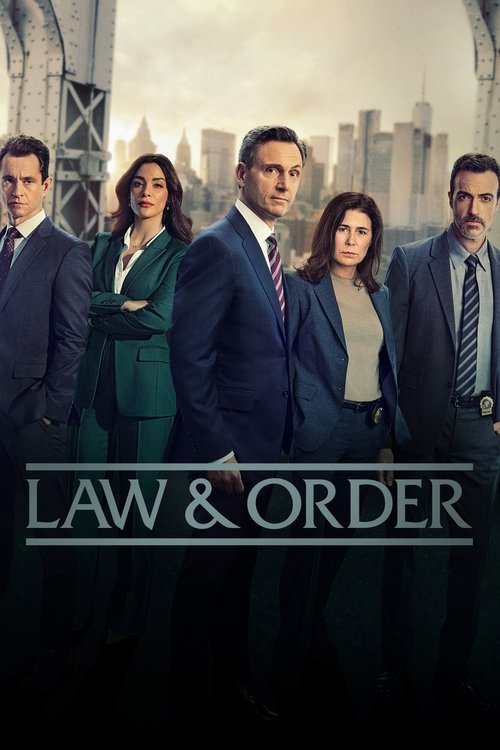
When Dick Wolf debuted Law & Order on September 13, 1990, he didn’t just create another crime drama—he fundamentally changed how television approached procedural storytelling.
What made this show genuinely revolutionary was its refusal to pick a lane. Rather than committing entirely to either the investigative side or the courtroom drama, Wolf ingeniously split the narrative down the middle, giving us the best of both worlds.
You’d follow detectives uncovering a crime, then pivot to prosecutors building an ironclad case. That structural innovation wasn’t just clever—it became the blueprint that countless shows would attempt to replicate for decades to come.
The genius wasn’t just in the format, but in the philosophy: Law & Order treated the legal system with intellectual respect. These weren’t heroes saving the day through gut instinct. They were professionals following procedures, interpreting evidence, and navigating the genuine complexities of the law itself.
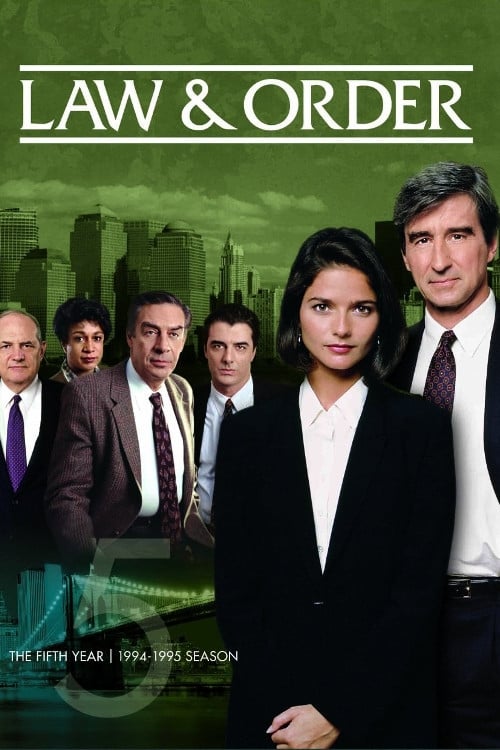
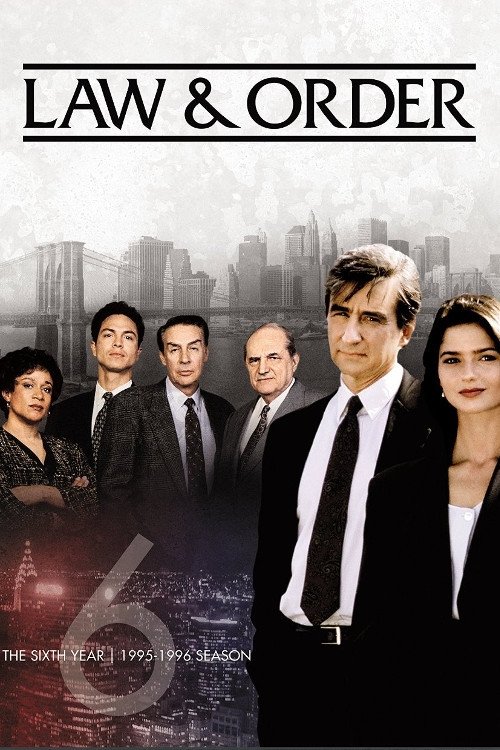
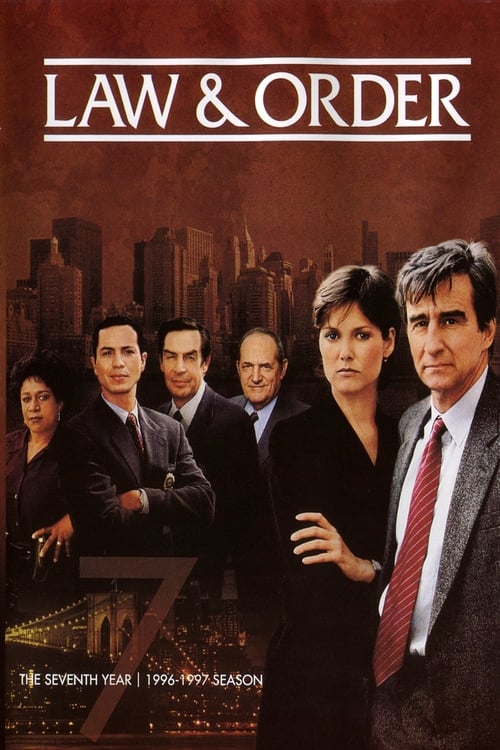
Across 25 seasons and 534 episodes, the show maintained a consistent 7.4/10 rating that speaks to its reliable quality more than flashy peaks and valleys. That’s not the profile of a show that relied on shock value or melodrama. Early seasons hovered in the high 7s—Season 5 hitting 7.8, Seasons 6 and 7 reaching 7.9—demonstrating that audiences connected with this steady, intelligent approach from the very beginning.
The ratings didn’t collapse during the later seasons either. This wasn’t a show that overstayed its welcome; it was a show that knew exactly what it was and executed that vision consistently for over three decades.
What really distinguishes Law & Order from other crime procedurals is how it leveraged that split narrative structure to explore genuine moral ambiguity. The investigations weren’t always tidy. Sometimes the guilty walked free on technicalities.
Sometimes innocent people faced prosecution when circumstantial evidence pointed the wrong direction. That unpredictability kept viewers engaged because you genuinely couldn’t predict where a case would land.
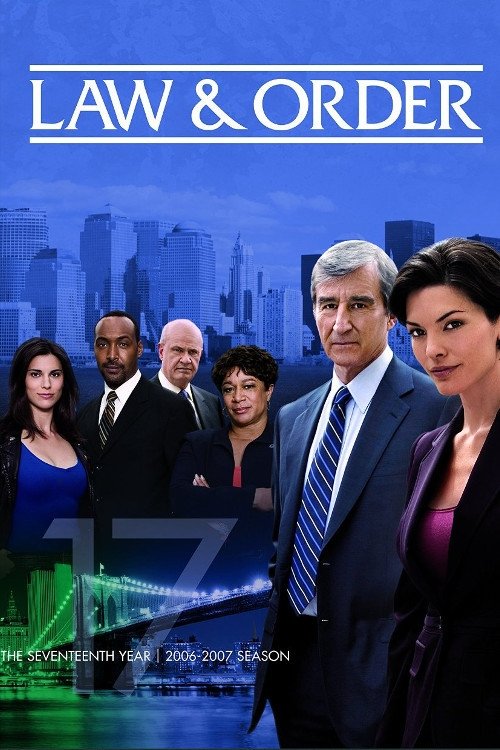
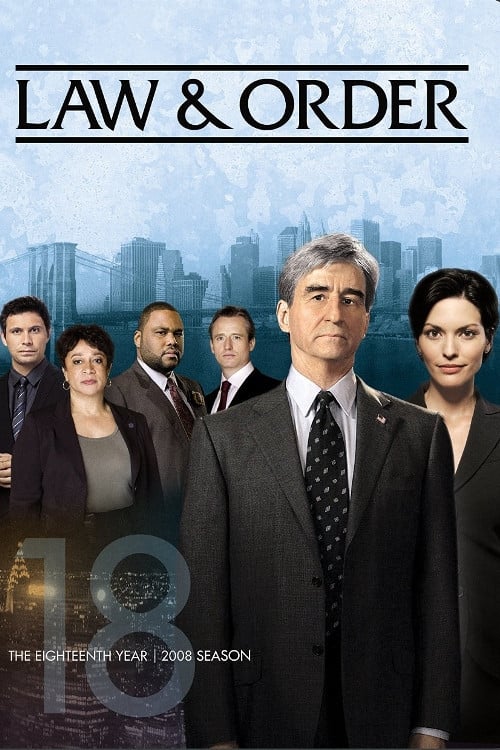
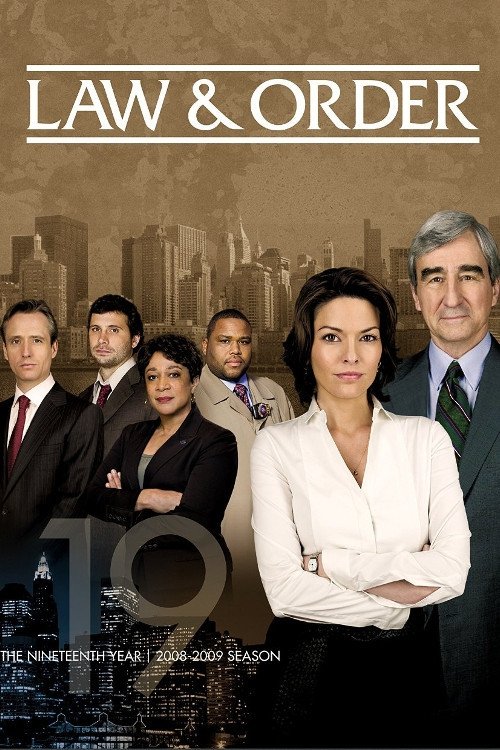
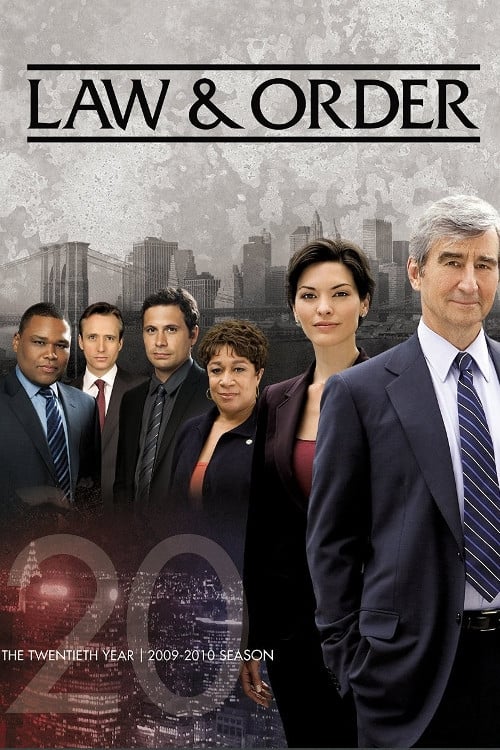
Consider the show’s approach to its ensemble cast:
- The Detective Squad – Gruff investigators pursuing leads, interviewing suspects, uncovering contradictions
- The DA’s Office – Lawyers weighing evidence, negotiating plea deals, deciding what they could actually prove in court
- The rotating cast of victims and perpetrators – Rich material for exploring different corners of New York society
This ensemble approach meant the show could explore different perspectives on the same crime without feeling repetitive. A murder that seemed straightforward during investigation became ethically complex during prosecution. That tension created genuine drama without resorting to contrived plotting.
The cultural footprint Law & Order left on television remains staggering. It wasn’t just a show; it became a format that spawned multiple successful spinoff franchises. More importantly, it legitimized procedural storytelling during an era when critics were obsessed with serialized narratives and character arcs.
Wolf proved that procedural episodic television could be intellectually satisfying, dramatically compelling, and endlessly rewatchable. Networks that had dismissed procedurals as second-class drama suddenly greenlit dozens of shows following similar templates.
The show’s influence extended beyond television into the cultural consciousness itself. References to Law & Order permeated comedy, spawned countless parodies, and became shorthand for “intelligent crime drama.” That cultural penetration doesn’t happen by accident—it requires consistent quality and a show that truly resonates with its audience.
What’s particularly impressive is how Law & Order maintained relevance across genuinely different eras. When it premiered in 1990, the procedural was already an established format, yet Wolf found ways to make it feel fresh.
By the time it reached Season 24, the television landscape had transformed completely—streaming had disrupted everything, prestige television had redefined what audiences expected—and yet this show kept finding viewers. That’s not longevity born from nostalgia alone. That’s a show with structural and creative bones strong enough to outlast trends.
The runtime format, operating with flexibility rather than strict constraint, allowed the show to tell stories at their natural pace. Some cases resolved efficiently; others needed more breathing room to explore complications.
That flexibility prevented the show from feeling formulaic despite its procedural nature. You weren’t watching a predetermined template play out; you were watching actual investigations unfold with their own organic rhythms.
Why audiences genuinely connected with Law & Order ultimately comes down to this: it respected their intelligence. The show didn’t condescend, didn’t oversimplify legal complexity, and didn’t pretend that real justice was simple or always achievable.
It presented the legal system as a genuinely complicated human institution where dedicated professionals did their best within flawed systems. That complexity, combined with consistently strong writing and a format that kept viewers engaged across both investigation and prosecution, created something that endured for over three decades.
The fact that Law & Order has returned as a new series speaks volumes about its staying power. In 2024, there’s no shortage of crime content available through streaming platforms like Hulu and Peacock Premium. Yet audiences still want this particular show because they trust it. They trust that Wolf’s vision, maintained across 534 episodes, still delivers intelligent, engaging procedural drama that respects both the complexity of criminal justice and the intelligence of viewers.