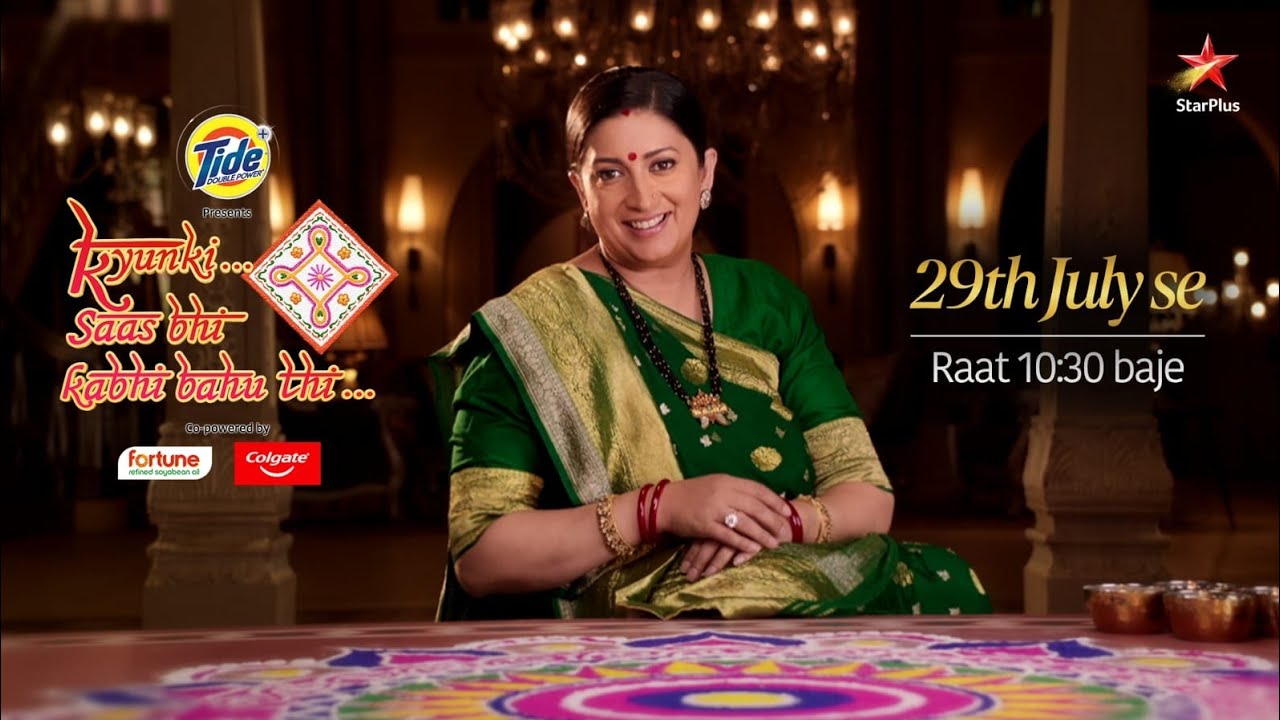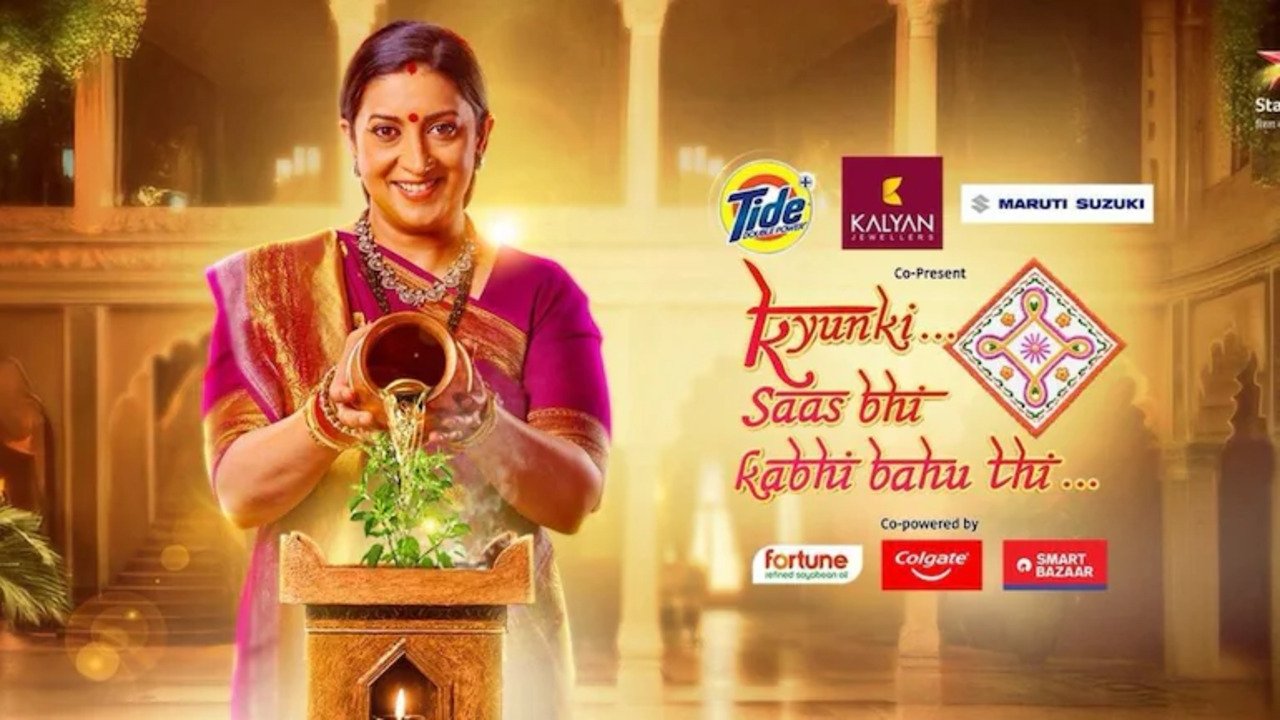
When Kyunki… Saas Bhi Kabhi Bahu Thi… debuted on Star Plus on July 3rd, 2000, it wasn’t just another family drama arriving on Indian television. Ekta Kapoor had crafted something that would fundamentally reshape how Indian audiences engaged with domestic narratives, proving that soap operas could anchor primetime television for years while sparking genuine cultural conversations about family, tradition, and women’s agency. What makes this achievement particularly striking is that it accomplished this through the deceptively simple 23-minute format—a runtime that forced every scene, every dialogue exchange, and every emotional beat to count.
The show’s significance lies in how it tackled generational conflict with surprising nuance for its era. Here was a series that dared to explore the relationship between mother-in-law and daughter-in-law not as a simplistic struggle, but as a complex dance of love, misunderstanding, sacrifice, and eventual mutual respect. Tulsi Virani became more than just a character; she became a cultural touchstone, someone whose choices were debated in households across India. The narrative never shied away from asking uncomfortable questions: What does a woman owe her family? How do traditions evolve without losing their essence? Can love bridge the gaps that duty creates?
Spanning two full seasons with an staggering 1986 episodes, the show demonstrated remarkable staying power—a testament to how deeply audiences had connected with its core premise. That’s not to say the critical reception reflected this cultural phenomenon equally. The 3.0/10 rating tells a different story, one that many passionate viewers might dispute. This gap between critical assessment and audience devotion actually speaks volumes about what Kyunki… accomplished: it created something that transcended conventional quality metrics, tapping into emotional truths that traditional television criticism sometimes struggles to quantify.
Ekta Kapoor’s vision was deceptively ambitious. She understood that Indian television hadn’t truly explored the interior emotional lives of women within patriarchal family structures with this kind of consistency. Rather than condemning the system outright, the show chose to inhabit it, to show how women navigated, negotiated, and occasionally triumphed within its constraints. This nuanced approach made the storytelling both conservative and quietly revolutionary—revolutionary precisely because it took women’s emotional experiences seriously within a traditional framework.
The show’s influence on the Indian television landscape cannot be overstated. It essentially created a template that would sustain primetime drama for nearly two decades:
- The multi-generational family unit as the central dramatic engine
- A strong matriarchal figure whose moral compass guides the narrative
- Episodic crises balanced with larger narrative arcs that unfold across seasons
- The exploration of duty versus desire as the fundamental dramatic tension
- Domestic spaces as the setting for profound human conflict
What’s particularly fascinating is how the show managed this while working within the constraints of commercial television. The 23-minute runtime meant that nothing could dawdle. Every scene had to advance character or plot. This forced economy of storytelling actually elevated the writing—there was simply no room for the meandering that plagued some of its contemporaries. A conversation between characters had to do multiple things simultaneously: reveal character, advance plot, and communicate thematic ideas.
The cultural footprint of Kyunki… extended far beyond the television screen. It shaped conversations about women’s roles, about what audiences expected from family narratives, and about the very possibility of mainstream television engaging with serious social questions. Households paused their evenings for it. Workplace conversations the next morning revolved around the previous night’s episode. This wasn’t passive viewing; this was television functioning as a genuine cultural forum.
> The show proved that serialized domestic drama could hold an audience’s attention for nearly 2000 episodes because it understood something fundamental: families are endlessly fascinating when you care about the people within them.
The Returning Series status adds another dimension to its legacy. Despite the passage of years and shifting television tastes, there’s clearly an appetite to revisit these characters and this world. Whether this manifests as reruns or potential new content, it speaks to the show’s enduring resonance. Many series from that era have faded into nostalgia; Kyunki… remains actively part of the cultural conversation.
Looking back, what makes this show worthy of serious attention isn’t that it was flawlessly executed or that it consistently impressed critics. Rather, it’s that Ekta Kapoor recognized something about storytelling in Indian homes—that the everyday dramas of family life, with their moral ambiguities and emotional depths, could sustain compelling television. She understood her audience’s hunger for narratives that reflected their own lived experiences, even as those narratives unfolded in heightened, sometimes melodramatic ways.
The 1986 episodes across two seasons represent an enormous commitment to a single dramatic universe. That kind of longevity demands something of creators—a genuine investment in the world you’ve built, a respect for your audience’s emotional attachment, and a willingness to let your characters evolve rather than simply repeating scenarios. Whether one agrees with every creative choice or accepts critical assessments, what remains undeniable is the show’s cultural imprint on Indian television. It was genuinely significant, and for millions of viewers, it remains unforgettable.