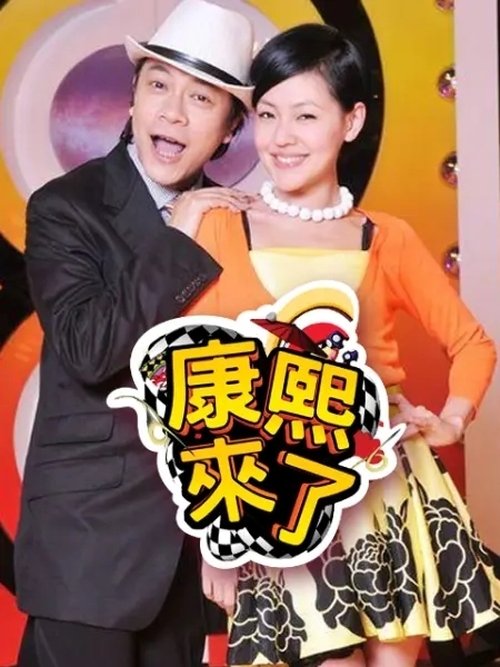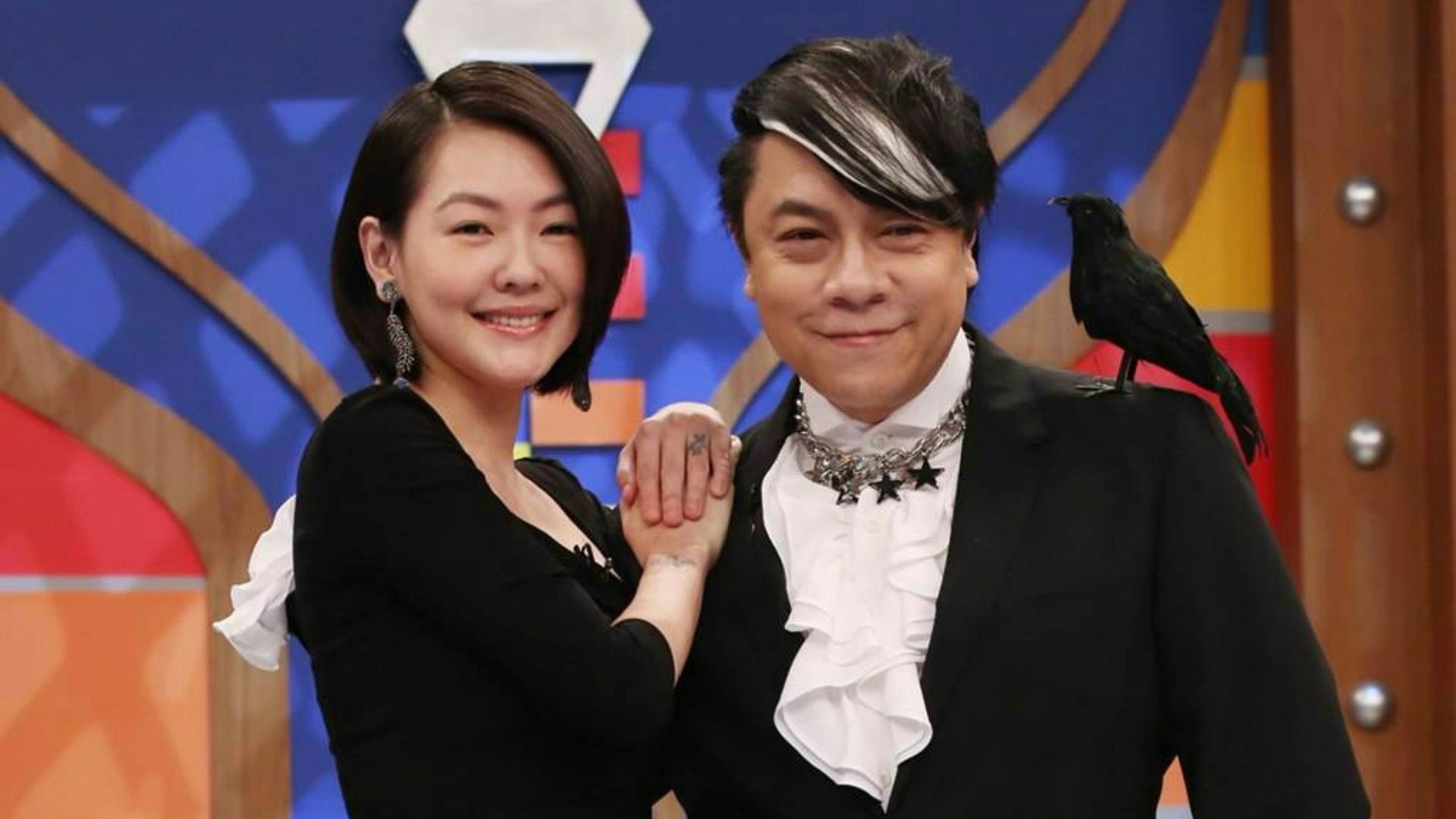
When Kangsi Coming debuted on January 5, 2004, it arrived as something genuinely fresh in the television landscape. Here was a talk show that didn’t feel constrained by the typical variety show formula—instead, it embraced spontaneity, genuine conversation, and the chemistry between its hosts with an infectious energy that audiences couldn’t resist. Hosted by Dee Hsu (affectionately known as Little S) and Kevin Tsai, the show quickly became appointment television in Taiwan, and for good reason. What Zhan Ren Xiong created was a program that understood that great television doesn’t always come from carefully scripted segments or polished production values—sometimes it comes from two charismatic people talking to fascinating guests in real, unfiltered ways.
The sheer longevity speaks volumes. Spanning 14 seasons and an astounding 3,276 episodes, Kangsi Coming built something that television rarely achieves anymore: genuine staying power. That’s not luck—that’s the result of understanding what audiences actually want to watch. The show’s 7.7/10 rating, while perhaps not stratospheric, represents something more valuable than chasing critical acclaim. It represents millions of viewers tuning in consistently, night after night, because they knew they’d get entertainment, laughter, and authentic moments of human connection.
What made the format work so brilliantly was deceptively simple in concept but brilliant in execution:
- The 60-minute runtime allowed conversations to breathe in ways that felt impossible in shorter formats—guests could share real stories, anecdotes could develop naturally, and chemistry between hosts and visitors had time to actually flourish
- The talk-reality hybrid approach meant the show existed in this fascinating space between structured entertainment and genuine documentary-style moments
- The five-nights-a-week schedule created a routine for viewers—this wasn’t appointment television in the grand sense, it was habitual television, something people built into their lives
The creative vision here was distinctly countercultural for a talk show. Rather than the typical formula of quick celebrity plugs and pre-written jokes, Kangsi Coming became known for bringing together an eclectic mix of guests—movie stars, musicians, politicians, and everyday people—and letting the conversation meander where it naturally went. The hosts’ comedic timing and genuine interest in their guests created this magnetic pull that viewers responded to powerfully.
> The show understood something fundamental: audiences don’t just want to see celebrities perform, they want to see them talk—really talk, with all the awkwardness and revelation that entails.
Dee Hsu and Kevin Tsai became iconic figures in Taiwanese entertainment culture precisely because of this program. Their rapport with each other—the banter, the timing, the way they’d riff off one another—became the backbone of the show’s identity. They weren’t just hosts; they were the show’s personality. When you tuned in, you weren’t necessarily tuning in to see that particular guest—you were tuning in to see what Little S and Kevin would do with that guest, how they’d make them laugh, what unexpected directions they’d take the conversation.
The cultural footprint of Kangsi Coming extended well beyond the confines of what we’d typically call a “talk show.” This program became part of the cultural conversation in Taiwan in ways that influenced how variety shows approached their format. It demonstrated that you didn’t need elaborate production numbers or constant celebrity cameos to maintain viewer interest—you needed authenticity, chemistry, and the kind of comedic sensibility that comes from genuine connection rather than pre-written bits.
The show’s journey from 2004 through its various seasons documented a fascinating evolution of Taiwanese popular culture. In the early seasons, the format was still establishing itself, finding its footing among the crowded landscape of variety programming. By the time the show hit its stride in the middle seasons, it had become something genuinely influential—other talk shows began mimicking its approach, its hosts became cultural commentators, and the program itself became a launching pad for various cultural moments and conversations.
What’s particularly remarkable is how the show maintained quality and viewer interest across such an enormous episode count. Creating over 3,000 episodes of anything is a feat of endurance and production excellence. That consistent quality—evidenced by its steady 7.7/10 rating—suggests that the show rarely felt like it was just going through the motions. The producers, under Zhan Ren Xiong’s vision, understood pacing, guest selection, and the rhythm of comedy and conversation.
The reality component of the show was also crucial to its success. Rather than existing purely in the realm of celebrity performance, Kangsi Coming often captured genuine, unguarded moments. Whether that was a guest getting emotional, a conversation taking an unexpected turn, or the hosts themselves being vulnerable—these were the moments that built the show’s reputation and kept audiences coming back. In an era increasingly dominated by heavily produced content and social media performance, Kangsi Coming offered something that felt real.
Its status as a Returning Series speaks to the enduring appeal of what Zhan Ren Xiong created. Even after years of broadcasting, there’s still audience appetite for what this show offers. In a television landscape that’s constantly chasing the next viral moment or trending format, Kangsi Coming stands as a testament to the staying power of genuine, well-executed talk and reality programming. It’s a show that understood its audience, respected their time, and delivered consistent entertainment night after night, season after season. That’s not just television—that’s cultural staying power.