If you’ve been sleeping on Jujutsu Kaisen, it’s time to wake up. When this series premiered on October 3rd, 2020, anime fans immediately sensed something special was happening—a show that didn’t just understand the assignment of blending supernatural horror with explosive action, but completely elevated the entire genre.
What started as a single season that would eventually span 59 episodes became one of the most talked-about animated series of the decade, earning a commanding 8.6/10 rating that reflects both critical appreciation and genuine audience passion. This isn’t just another shonen series; it’s a masterclass in how to tell a compelling story within the constraints of a 24-minute runtime.
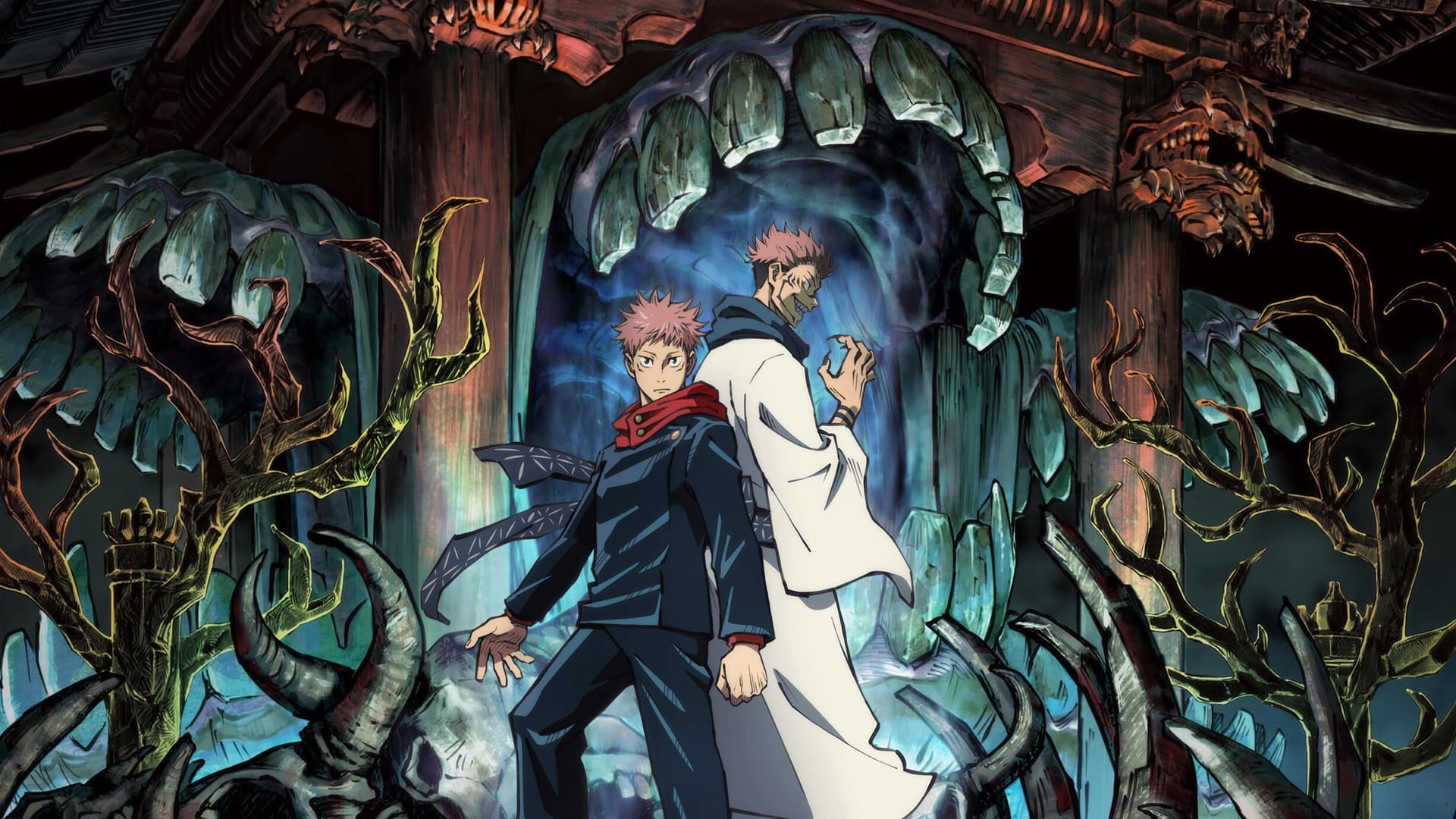
The show’s premise is deceptively simple but brilliantly executed: A high schooler accidentally swallows a cursed finger, becomes a vessel for a powerful demon, and gets recruited into a secret society of Jujutsu sorcerers. But creator Gege Akutami takes this foundation and builds something far more sophisticated—a world where the rules matter, where consequences stick, and where character development feels earned rather than rushed.
What makes Jujutsu Kaisen resonate so powerfully is how it balanced accessibility with complexity. New viewers could jump in and immediately understand the appeal: stunning animation sequences, creative fight choreography, and characters with genuine chemistry.
But longtime fans discovered layers of mythology, foreshadowing, and thematic depth that rewarded close attention. The 24-minute episode structure forces real discipline in storytelling—there’s no room for filler, no excuses for padding scenes. Every moment either advances the plot, develops character, or establishes the world’s internal logic.
The animation deserves its own celebration here. The team at MAPPA didn’t just create action scenes; they crafted visual poetry. Within those 24 minutes, sequences would unfold with such meticulous detail and dynamic movement that you’d find yourself pausing just to appreciate a single frame. This wasn’t a case of animation studio cut corners—it was a demonstration of what’s possible when technical excellence meets creative vision.
Standout Elements That Captured Audiences:
- The protagonist Yuuji Itadori and his genuine vulnerability despite inherited power
- Sukuna, a villain who became an instant fan-favorite through sheer charisma and moral complexity
- The mentor figure Gojo Satoru, who subverted typical sensei tropes with genuine swagger
- A supporting cast that felt three-dimensional rather than disposable
- Fight sequences that prioritized strategy over just “who’s stronger”
The cultural footprint this show left is undeniable. Jujutsu Kaisen sparked conversations that extended beyond typical anime circles. It influenced how streaming platforms approached anime distribution—the fact that it’s available across Netflix, Hulu, Crunchyroll, and multiple other services shows how the industry recognized its mainstream appeal. Water cooler discussions weren’t confined to anime forums; casual viewers and critics alike were debating character arcs and predicting story developments.
What’s particularly impressive is how the show handled its darker moments. Unlike some series that deploy violence for shock value, Jujutsu Kaisen used its horror elements purposefully. There were genuine stakes, moments where beloved characters faced real consequences. This wasn’t a show that played it safe, and audiences responded to that authenticity. The willingness to let events have weight—to not immediately resolve every tragedy—created tension that carried momentum from episode to episode.
The expansion across 59 episodes in that first season proved the creators had planned extensively. This wasn’t a cash grab extension; it was a measured approach to developing a world that demanded more exploration. Each arc built upon previous ones, whether investigating murders alongside partners like Nanami, battling curse users, or uncovering the larger conspiracies within the Jujutsu world itself. The pacing never felt bloated because the writers understood the assignment—utilize every minute.
Consider this: A show that premiered in 2020 continues to dominate streaming charts seasons later. That’s not luck; that’s the result of creating something with genuine staying power. The fact that it’s marked as a returning series speaks to both the audience hunger for more and the creative team’s ability to sustain quality across multiple seasons.
Looking at its evolution from that October premiere to its current status, Jujutsu Kaisen represents a shift in how anime achieves mainstream recognition. It didn’t rely on legacy appeal or decades of source material awareness—it earned its audience through sheer storytelling merit. The 8.6/10 rating isn’t just a number; it’s validation that when animation studios, writers, and producers collaborate with genuine ambition, audiences recognize and celebrate that effort.
The show’s significance lies in its refusal to be categorized as “just anime.” It operates in that rare territory where Animation, Action & Adventure, and Sci-Fi & Fantasy elements merge into something that transcends genre classification. It proved that supernatural horror could coexist with character-driven narrative, that explosive combat sequences could be balanced with introspective moments, and that a show could be both intellectually engaging and viscerally thrilling.


![Official Trailer 3 [Subtitled]](https://img.youtube.com/vi/VpO6APNqY1c/maxresdefault.jpg)
![Official Trailer [Subtitled]](https://img.youtube.com/vi/pkKu9hLT-t8/maxresdefault.jpg)