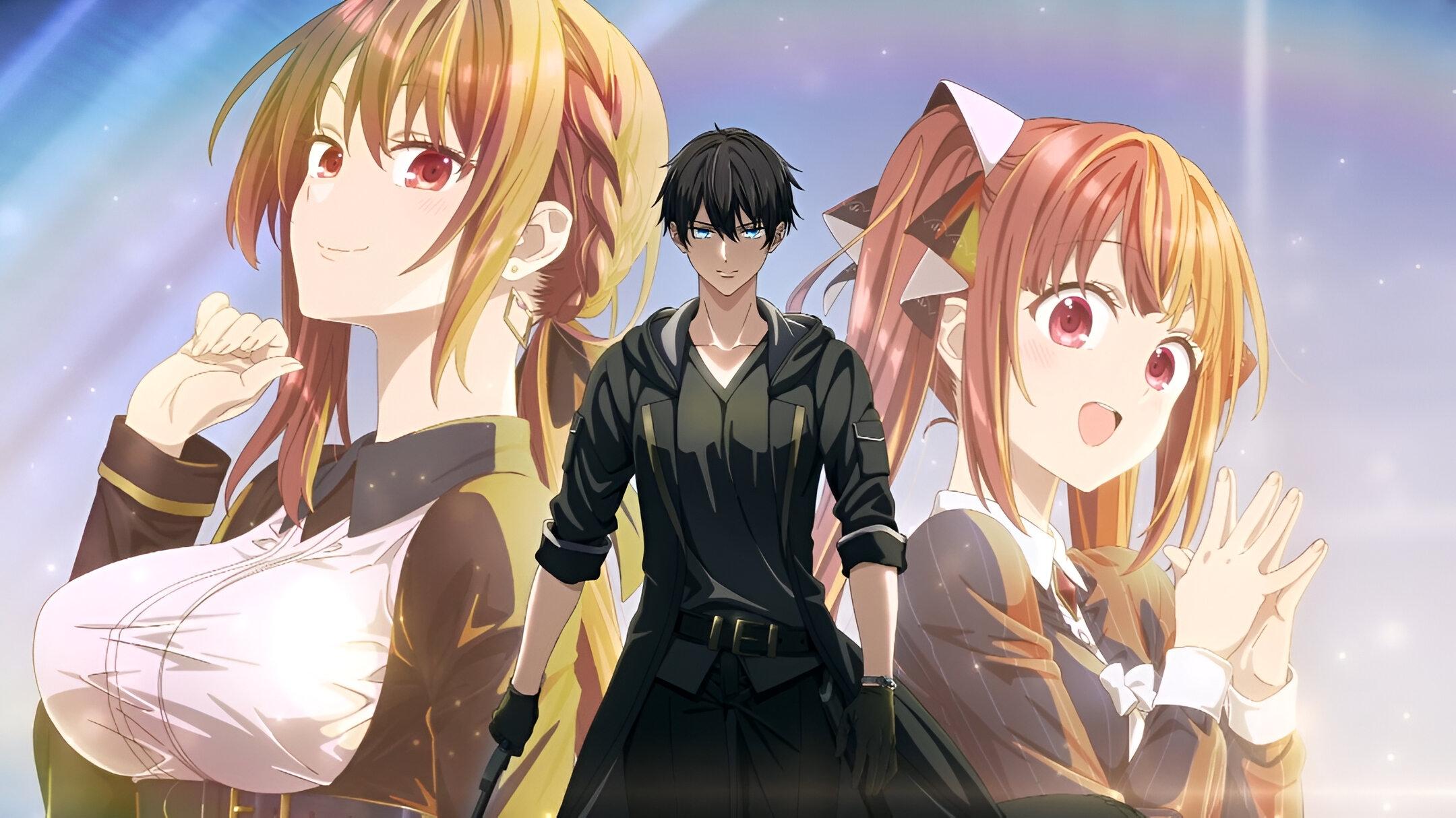
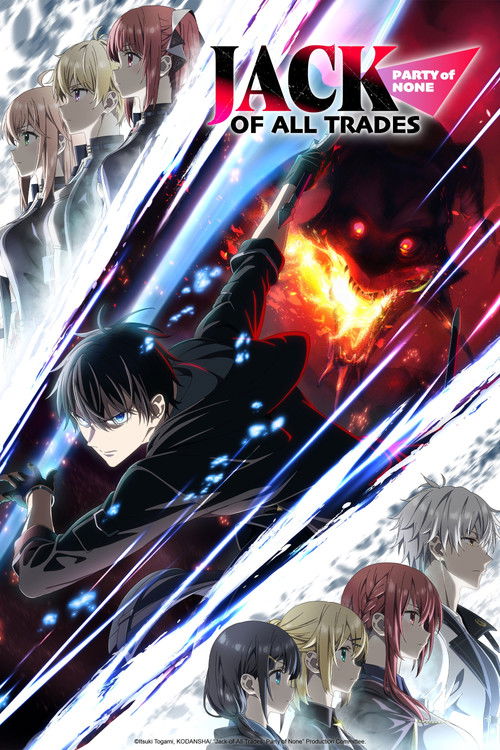
When Jack-of-All-Trades, Party of None premiered on Tokyo MX on January 4th, 2026, it arrived as a deceptively simple premise wrapped in something far more complex. An enchanter wrongly fired from his adventuring party decides to forge his own path—it sounds like a straightforward revenge narrative or redemption arc, the kind of thing we’ve seen countless times in the fantasy genre. But what unfolded over its 12-episode first season was something that challenged not just the isekai and fantasy anime landscape, but our expectations about what happens when a protagonist chooses solitude over belonging.
The show’s 8.1/10 rating tells part of the story, but the real significance lies in what audiences felt watching it. This wasn’t a show that tried to please everyone with spectacle and constant payoffs. Instead, it leaned into something more uncomfortable and ultimately more rewarding: the quiet dignity of carving out your own purpose when the world tells you you’re disposable.
What makes this show genuinely stand out is its refusal to follow the expected playbook.
Rather than dwelling on bitterness or plotting revenge, our protagonist Orun’s journey becomes one of self-discovery. The genius of the narrative is how it uses the “party” concept—traditionally the anchoring point of fantasy adventures—as both the inciting incident and the emotional core of the entire story. By removing that safety net, the creators forced both character and audience into uncomfortable territory. We’re used to protagonists who are special because of their connections, their team, their destiny within a group. Here, Orun had to become special because he was alone.
The 12-episode structure proved to be the perfect container for this story. In a longer series, you might expect the narrative to dilute—filler episodes, subplots that meander. Instead, these 12 episodes maintained a laser focus on Orun’s evolution. Each episode built deliberately, revealing layers of his character while introducing memorable encounters that shaped his trajectory. The pacing felt intentional in a way that sparked genuine discussion online about narrative economy and how sometimes less really is more.
“The most compelling thing about Jack-of-All-Trades is how it makes solitude feel like an actual choice, not a punishment.”
The animation itself deserves credit here. Tokyo MX gave this series the resources to make Orun’s world feel lived-in and genuinely dangerous. Every frame of action carried weight because we understood that this protagonist couldn’t rely on party mechanics, combo attacks, or healer support. When he fought, he fought smart, not hard—and that distinction became visually fascinating to watch. The creative team understood that the premise demanded a different visual language, one that emphasized isolation and ingenuity over spectacle.
Key elements that made the show resonate:
- Orun’s character arc from rejected party member to independent adventurer felt earned rather than rushed
- The supporting cast, despite brief appearances, left surprising emotional impressions
- Combat scenes prioritized strategy and problem-solving over animation sakuga
- The show’s willingness to sit with uncomfortable moments of self-doubt and failure
- A narrative structure that rewarded close attention without demanding it
The cultural conversation around Jack-of-All-Trades, Party of None has been particularly interesting because it arrived at a moment when anime audiences were becoming increasingly critical of formula. Some viewers came in expecting traditional party dynamics and felt disappointed by the deliberate absence of that comfort. But those who leaned into what the show was actually offering found something richer—a meditation on self-worth that didn’t rely on external validation or team acknowledgment.
What the creators managed to accomplish with an “Unknown” runtime (those variable episode lengths that Tokyo MX occasionally experiments with) was fascinating. Rather than padding scenes or artificially extending moments, each episode seemed to contain exactly what it needed. This constraint forced creative efficiency that ultimately strengthened the storytelling. There’s something almost poetic about a show about independence benefiting from the freedom to be exactly the length it needed to be, no more, no less.
The Returning Series designation is particularly intriguing given how completely satisfying Season 1 felt. The fact that the creative team is returning suggests they have more to explore in this world, perhaps examining how Orun’s choices ripple outward, how his new path intersects with larger forces. That confidence in the property—that willingness to return to it rather than leave it as a perfect standalone—indicates genuine vision.
Jack-of-All-Trades, Party of None deserves attention because it proved that premise-driven anime can still produce genuine emotional resonance. It’s not the flashiest show on Crunchyroll, and it won’t appeal to everyone. But for those willing to sit with a story about finding yourself by losing everything else, it offered something that lingered long after the final episode aired. It’s the kind of series that rewards rewatching, that reveals new layers about Orun’s subtle expressions and the weight of his isolation. That’s the hallmark of truly good storytelling—and that’s why we should be watching what this creative team does next.


![Official Trailer [Subtitled]](https://img.youtube.com/vi/dLDimMasKBM/maxresdefault.jpg)