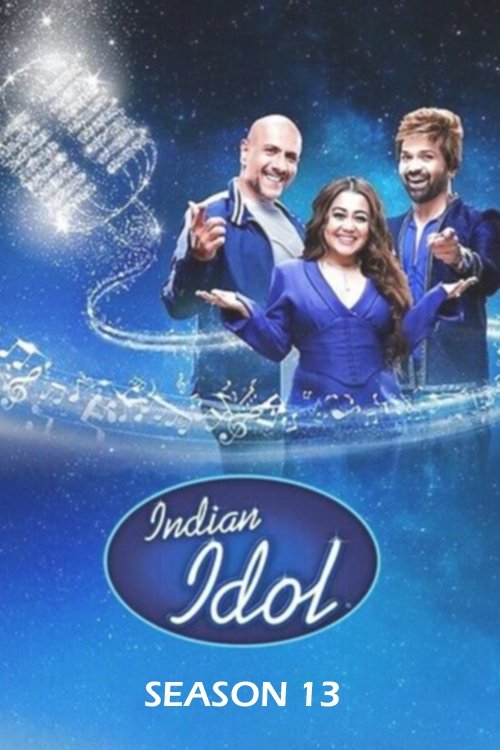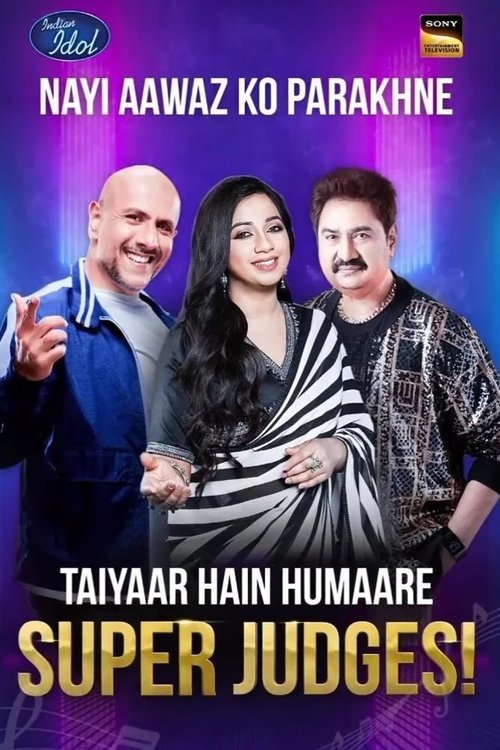
When Indian Idol premiered on October 28, 2004, it arrived at a pivotal moment for Indian television. The country was hungry for a show that could democratize stardom, that could tell the story of an ordinary person discovering extraordinary talent. Sony Entertainment Television took the Pop Idol format and transformed it into something distinctly, unmistakably Indian—a competition that didn’t just seek the next singing sensation, but that brought the entire nation together in a way few programs ever have. That opening episode set the tone for what would become a cultural phenomenon that has endured for more than two decades.
What makes Indian Idol remarkable isn’t just its longevity—sixteen seasons spanning 408 episodes is no small feat in the reality television landscape. Rather, it’s how the show managed to tap into something universal while remaining deeply rooted in Indian culture. The 75-minute runtime allowed each episode to breathe, to develop real narratives around contestants’ journeys. This wasn’t quick cuts and manufactured drama; it was genuine storytelling. You got to know these singers. You watched them struggle, grow, and transform before your eyes. That extended format became crucial to the show’s appeal and its ability to create emotional investment in its contestants.
> “The show’s brilliance lies in its simplicity: find talent, nurture it, celebrate it, and let the entire country decide who deserves to win.”
The early seasons were genuinely exceptional. Looking back at the ratings—Season 1 opened with an impressive 8.2/10, and Season 9 actually peaked at 8.8/10—you can see when the show was firing on all cylinders. These weren’t just good numbers; they reflected a nation tuning in together, families gathering around screens, and water cooler conversations the next day. The show had created a shared cultural experience, something increasingly rare in a fragmented media landscape.
The journey hasn’t been without its valleys, of course. The trajectory visible in the ratings tells a story: after that Season 9 peak, there was a notable dip to 6.7 in Season 10, then a sharper decline to 4.3 in Season 11. This fluctuation is honest, almost refreshing to acknowledge. Not every season can be lightning in a bottle. But here’s what matters—the show adapted, evolved, and kept returning. That Returning Series status isn’t just administrative designation; it’s proof that Indian Idol remained relevant enough, compelling enough, to warrant resurrection and reimagining. The current 6.1/10 rating suggests a show that still finds its audience, even if the fever pitch of earlier years has settled into something more sustainable.
What truly sets Indian Idol apart in the reality television ecosystem is its commitment to genuine discovery. Unlike competition shows that sometimes feel predetermined or scripted, Indian Idol maintained faith in the voting process, in audience agency. Viewers weren’t just watching; they were participating. They were the ultimate judges. This democratization of success—the idea that someone from a small town, from a humble background, could become a national icon—resonated across class, regional, and linguistic boundaries in ways that few shows manage.
The cultural conversations sparked by Indian Idol extended far beyond the show itself:
- Representation and visibility: The show created pathways for singers who might never have had a platform, particularly from non-metro areas and underrepresented communities
- Family viewing moments: It became an event, something that united households and sparked discussions across generations
- Career launching pad: Countless contestants leveraged their Indian Idol exposure into sustained music careers, changing the entertainment industry’s talent acquisition landscape
- Regional music celebration: The show honored classical, semi-classical, and contemporary styles, proving Indian audiences had sophisticated musical tastes
The creative vision behind Indian Idol deserves recognition too. Whoever conceptualized this format for India understood something fundamental: that Indian audiences didn’t want to consume a Western template wholesale. They wanted recognition of their own musical traditions, their own stories. The judges became household names—mentors and arbiters of taste who guided not just contestants but viewers’ understanding of what constituted good singing. These relationships, built over 408 episodes, created a sense of continuity and trust.
The 75-minute runtime deserves its own moment of appreciation. In an era trending toward shorter, snappier content, Indian Idol insisted on depth. Each performance could be discussed meaningfully. Judges could offer genuine critique, not just soundbite observations. Backstory segments allowed us to understand why a contestant’s song choice mattered, what was at stake for them personally. This wasn’t filler; this was the infrastructure of emotional resonance.
What’s particularly noteworthy is how Indian Idol influenced the broader reality television landscape in India. It proved that singing competitions could be high-stakes entertainment while maintaining genuine artistry. It showed that audiences would invest deeply in stories about talent development and personal transformation. The show didn’t just entertain; it created expectations for what reality television could achieve when it took both its audience and its contestants seriously.
The staying power of Indian Idol ultimately reflects something deeper about its DNA—a show that understood it wasn’t really about finding one winner each season. It was about celebrating the act of singing itself, honoring the courage it takes to perform publicly, and recognizing that talent exists everywhere in this vast country, waiting to be discovered. That’s why, despite rating fluctuations and the ever-shifting television landscape, Indian Idol keeps returning.