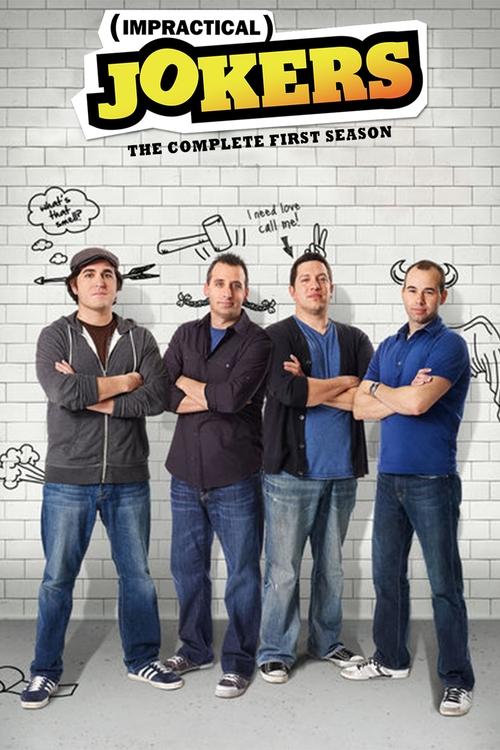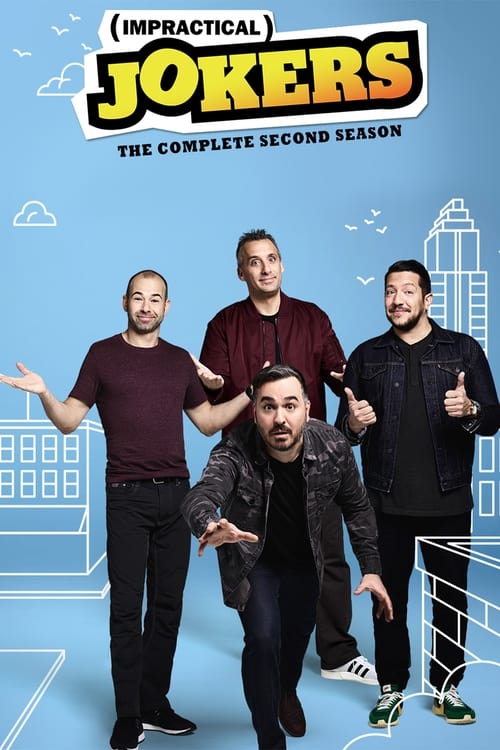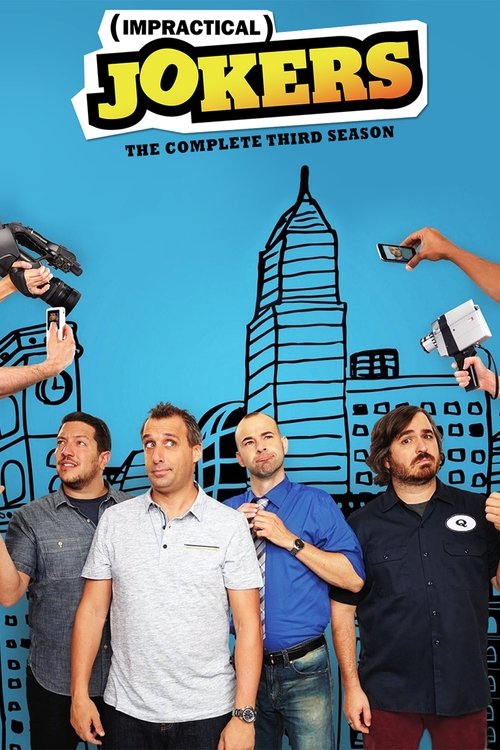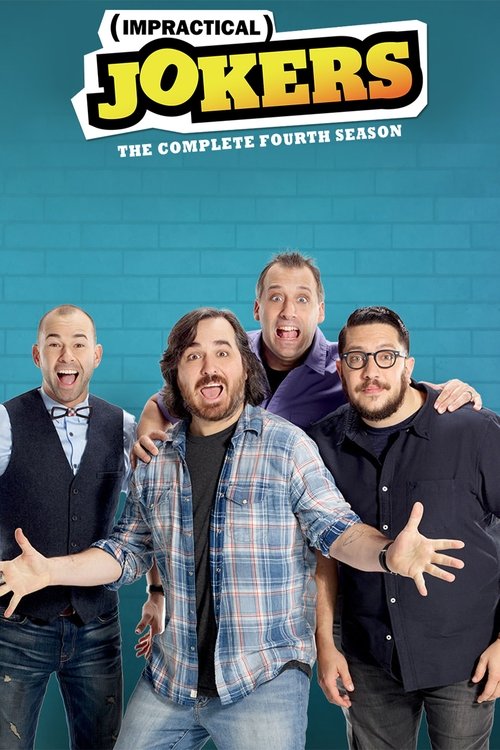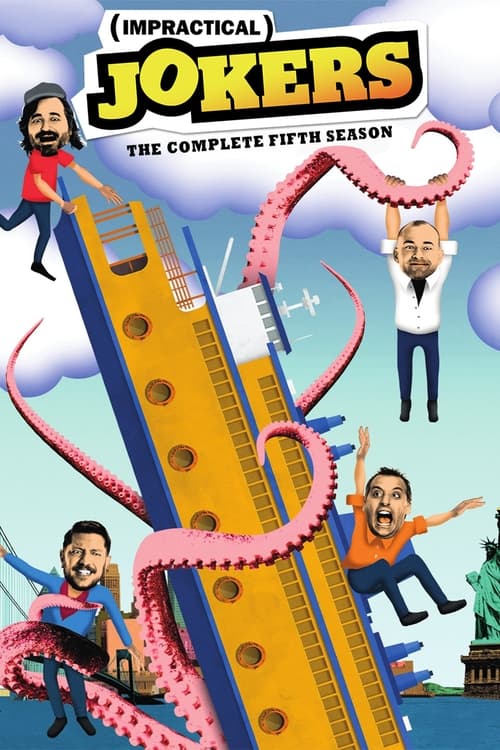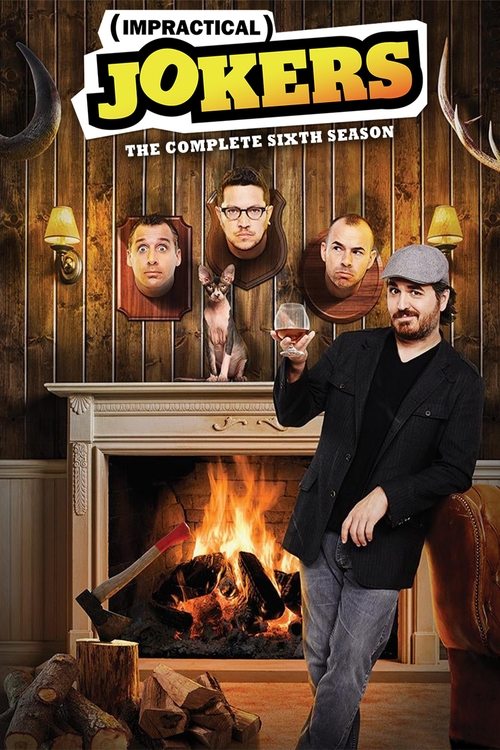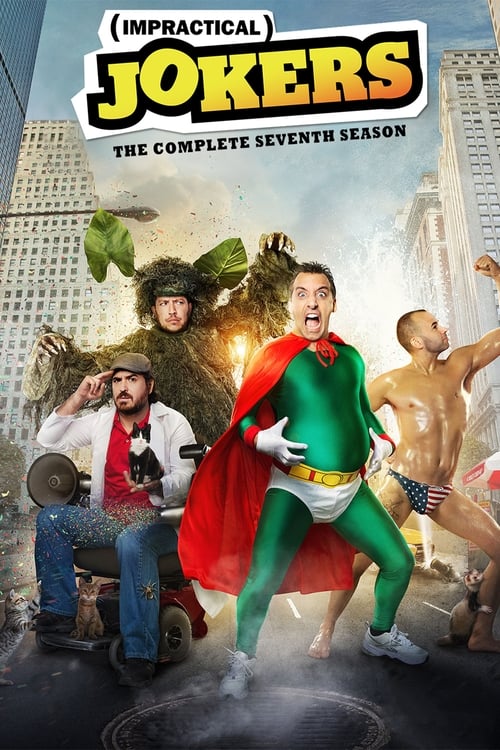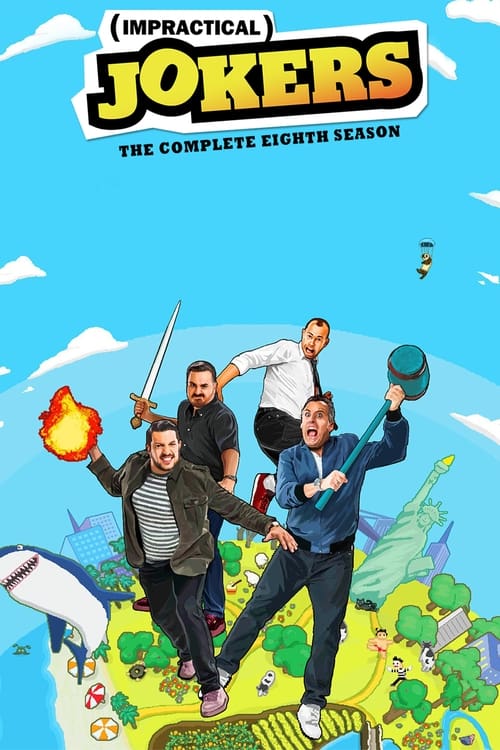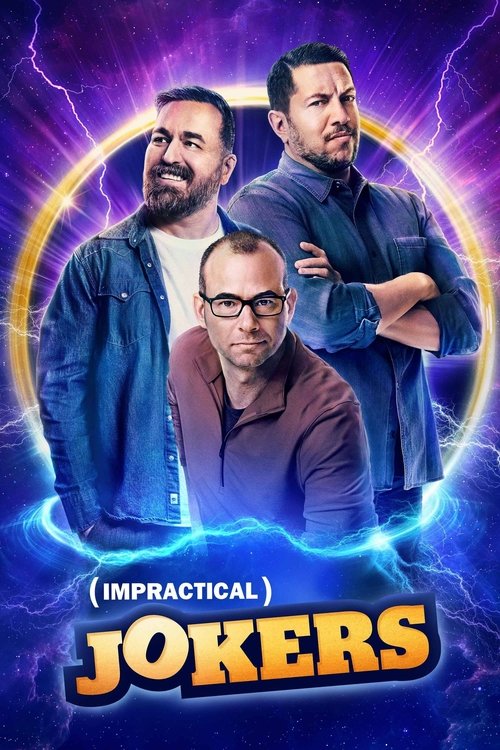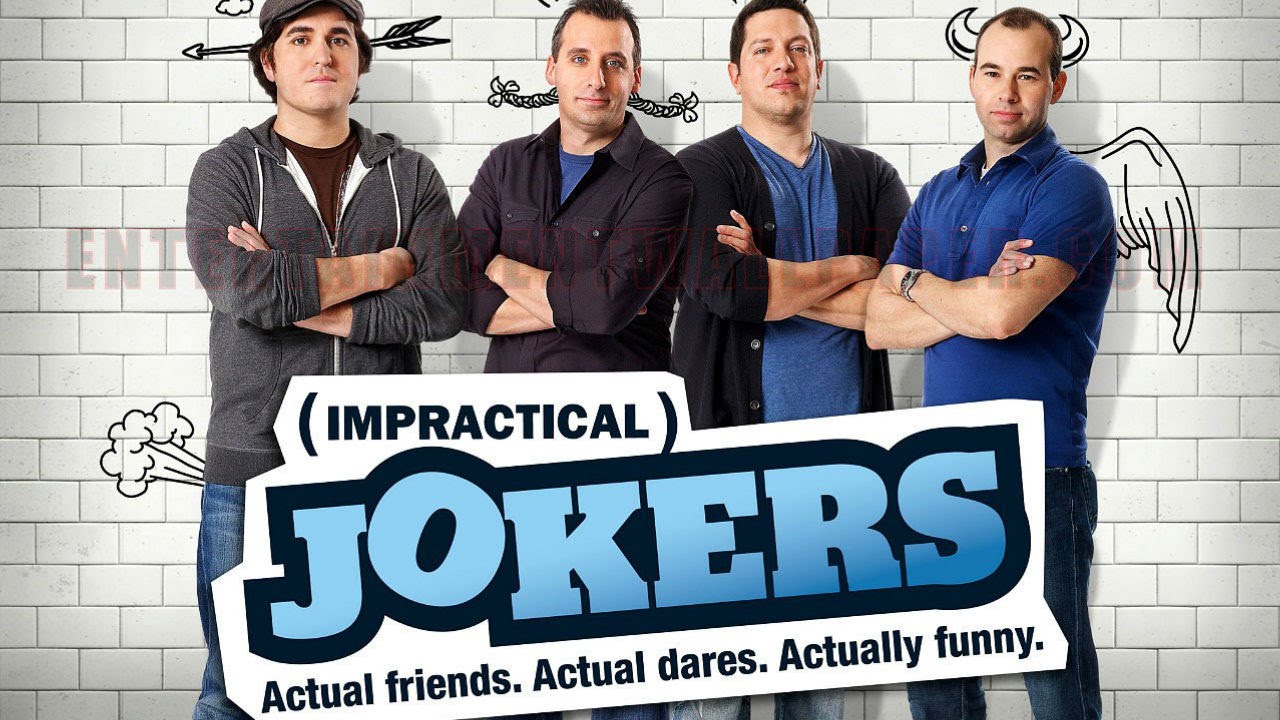
When Impractical Jokers premiered on December 15, 2011, nobody could have predicted it would become one of the most durable comedy franchises in television history. What Joe Gatto, Sal Vulcano, Brian Quinn, and James Murray created was deceptively simple: four friends performing increasingly absurd pranks on unsuspecting members of the public, with the loser of each episode facing a humiliating punishment. Yet in that simplicity lay something genuinely revolutionary for comedy television. The show arrived at a moment when reality TV was bloated with manufactured drama and scripted chaos, and Impractical Jokers cut through all that with genuine, unfiltered spontaneity. Across twelve seasons and 280 episodes, the show has maintained a remarkably consistent 7.9/10 rating—a testament to its ability to sustain creativity and authenticity over more than a decade.
What truly sets this show apart is how it fundamentally reimagined what comedy television could be. Rather than relying on traditional comedic structure or carefully crafted punchlines, the Jokers placed themselves in situations where they had to think on their feet, interact with real people who had no idea they were on camera, and navigate genuine social discomfort. That authenticity is intoxicating to watch. You’re not seeing four comedians performing for a studio audience; you’re witnessing them actually failing, actually sweating, actually struggling to complete tasks that would make most people want to disappear into the earth. The 30-minute runtime proved to be the perfect container for this format—long enough to develop stakes and momentum, short enough to maintain relentless pacing without losing the audience’s attention.
> The show’s brilliance lies not in perfectly executed pranks, but in the beautiful chaos of watching four intelligent, quick-witted men genuinely challenge each other to be funnier, braver, and more willing to humiliate themselves than anyone reasonably should be.
The early seasons, particularly seasons one through three, set an exceptionally high bar. Those episodes earned ratings that hovered around 8.2-8.4, establishing the core formula that would carry the show forward: clear rules, escalating challenges, genuine consequences, and the unpredictable chemistry between four distinct personalities. Each Joker brought something essential to the dynamic. Q’s dry, almost philosophical delivery contrasted beautifully with Sal’s infectious energy and willingness to lean into absurdity. Brian “Murr” Murray’s unpredictability and Joe Gatto’s role as sometimes reluctant participant created a perfect balance of offense and defense. Their collective chemistry wasn’t manufactured or refined through weeks of rehearsal—it was built over years of actual friendship, and that foundation made everything they did together feel earned.
The show’s cultural footprint extends far beyond its television audience. Impractical Jokers became a phenomenon that spawned a feature film, international adaptations, sold-out live tours, and a dedicated fanbase that treats the Jokers like genuine celebrities rather than reality personalities. The show sparked countless conversations about the nature of comedy itself, about boundaries and consent (particularly as the show evolved), and about what audiences found authentically funny in an era increasingly skeptical of traditional entertainment. Certain episodes and moments achieved iconic status—the infamous “lotion” dare, the supermarket cart shopping challenges, the endless parade of increasingly deranged punishments that seemed to grow more creative with each passing season.
What’s remarkable is how the show maintained quality across twelve seasons when so many comedies either lose their edge or become parodies of themselves. The ratings did tick downward slightly after the initial golden run—season seven brought the first dip below 8.0—yet the show remained compelling enough to sustain a Returning Series status that extends to the present day. This longevity reveals something important about the format’s durability. Unlike sketch comedy shows that can exhaust their premise, or scripted comedies that can lose narrative momentum, Impractical Jokers benefits from an almost infinite well of potential pranks, scenarios, and punishments. The Jokers have essentially spent over a decade proving that there are always new ways to make each other uncomfortable.
The creative achievement here deserves particular attention. The Jokers understood that their show would only work if they were genuinely willing to risk embarrassment in service of comedy. They’ve subjected themselves to countless awkward interactions with strangers, delivered absurd speeches, performed bizarre tasks in public spaces, and accepted punishments that would shatter most people’s dignity. Yet they approached it all with a kind of collaborative spirit rather than competitive cruelty. Yes, there’s a winner and loser each episode, but the underlying truth is that all four of them are in this together, weaponizing their friendship itself as the engine for comedy.
The show’s presence across multiple platforms—from TBS and truTV to Hulu, HBO Max, YouTube TV, and Amazon—speaks to how thoroughly it’s woven itself into the contemporary television landscape. It’s not a prestige drama that critics dissect for thematic depth, nor is it a viral sensation that burns bright and fades. Instead, Impractical Jokers represents something more durable: a perfectly calibrated entertainment machine that understands its audience, respects their intelligence, and consistently delivers exactly what they come for. It proved that comedy television didn’t need high production values or cynical irony to succeed. It just needed four funny people willing to be vulnerable, a clever format, and the genuine affection between cast members that comes through in every frame.