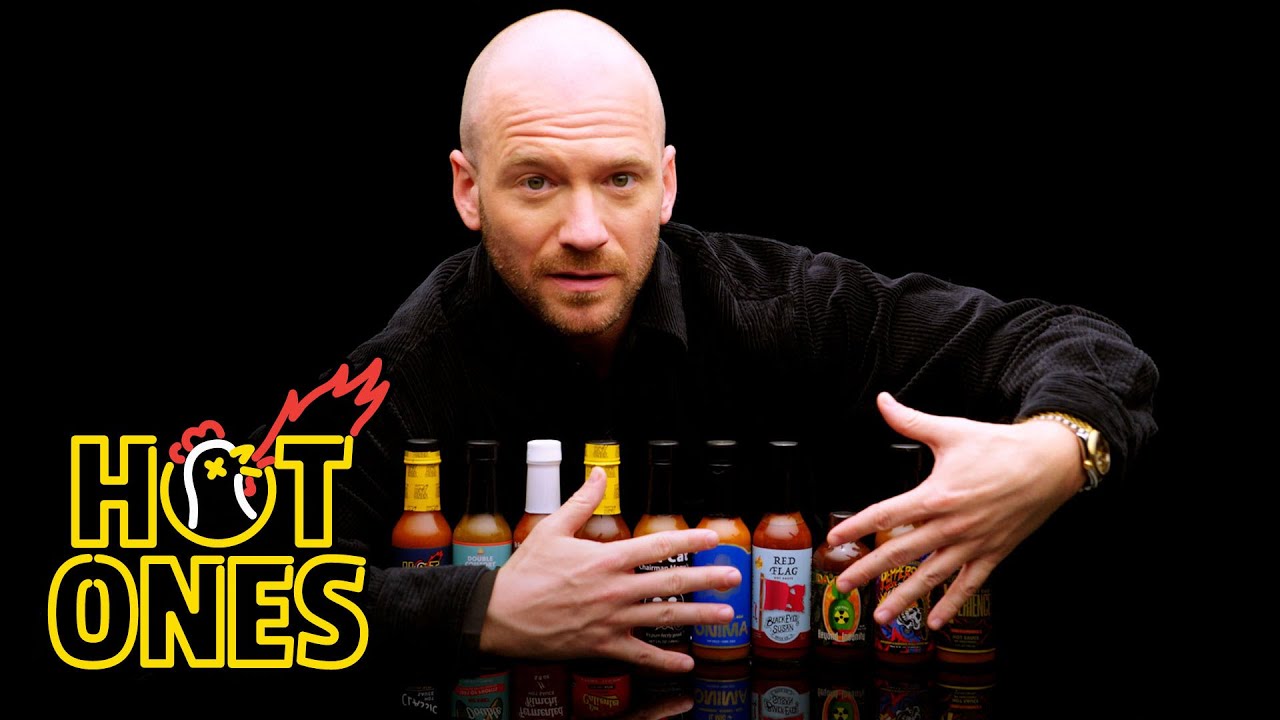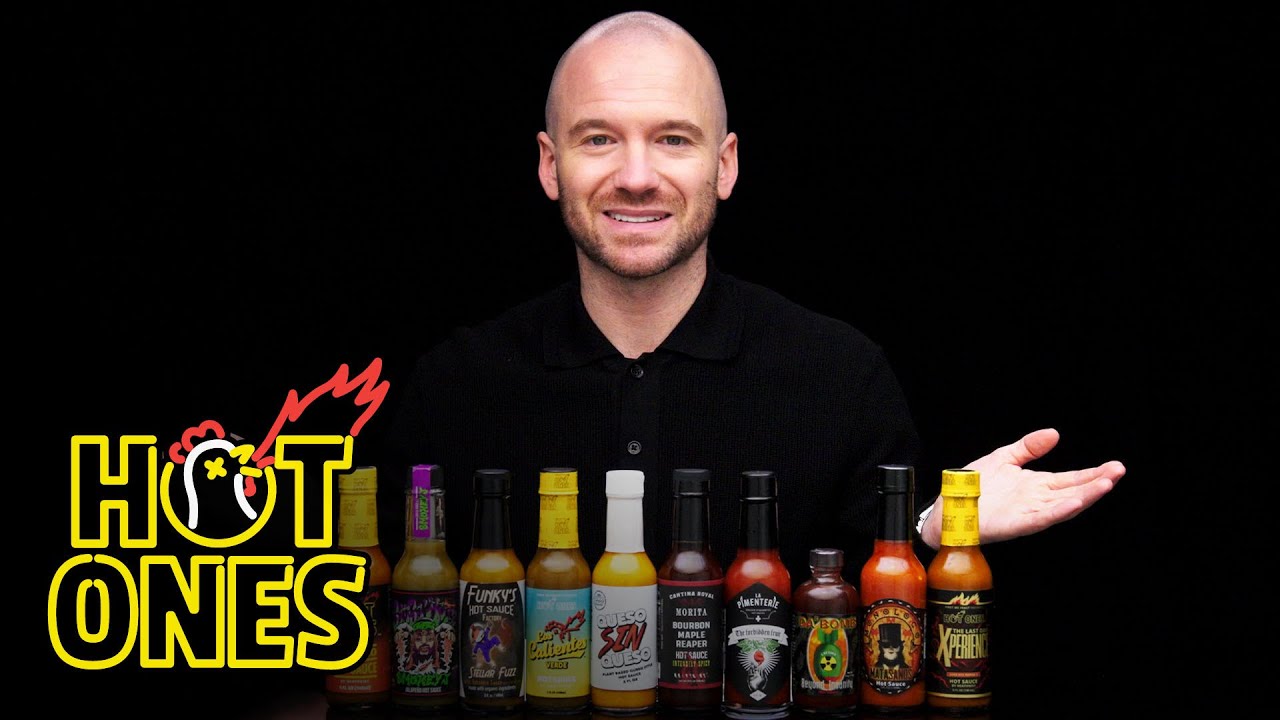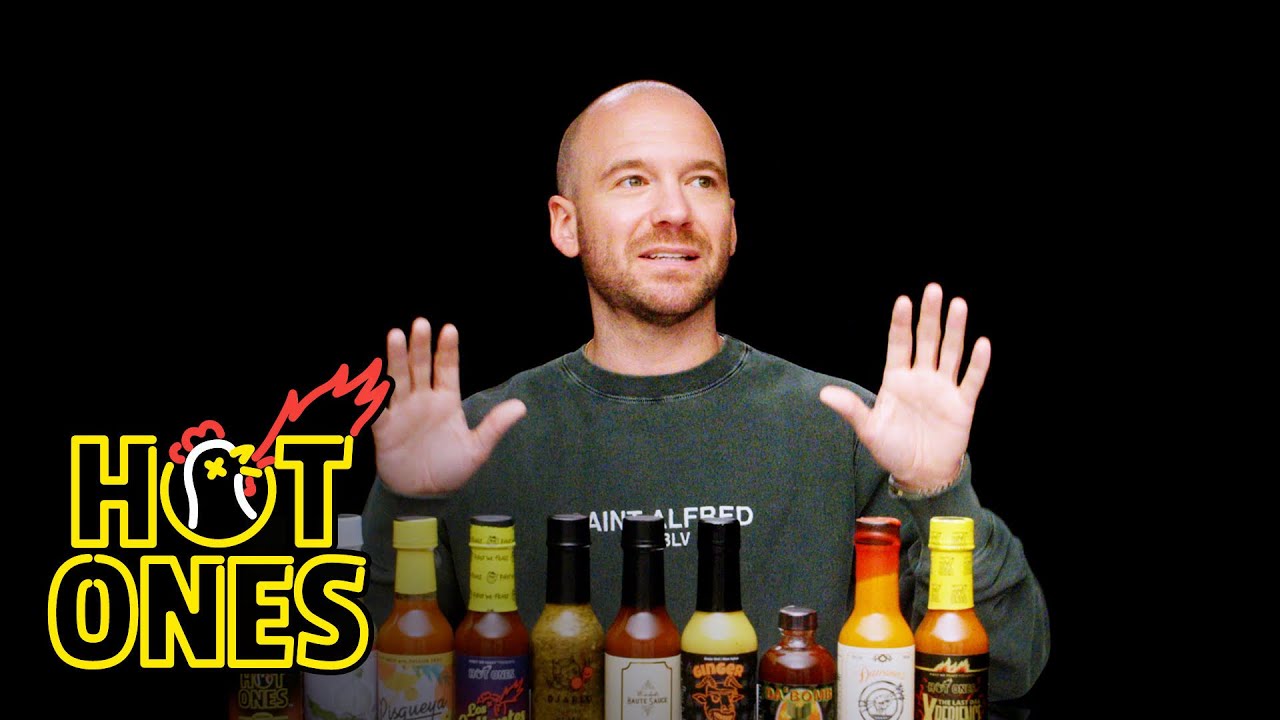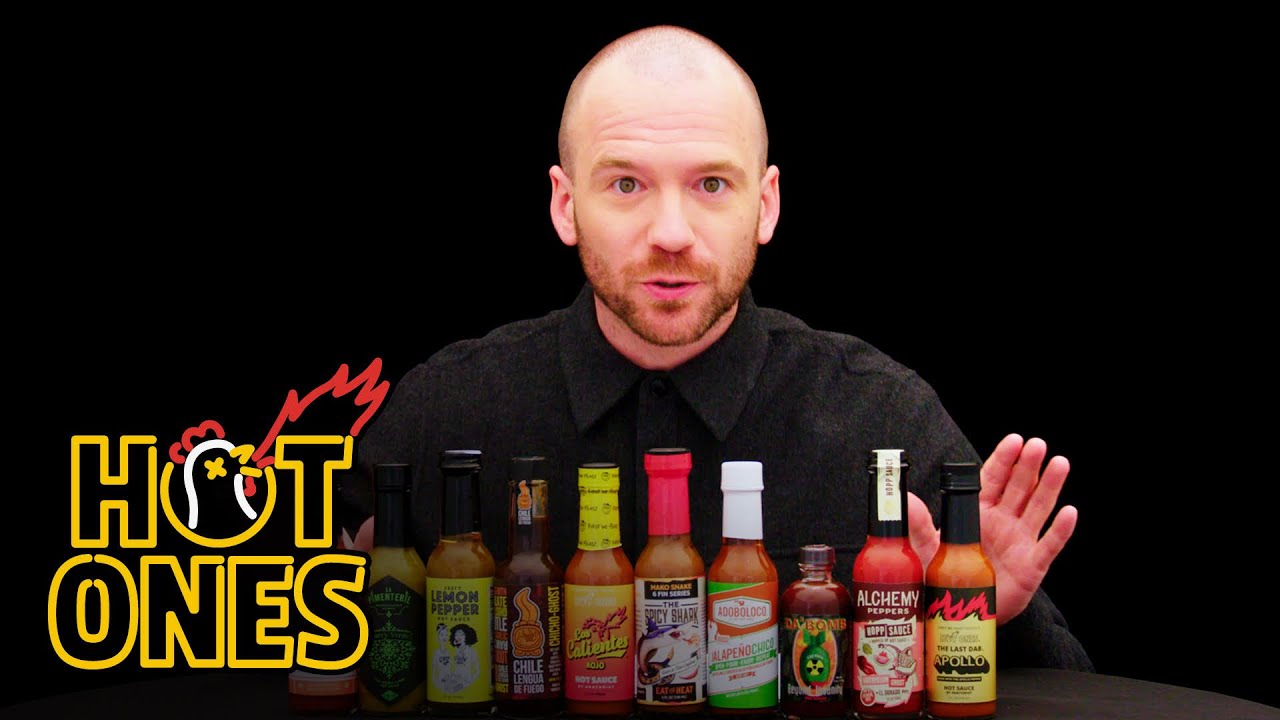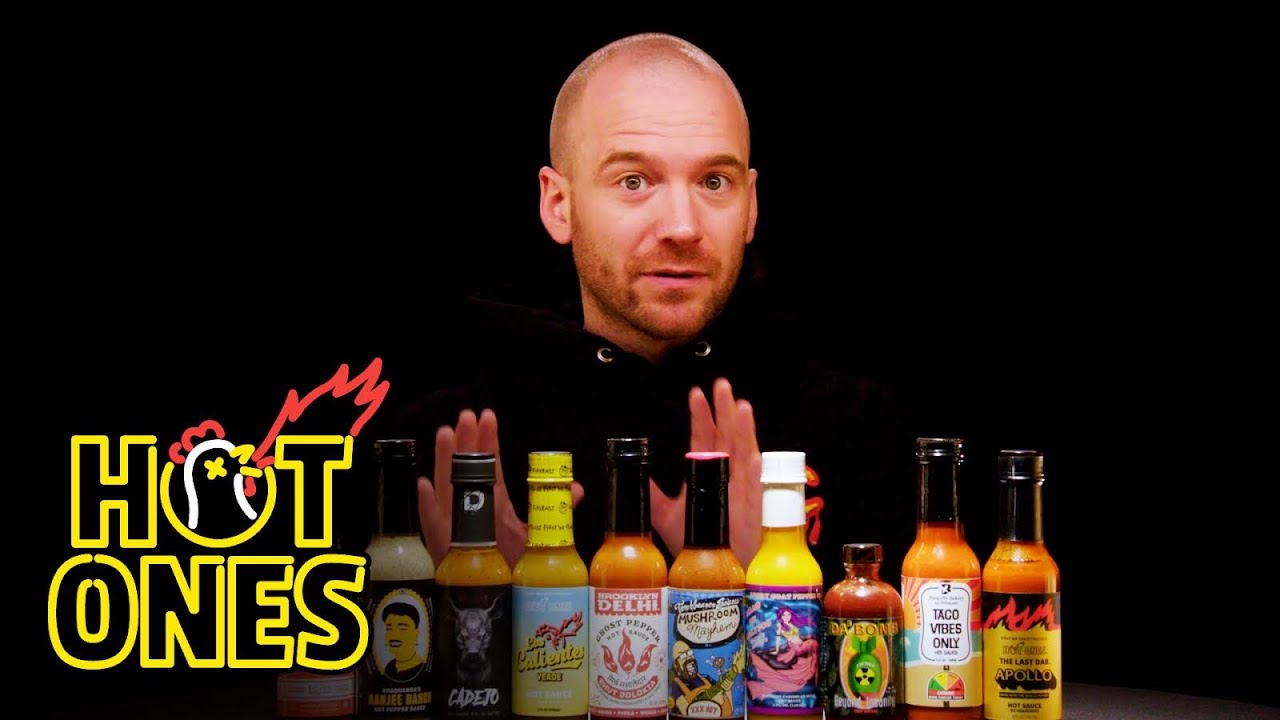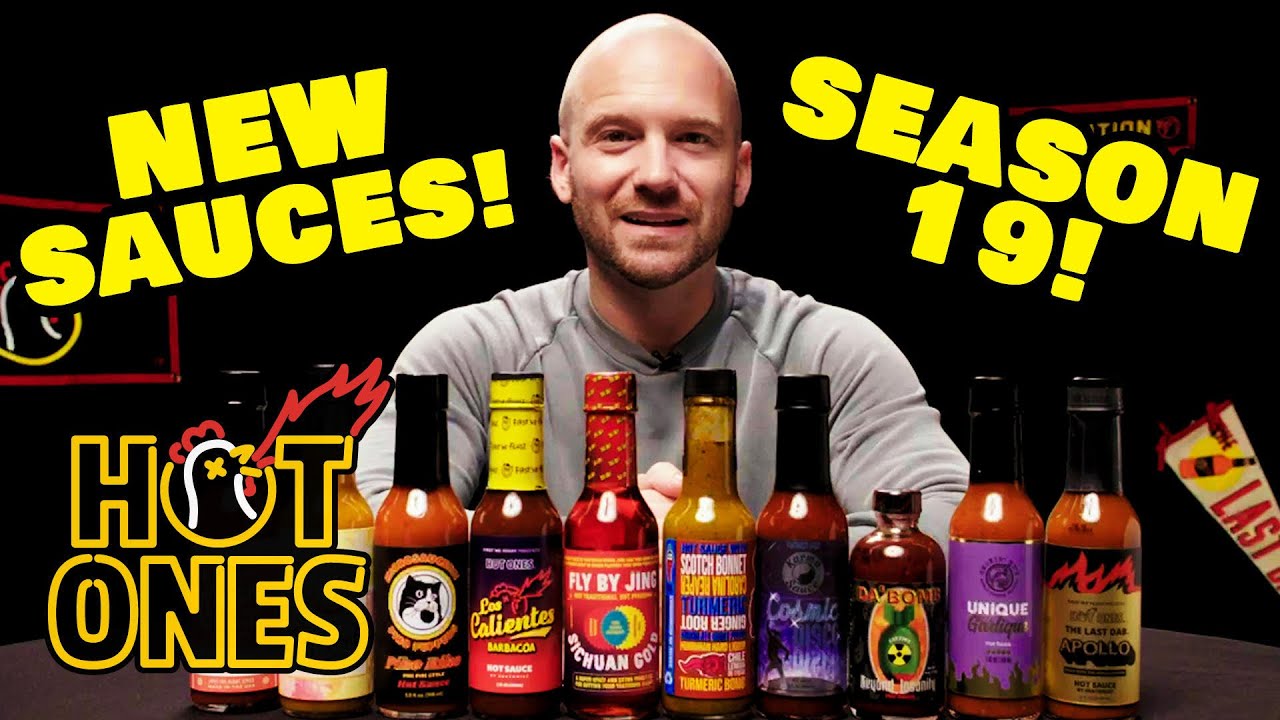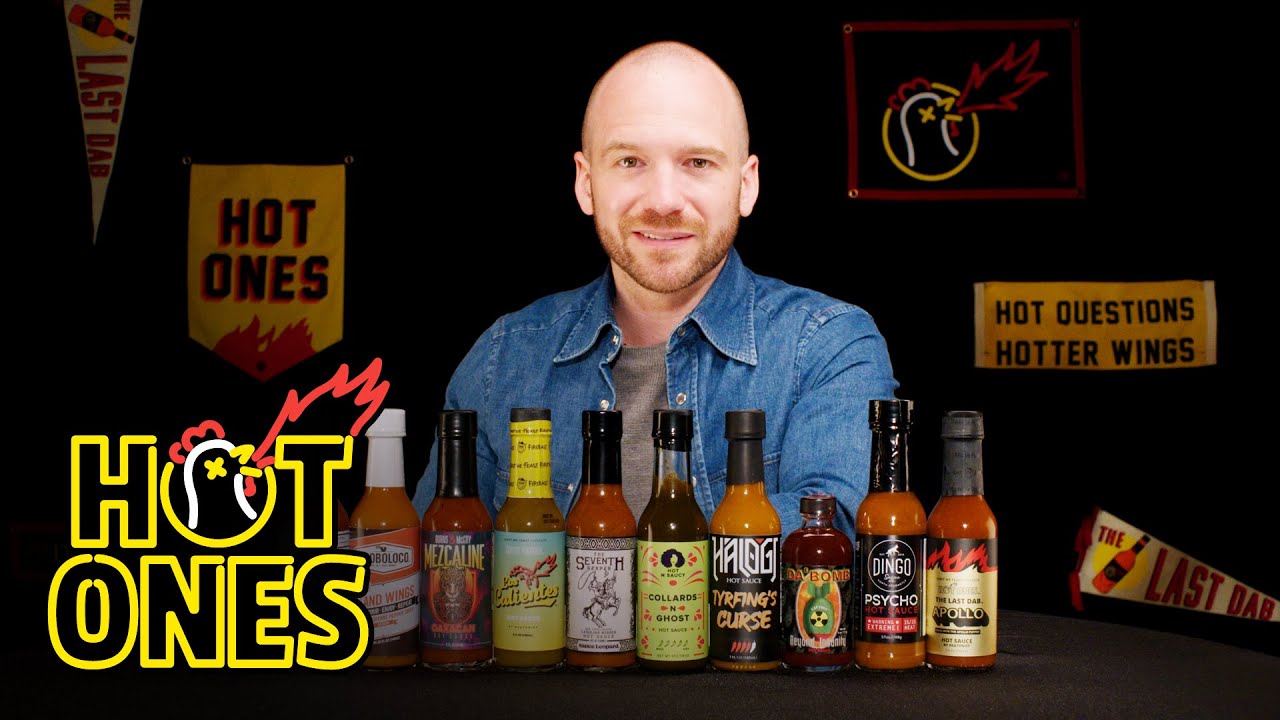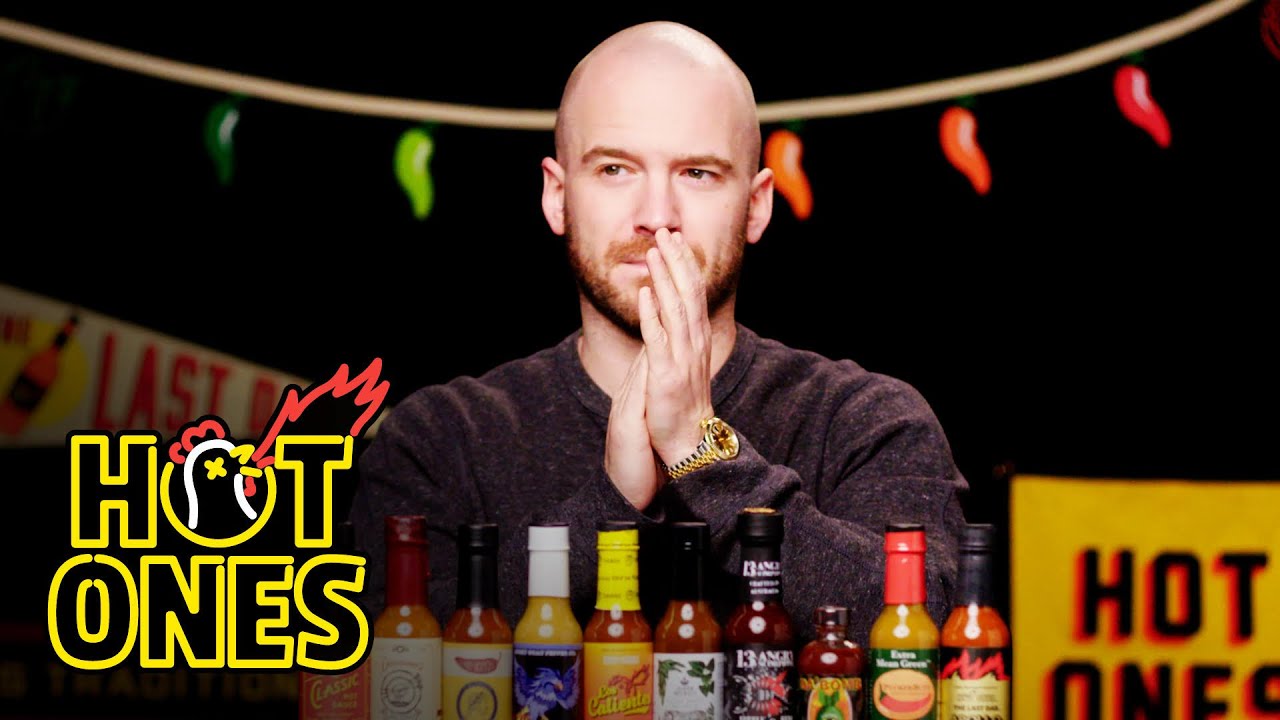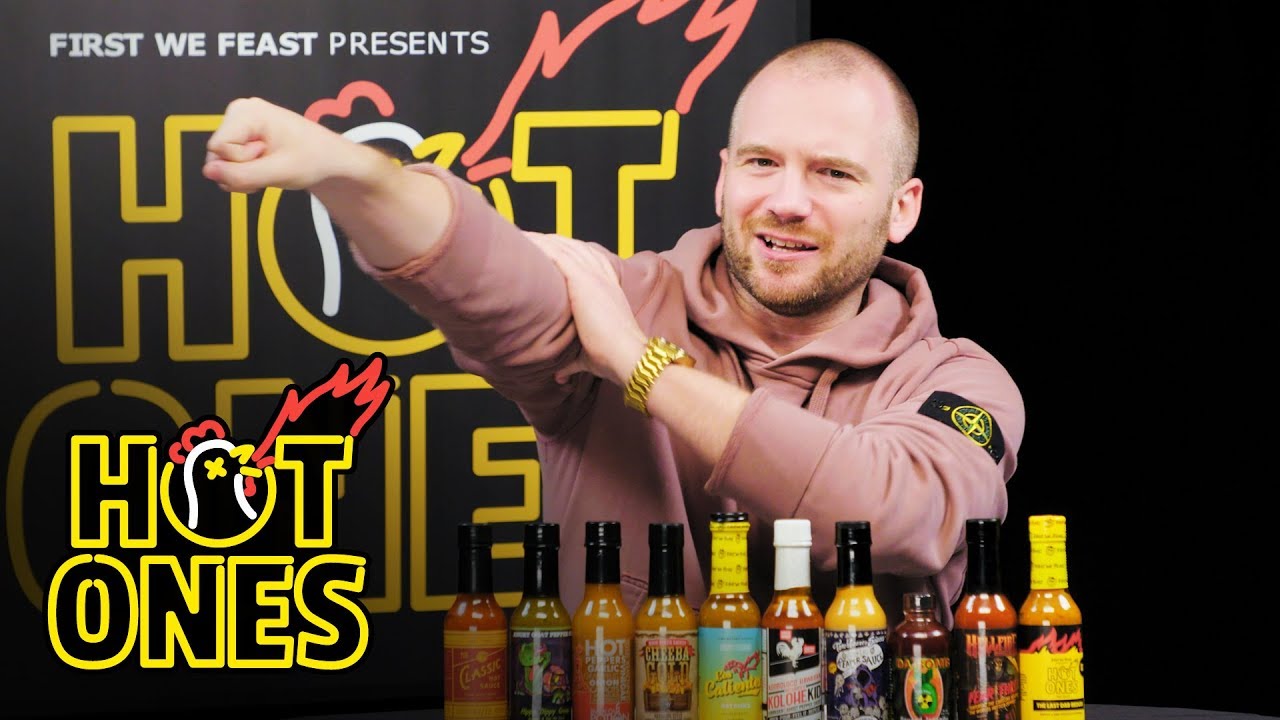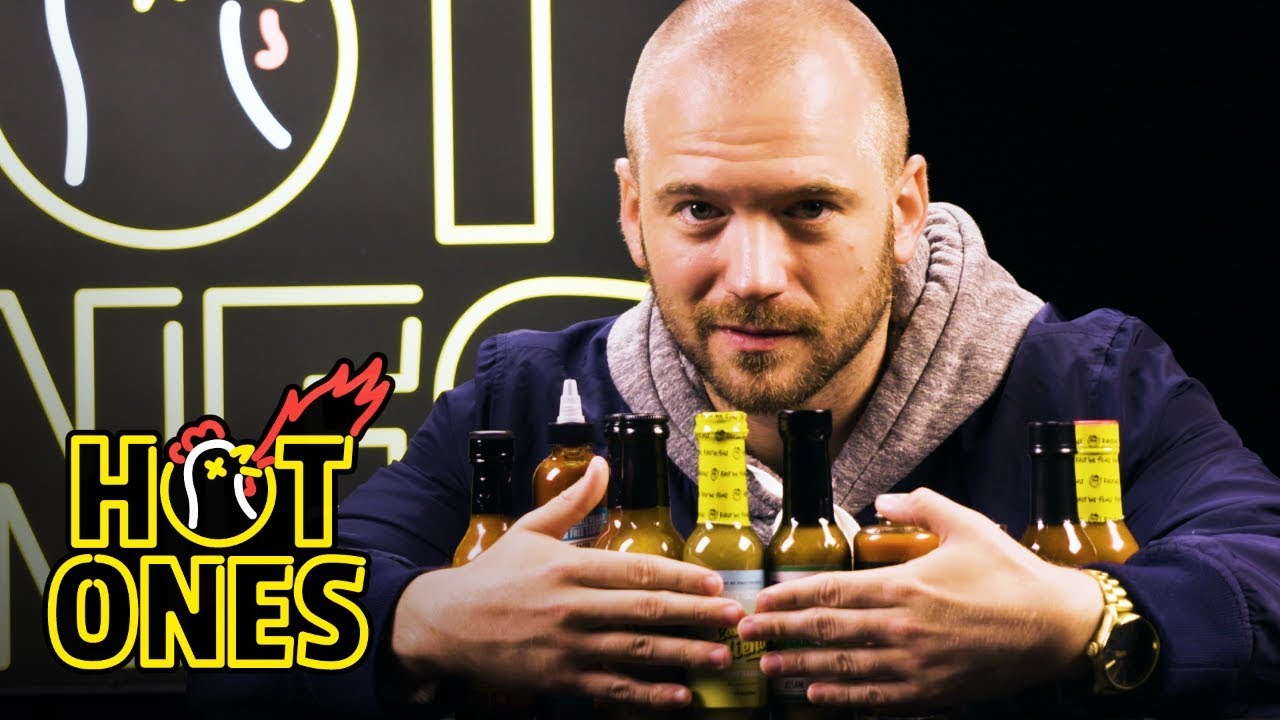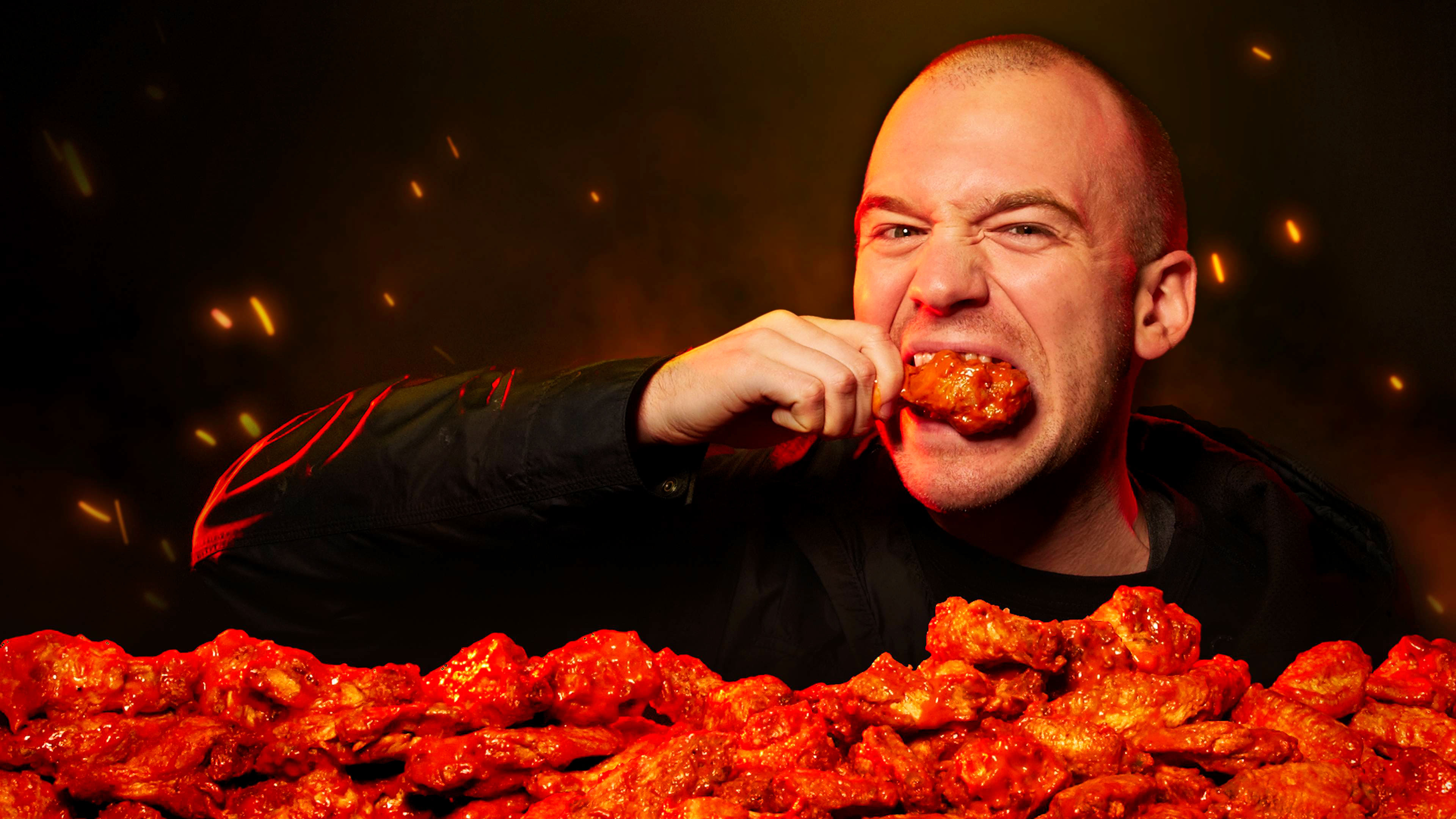
When Hot Ones premiered on March 12, 2015, nobody could have predicted it would become one of the most influential talk shows of the streaming era. What started as a deceptively simple concept—celebrities eating increasingly spicy chicken wings while being interviewed—has evolved into a cultural phenomenon that has fundamentally changed how we think about the talk show format. Over nearly a decade, it’s spawned 406 episodes across 29 seasons, proving that sometimes the best television ideas aren’t about flashy production values or celebrity gossip, but about authentic human moments amplified by genuine discomfort.
The genius of Chris Schonberger’s creation lies in its elegant constraint. That 25-minute runtime isn’t just a practical choice—it’s the backbone of what makes Hot Ones work so brilliantly. By stripping away the typical late-night talk show apparatus, the show forces both host and guest into a peculiar intimacy. There’s no audience to play to, no elaborate comedy bits to cushion awkward silences, just two people and progressively hotter sauce. This simplicity creates space for something rare in contemporary television: genuine conversation. Guests can’t hide behind their publicist-approved talking points when their face is flushed red and sweat is dripping down their forehead.
What makes this show truly exceptional is how it democratized the celebrity interview. You can place an A-list movie star and a lesser-known musician in the same wing-eating arena, and suddenly their celebrity currency matters far less than their ability to handle heat and engage authentically. That leveling effect resonated deeply with audiences who’d grown tired of the choreographed nature of traditional media appearances. By the time Hot Ones had accumulated its first hundred episodes, it had become clear that something fundamental was shifting in how celebrities could present themselves to the public.
The show’s 7.2/10 rating on IMDb tells an interesting story—it’s not a universally beloved masterpiece in the traditional sense, but rather a show that inspires passionate devotion in its core audience. Some episodes soar with unexpected chemistry and revelatory moments, while others fall flat when the interview dynamic doesn’t quite click. That inconsistency is actually part of its charm. You never quite know if you’re about to watch a legendary interview or something more forgettable, which keeps the format feeling fresh even after 29 seasons.
> The most iconic Hot Ones moments transcend the show itself, becoming viral cultural touchstones that exist independently of traditional television metrics.
Think about the legendary episodes that have become part of internet lore:
- Gordon Ramsay’s appearance became legendary for how the famously volatile chef actually became vulnerable, showing audiences a side of him they rarely see
- Paul Rudd’s episodes sparked discussions about the actor’s genuine charm and how he handles pressure with humor
- Celebrity meltdowns and unexpected revelations have generated millions of views beyond the platform they originally aired on
- Athletes and musicians discovering their own competitive streaks and trash-talk abilities, turning wings into an unexpected proving ground
What’s fascinating is how Hot Ones influenced the broader television landscape. Suddenly, every talk show started thinking about how to create genuine moments rather than just promotional content. The show proved that audiences would rather watch someone be real—sweating, struggling, occasionally breaking character—than watch someone deliver a polished anecdote they’ve told a hundred times before. That shift has rippled through everything from YouTube to streaming services to traditional broadcast television.
The distribution strategy itself speaks to the show’s cultural moment. Starting on YouTube and now available on Amazon Prime Video, Peacock Premium, and other platforms, Hot Ones pioneered a model where a show could thrive by being everywhere and nowhere simultaneously. It doesn’t belong to any single network or streaming service exclusively; instead, it exists in the commons of internet culture, accessible wherever audiences want to find it. That accessibility has been crucial to its longevity and continued relevance across nearly a decade of operation.
What’s remarkable about reaching season 29 and 406 episodes is that the format hasn’t fundamentally changed—it’s been refined. The sauce lineup gets more strategic, the guest selection becomes more carefully curated, and the chemistry between host and guest becomes easier to anticipate, but the core remains exactly what it was in 2015. There’s something admirable about a show that doesn’t feel the need to constantly reinvent itself, that trusts its audience and its concept enough to let consistency be the selling point.
The show’s return status confirms what dedicated viewers already knew: Hot Ones has transcended the typical life cycle of even successful television. It’s not coasting on nostalgia or celebrity momentum. Instead, it’s become an institution—a rite of passage for celebrities and a reliable source of entertainment for millions of viewers. When a celebrity announces they’re doing Hot Ones, there’s genuine excitement because everyone knows what that appearance will deliver: an unfiltered, sweat-soaked conversation where defenses are dropped and humanity shines through.
In an era where talk show format feels somewhat exhausted, where celebrity culture often feels transactional, Hot Ones stands as proof that the best television doesn’t need to be complicated. It just needs to be honest, cleverly constructed, and willing to let hot sauce do what producers and publicists cannot: reveal something true about the people we think we know.