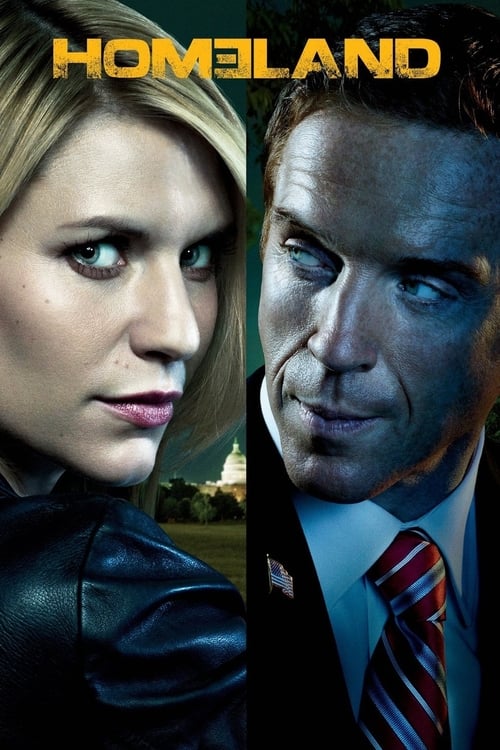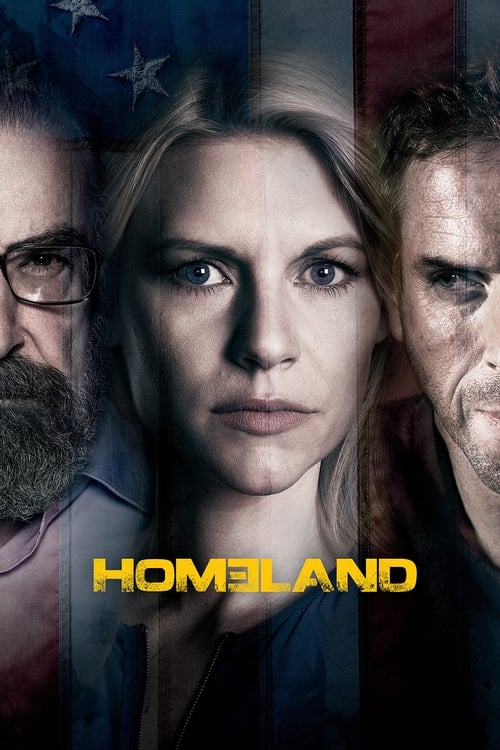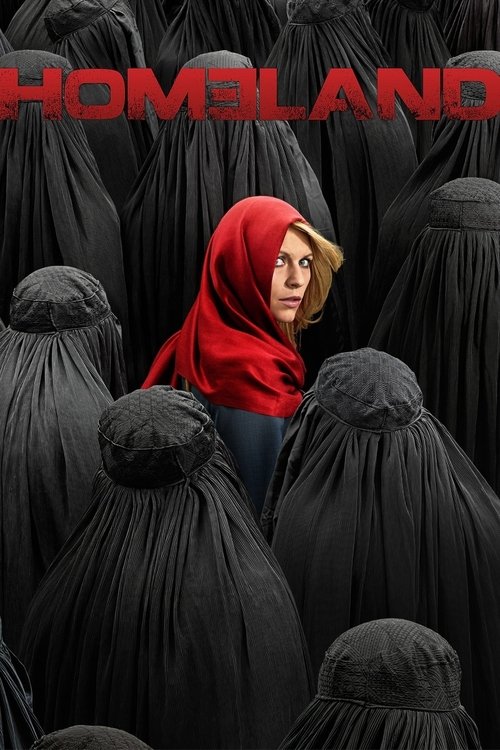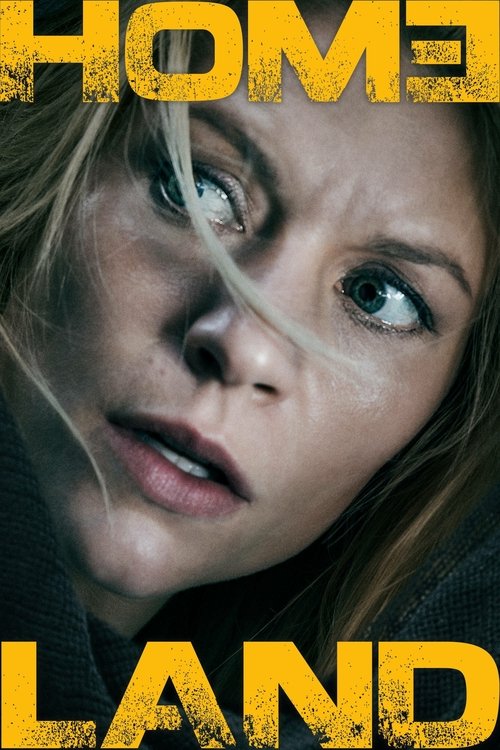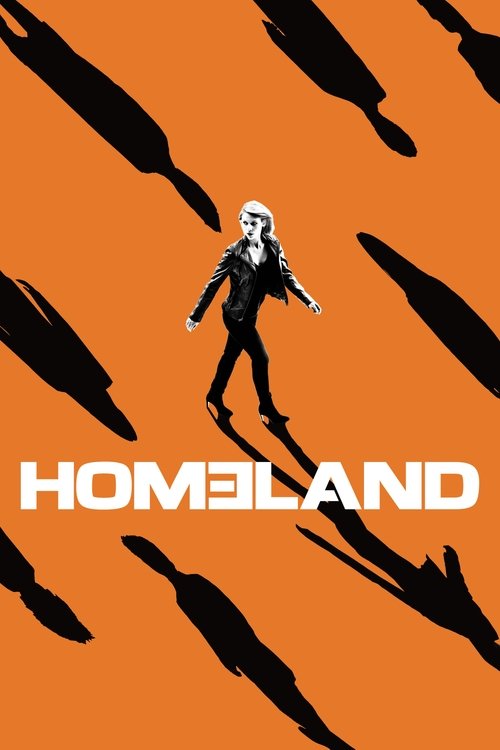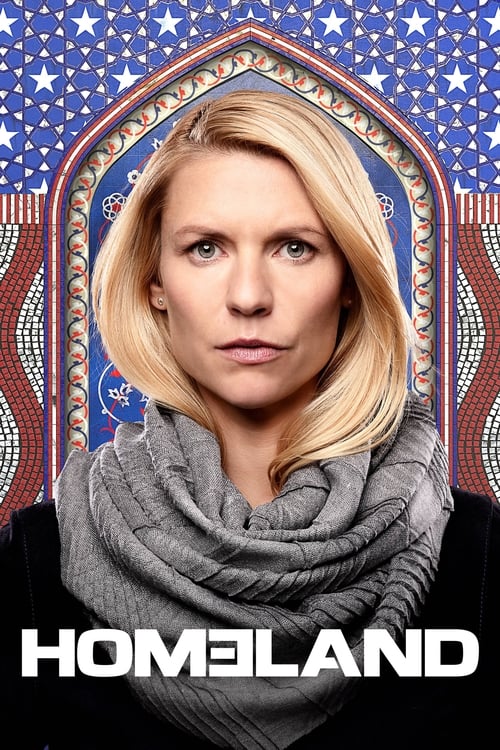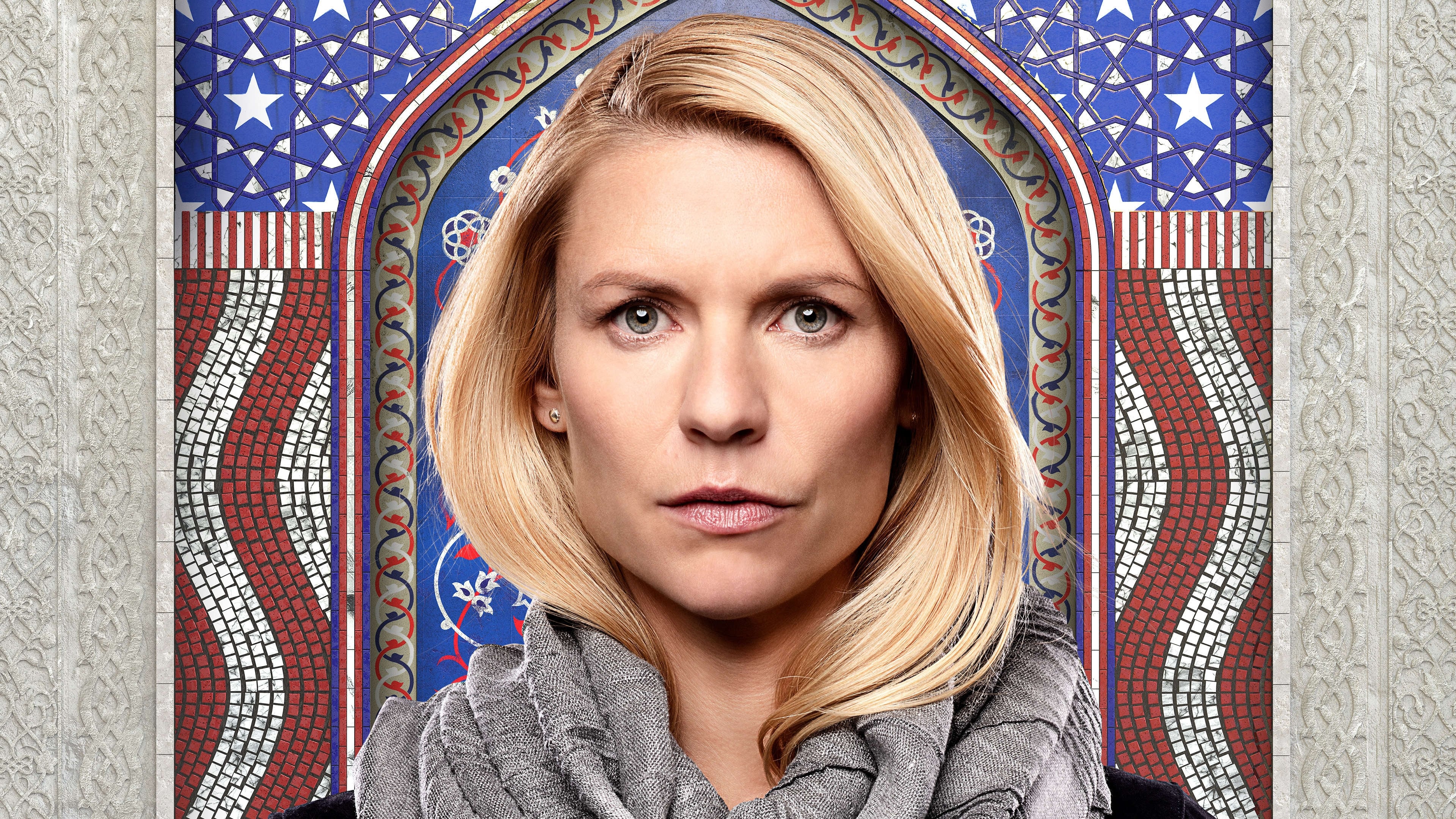
When Homeland debuted on Showtime back on October 2, 2011, it arrived at a cultural moment primed for exactly what creators Howard Gordon and Alex Gansa were offering: a taut, paranoid thriller that refused easy answers about loyalty, patriotism, and mental illness. What started as a tight premise—a CIA officer suspicious that a rescued war hero has been turned into a sleeper agent—evolved into something far more ambitious over its 96 episodes across 8 seasons. This wasn’t just another post-9/11 political thriller; it was a show that understood how to keep audiences perpetually uncertain about whom to trust, including the characters themselves.
The brilliance of Homeland lay in its willingness to subvert expectations constantly. Rather than delivering the standard hero’s journey or predictable cat-and-mouse game, the series made Carrie Mathison (Claire Danes) as much a source of uncertainty as the threats she pursued. Her bipolar disorder wasn’t window dressing—it was central to the show’s entire architecture, forcing viewers to constantly question her perceptions and judgment calls. This was genuinely daring television for a mainstream network drama.
What made the show particularly significant in the television landscape were its structural choices:
- Season-long arcs that felt genuinely suspenseful, with genuine twists rather than soap opera manipulation
- Complex moral ambiguity that refused to paint characters as simply good or evil
- Real-time tension where decisions had lasting consequences across seasons
- Willingness to kill major characters unexpectedly, maintaining genuine stakes
- Exploration of PTSD and mental health in ways that felt earned rather than exploitative
The show’s 7.6/10 rating somewhat undersells its cultural impact—ratings don’t fully capture how it dominated conversations during its peak seasons. Those early years particularly struck a chord with critics and audiences alike who were hungry for intelligent espionage drama that treated viewers as smart enough to handle complexity and moral ambiguity.
Homeland managed something rare: it became a cultural phenomenon without relying on fantasy or genre escapism. It held up a mirror to contemporary anxieties about terrorism, surveillance, and institutional trust during some of America’s most politically turbulent years.
Speaking of its cultural footprint, this show sparked genuine conversations about how we depict mental illness on television, how we consume political narratives, and what responsibility networks have when depicting classified intelligence operations. Claire Danes’ performance became iconic in television circles—those moments of raw psychological vulnerability mixed with operational cunning created a character archetype that influenced how other networks approached female-driven dramas. The show proved audiences were ready to follow flawed, complicated women through morally gray terrain.
The narrative approach Gordon and Gansa developed became genuinely influential. Rather than locking into a traditional serialized structure, they allowed the story to breathe across unpredictable lengths of episodes. Without rigid runtime constraints, each episode could stretch or compress depending on story needs—a flexibility that encouraged organic storytelling rather than padding. This approach meant Homeland could spend time on character development one week and explosive plot turns the next.
The show’s journey from its 2011 premiere to its conclusion in 2020 tells an interesting story about television itself. Those early seasons were genuinely masterful—the tension between Carrie and Brody felt earned, the paranoia was palpable, and every episode delivered genuine surprises.
The series maintained its ability to shock:
- Early seasons established it as prestige drama with real stakes
- Mid-run seasons took bigger swings, experimenting with format and location
- Later seasons focused on geopolitical complexity and Carrie’s personal cost
- Final season attempted to provide closure while acknowledging the war on terror’s ongoing nature
Ratings did decline as seasons progressed, which is honestly the path most shows take. But that shouldn’t diminish what Homeland accomplished at its peak—it created some of the most genuinely tense television moments of the 2010s, all grounded in character rather than spectacle.
What’s particularly striking about rewatching Homeland now is how prescient it often felt. The show grappled with questions about the morality of covert operations, the psychological toll of intelligence work, and the thin line between security and paranoia in ways that feel increasingly relevant. It never offered comfortable answers, which some found frustrating but which actually proved more enduring than neat resolutions would have been.
The series also deserves credit for understanding that television’s strength lies in sustained character development. Carrie’s evolution across eight seasons—her victories and failures, her struggles with medication and mental health, her relationships and betrayals—created something deeper than any single movie could achieve. Same with characters like Saul Berenson, who transformed from supporting player into something more complex and humanly grounded as the series progressed.
Homeland may not have maintained the absolutely stellar critical consensus of its early run, but it proved that intelligent, character-driven political thrillers could thrive on television when given the freedom to tell their stories on their own terms.
Available across Netflix and Hulu now, Homeland remains essential viewing for anyone interested in how television has evolved post-9/11, how to write complex female characters, or simply how to construct genuinely suspenseful drama. It’s a show that took risks, sometimes stumbled, but ultimately created something that mattered in the cultural conversation about security, patriotism, and the personal cost of defending a nation. That’s worth your time.