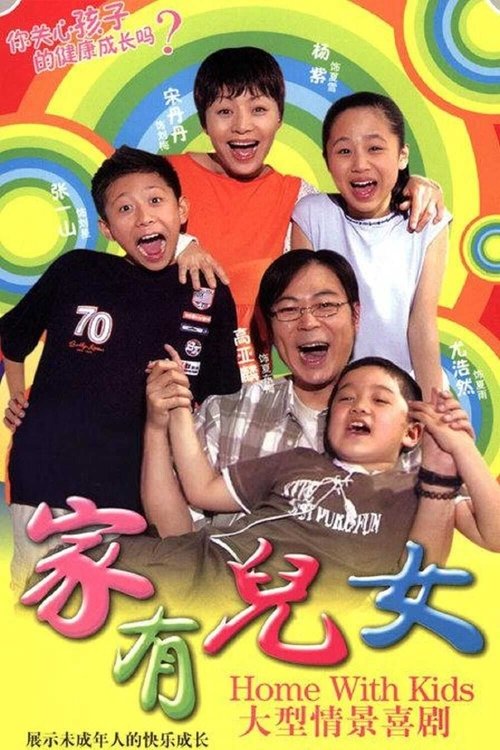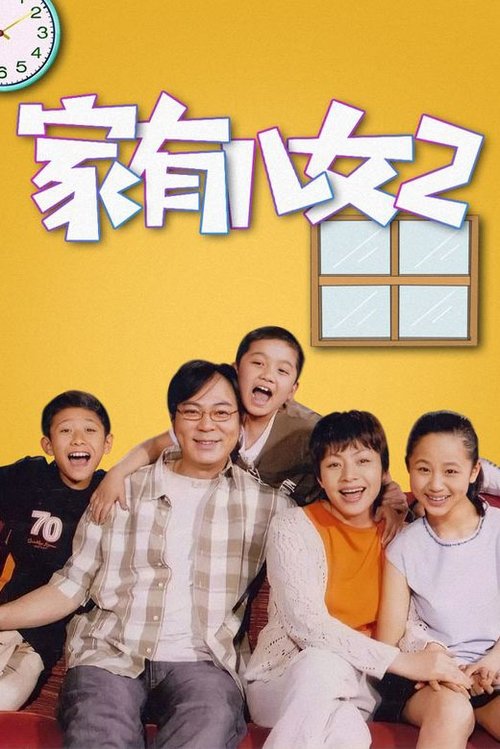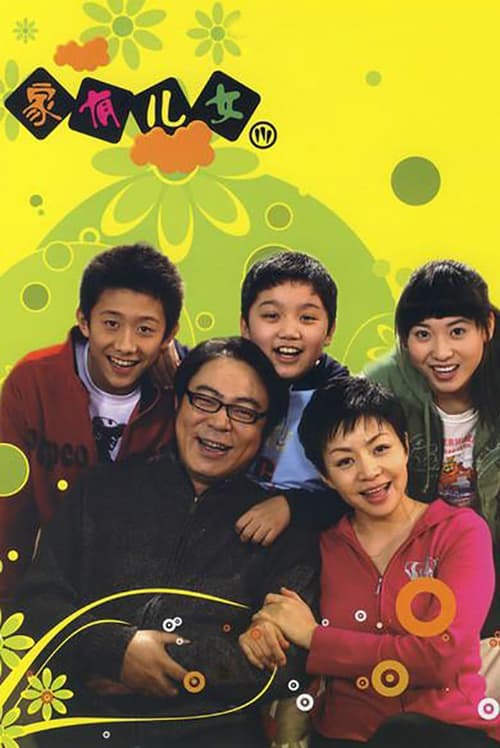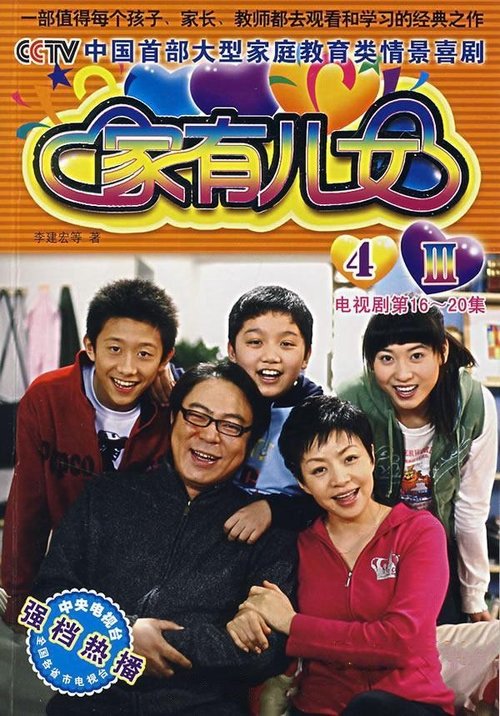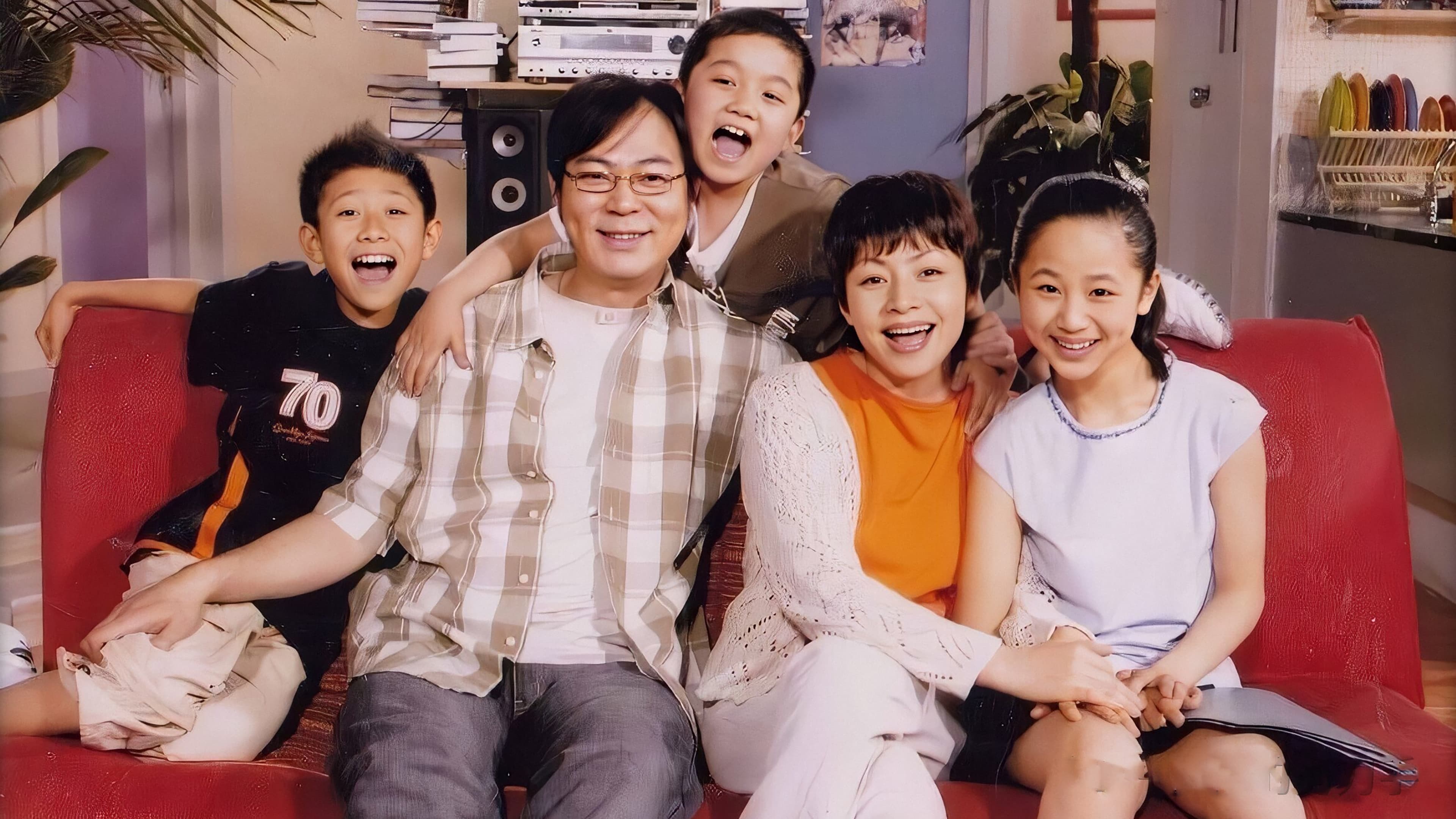
If you haven’t spent time with Home with Kids, there’s a genuinely compelling case for why this Chinese family comedy deserves a spot in any serious television discussion. When it debuted on Beijing Television back in February 2005, the show arrived at a fascinating moment in television history—when the family sitcom format was being explored across different cultures and markets in ways that would deeply influence what came next. What started as what might have seemed like a straightforward domestic comedy turned into something far more substantial: a cultural phenomenon that ran for four seasons and 367 episodes, proving that there’s an enormous appetite for thoughtful, character-driven storytelling about family life.
The show’s staying power speaks volumes. To sustain 367 episodes across four seasons requires more than just competent writing and likable characters—it demands a genuine understanding of what makes families tick, what creates authentic humor, and how to keep audiences invested in the mundane details of everyday life. The fact that Home with Kids maintained a respectable 7.1/10 rating throughout its run, in an era when ratings could be notoriously fickle, suggests the creators had tapped into something real. This wasn’t a show coasting on gimmicks or relying on shock value; it was built on the foundation of relatable family dynamics and the kinds of conflicts that actually resonate with viewers.
> The creative vision here was deceptively simple but brilliantly executed: take the everyday moments of family life and find the comedy, pathos, and humanity within them.
What makes Home with Kids particularly significant is how it approached the 25-minute runtime. This constraint actually became the show’s greatest creative strength. Rather than padding episodes with unnecessary subplots or relying on extended comedic sequences, the writers learned to distill family moments into their essential emotional cores. Each episode could address a genuine parenting dilemma, a sibling conflict, or a moment of growth—all within a tight timeframe that demanded precision and clarity. This format forced the creators to trust their audience’s intelligence and emotional maturity, treating comedy not as an end in itself but as a vehicle for exploring deeper truths about family.
The show’s cultural footprint in the Chinese television landscape cannot be overstated. Home with Kids arrived when there was genuine hunger for content that reflected contemporary family experiences without resorting to melodrama or over-the-top situations. Instead of importing foreign formats wholesale, the series created something distinctly grounded in the specific challenges and joys of modern family life. This localized approach to universal themes became the blueprint for how family comedies could achieve both cultural specificity and broad appeal simultaneously.
Key elements that made the show work:
- The balance between humor and heart, never letting jokes undermine the emotional stakes
- A genuine commitment to showing parenting as a complex, sometimes messy endeavor
- Strong characterization that made even minor family members feel like real people with their own concerns
- An understanding that children and teenagers have legitimate perspectives worth exploring
- Willingness to address contemporary social issues without becoming preachy
The creative achievement here deserves recognition because sustaining a comedy across 367 episodes requires incredible discipline. Too many shows either run out of fresh stories or begin repeating themselves endlessly. Home with Kids managed to keep its premise vital by deepening our understanding of its characters rather than constantly introducing new gimmicks. The show’s creators understood something fundamental about episodic television: that true character development happens gradually, through accumulated small moments that build into something meaningful over time.
What’s particularly noteworthy is how the show balanced ensemble storytelling. Rather than revolving around a single protagonist, Home with Kids gave genuine weight to multiple family members’ perspectives and storylines. Parents weren’t just authority figures dispensing wisdom; they were flawed, learning, sometimes wrong. Children weren’t simply cute props in an adult-centered narrative; they had genuine agency and their own emotional arcs. This democratic approach to character importance created a viewing experience that appealed across age groups and educational backgrounds.
The series’ journey from its 2005 debut to its conclusion represents a complete creative vision fully realized. Rather than being abruptly canceled or limping along into irrelevance, Home with Kids reached a natural endpoint after four seasons—a rarity in television that suggests the creators maintained control over their story and knew exactly when to bring things to a close. This kind of creative integrity is increasingly rare in an era of endless reboots and unnecessary extensions.
> What ultimately resonates about Home with Kids is its fundamental belief that family life—in all its complexity, frustration, and beauty—is worthy of serious artistic exploration.
The show’s influence on subsequent family programming cannot be ignored. It demonstrated that there was an audience genuinely interested in character-driven comedy that didn’t rely on broad physical humor or shock value. It showed that a 25-minute format could contain real emotional depth. Most importantly, it proved that audiences would engage deeply with stories that respected their intelligence and their lived experiences.
For anyone interested in how television can authentically capture family dynamics while remaining consistently entertaining, Home with Kids stands as a genuinely accomplished work. Its 7.1/10 rating understates what it accomplished—creating a space where millions of viewers could see their own lives reflected back to them with humor, compassion, and genuine insight. In a landscape often dominated by imported formats and surface-level entertainment, that’s something genuinely worth celebrating.