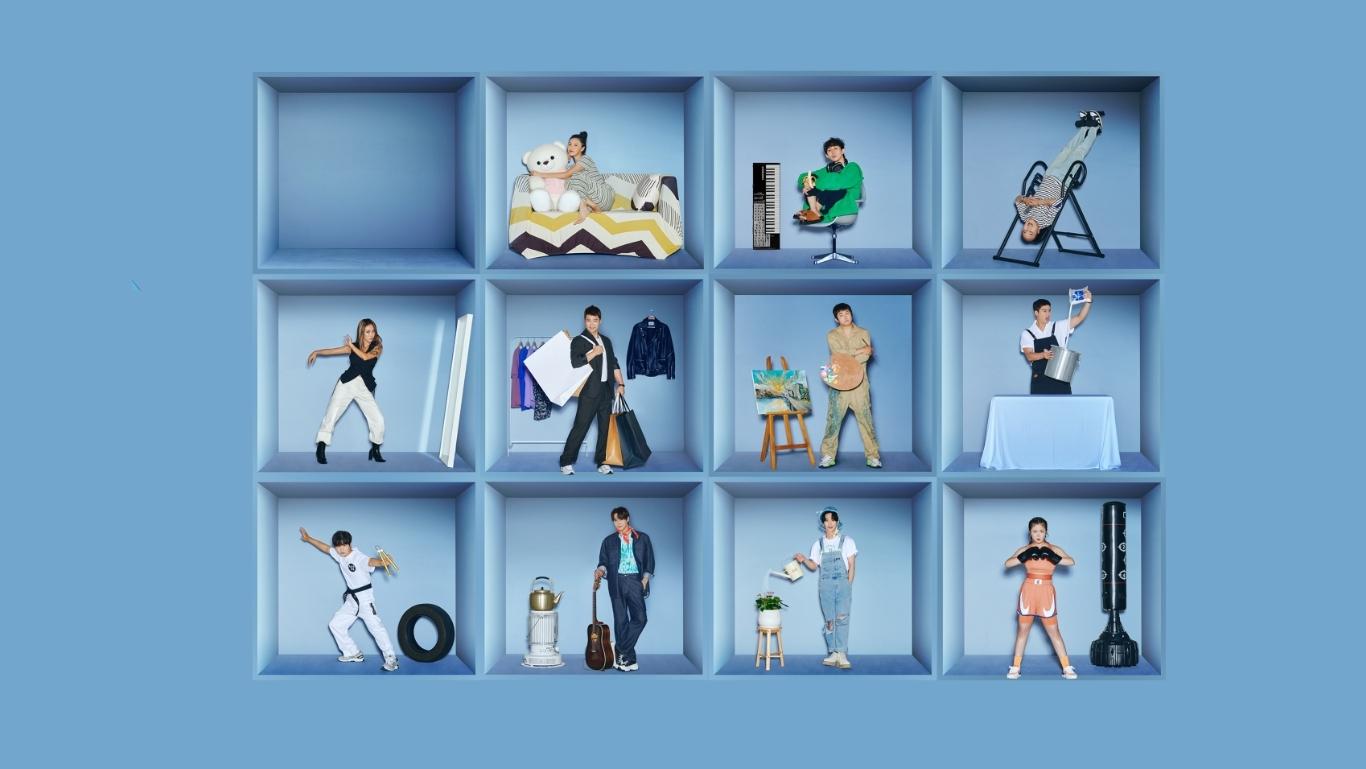
When Home Alone premiered on March 22, 2013, it tapped into something quietly revolutionary about modern television—the idea that everyday solitude could be genuinely compelling entertainment. What Lee Ji-sun created wasn’t just another reality show; it was a mirror held up to a specific cultural moment, capturing the lives of single Korean celebrities in their most unguarded moments. Over a decade later, with 616 episodes spanning its first season alone, the show has quietly become one of the most consistent and beloved programs in Korean broadcasting, earning a solid 7.4/10 rating that speaks to its broad appeal and sustained quality.
The brilliance of Home Alone lies in its deceptive simplicity. Each 90-minute episode follows celebrities as they navigate their private lives—cooking, cleaning, relaxing, spending time with loved ones—without the artifice of a traditional variety show format. There’s no manufactured drama here, no contrived games or setups. Instead, the show trusts that authenticity itself is engaging, that viewers genuinely want to understand how their favorite stars live when the cameras aren’t rolling on set. This approach was genuinely ahead of its time, predating the rise of celebrity vlogs and intimate content creation that would later dominate streaming platforms.
> What makes Home Alone truly significant is how it shifted the conversation around what reality television could be. Rather than exploiting or exaggerating moments for shock value, it celebrates the mundane as sacred.
The show’s cultural footprint in South Korea cannot be overstated. It became a phenomenon that sparked genuine conversations about loneliness, independence, and the lives of unmarried celebrities in a society where those topics carried particular weight. Audiences connected with the program because it presented single living not as a tragedy or a phase, but as a valid, often joyful lifestyle. Celebrity guests ranging from musicians to actors to comedians opened their doors—quite literally—and allowed viewers into spaces that had always been kept private.
The strategic genius of the 90-minute runtime deserves special attention here. Rather than stretching thin content across multiple episodes or condensing it into quick segments, the format allowed for genuine immersion. A full hour and a half means viewers could follow the natural rhythms of a person’s evening—the leisurely dinner preparation, the quiet moment watching television, the unexpected phone call. This temporal luxury created an intimacy that shorter formats simply cannot achieve. The extended runtime transformed the show from a celebrity peep show into something more meditative and human.
Lee Ji-sun’s vision extended beyond mere documentation. The show developed a sophisticated understanding of what audiences actually crave from reality content: moments of genuine connection and relatability, even with people living extraordinary lives. By stripping away the performance aspect, Home Alone revealed that celebrities and viewers aren’t so different in how they spend their evenings. This democratization of private life became the show’s most enduring contribution to television.
The show’s journey to becoming a Returning Series speaks to its sustained relevance. From 2013 through the present day, Home Alone has maintained its Friday night slot on MBC, becoming a cultural institution. The fact that it continues to air new episodes—evidenced by recent segments featuring artists like KEY navigating life after releasing new music—demonstrates that the format hasn’t grown stale. There’s always something new to discover in the texture of daily life, especially when the subjects continue to evolve personally and professionally.
What’s particularly noteworthy is how Home Alone influenced the broader television landscape without necessarily being imitated directly. Instead, the show validated a particular philosophy: that reality television doesn’t need conflict, romance, or manufactured situations to succeed. It proved that audiences would tune in for genuine observation, for the quiet comedy of real life, for the simple pleasure of understanding another person’s existence more fully.
The streaming availability across OnDemandKorea and Kocowa platforms has extended the show’s reach globally, introducing international audiences to a format that feels distinctly Korean while addressing universal themes about solitude and connection. This global expansion has only deepened the show’s significance, proving that the appeal of intimate, authentic observation transcends cultural boundaries.
- Cultural impact: Shifted Korean attitudes toward single living and independence
- Format innovation: Pioneered the intimate celebrity documentary-reality hybrid approach
- Consistency: 616 episodes of sustained quality across a single season demonstrates remarkable creative endurance
- Accessibility: Available across multiple streaming platforms, reaching audiences worldwide
- Longevity: Continuing new episodes over a decade after its debut speaks to the format’s durability
At its core, Home Alone succeeded because it understood something fundamental about human connection: we don’t just want to see people at their best or worst. We want to see them as they actually are. In doing so, Lee Ji-sun created a show that felt radical for its kindness, revolutionary for its gentleness, and enduring because it celebrated the quiet dignity of simply living. That’s why it deserves your attention—not despite its simplicity, but precisely because of it.






![Hyun Moo wears a crown as the grand prize winner! l Home Alone Ep 477 [ENG SUB]](https://img.youtube.com/vi/HlhfxNkfROE/maxresdefault.jpg)
![[ub098 ud63cuc790 uc0b0ub2e4] uc5educ2dc ubbff.ub4e3 ud5e8ub9ac+uc74cuc545 uc870ud569! uc138uc0c1 uc2e0uae30ud55c 'Uptown Funk' ucee4ubc84 uc5f0uc2b5 w(u00b0uff4fu00b0)w](https://img.youtube.com/vi/e8MV7pXA5e0/maxresdefault.jpg)