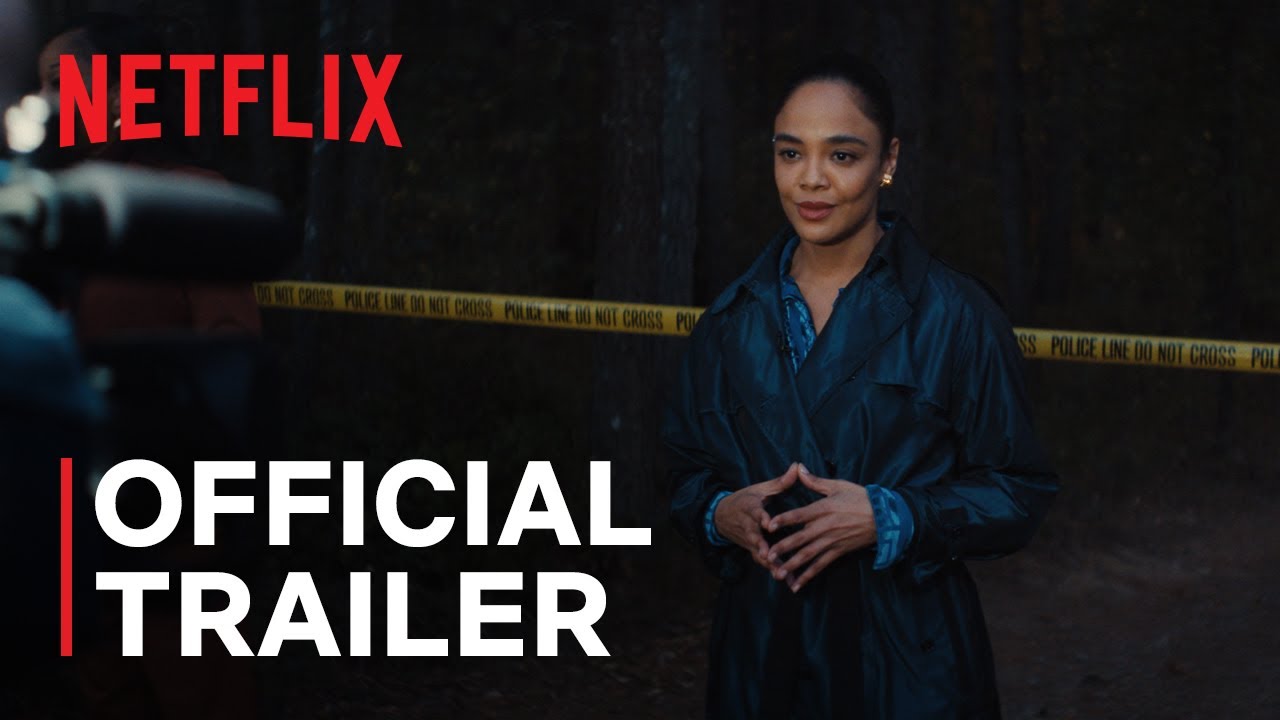
When His & Hers premiered on Netflix in January 2026, it arrived with the kind of quiet confidence that only comes from stellar casting and a creator who understands the architecture of tension. William Oldroyd, the visionary behind this limited thriller series, crafted something deceptively compact—just six episodes—that managed to spark conversations about marriage, deception, and the stories we tell ourselves about the people we love most. The show debuted with an impressive 19.9 million viewers, a number that spoke volumes about audience hunger for psychological drama done right, even if critics would later settle on a more measured 6.9/10 rating that somewhat undersold what the series actually accomplished.
What makes His & Hers particularly worth revisiting is how it weaponized its brevity. Rather than padding a two-hour concept across ten episodes, Oldroyd committed fully to the mini-series format, trusting viewers to keep pace with a story that refused to hold hands. The unknown runtime per episode actually became part of the show’s appeal—some installments could breathe and expand, while others snapped shut before you’d settled into false comfort. This structural choice meant that narrative momentum never stalled; the show trusted its audience’s intelligence in a way that feels increasingly rare.
The performances anchored everything. Tessa Thompson and Jon Bernthal brought the kind of nuanced chemistry that made their relationship simultaneously believable and unsettling—you could see why these two people had chosen each other, and simultaneously understand how that choice had calcified into something darker.
The core appeal of His & Hers lay in its commitment to moral ambiguity. Rather than presenting viewers with clean heroes and villains, Oldroyd’s adaptation navigated murky territory:
- Neither protagonist emerged as purely sympathetic
- The central crime mystery became less important than understanding why it happened
- Each episode peeled back another layer of mutual deception
- The show refused easy answers about guilt, complicity, or love
The critical conversation around His & Hers revealed something interesting—reviewers acknowledged that the performances and structural potential outpaced the execution, particularly in those early episodes. The first installment faced criticism for not immediately providing viewers with enough narrative hooks, yet by episode three, those same critics were advocating for more. This trajectory mattered. The show built a case methodically, understanding that the most effective thrillers aren’t about shocking reveals but about gradually realizing you’ve been seeing the situation wrong the entire time.
What really distinguished His & Hers in the crowded Netflix thriller landscape was its refusal to demonize either protagonist. This wasn’t a show about a villain and a victim—it was about two intelligent people who had failed each other in increasingly catastrophic ways, and whose attempts to manage that failure created the actual crisis. That’s more psychologically sophisticated than most crime dramas manage.
The six-episode structure gave His & Hers an almost novelistic quality, which makes sense given that Oldroyd was adapting source material. Rather than stretching or compressing the narrative to fit network television traditions, the miniseries format allowed the story to find its natural rhythm:
- Establishing the marriage and its fractures
- Introducing the central crime and its immediate aftermath
- Deepening suspicion and counteraccusation
- Excavating motivations and hidden resentments
- Confronting the emotional core beneath the mystery
- Arriving at a conclusion that felt both inevitable and devastating
The 6.9/10 rating that rounded out His & Hers‘ critical reception ultimately tells you more about rating systems than about the show itself. Viewers who engaged deeply praised its intelligence and performances. Those seeking conventional thriller beats found it occasionally frustrating. The show never quite became the phenomenon Netflix might have hoped for, which is why its ended status hit differently—there’s something poignant about a limited series that was always limited but still feels cut short.
Yet the cultural footprint of His & Hers proved more durable than the numbers suggested. Water cooler discussions lingered on who audiences believed, which partner’s perspective they aligned with, and whether love could survive the kind of betrayal the show depicted. These conversations mattered more than viewership metrics. The show had stayed with people, which is what enduring television actually does.
William Oldroyd’s vision ultimately succeeded in ways that transcended ratings. He created a space where two exceptional performers could explore the darker possibilities of intimacy, where a marriage could function as both crime scene and confessional. The series understood that the most compelling mysteries aren’t about what happened, but about understanding how two people capable of loving each other became capable of destroying each other.
His & Hers deserves attention precisely because it proved that Netflix’s limited series format could accommodate psychological complexity alongside narrative momentum. It didn’t dominate the discourse or spawn a thousand thinkpieces, but it created something genuine—a six-hour exploration of trust and deception that trusted its audience completely. In an entertainment landscape increasingly dominated by franchise comfort and algorithmic safety, that kind of risk-taking still matters.