
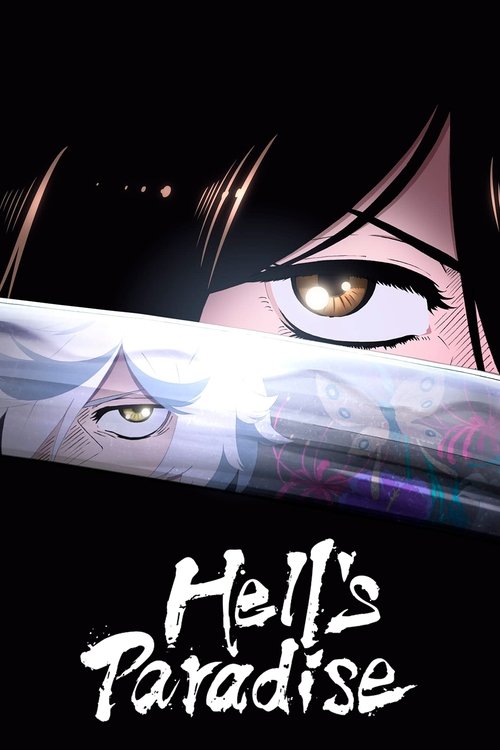
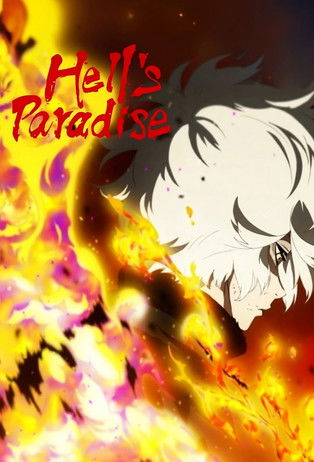
When Hell’s Paradise premiered on April 1st, 2023, it arrived as a quiet but undeniable force in the anime landscape. What started as a premise about death row convicts and their executioners investigating a mysterious island quickly became something far more sophisticated—a meditation on redemption, mortality, and what it means to truly live. The show didn’t announce itself with grandiose marketing or hype; instead, it let its storytelling speak for itself, and audiences responded with an impressive 8.1/10 rating that reflects genuine, sustained appreciation rather than momentary excitement.
The core concept is deceptively simple but brilliantly executed. The series follows a group of prisoners—each carrying the weight of their crimes—alongside their executioner as they’re sent to investigate a strange island rumored to hold the elixir of life. What unfolds across two seasons and 25 episodes is far more than an action-adventure romp through a dangerous landscape.
The real genius of Hell’s Paradise lies in how it uses the prison-break premise as a vehicle for character-driven storytelling. Rather than treating its convicts as disposable villains, the show insists on their humanity, forcing viewers to confront uncomfortable truths about judgment, second chances, and the systems that condemn people.
The structural brilliance becomes clear when you examine how the show uses its 25-minute episode runtime. This constraint actually sharpens the writing considerably. Each episode needs to balance action, character development, and philosophical questioning without any room for fat. There’s a tightness to the pacing that keeps the narrative momentum building, whether you’re watching a tense confrontation or a quiet moment of character reflection. That discipline shows in the consistently strong episode ratings—the premiere opened strong at 8.2, and the show maintained that quality throughout its initial run.
What Makes It Stand Out
- Character complexity – Prisoners aren’t stereotypes; they’re individuals with distinct motivations, fears, and unexpected depths
- Blend of genres – The show seamlessly weaves Animation, Drama, Action & Adventure, and Sci-Fi & Fantasy elements without letting any overshadow the others
- Philosophical weight – Questions about mortality and meaning anchor the action sequences, giving them genuine stakes
- Visual storytelling – The animation quality elevates moments that could’ve been generic action beats into something genuinely memorable
The show’s cultural footprint became evident as it rolled out across multiple platforms—available on Netflix, Hulu, and Crunchyroll simultaneously meant that conversations about the series happened everywhere at once. This wasn’t a show you had to hunt for; it was available, and that accessibility, combined with its undeniable quality, created a groundswell of organic appreciation.
Why Audiences Connected
- A protagonist worth following – Rather than a typical hero, we get Gabimaru the Hollow, a death row convict searching for meaning
- Unexpected warmth – Despite its dark premise, the show develops genuine camaraderie between characters
- Real consequences – Deaths matter; character arcs don’t reset for convenience
- Thematic depth – Beneath the adventure lies genuine exploration of what makes life worth living
What makes Hell’s Paradise‘s success particularly noteworthy is how it achieved critical respect alongside audience enthusiasm. An 8.1/10 rating from nearly 19,000 users represents something harder to fake than viral moments or algorithm boosts—it’s sustained, thoughtful appreciation. This isn’t a show that spiked in popularity based on a single shocking episode and then faded. The consistency across its episode ratings suggests viewers stayed invested because the quality remained high and the questions it posed kept evolving.
The creative vision behind the series feels purposeful and restrained in the best way possible. Rather than trying to do everything, the show commits to specific tonal and thematic goals. The Animation, Drama, Action & Adventure, Sci-Fi & Fantasy blend never feels confused about what it is—each element serves the central narrative about transformation and redemption. The pacing choices, the character focuses, the quieter moments between action sequences—all of this reflects creators who understood that less is often more.
By the time the series earned its Returning Series status and moved toward season two, something significant had shifted in the conversation around it. This wasn’t just another anime anymore; it was a genuine cultural touchstone in discussions about how animation could handle mature, complex storytelling. The show proved that you didn’t need massive episode counts or endless seasons to tell a complete, resonant story. Twenty-five episodes across two seasons felt neither rushed nor padded—it felt right.
The long-term significance of Hell’s Paradise will likely be its influence on how studios approach anime storytelling. Here’s a show that trusted its premise, respected its audience’s intelligence, and committed to asking hard questions without always providing comfortable answers. In an ecosystem sometimes dominated by extended runs and filler, that’s genuinely refreshing. Whether you’re drawn to the action sequences, the character development, the philosophical underpinnings, or the simple thrill of not knowing what happens next, Hell’s Paradise delivers. That’s why people keep talking about it, and why its legacy will probably outlast more hyped series that burned bright and faded fast.



![Official Trailer 3 [Subtitled]](https://img.youtube.com/vi/8BIaDDN-r3o/maxresdefault.jpg)
![Official Trailer 2 [Subtitled]](https://img.youtube.com/vi/5vbDQ-IAPcs/maxresdefault.jpg)