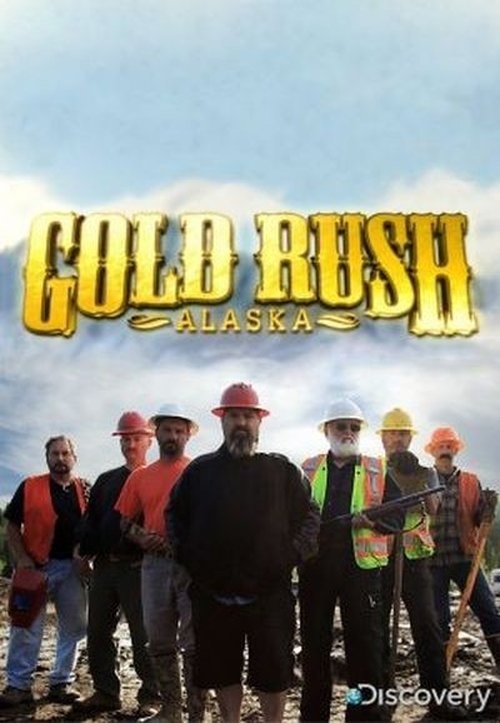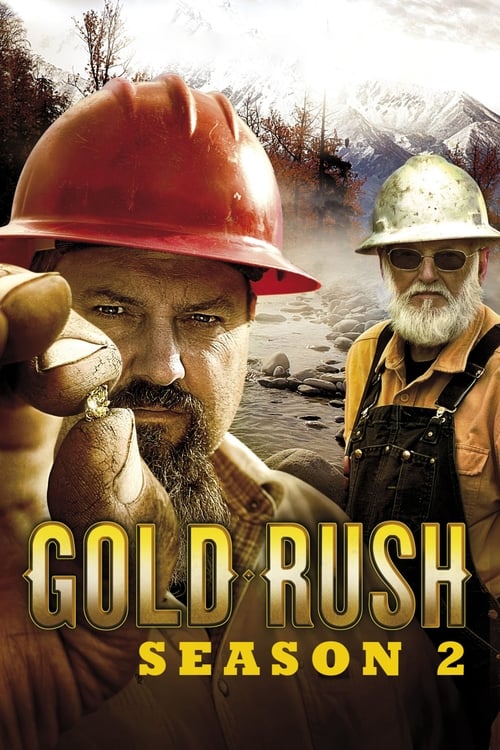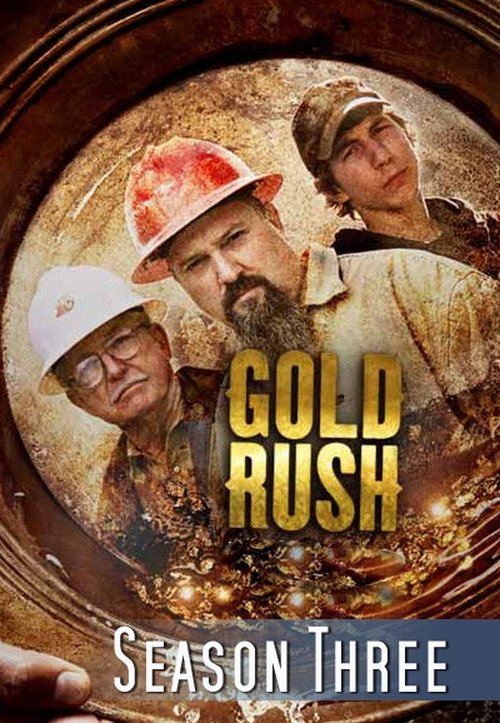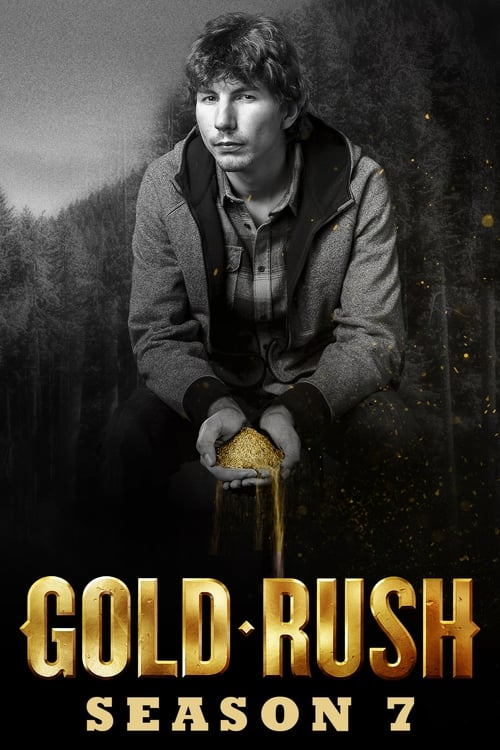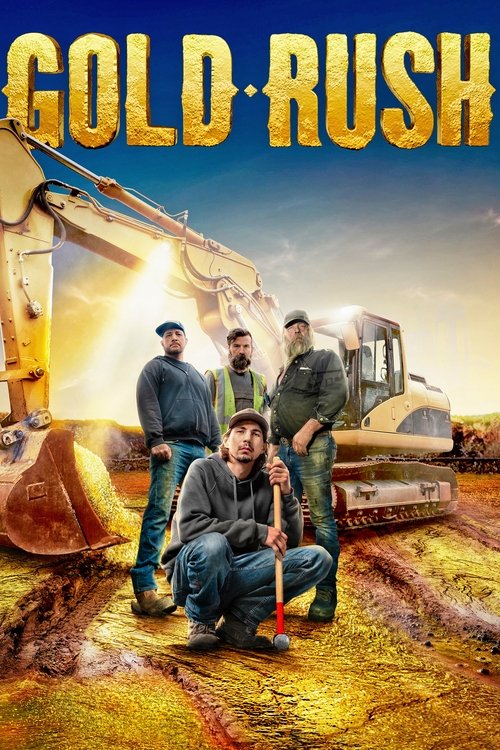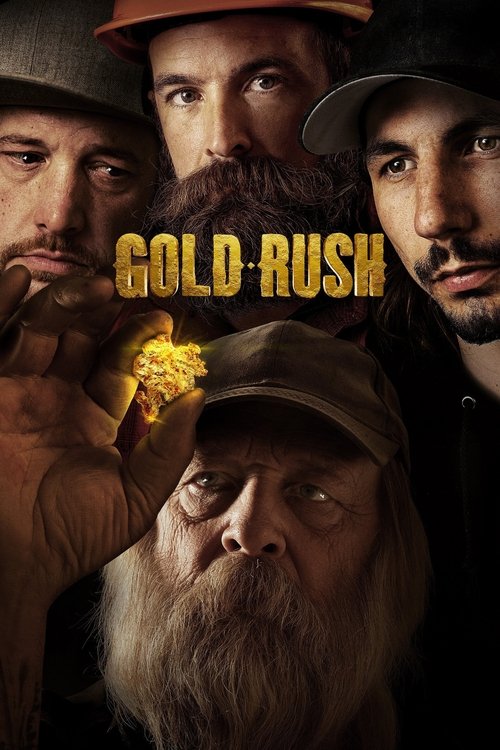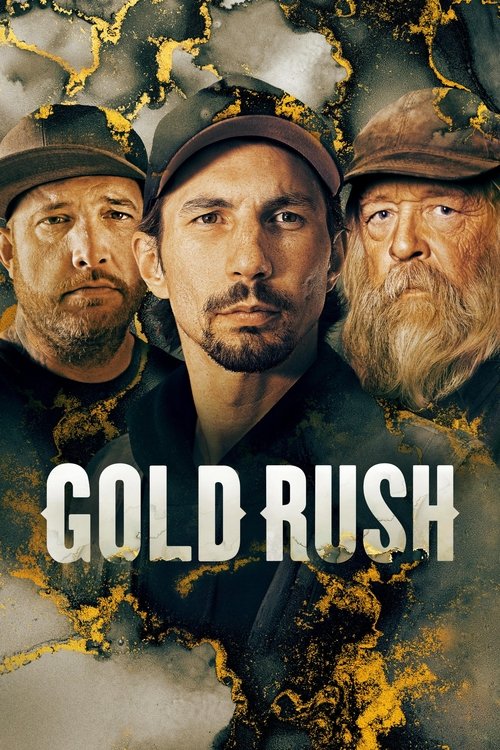
When Gold Rush premiered on Discovery back in December 2010, nobody could have predicted it would become the kind of cultural phenomenon that keeps viewers hooked through 16 seasons and counting. What started as a straightforward reality show about miners trying to strike it rich in the Yukon has evolved into something far more compelling—a masterclass in how to sustain genuine tension and human drama without relying on scripted theatrics. There’s something genuinely magnetic about watching real people chase tangible dreams under brutal conditions, and Gold Rush figured out how to translate that into consistently engaging television.
The show’s brilliance lies in its understanding of what makes reality television actually work. Rather than manufacturing conflict or relying on manufactured personalities, Gold Rush lets the inherent stakes of gold mining speak for themselves. The 41-minute runtime gives each episode just enough breathing room to develop storylines—mechanical failures become nail-biters, seasonal weather becomes an enemy, and equipment breakdowns transform into genuine crises. This isn’t overwrought drama; it’s the organic tension that comes from watching people risk significant capital and effort on uncertain outcomes.
What makes the show’s longevity particularly remarkable is how it’s managed to stay fresh through 326 episodes. Most reality shows would have exhausted their premise by season three or four, but Gold Rush has continuously evolved by rotating its focus among different mining crews and locations. The central cast—including names that became synonymous with the show like Parker Schnabel and Tony Beets—developed into characters viewers genuinely cared about, not because of manufactured storylines, but because we’d watched them struggle and strategize over years of television.
> The show tapped into something fundamental about American entrepreneurship and the allure of self-made success that resonates across generational and demographic lines.
The cultural footprint Gold Rush left on television deserves serious recognition. It arrived at a moment when reality television was becoming increasingly exhausted—overproduced, artificially dramatic, and creatively bankrupt. Gold Rush offered something different: an honest look at risk, failure, ambition, and the grinding work required to achieve anything worthwhile. That message connected with audiences in ways that surprise critics who initially dismissed it as simple documentary fare. The show proved that audiences hunger for authenticity, even when (or especially when) it comes wrapped in the unglamorous realities of industrial mining.
The show’s journey through the ratings tells an interesting story. Early seasons pulled impressive numbers, with Season 1 generating a 76.2 engagement score that reflected genuine enthusiasm for the concept. While viewership gradually settled into a more sustainable range as the show matured—which happens to almost every reality series—the 7.0/10 rating it maintains across its entire run speaks to consistent quality and a loyal audience that keeps coming back. That’s not blockbuster status, but it’s the kind of steady respect that leads to 16 seasons and a Returning Series status.
What’s particularly noteworthy is how Gold Rush has influenced the broader reality television landscape:
- It demonstrated that audiences would embrace unscripted shows centered on actual work and skill, not just interpersonal drama
- It validated the “following multiple crews” format that became popular in subsequent years
- It proved that seasonal constraints and genuine deadlines create better television than manufactured urgency
- It showed that expert knowledge (mining, equipment, geology) could be entertaining without being dumbed down for audiences
The creative achievement here shouldn’t be understated. While the show’s creators remain uncredited in most discussions, the vision they established—to follow gold miners with honesty and let the inherent drama emerge naturally—required restraint and confidence in the material. The 41-minute structure isn’t arbitrary; it’s precisely calibrated to cover the necessary plot developments while maintaining momentum. You get enough detail to understand the technical challenges without getting bogged down in unnecessary exposition.
One of Gold Rush‘s most enduring qualities is its unironic embrace of aspiration. These aren’t antiheroes or satirized characters; they’re people genuinely trying to build something, make money, and succeed in a difficult enterprise. The show treats that goal with respect rather than condescension. That tonal choice—respecting the ambitions of ordinary people engaged in extraordinary work—became increasingly rare in reality television, which made Gold Rush stand out even more sharply against its peers.
The show has also benefited from being available across multiple platforms. The expansion to Hulu, HBO Max, Discovery+, and various other streaming services means Gold Rush reaches audiences far beyond its original Discovery Channel viewers. This accessibility has introduced the show to younger demographics and international audiences who appreciate it for reasons the original producers might not have anticipated. That kind of platform flexibility has certainly contributed to its ability to maintain relevance through 16 seasons.
What’s fascinating is how Gold Rush has aged. Rather than feeling dated, the early seasons now function almost as historical documents of a particular era in gold mining, technological approaches, and even the evolution of these specific mining operations themselves. Watching Parker Schnabel’s progression from ambitious newcomer to established operator, or Tony Beets’ various operations evolve, creates a narrative depth that few reality shows achieve. That longitudinal storytelling—happening almost accidentally across years of filming—has become one of the show’s greatest assets.
For anyone considering diving into Gold Rush, here’s what makes it genuinely worth your time: it’s a show that respects your intelligence and the subjects it covers. It doesn’t condescend to miners or audiences. It creates genuine tension from real circumstances. And across 16 seasons, it’s managed something remarkably difficult in television—sustaining quality and viewer interest by remaining fundamentally true to its original premise while continuously finding new angles and characters to explore. That’s not just good reality television; that’s good television, period.