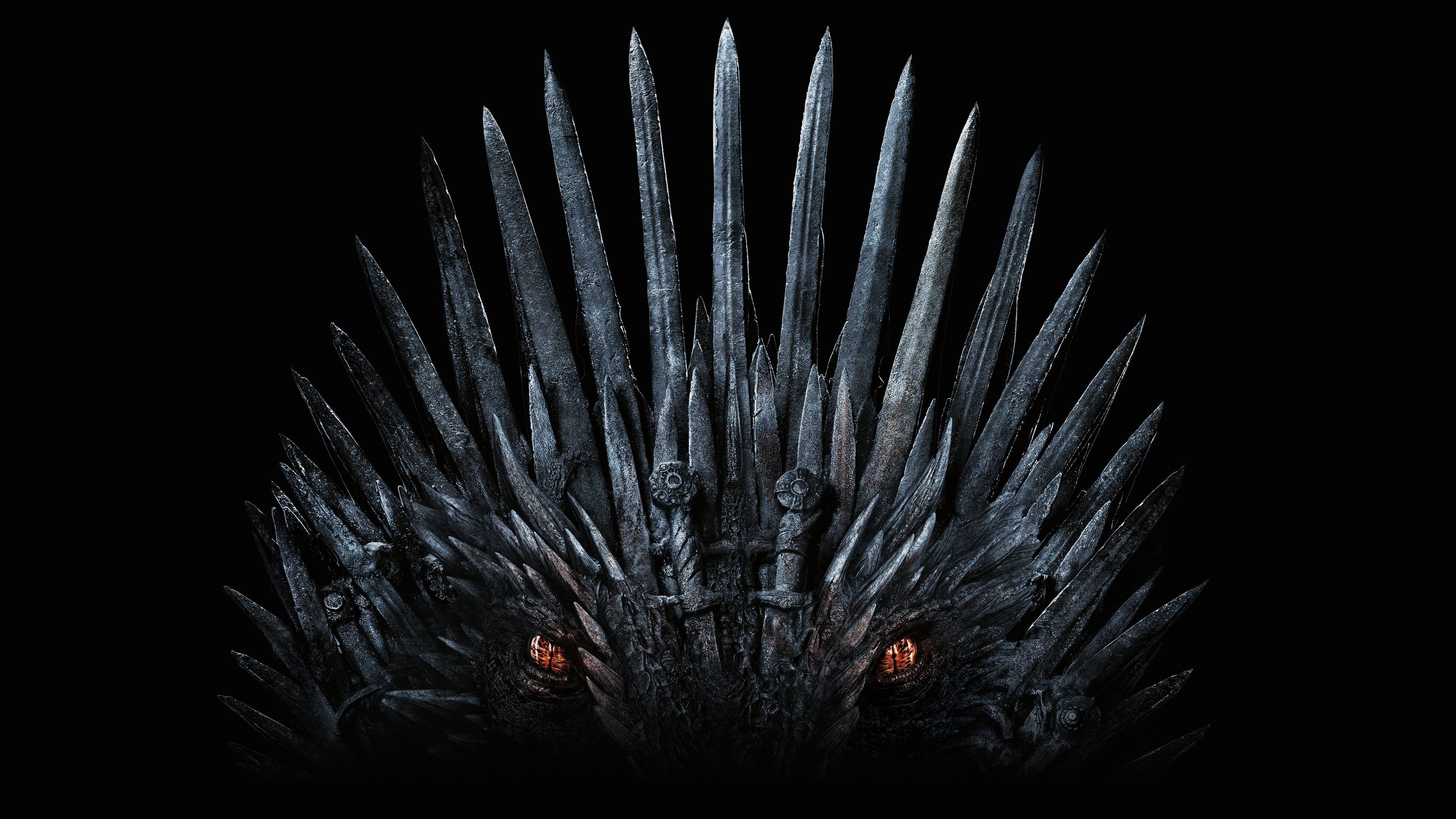
If there’s one show that fundamentally changed how we think about television drama, it’s Game of Thrones. When it debuted on April 17, 2011, HBO took a massive swing with David Benioff and D. B. Weiss’s adaptation of George R.R. Martin’s sprawling fantasy epic, and what unfolded over eight seasons was nothing short of a cultural phenomenon. This wasn’t just another fantasy series—it was a seismic shift in what audiences expected from prestige television.
The beauty of Game of Thrones lies in how it completely dismantled the idea that fantasy storytelling had to be escapist wish-fulfillment. Here was a show that treated its source material with deadly seriousness, where political intrigue mattered as much as dragons, where major characters could die unexpectedly, and where victory often came with devastating costs. That willingness to embrace moral complexity and narrative unpredictability became the show’s defining characteristic across its 73-episode run.
“This show proved that fantasy could be as intellectually rigorous and emotionally devastating as any prestige drama. It didn’t have to choose between spectacle and substance—it could demand both.”
When you look at the ratings and viewership patterns, you see something remarkable. The show maintained a solid 8.5/10 rating while building one of the most engaged and passionate fanbases television has ever seen. Season 4 became a particular high point—the episodes that aired during that stretch became cultural touchstones, moments that people discussed for weeks afterward. The show wasn’t just entertaining; it was genuinely important to the conversations people were having.
What Made Game of Thrones Revolutionary
- The storytelling approach Benioff and Weiss adopted set a new standard for how television could handle sprawling narratives:
- Multiple protagonist threads — Rather than following a single hero’s journey, the show wove together dozens of interconnected storylines across continents
- Subverting genre expectations — Fantasy traditions were constantly challenged; there was no guaranteed “chosen one,” no safe heroes
- High-stakes consequences — Character deaths felt permanent and consequential, not narrative setbacks to recover from
- Political realism within fantasy — Thrones and power struggles felt grounded in recognizable human dynamics, even as magic and dragons existed in the world
- Serialized storytelling — Each episode built on the last in ways that demanded viewer investment and attention
The production itself deserves credit too. Even with an unknown episode runtime, the show’s creators bent television conventions to serve the story. Some episodes ran longer when necessary, shorter when the narrative demanded it. This flexibility allowed for genuine cinematic storytelling rather than forcing plots into rigid television molds.
The Cultural Impact That Can’t Be Overstated
What’s remarkable about Game of Thrones is how it became water cooler television in an age when that was supposedly dead. This was during the rise of streaming, cord-cutting, and on-demand viewing—yet millions of people synchronized their viewing to discuss what happened in Westeros together.
The show sparked genuine cultural conversations:
- About storytelling itself — It made audiences question their assumptions about narrative structure and character arcs
- About representation — The portrayal of complex female characters became a talking point that extended beyond the fandom
- About adaptation — How do you translate 5,000+ page novels into television? What gets cut? What gets reimagined?
- About endings — The final season sparked passionate debates about what fans wanted versus what creators chose to deliver
HBO’s decision to give Benioff and Weiss the resources to tell this story their way—from 2011 through its conclusion as a completed series—was itself significant. This wasn’t a show that got cancelled mid-arc or struggled for renewal. It had the luxury of planning its endpoint, even if audiences didn’t always agree with where that endpoint landed.
Why This Show Endures
The achievement here is substantial regardless of how individual viewers felt about the final season. The show delivered 73 episodes of Sci-Fi & Fantasy Drama that consistently pushed boundaries in action sequences, character development, and emotional storytelling. The production values were extraordinary—these weren’t TV-budget fantasy sequences, they were cinematic in scope and ambition.
What Benioff and Weiss understood is that great fantasy isn’t about escaping reality; it’s about exploring human nature through heightened circumstances. A show about dragons and magic can ask questions about power, loyalty, ambition, and mortality in ways that feel urgent and real. When Jon Snow begins his training with the Night’s Watch, when Ned Stark confronts his past in King’s Landing, when Daenerys struggles with her own identity—these are human stories told in an epic context.
The show’s influence on television since its conclusion has been unmistakable. Networks and streaming platforms have attempted to replicate its success, but what Game of Thrones had was a perfect storm of source material, creative vision, and cultural moment. It proved that audiences wanted complex, challenging storytelling. It demonstrated that genre television could command critical respect and Emmy recognition. It showed that television could be event television even in the streaming age.
Whether you loved where the story ultimately went or felt disappointed by the final chapters, there’s no denying that Game of Thrones fundamentally altered the television landscape. It was audacious, ambitious, and uncompromising in ways that set it apart from nearly everything that came before it.