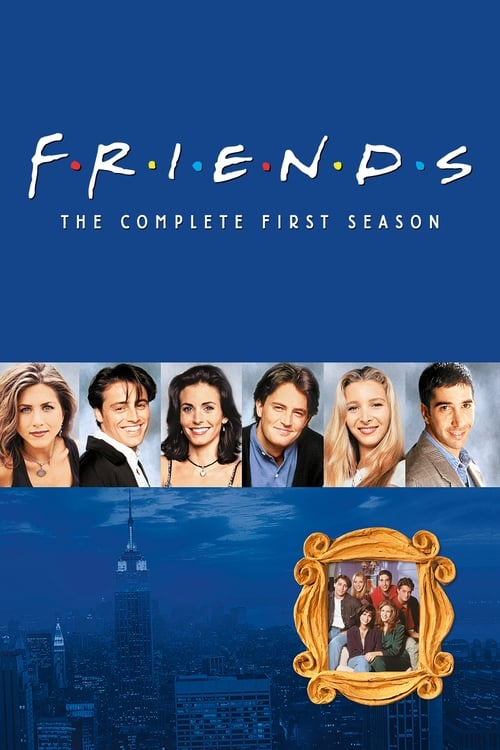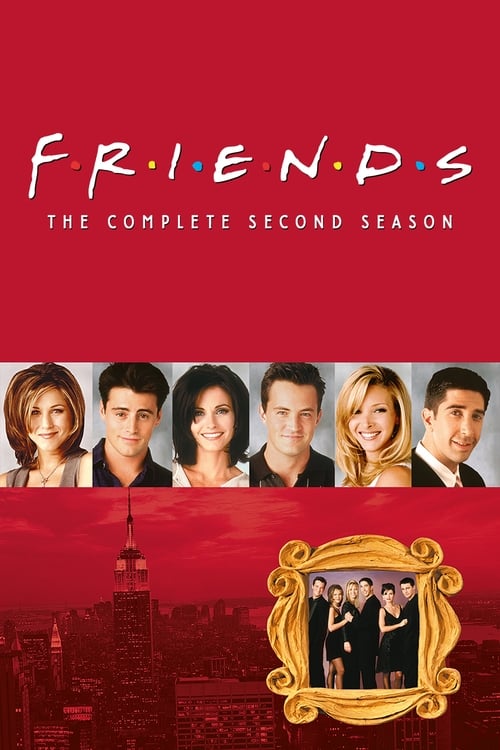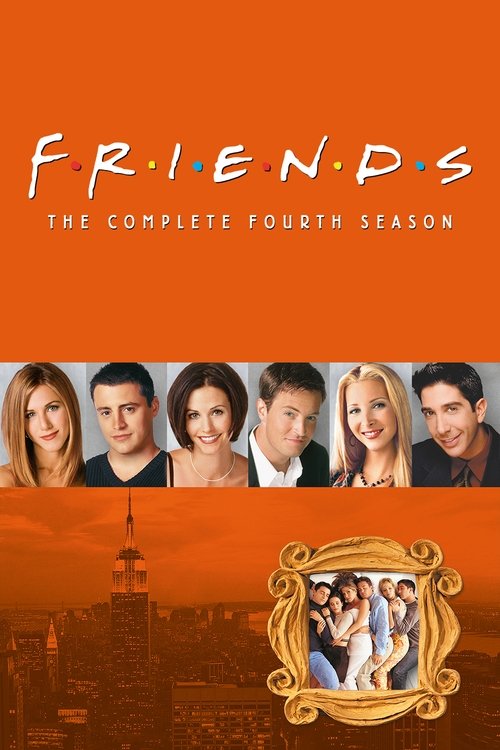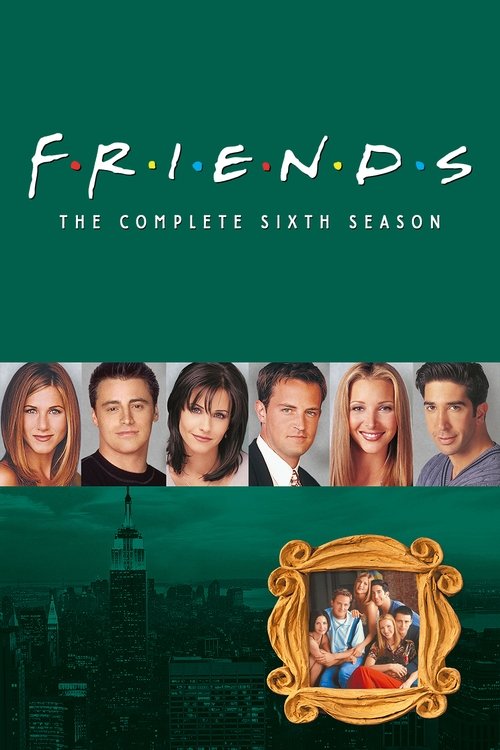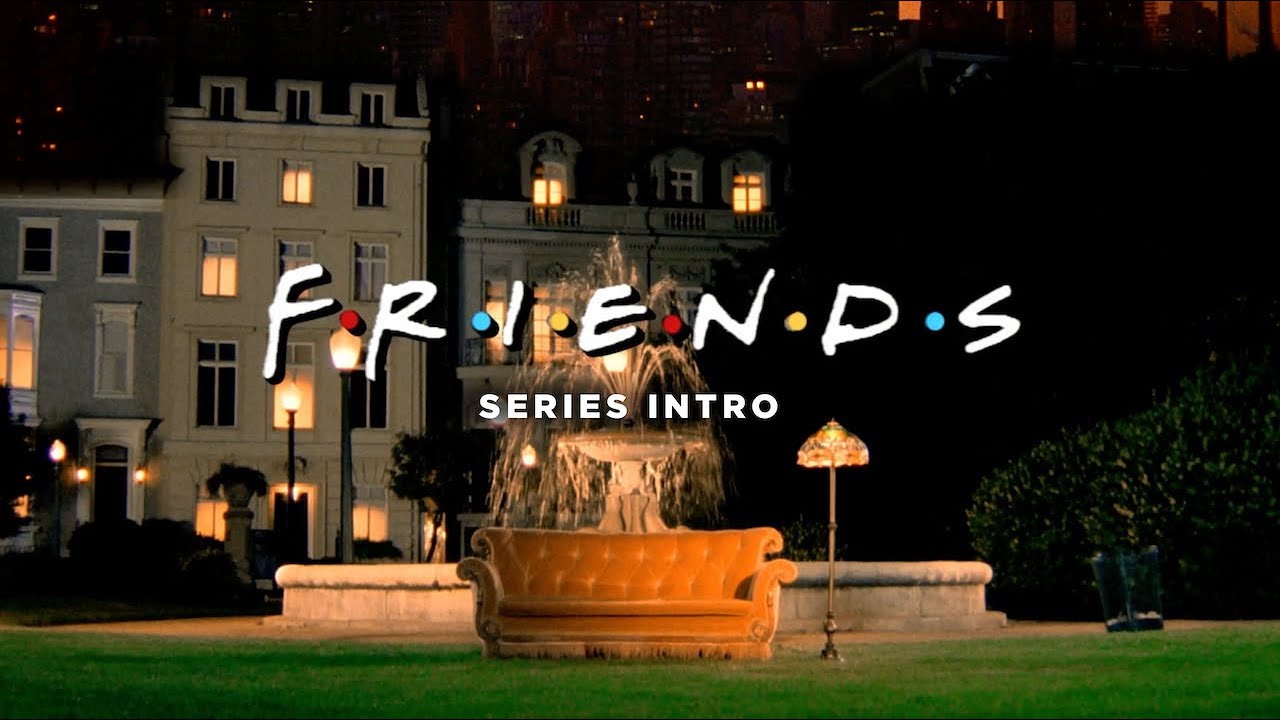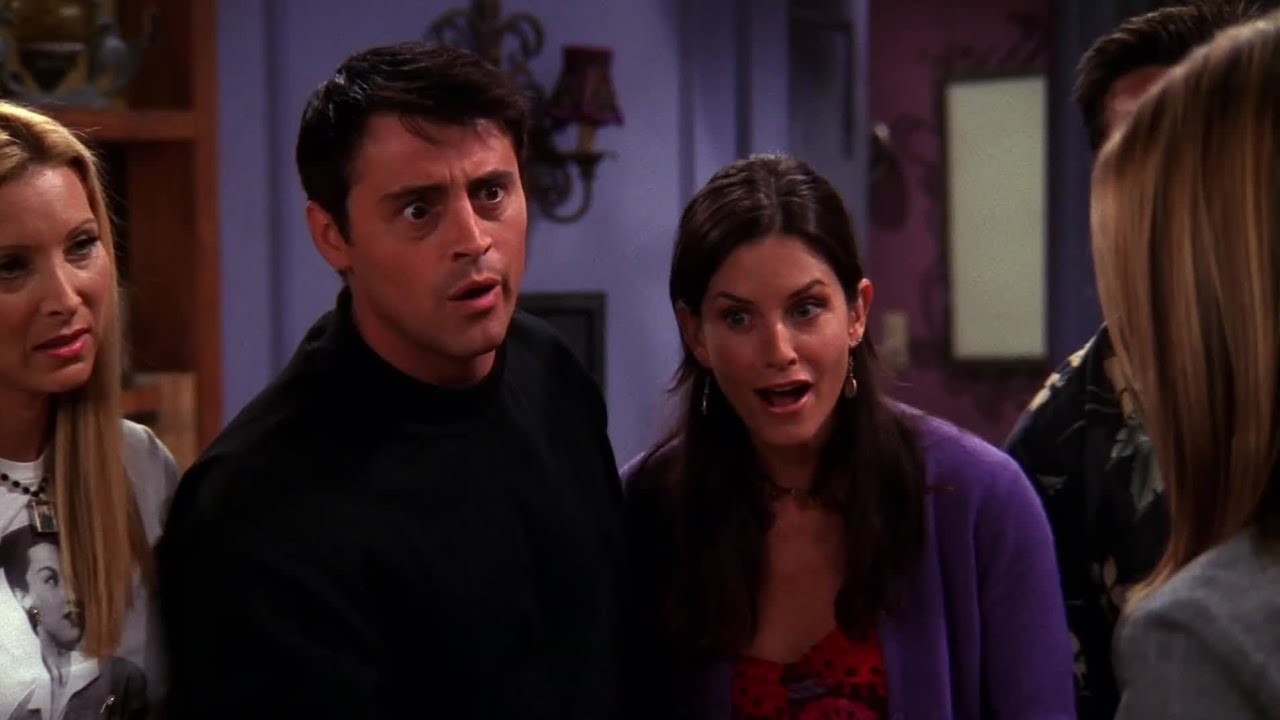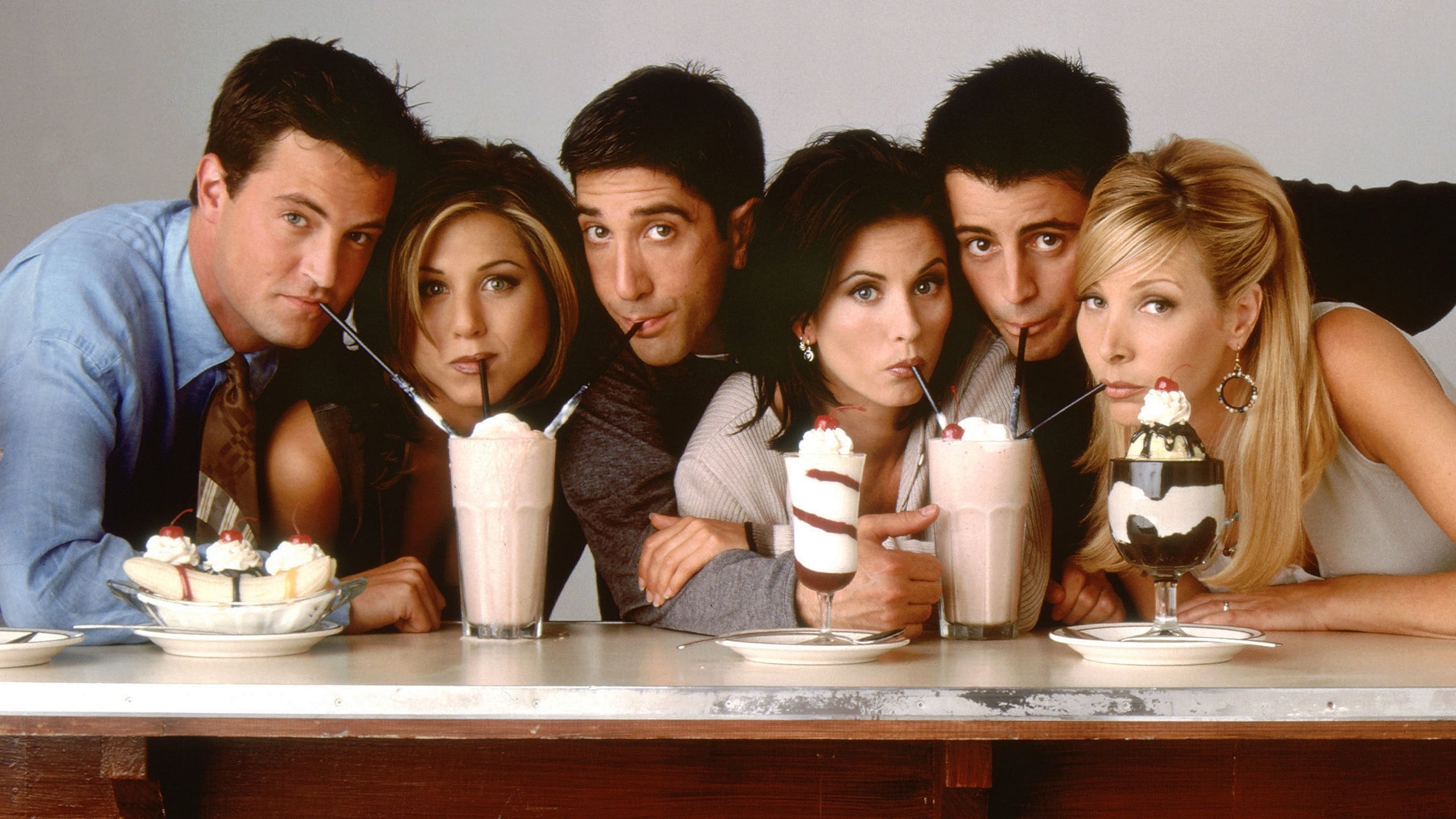
When Friends premiered on September 22, 1994, nobody could have predicted it would become the defining sitcom of the 1990s and beyond. What started as an ambitious pitch from creators Marta Kauffman and David Crane became a cultural phenomenon that didn’t just entertain audiences—it fundamentally changed how television approached comedy and character development. Over its ten-season run spanning 228 episodes, the show maintained an impressive 8.4/10 rating while accumulating a devoted fanbase that continues to celebrate it today. But these numbers only tell part of the story. What truly matters is understanding why this show endured and evolved in ways that kept audiences coming back.
The genius of Friends lay in its deceptive simplicity. On the surface, it was a show about six young people navigating life in New York City. But Kauffman and Crane understood something fundamental about television storytelling: audiences don’t just want to watch characters solve problems—they want to live with them. The decision to build the show around a tight ensemble, rather than a single protagonist, was radical for network television at the time. Each character received thoughtful development, complex storylines, and genuine emotional arcs that extended across seasons.
> The show’s structure allowed it to balance rapid-fire comedic moments with surprisingly poignant character work, proving that sitcoms could be funny and dramatically compelling.
Consider how the series approached romance and relationships. Rather than resolving romantic tension quickly, the writers understood the power of slow-burn storytelling. Ross and Rachel’s relationship became the emotional spine of the entire series, but the show never made the mistake of thinking that getting them together was the endpoint. Instead, their journey—the longing, the misunderstandings, the growth, the occasional heartbreak—became something audiences genuinely invested in across ten years. This wasn’t revolutionary because it was unique, but because it was consistent and respectful of viewer intelligence.
The cultural impact of Friends extended far beyond television criticism. The show sparked genuine conversations about modern friendship, ambition, love, and what it meant to build a life in a major city during a transformative era. Fashion choices influenced by the characters—most notably Rachel’s hairstyle—became so iconic they entered the broader cultural lexicon. Friends didn’t just reflect the world; it shaped how people thought about their own lives and relationships.
What made the show’s comedic approach so effective was its willingness to embrace multiple styles simultaneously:
- Wordplay and quick wit — The rapid-fire banter between characters, particularly Chandler’s neurotic humor
- Physical comedy — Perfectly timed sight gags and slapstick moments that complemented the dialogue
- Situational comedy — Scenarios born from the characters’ personalities and relationships rather than external contrivances
- Character-driven humor — Jokes that worked because you understood these people intimately
The episode structure—with its unknown runtime allowing for organic storytelling—gave writers and producers flexibility that served the show well. They weren’t locked into rigid time constraints that would have forced artificial pacing. This freedom meant scenes could breathe, moments could land, and characters could have genuine conversations that didn’t exist just to advance a plot.
Across its 228 episodes, the show demonstrated remarkable consistency in quality, which is genuinely rare for a ten-season run. The earlier seasons captured something lightning-in-a-bottle magical about six people discovering adulthood together. But the later seasons showed growth, ambition, and even subtle shifts in tone as the characters matured. Monica and Chandler’s relationship, which emerged organically in Season 4, became a masterclass in how to evolve a show’s dynamic without losing what made it special. Their journey felt earned because the writers respected both the characters’ individual arcs and their collective history.
The show’s availability across multiple platforms today—from HBO Max to YouTube TV to various streaming services—speaks to its enduring appeal. New generations discover Friends constantly, and it still works. The jokes land. The characters feel real. The relationships resonate. That’s not nostalgia talking; that’s the mark of genuinely solid storytelling that transcends its era.
What Kauffman and Crane created was ultimately a show about the possibility of building a chosen family in adulthood. In an increasingly fragmented media landscape, Friends offered something radical: a vision of genuine community and belonging. The characters had jobs that sometimes felt secondary to their relationships with each other. They prioritized showing up for one another. They celebrated each other’s victories and mourned each other’s defeats. In a way, the show was fundamentally optimistic about human connection—a quality that becomes more precious the further we get from 1994.
The 8.4/10 rating reflects what audiences instinctively understand: this is a show that earned its place in television history not through gimmicks or shock value, but through character, consistency, and the simple belief that stories about friendship and love matter. That belief proved to be absolutely correct.